
Your Walls Called: They Want 3D Panels, Not More Beige Paint
Your Walls Are Bored: Time to Give Them Main-Character Energy
Statement wall panels and 3D wall decor are having a full-on glow-up moment. Plain, builder-grade walls are quietly sobbing in the background while wood slats, fluted panels, DIY moulding, and acoustic panels strut across TikTok like they’re on a home decor runway show. The twist? You don’t need a full renovation, a contractor army, or a trust fund to get in on it.
Vertical slat walls behind TVs, fluted headboard walls in bedrooms, picture-frame moulding in hallways, and cozy acoustic panels in home offices are all trending hard under #walldecor, #homeimprovement, and #livingroomdecor. And yes, people are doing this in a weekend with MDF strips, peel-and-stick kits, and a lot of painter’s tape.
If your walls currently look like a rental listing photo from 2012, this is your sign. Let’s turn that blank canvas into a statement that says, “I have my life together” (or at least, “I know my way around a level and a caulk gun”).
Why 3D Wall Panels Are the New Accent Wall (Sorry, Single Stripe of Paint)
Traditional accent walls used to be: pick one wall, paint it a wild color, call it a day. Now? We’ve all seen too many satisfying before-and-afters to settle for a lonely paint bucket. The new accent wall is tactile, architectural, and camera-ready.
What’s trending right now:
- Vertical wood slat walls behind TVs or sofas, usually in light oak or walnut tones, sometimes wrapping across the ceiling for drama.
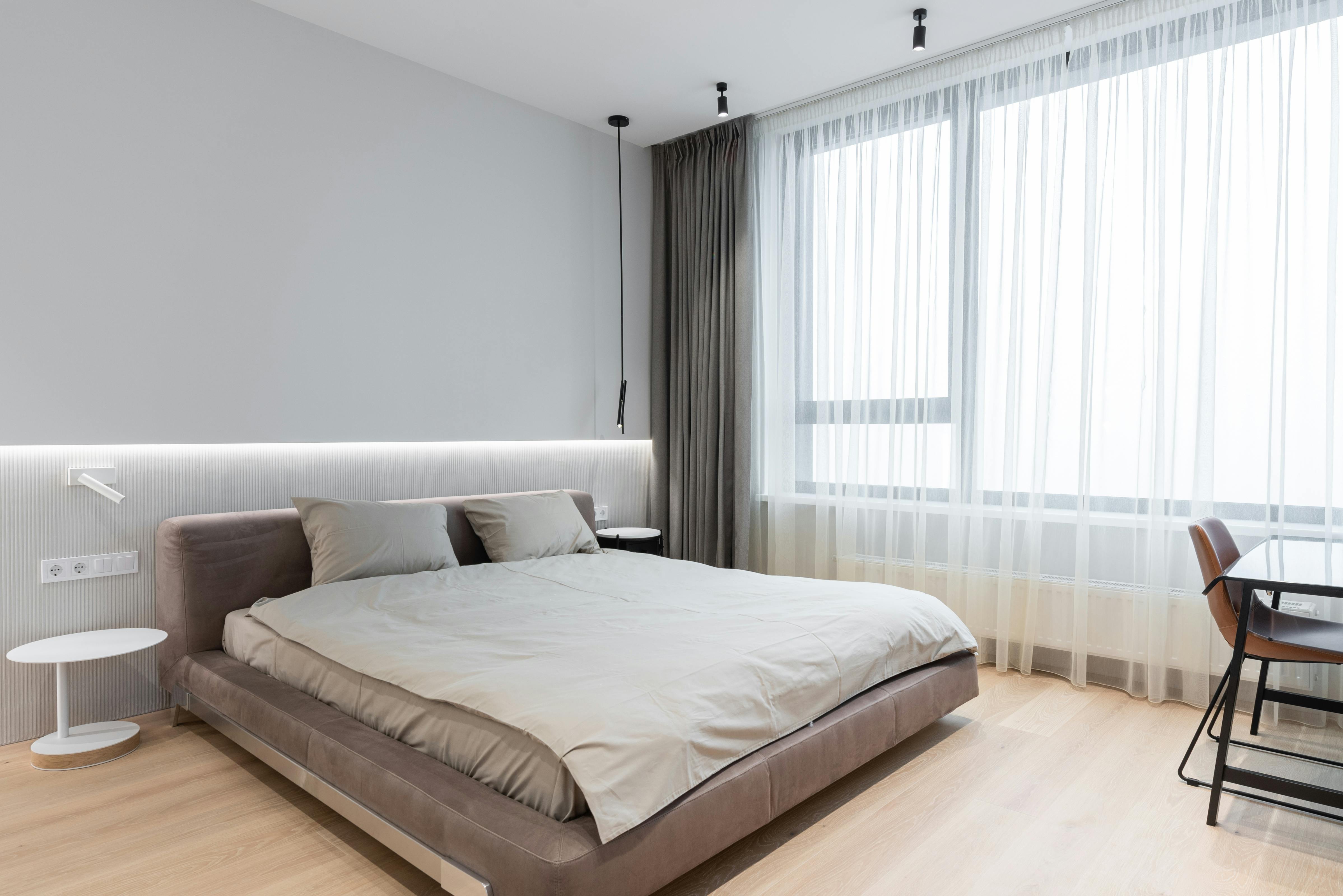
- Fluted or ribbed panels behind beds as extended headboards, often painted in moody colors like ink blue, charcoal, or deep green.
- Box / picture-frame moulding painted the same color as the wall for subtle, chic depth (hello, cozy minimalism).
- Acoustic felt panels in earthy tones that tame echo in offices, media rooms, and gaming setups while looking like art.
The magic? These upgrades are high impact, low chaos. No moving plumbing, no structural changes—just wood, panels, adhesive, and possibly a mild existential crisis while you measure.
Visual Inspiration: What This Looks Like in Real Life
Before we dive into the how-to, here’s what these trends look like when they’re not just living in our Pinterest boards:
Step 1: Pick Your Wall’s Personality Type
Before you grab a nail gun and a dream, decide what kind of main character your wall wants to be. Think of these as wall “star signs”:
- The Minimalist Influencer – Vertical Wood Slats
Loves neutrals, natural light, and oat milk lattes. Ideal behind TVs, sofas, and media units. Great if you want warmth and texture without visual chaos. - The Moody Intellectual – Fluted / Ribbed Panels
Reads hardcovers, owns candles with names like “Forest Library.” Perfect behind beds or in dining rooms. Works beautifully in deep greens, blues, or greige. - The Quiet Overachiever – Box / Picture-Frame Moulding
Looks subtle but makes the whole room feel more expensive. Amazing for hallways, entryways, and formal living rooms. Pairs well with minimal art and sconces. - The Functional Introvert – Acoustic Felt Panels
Hates echo, loves focus. This is your home office, podcast room, or movie-night sanctuary. Bonus: no one has to hear your 43 Slack notifications.
Pro tip: If the room is small, go for vertical lines (slats or tall panels) to visually stretch the space. Your ceiling will suddenly feel like it had a growth spurt.
Step 2: Plan Like a Designer (Measure Like a Perfectionist)
The difference between “Pinterest-worthy” and “why does this look wrong?” is usually planning. A quick game plan:
- Choose your hero wall
Typically: behind the TV, behind the sofa, behind the bed, or the first wall you see when you walk in. Avoid walls chopped up by doors, windows, or vents if you’re after a clean look. - Decide where it starts and stops
Full wall? Just the center section? Wrapped onto the ceiling? Sketch it on paper—or in a note app—before you buy anything. - Measure twice, add 10%
Measure height and width in centimeters or inches, calculate how many slats/panels you need, and add 10–15% extra for cuts, errors, and “oops” moments. - Check what your wall is made of
Drywall, concrete, plaster, or brick? This affects what kind of anchors or adhesives you’ll use.
And yes, you absolutely want a level. You think your eyes are good enough. They are not. Your phone’s level app is the unsung DIY hero here.
Step 3: Choose Your Weapon: Slats, Panels, or Peel-and-Stick?
You can go full DIY lumber yard warrior or keep it renter-friendly and peel-and-stick. Options trending right now include:
- MDF strips & moulding – Budget-friendly, smooth, easy to paint. Great for box moulding and geometric designs.
- Solid wood or veneer slats – Warm, natural, and timeless. More expensive, but looks high-end. Oak and walnut tones are everywhere right now.
- Pre-made slat & fluted panels – Come in ready-to-install sections; amazing for faster weekend projects. Many brands now offer acoustic slat panels with felt backing.
- Peel-and-stick panels – Renter-friendly and commitment-phobic approved. Look for options that are removable and won’t destroy paint.
- Acoustic felt tiles – Come in hexagons, rectangles, and cool geometric shapes. Double as art and sound control.
If you’re nervous about tools, start with a small wall or try one of the newer click-together or adhesive-backed systems. TikTok wasn’t built in a day, and neither was your feature wall.
Step 4: Installation Without the Meltdown
No two projects are identical, but the general process for slats and moulding tends to look like this:
- Prep the wall
Fill major holes, lightly sand if needed, and wipe down dust. If you’re painting the wall and the panels the same color, many DIYers paint the wall first. - Mark your layout
Use painter’s tape or a light pencil to map where slats or boxes will go. For slats, decide your gap width (commonly 1–3 cm / 0.5–1 in). - Cut and test-fit
Cut a few pieces, hold them up, and check the vibe before committing to all 200 of them. - Attach panels or slats
Use construction adhesive plus nails (brad nailer if you have one) for long-term installs. For renters, look for strong but removable adhesive strips or command-style solutions. - Caulk & fill
Fill nail holes, caulk gaps where slats meet walls or ceilings. This is the step that makes it look custom and not like a rushed Sunday project. - Paint or finish
For MDF/moulding, paint with a roller and angled brush. For wood slats, stain or seal to protect from dust and fingerprints.
If at any point you find yourself whispering, “This better be worth it,” congratulations—you’re officially a DIYer.
Color & Styling: Let the Wall Be the Star, Not the Circus
With 3D walls, texture is already doing the heavy lifting, so you don’t need to overload it with decor. Think:
- Monochrome magic: Paint moulding the same color as the wall for sophisticated, shadowy dimension.
- Moody bedrooms: Deep green, ink blue, and charcoal fluted or paneled walls are trending as cozy, cocoon-like backdrops.
- Warm minimalism: Pair oak slats with off-white walls, linen textiles, and black or bronze accents.
- Low-clutter decor: One large art piece, a linear sconce, or floating shelves is often enough.
The current vibe is architectural interest instead of more stuff. Fewer knick-knacks, more texture and light play.
Form Meets Function: Hide the Chaos, Hear Less Echo
Aside from looking good on the grid, statement wall panels are secretly very practical:
- Cable management: Run TV wires and cords behind slats or panels for a clean, gallery-like look.
- Acoustic bliss: Felt-backed slat panels and acoustic tiles soak up echo in home offices, gaming rooms, and media setups.
- Visual zoning: Use a statement wall to define a work zone, dining corner, or reading nook in open-plan spaces.
- Renter-friendly upgrades: Peel-and-stick panels or lightweight acoustic tiles can usually come down with minimal drama when you move.
Beauty that also hides your cable spaghetti? That’s the kind of multitasking we can all aspire to.
Budget Talk: Champagne Walls on a Sparkling-Water Budget
One reason this trend is absolutely everywhere: it’s surprisingly cost-effective compared to big renovations. Creators regularly share cost breakdowns showing:
- Small moulding walls from basic MDF starting under a few hundred dollars.
- DIY slat walls negotiated from lumberyard offcuts or pre-primed MDF strips.
- Peel-and-stick or modular acoustic panels you can spread across paychecks.
If your budget is tight, start with:
- One smaller wall (like behind a desk or entry console).
- MDF or foam moulding instead of solid wood.
- Paint in a luxe, saturated color to elevate inexpensive materials.
Remember: good planning and clean execution will always look more expensive than pricy materials slapped up in a rush.
Quick Room-by-Room Ideas You Can Steal Shamelessly
- Living room: Vertical wood slats behind the TV with a floating media console and a single long shelf.
- Bedroom: Half-wall paneling or fluted panels behind the bed, painted a moody color, with simple wall-mounted sconces.
- Home office: Acoustic felt panels behind your desk in a grid or chevron pattern—pretty backdrop, quieter Zoom calls.
- Hallway: Box moulding all along the corridor, painted the same color as the wall, paired with slim, warm LED sconces.
- Entryway: Narrow slat wall with hooks and a small bench to create an instant “mudroom” moment.
Take one idea, adjust for your space, and pretend you’ve had this planned for months.
Ready to Let Your Walls Live a Little?
Statement wall panels and 3D wall decor are trending hard for a reason: they’re the rare combo of scroll-stopping, practical, and achievable on a normal-person schedule and budget. Whether you go for vertical slats, fluted panels, box moulding, or cozy acoustic tiles, you’re not just decorating—you’re low-key upgrading your home’s architecture.
Pick a wall, pick a style, and remember: every viral DIY started as someone staring at a blank wall thinking, “How hard can it be?” The answer is: manageable. Especially if you measure, use a level, and keep snacks on standby.
Your walls are ready for their close-up. The only question is: are you team slat, team fluted, or team “why not both”?
