
Your Sofa Has a Secret Life: Multifunctional Small‑Space Ideas That Totally Transform Tiny Homes
Multifunctional small-space living is booming as more people work from home, live in compact apartments, and want every piece of furniture to earn its keep. This playful guide shows how to turn one room into a living room, office, guest room, and hobby zone using convertible furniture, clever zoning, and smart DIY storage hacks without sacrificing style or sanity.
If your living room is also your office, your gym, your guest room, your hobby corner, and occasionally your “I will sit here and spiral on the internet” nook… welcome home. Tiny-space life in 2025 isn’t about suffering in silence; it’s about making every square foot so talented it deserves its own LinkedIn profile.
Today’s trendiest decor isn’t just pretty—it’s practical, foldable, rollable, and occasionally hiding a drawer you didn’t know existed. Think sofa beds that moonlight as guest suites, coffee tables that rise like the sun into full desks, and DIY storage that sneaks into every unused inch like a very organized ninja.
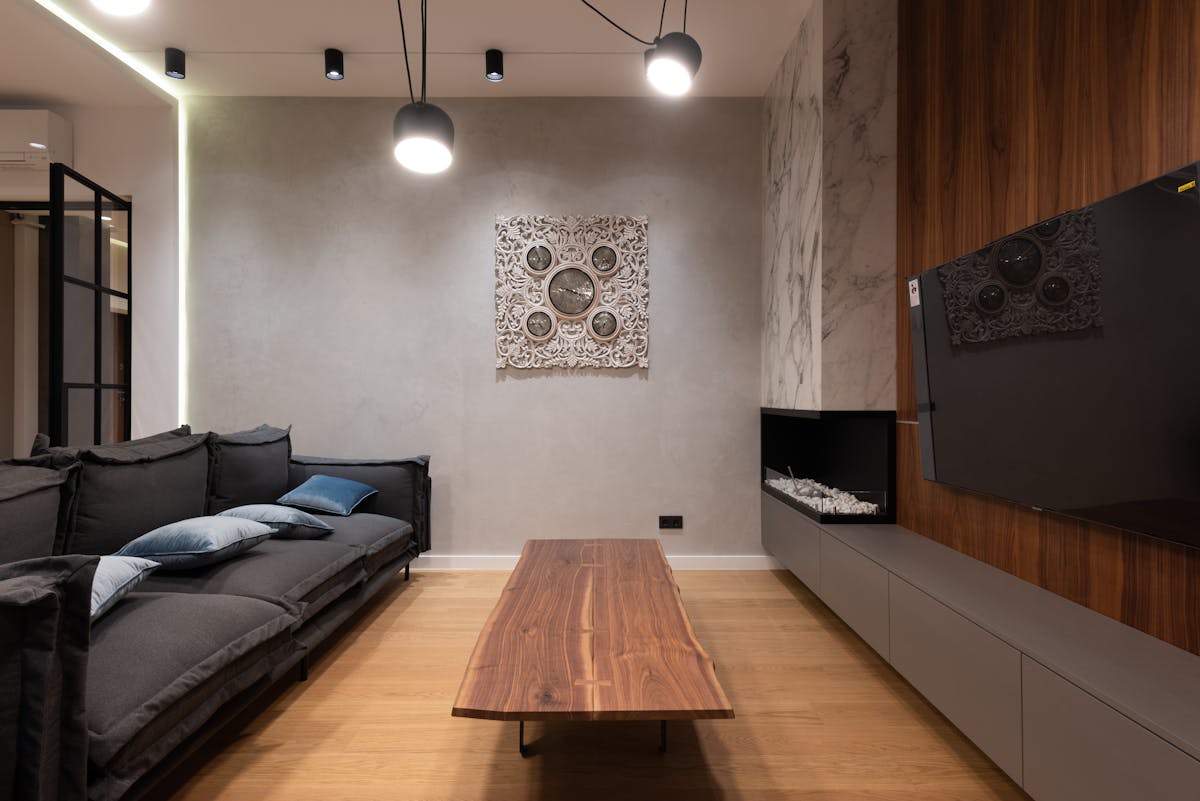
Step 1: Date Your Space Before You Decorate Your Space
Before you buy a single “space-saving miracle” from the internet, you need to know what your room actually does all day. Think of this as a performance review for your square footage.
- List your zones: Do you need a work zone, lounge zone, sleep zone, hobby zone, and maybe a spot for yoga or workouts?
- Rank them: Work from home daily? Desk > guest bed. Host often? Guest bed > giant TV.
- Time-share the room: Morning office, afternoon living room, weekend guest suite. Decor should support that schedule.
Once you know your zones, you can hunt for pieces that do double (or triple) duty instead of buying a separate thing for every function and then wondering why you can’t open your closet without a minor avalanche.
Design rule: If it lives in a small space, it must either store, fold, roll, or transform. Bonus points if it does all four.
Living Room Gym-Office-Guest Suite: Furniture With Secret Identities
The living room is the current MVP of multifunctional housing. It’s also the room most likely to star in a “before” picture labeled Help. Here’s how to make it work harder without looking like a storage unit.
1. Sofa Beds & Daybeds That Don’t Scream “Dorm Room”
Sofa beds are back, but now they’re chic instead of “please ignore the metal bar in your spine.” Look for:
- Clean, mid-century lines that read like a real sofa, not a temporary fix.
- Storage underneath for guest bedding, blankets, or your “I’ll sell this online someday” pile.
- Daybeds with bolsters that look like a couch by day and a serious guest bed by night.
2. Lift-Top Coffee Tables: The Transformer of Tiny Homes
The lift-top coffee table is trending hard on #livingroomdecor because it’s basically a desk, dining table, and snack altar in one piece:
- Use it as a workstation for laptops and notebooks.
- Host a dinner for two without needing a dining table.
- Hide remotes, chargers, and random chaos under the top.
DIY fans are taking IKEA coffee tables and adding gas-lift hinges to create their own custom versions—perfect if you like your productivity with a side of power tools.
3. Wall-Mounted Folding Desks & Murphy-Style Surprises
If a full desk hogs too much real estate, go vertical:
- Wall-mounted folding desks that flip down for work and disappear into a slim box when you’re done.
- Murphy beds with shelving around them that look like a bookcase until guests arrive.
- Drop-leaf consoles that live flattened against the wall and expand only when hosting.
Style tip: Paint the wall behind these elements in a contrasting shade so the fold-down zone feels intentional, not “temporarily parked office.”
DIY Storage Magic: Because Your Walls Are Wasted Real Estate
Social feeds are full of people discovering that their problem isn’t that they have too much stuff—it’s that they’re only using floor space. Let’s fix that.
1. Platform Beds With Drawers (Without Going Full Carpenter)
The DIY platform bed with storage is a hero of #bedroomdecor. There are two main routes:
- Easy IKEA Hack: Line up low kitchen cabinets or drawer units, anchor them safely, add a sturdy plywood top, then mattress. Bam: a bed with more storage than some closets.
- Custom Build: Use 2x4 framing and drawer slides to create deep drawers for off-season clothes, bedding, or hobby supplies.
Keep the bedding light and neutral so the bed feels like it’s floating, not looming like a storage fortress.
2. Under-Sofa & Under-Anything Storage
If there’s a gap, there’s potential. Slide shallow rolling bins or low baskets under:
- Sofas for extra throws, board games, or paperwork.
- Sideboards for seasonal decor.
- Benches for shoes or gym gear.
Decor hack: Choose matching containers in a natural material (rattan, seagrass, fabric baskets) so even visible storage looks styled, not improvised.
3. Kitchen Cabinets as Built-Ins (The Internet’s Favorite Trick)
DIY creators are turning off-the-shelf kitchen cabinets into floor-to-ceiling “custom” units:
- Use upper cabinets as base units for a shallow media console or office station.
- Stack cabinets and add trim to mimic true built-ins.
- Paint everything in the same color as the wall for a sleek, space-stretching look.
Result: massive storage, minimal footprint, and a room that suddenly looks twice as expensive.
Zoning: How to Give Every Activity Its Own Mini Kingdom
In small-space design, “zoning” is the art of dividing one room into multiple areas without building a single wall. It’s like open-plan sorcery.
Use Rugs Like Room Dividers
A rug is basically a “You live here now” label for furniture. Try:
- One rug for the sofa and coffee table = lounge zone.
- A smaller rug for a desk and chair = work zone.
- A soft mat beside the bed or daybed = sleep zone or reading nook.
Stick to a cohesive color palette so it reads as one harmonious space, not a decor personality crisis.
Light the Zones, Not Just the Room
Lighting is the unsung hero of tiny homes:
- Desk lamp or wall sconce over your work area = “office is open.”
- Floor lamp by the sofa = “Netflix & unwind” mode.
- Warm bedside lamp = “phones off, brain off” cue.
Aim for three light sources in a small room: overhead, task, and ambient. Dimmers are your tiny-space superpower.
Furniture Placement With a Purpose
Try these layout tricks:
- Use the back of a sofa as a soft divider between living area and desk.
- Float furniture away from walls to create a walkway and separate zones.
- Use a narrow console table behind the sofa as both office storage and decor display.
Your goal: one room that feels like three, without feeling like three rooms fought and no one won.

Bedrooms That Work Overtime (But Still Feel Calm)
Tiny bedrooms can easily become The Pile Room. To avoid that, every piece should either hide storage or visually lighten the space—or both.
1. Headboards With Benefits
Trending now: headboards with built-in shelves or hidden compartments. They:
- Hold books, glasses, plants, and decor.
- Free your tiny nightstands from doing all the work.
- Act as a focal point without adding clutter.
DIY option: Mount a shallow shelf at headboard height, then add a soft upholstered panel below it. You get storage and the comfort of a padded headboard.
2. Narrow Nightstands With Secret Tech
Look for slim bedside tables with:
- Drawers for chargers, books, and nighttime randoms.
- Built-in USB or power outlets so cables don’t tangle like spaghetti.
- Closed storage to keep the room visually calm.
3. Over-the-Door Organizers (But Make Them Cute)
Over-the-door organizers have had a glow-up. Swap the clear plastic shoe pockets for:
- Fabric organizers in linen or canvas.
- Neutral colors or subtle patterns that match your bedding.
- Designs with flaps or pockets that hide what’s inside.
Use them for scarves, accessories, toiletries, or even cleaning supplies. The door was just standing there—now it’s paying rent.
Walls That Work: Shelves, Pegboards & Rails
When surfaces are limited, walls become prime real estate. The trend: display and storage living happily ever after.
1. Wall-Mounted Shelves That Float, Not Clutter
Choose shelves that:
- Match your wall color for a minimal, airy look.
- Use slim, unobtrusive brackets or hidden mounts.
- Mix decor (plants, art) with essentials (books, boxes) so it feels styled.
2. Pegboards & Rail Systems
Pegboards and kitchen rail systems are all over #homeimprovement and #minimalisthomedecor because they keep surfaces clear while staying flexible.
- In the living room: hold headphones, keys, small plants, art prints.
- In the office nook: cups for pens, mail sorter, clip-on baskets.
- In the bedroom: jewelry, scarves, hats, a small mirror.
Bonus: you can rearrange them whenever decor boredom strikes without drilling 47 new holes.
Minimalist Vibes: Less Stuff, More Function (Still Cute)
Multifunctional living and minimalism are basically best friends. The more your furniture does, the less random clutter you need. But “minimalist” doesn’t mean “sad white box.”
The One-In, One-Out Rule (With a Twist)
For every new item you bring in, ask:
- What does it replace?
- Does it do more than the thing it’s replacing?
- Where will it live when not in use?
If you don’t have an answer to #3, you don’t actually have space for it—you have hope. Hope is lovely; storage is better.
Keep the Palette Calm, Let Textures Party
With lots of convertible pieces, visual noise can build up fast. Try:
- Neutral base: walls, big furniture, and rugs in soft, calm tones.
- Texture over color explosion: linen, boucle, wood grain, woven baskets, soft knits.
- Small hits of color: cushions, art, a single bold throw, or a statement lamp.
This keeps the room feeling airy even when it’s secretly a closet, office, and guest room in disguise.
Think Like a Before-and-After: Your Tiny Home’s Glow-Up
Those wildly satisfying before-and-after videos dominating social feeds all have the same secret formula:
- Declutter first (brutally, kindly, repeatedly).
- Choose multifunctional foundations: sofa bed, lift-top table, storage bed, wall desk.
- Add vertical storage: shelves, pegboards, rails, over-door solutions.
- Zone with decor: rugs, lighting, and simple furniture placement tricks.
- Style lightly: fewer, better accessories that make you happy.
Your space doesn’t need to be bigger; it needs to be smarter, kinder, and slightly more sneaky about where it hides things.
So the next time you look around and think, “There’s just not enough room,” remember: your sofa could secretly be a guest room, your coffee table a desk, your walls a storage system, and your bed a closet in disguise. Tiny home, massive potential.
And if anyone says you have “too much going on” in one room, just smile and say, “No, no. It’s called multifunctional small-space living. Try to keep up.”
