
Your Mouth, Your Heart: How Gum Health Protects Your Cardiovascular Future
Your Mouth And Your Heart Are Connected: What Gum Disease Has To Do With Heart Risks
New findings from the American Heart Association’s Cardiovascular Disease Prevention Committee have sharpened a message doctors have been quietly repeating for years: taking care of your gums isn’t just about a nice smile—it’s part of taking care of your heart. The latest review of over a decade of research suggests that gum disease is consistently linked with a higher risk of heart attacks, strokes, and other cardiovascular problems, even after accounting for classic risk factors like smoking and high blood pressure.
That doesn’t mean brushing your teeth will magically “cure” or fully prevent heart disease, and any article that promises that is overselling the science. But it does mean your mouth is not separate from the rest of your body—and that daily habits at the bathroom sink may quietly influence your long‑term cardiovascular health.
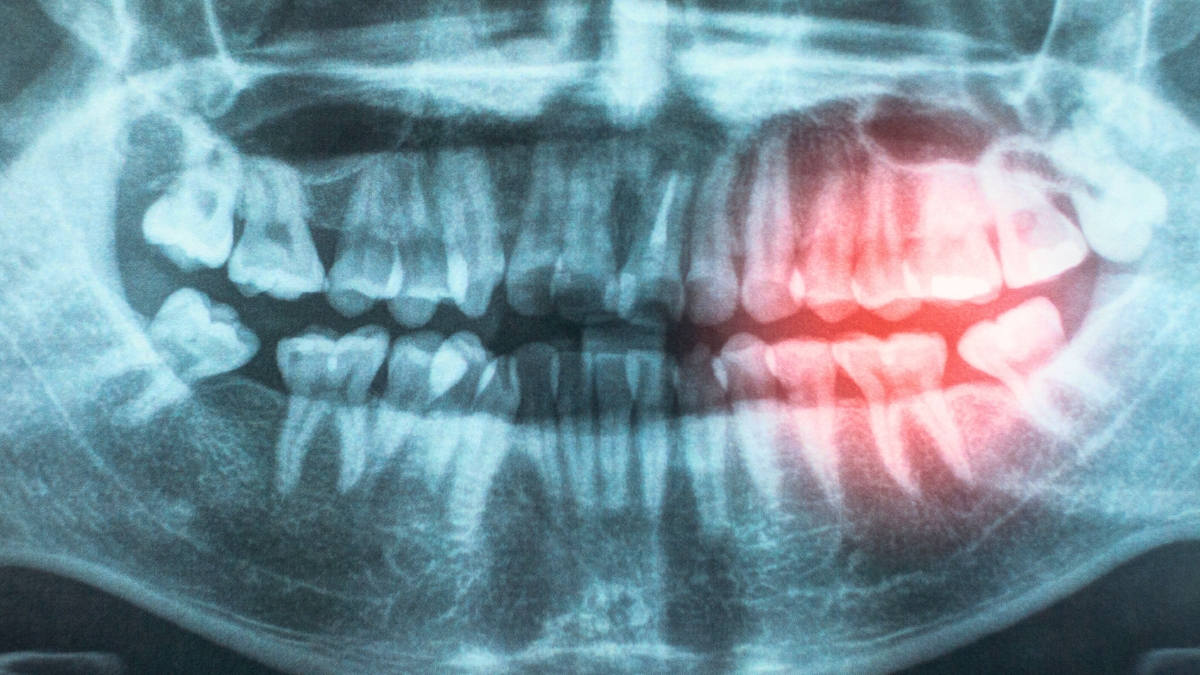
This article unpacks what the 10‑year evidence review actually found, how gum disease might influence your heart, and realistic, science‑based steps you can build into your routine—without fear‑mongering or quick‑fix promises.
The Problem: Gum Disease Is Common—And Often Silent
Gum disease (periodontal disease) is a chronic infection and inflammation of the tissues that support your teeth. Early stages—called gingivitis—often cause red, swollen, or bleeding gums. Later stages—periodontitis—can damage the bone and connective tissue that hold teeth in place, sometimes leading to tooth loss.
- Many adults have some form of gum disease, especially after age 30.
- It can progress quietly with little pain until it’s advanced.
- Risk is higher in smokers, people with diabetes, and those with limited access to dental care.
“We used to think of gum disease as a dental problem. Now we understand that it’s a chronic inflammatory condition that can affect the whole body, including the cardiovascular system.”
— Commentary inspired by the American Heart Association review
The new AHA review doesn’t claim gum disease directly causes heart disease in every case, but it strengthens the evidence that people with unhealthy gums are more likely to develop cardiovascular problems over time. Understanding that connection can turn a routine dental habit into a meaningful part of your heart‑health plan.
What the Latest Science Says About Gum Disease and Heart Risk
The American Heart Association committee reviewed more than a decade of observational studies, randomized trials, and mechanistic research linking periodontal disease with cardiovascular disease. While the exact percentages vary between studies, several consistent themes emerged:
- People with gum disease have higher rates of heart disease and stroke.
Large population studies repeatedly show that adults with moderate to severe periodontitis are more likely to experience heart attacks, strokes, and peripheral artery disease than those with healthier gums. - Inflammation seems to be the main connector.
Markers of systemic inflammation—like C‑reactive protein (CRP)—tend to be higher in people with gum disease. Chronic, low‑grade inflammation is a well‑known driver of atherosclerosis (the buildup of fatty, inflamed plaques in arteries). - Treating gum disease may improve some heart‑related markers.
In several trials, intensive periodontal therapy reduced levels of inflammatory markers and sometimes improved blood‑vessel function. However, reductions in heart attacks or strokes themselves are harder to prove and require long‑term follow‑up.
Importantly, the committee emphasizes that gum disease should be considered a risk marker and a likely risk enhancer, not a single, direct cause of cardiovascular disease. It sits alongside other modifiable factors—such as smoking, diet, physical inactivity, blood pressure, and blood sugar control—that, together, shape your heart risk over time.
How Your Gums May Influence Your Heart: The Biology in Simple Terms
Researchers are still working out the exact “wiring” between your gums and your heart, but several plausible biological pathways have emerged:
- Chronic inflammation: Inflamed gums leak inflammatory molecules into the bloodstream. Over time, these can contribute to the inflammation of artery walls, helping plaques grow and making them more unstable.
- Bacteria entering the bloodstream: Everyday actions like chewing or brushing can allow oral bacteria to slip into the blood when gums are diseased. Traces of mouth bacteria have been found in atherosclerotic plaques in arteries.
- Immune system “overdrive”: A constant battle with gum infection can put the immune system into a chronically activated state, which is linked with higher cardiovascular risk.
- Shared risk factors: Smoking, poor diet, unmanaged diabetes, and low access to preventive care all increase risk for both gum disease and heart disease, creating overlapping pathways.

None of these mechanisms act in isolation. Think of gum disease as one more “log on the fire” of systemic inflammation and cardiovascular stress—especially in people who already have other risk factors.
A Real‑World Story: When the Dentist Helped Spot Heart Risk
Consider “Michael,” a 54‑year‑old office manager who hadn’t seen a dentist in nearly a decade. He brushed most days but rarely flossed. Bleeding gums had become “normal,” so he ignored them. When a back tooth became loose, he finally booked a dental appointment.
His dentist found moderate to severe periodontitis and noticed other clues: abdominal weight gain, a tired look, and a family history of heart disease noted on his intake form. She gently suggested he see his primary care provider for a full cardiovascular check‑up while they started intensive gum treatment.
Blood tests and a blood pressure check revealed early hypertension, elevated LDL cholesterol, and prediabetes—conditions Michael had no idea he had. Within six months of starting:
- Periodontal therapy and improved oral‑hygiene habits
- Blood‑pressure and cholesterol medications
- Gradual lifestyle changes (walking more, cutting sugary drinks)
his gum bleeding dropped dramatically, his CRP (an inflammation marker) improved, and his blood pressure and cholesterol came under much better control.
This is a composite case based on patterns commonly reported in clinical practice. Not everyone will see the same changes, but it illustrates how dental and medical care can work together to reveal and reduce hidden cardiovascular risk.
Common Warning Signs: When Gum Disease Might Be Affecting You
Gum disease is often silent, but there are clues you can watch for at home. If you notice any of the following, it’s wise to book a dental evaluation:
- Gums that bleed easily when you brush or floss
- Red, swollen, or tender gums that don’t settle down
- Receding gums, or teeth that appear “longer”
- Persistent bad breath or a bad taste in your mouth
- Loose teeth or changes in the way your teeth fit together when you bite

Evidence‑Informed Daily Habits to Protect Both Gums and Heart
The encouraging news from the AHA review is that many of the same habits that protect your heart also support gum health—and vice versa. Here’s how to put that into practice, step by step.
1. Build a Simple, Sustainable Oral‑Care Routine
- Brush twice daily for about two minutes.
Use a soft‑bristled brush and a fluoride toothpaste. Electric toothbrushes can be especially helpful if you tend to rush. - Clean between your teeth at least once a day.
Floss, interdental brushes, or approved water flossers can all work. Choose the method you’re most likely to stick with. - Consider an antibacterial mouth rinse if recommended.
Certain prescription or over‑the‑counter rinses can temporarily reduce bacterial load; ask your dentist if one is appropriate for you.
2. Don’t Skip Professional Cleanings and Checkups
Professional cleanings remove hardened plaque (tartar) you can’t reach at home and allow your dental team to check for early gum changes. Depending on your risk:
- Most adults benefit from cleanings every 6–12 months.
- People with existing gum disease or high heart risk may be advised to come more often.
3. Align Your Diet for Both Gum and Heart Health
A heart‑healthy eating pattern also supports the tissues in your mouth by reducing inflammation and stabilizing blood sugar:
- Focus on plants: Vegetables, fruits, whole grains, legumes, nuts, and seeds.
- Choose healthy fats: Olive oil, avocado, fatty fish like salmon.
- Limit added sugars and ultra‑processed foods, which can feed harmful oral bacteria and worsen cardiometabolic health.
- Stay hydrated so your mouth can produce enough saliva, a natural defender against oral bacteria.

4. Tackle the Big Shared Risk Factors
- Smoking and vaping: Both dramatically increase the risk of gum disease and heart disease. Ask your healthcare provider about evidence‑based quit programs, medications, or counseling support.
- Diabetes and blood sugar: Poorly controlled blood sugar weakens gum tissues and raises cardiovascular risk. Regular A1c checks and diabetes management can help both mouth and heart.
- Physical inactivity: Even 20–30 minutes of brisk walking most days can improve blood flow, reduce inflammation, and support overall health—including oral tissues.
Overcoming Common Obstacles: Time, Cost, and Motivation
Many people understand they “should” floss or see a dentist regularly, but real‑life barriers get in the way. Acknowledging these obstacles is the first step to solving them without shame.
“I Never Remember to Floss”
- Keep floss or interdental tools where you actually unwind (near the couch, nightstand, or TV remote).
- Pair flossing with an existing habit—like watching a favorite show or setting a phone reminder.
- Start with a small goal: 3 nights per week instead of perfection every day.
“Dental Care Is Too Expensive”
Cost is a genuine barrier in many regions, but there are often more options than people realize:
- Dental schools often provide lower‑cost care supervised by experienced dentists.
- Community clinics or public health programs may offer sliding‑scale fees.
- Even if you can’t afford full treatment immediately, a single exam can help you prioritize the most urgent issues and get personalized guidance.
“I’m Afraid of Bad News”
Fear of lectures or scary diagnoses keeps many people away. Remember: dental professionals see these issues every day, and the earlier they catch them, the more options you have—and the more you may protect your overall health, including your heart.
What Experts and Guidelines Recommend Now
Recent expert consensus, including the American Heart Association’s review and position statements from periodontal societies, converge on a few clear messages:
- Treat gum disease as part of overall cardiovascular risk management, not as a cosmetic issue.
- Encourage two‑way communication between dentists and physicians, especially for patients with known heart disease or multiple risk factors.
- Promote good oral hygiene and regular dental care as an accessible, low‑risk aspect of preventive cardiology.
- Avoid overselling: current evidence supports improved inflammation and vascular markers with periodontal therapy, but definitive proof of reduced heart attacks is still being studied.

For further reading, see:
Before and After: What Changes When You Prioritize Gum Health?
While individual experiences vary, many people notice meaningful changes within a few months of focused gum care—especially when combined with broader heart‑healthy habits.
Typical “Before” Scenario
- Bleeding when brushing or flossing
- Persistent bad breath
- Irregular dental visits (or none for years)
- Several cardiovascular risk factors (e.g., high blood pressure, smoking, sedentary lifestyle)
Possible “After” Scenario (3–12 Months)
- Less bleeding and gum tenderness
- Improved breath and comfort when eating
- Regular professional cleanings and monitoring
- Better control of blood pressure, cholesterol, or blood sugar—with a likely reduction in overall inflammation
These changes don’t guarantee you’ll avoid a heart event, but they move you in the right direction—supporting both quality of life now and healthier aging later.
Bringing It All Together: Small Daily Actions, Big Long‑Term Impact
The growing body of research summarized by the American Heart Association sends a clear, grounded message: your mouth and your heart are part of the same system. Gum disease is more than a dental inconvenience—it’s a sign of chronic inflammation and shared risk factors that can raise your chances of cardiovascular disease over time.
You don’t need a perfect routine or expensive gadgets to start protecting yourself. A few consistent steps—brushing with care, cleaning between your teeth, seeing a dentist regularly when you can, moving your body, not smoking, and eating in a way that calms inflammation—add up. Each habit gently lowers the burden on your cardiovascular system and your gums.

If you’re ready to act on this connection, choose one small step today:
- Book a dental checkup if it’s been more than a year.
- Commit to brushing for a full two minutes tonight and flossing at least three times this week.
- Schedule a heart‑health review with your doctor if you have gum disease plus other risk factors.
Your gums may be a small part of your body, but they offer a powerful window into your cardiovascular health. Treating them kindly is one of the most practical, evidence‑supported investments you can make in your long‑term well‑being.
