
Your Bedroom Called: It Wants Cozy Organic Minimalism, Not a Laundry Mountain
Cozy organic minimalism is taking over bedrooms faster than your laundry can pile up on that one chair we pretend is “decor.” Think calm neutrals, soft textures, low beds, and less visual noise than a phone on Do Not Disturb. In this guide, we’ll turn your sleep space into the warm, uncluttered retreat your nervous system has been begging for—without making it look like a soulless hotel room.
We’re talking soft oat and sand tones, natural woods, linen everything, and decor so intentional it practically whispers, “Shhh, you’re safe here.” If you’ve ever thought, “I want my bedroom to feel like a boutique spa, but I also own real-life things,” this cozy organic minimalist trend is your new best friend.
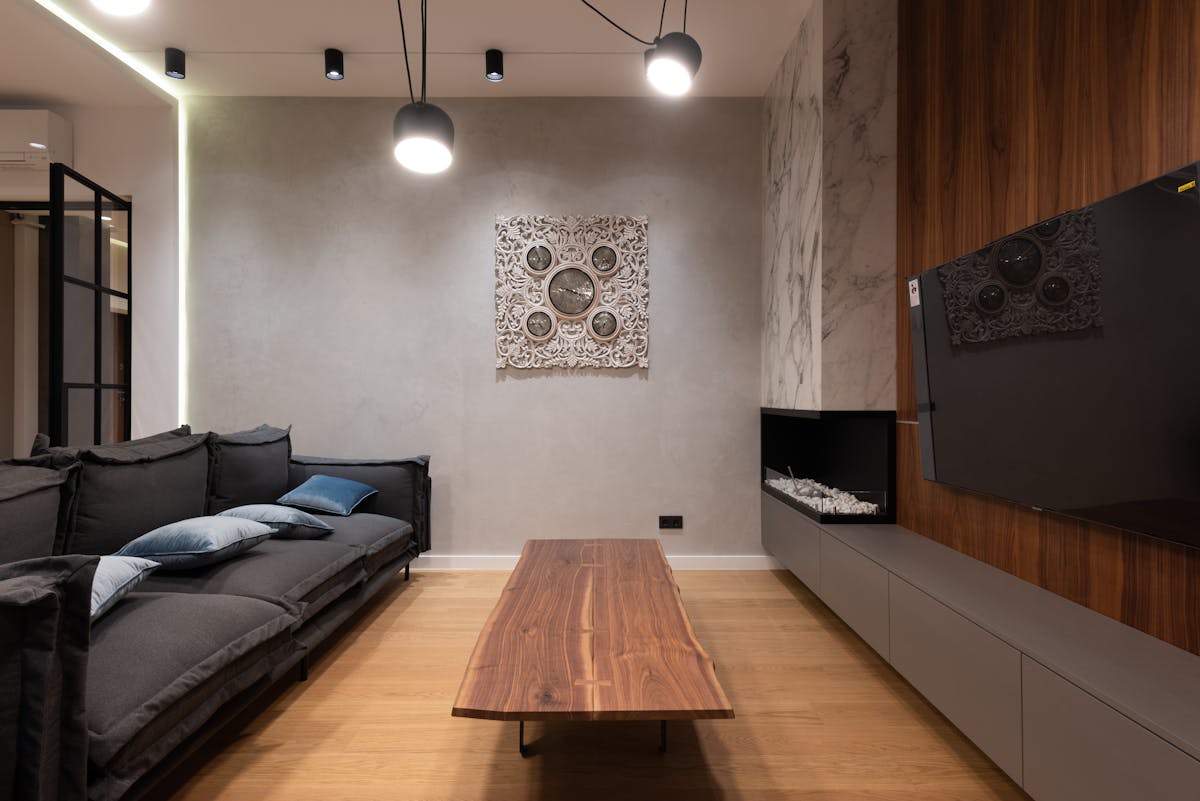
Low bed, soft neutrals, and textures galore: the unofficial uniform of cozy organic minimalism.
So… What Exactly Is Cozy Organic Minimalism?
Picture classic minimalism and a nature retreat going on a wholesome weekend getaway and deciding to move in together. Cozy organic minimalism keeps the clutter-free, simple silhouettes of minimalism but warms everything up with natural textures, soft fabrics, and gentle, desaturated colors.
No harsh contrasts, no “all white everything” hospital vibes. Instead, you’ll see:
- Ivory, oat, sand, and light mocha instead of stark white.
- Accents pulled from nature—olive, clay, rust, muted blue—used in small, soothing doses.
- Clean lines, but with rounded edges and soft upholstery instead of sharp corners.
Design translation: it’s “I own a calming retreat” energy, not “I sold everything I own to live with a single chair and a bowl” energy.
Why Everyone’s Redecorating Their Bedroom Like a Spa
Cozy organic minimalist bedrooms are trending hard across Pinterest, TikTok, and “I redid my room at 2 a.m.” YouTube makeovers. And it’s not just because they photograph well (though they absolutely do).
- Sleep and wellness obsession. With sleep trackers, blue-light glasses, and “don’t talk to me until I’ve had eight hours” energy becoming normal, people want bedrooms that feel low-stimulation and restful. Fewer colors, fewer objects, fewer “oh right, I should deal with that pile” reminders.
- Maximalism hangover. After years of gallery walls, bold prints, and accent-everything, many are realizing: pretty doesn’t always equal peaceful. Warm minimal bedrooms age better, visually and mentally.
- Scandi and Japandi influence. Scandinavian lightness plus Japanese simplicity—aka Japandi—has quietly become the blueprint. Think: natural woods, low furniture, soft textiles, and purposeful emptiness.
Translation: your brain wants less chaos and more calm—and your bedroom is the best place to start negotiations.
Step 1: Set the Mood with a Calm Color Palette
Your cozy organic minimalist bedroom should feel like a soft exhale. Color is where that begins. Aim for a palette that’s low-contrast and nature-inspired.
Base tones: Your “background calm” colors
- Walls: ivory, warm white, oat, or light greige.
- Big pieces (bed frame, rug, curtains): sand, stone, or light mocha.
Accent tones: Little sips of color, not gulps
Use these in tiny, deliberate amounts:
- Olive or sage green (pillows, throw, one art piece).
- Clay or terracotta (a vase, lamp base, or bedside dish).
- Muted blue or slate (art, a blanket edge, or a lumbar pillow).
Keep your ratio around 70% base neutrals, 20% soft mid-tones, 10% accents. If your room starts to look like a color wheel, you’ve gone off-script. Edit, don’t panic.
Step 2: The Low Bed That Lowers Your Stress
Low-profile platform beds are the unofficial mascot of this trend. They make rooms feel more open and grounded, especially in small spaces.
- Go low and soft. Choose a low bed with rounded corners or a gently padded frame. Bonus: fewer shin bruises at midnight.
- Light or medium wood. Oak, ash, or birch look airy and organic. Avoid heavy, dark, shiny finishes that scream “executive office,” not “soft cloud nap zone.”
- Keep hardware minimal. Nightstands with push-to-open drawers or small, simple pulls help keep the visual noise down.
At the foot of the bed, add a bench or pouf in bouclé, linen, or leather. It says “I’m put together” even if your laundry basket is, respectfully, not.
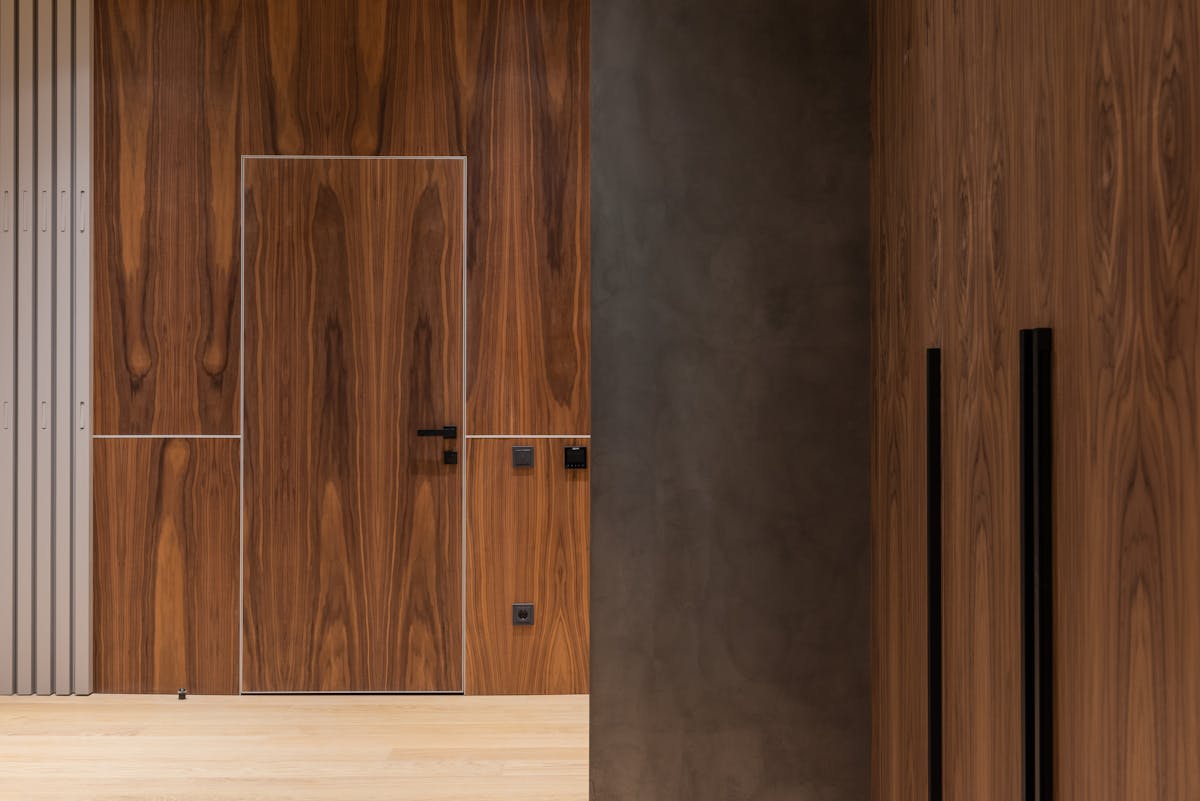
Layered neutrals: because one blanket is never enough for either warmth or aesthetics.
Step 3: Layer Textures Like a Cozy Minimalist Sandwich
In cozy organic minimalism, texture does the talking so color doesn’t have to yell. You’ll keep your palette calm, but layer different materials to avoid the dreaded “flat and boring” vibe.
Bedding game plan
- Sheets: Linen or crisp cotton percale in a light neutral.
- Duvet: Fluffy but not overstuffed, in a solid or subtle texture.
- Extra layer: A textured coverlet or throw across the bottom third of the bed.
Pillow politics
We’re not doing a 17-pillow obstacle course. Try:
- 2–3 euro pillows (big squares) at the back.
- 2 standard sleeping pillows in front.
- 1 decorative or lumbar pillow to finish the look.
That’s it. Any more and you’re in “I sleep on a pile of props” territory.
Rugs & curtains
- Rugs: Jute, wool, or cotton in a simple weave. Go large so it peeks generously around the bed.
- Curtains: Light-filtering linen or linen-look panels that pool slightly or just kiss the floor.
Rule of thumb: if you want to pet it, you’re on the right track.
Step 4: Walls & Lighting – Quiet Drama, Not Loud Chaos
Cozy organic minimalist bedrooms keep walls calm, not empty. Think intentional, not barren.
Wall decor: Edit ruthlessly
- One or two large pieces over the bed instead of a gallery wall.
- Neutral abstracts, simple line drawings, or soft landscape prints.
- Frames in light wood, black, or off-white—nothing overly ornate.
Lighting: Mood over maximum brightness
Your bedroom lighting should say “read a book and unwind,” not “interrogation room.”
- Bedside lighting: Wall sconces or plug-in pendants free up nightstand space and look sophisticated with zero effort.
- Bulb color: Warm white (around 2700–3000K) to keep things soft and relaxing.
- Multiple sources: One overhead + 1–2 lamps beats a single blinding ceiling light every time.
Step 5: Clutter-Free… Without Becoming a Different Person
Organic minimalism loves clear surfaces, but your real life still includes chargers, books, and that hand cream you absolutely need at 11:43 p.m. The trick is hidden storage, not personality erasure.
Smart storage moves
- Under-bed drawers: Perfect for off-season bedding or clothes. Out of sight, still accessible.
- Closed wardrobes: Doors are your best friends. Open shelving easily becomes a visual anxiety generator.
- Nightstands with drawers: Top: lamp, carafe, maybe one book. Drawer: phone charger, eye mask, chaos.
The “one-touch declutter” ritual
Once a week, give yourself 10 minutes:
- Clear every surface: bed, nightstand, dresser.
- Put back only what has a purpose or sparks calm.
- Everything else: drawer, basket, closet—or goodbye.
Your future, sleepy self will thank you for not having to climb over a pile of “miscellaneous life” to reach the bed.
Step 6: Make It Work in a Small Room (and on a Real Budget)
You don’t need a massive, sun-drenched loft to pull off cozy organic minimalism. You just need a plan and, ideally, a tape measure used more than once.
Small space layout tips
- Center the bed on the main wall if possible—it instantly feels more intentional.
- Use wall-mounted lights to avoid bulky lamps and free up tabletop space.
- Choose fewer, larger pieces over many small ones. One big dresser > three tiny ones playing Tetris.
Budget-friendly switches
- Start with textiles: new duvet cover, pillows, and curtains change the mood fast.
- DIY neutral art: oversized abstract on a canvas in soft tones looks high-end with low effort.
- Swap harsh lightbulbs for warm, dimmable ones. Cheap, game-changing.
Do it in phases: textiles first, then lighting, then furniture when your budget and patience align.
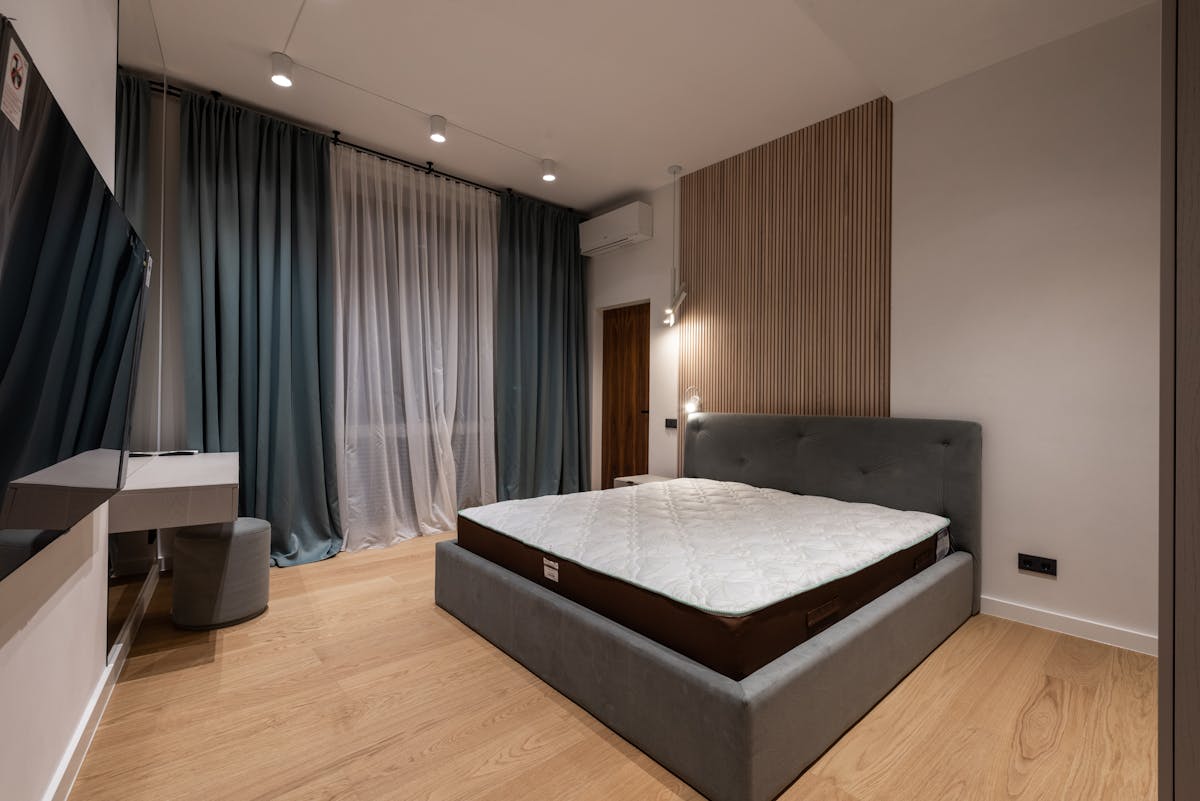
Small, intentional details: one lamp, one book, one plant. Clutter-free doesn’t mean character-free.
Your Cozy Organic Minimalist Bedroom Checklist
Before you accidentally add 14 more pillows to your cart, run through this:
- ☐ Calm, desaturated color palette (oat, sand, ivory, greige).
- ☐ Low-profile bed with soft edges and light or medium wood.
- ☐ Layered bedding: sheets + duvet + textured throw.
- ☐ 5–6 pillows total, max (your back will thank you).
- ☐ Natural fiber rug and light, floaty curtains.
- ☐ 1–2 large art pieces, not a cluttered gallery wall.
- ☐ Warm, layered lighting—no lone harsh ceiling light.
- ☐ Hidden storage for the “real life” items you still need.
- ☐ A weekly 10-minute reset to keep the calm going.
Cozy organic minimalism isn’t about having less just to prove a point—it’s about making space for rest, calm, and a bedroom that doesn’t silently judge you. With a few smart swaps and some intentional styling, your room can feel like a spa retreat, even if it’s technically also your office, yoga studio, and occasional snack zone.
And if anyone asks why you’re suddenly so serene, just smile mysteriously and say, “It’s my bedroom. We’re in a healthy relationship now.”
