
World Cup 2026 on BBC: Scotland’s Long-Awaited Return and England’s Group-Stage Drama
World Cup 2026: BBC TV Schedule Confirmed with Scotland and England Group Fixtures
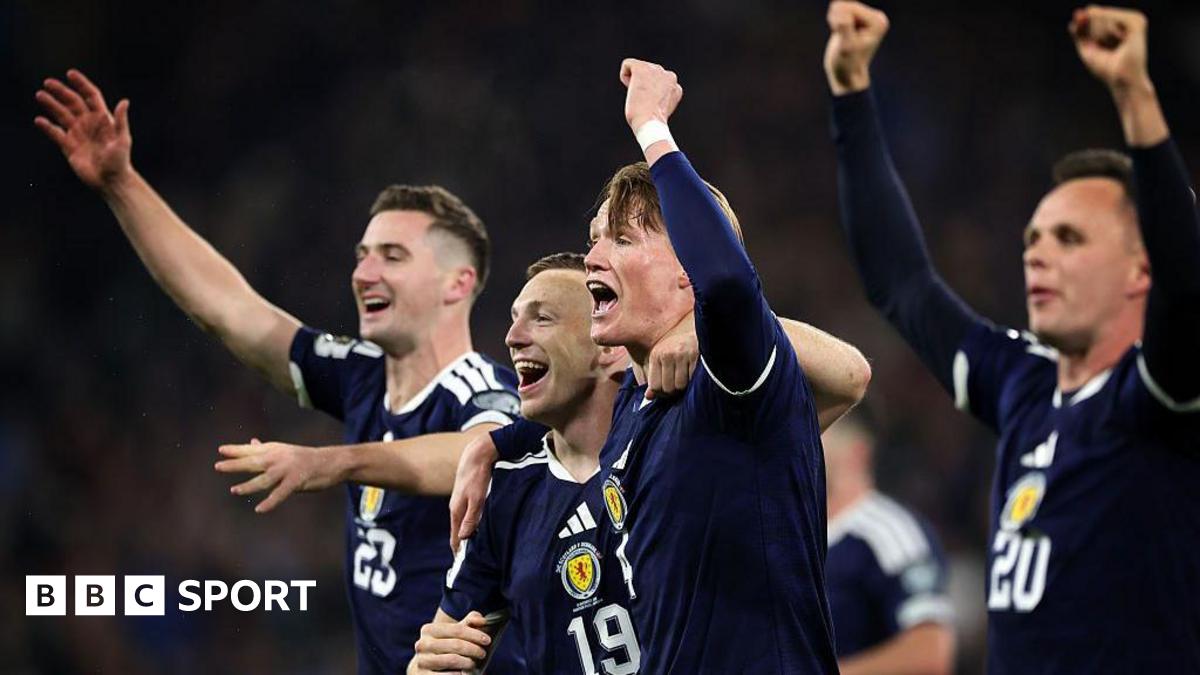
The World Cup 2026 broadcast picture is coming into sharp focus, and UK football fans now know exactly when they can watch Scotland’s long-awaited return to the world stage and England’s early test against Ghana. The BBC has confirmed a rich slate of live group-stage coverage, headlined by Scotland’s opener against Haiti on 14 June, their glamour tie against Brazil, and England’s group clash with Ghana, with additional matches shared across the schedule in partnership with ITV.
Shared rights mean the BBC and ITV will again split live games, providing wall-to-wall coverage for fans following every kick from North America. With late-night and prime-time windows in BST, the schedule is tailored for UK audiences ready to live and breathe World Cup football all summer.
Confirmed Early World Cup 2026 TV Schedule (BST)
The opening rounds already offer a taste of the tournament’s global spread, from North America to Asia and Africa. The BBC and ITV have confirmed the following early fixtures and channels, with more announcements to follow as the tournament approaches:
| Date | Fixture | Kick-off | Channel |
|---|---|---|---|
| 11 June | Mexico v South Africa | 20:00 | ITV |
| 12 June | South Korea v play-off D | 03:00 | ITV |
| 12 June | Canada v play-off A | 20:00 | BBC |
| 13 June | USA v Paraguay | 02:00 | BBC |
| 14 June | Scotland v Haiti | TBC | BBC |
| Group Stage | Scotland v Brazil | TBC | BBC |
| Group Stage | England v Ghana | TBC | BBC |
Times for several fixtures, including Scotland’s clashes with Haiti and Brazil and England’s meeting with Ghana, will be finalised closer to the tournament, once FIFA locks in venue allocations and local kick-off slots.
Scotland’s First World Cup Since 1998: A Nation Switches Back On

For Scotland, this is more than a tournament; it is a homecoming. Their group opener against Haiti on 14 June will be their first World Cup finals match since France 1998, when names like John Collins and Craig Burley were carrying the Tartan Army’s hopes.
Haiti, on paper, is Scotland’s most winnable group game, and the BBC’s decision to show it live recognises the moment’s national significance. Victory there would set up their closing group match against Brazil as potentially the biggest Scotland fixture in a generation.
“To lead Scotland out at a World Cup after all these years would be a dream. But we’re not going there just to make up the numbers.” — Scotland squad member, speaking earlier in qualifying.
- Last World Cup appearance: 1998 group stage
- World Cup wins in history: 2 (from eight finals appearances)
- Best historical performance: Group stage (never reached knockouts)
The BBC’s coverage will lean heavily into that narrative: can this group become the first Scottish side ever to escape a World Cup group?
Scotland v Brazil on the BBC: Glamour Tie with Real Stakes
A Scotland–Brazil match at a World Cup feels like pure nostalgia, but in 2026 it could carry far more than romantic value. Scheduled as Scotland’s final group fixture and selected for BBC broadcast, it has all the ingredients of a decisive, must-watch occasion.
Brazil are perennial contenders, historically averaging around two goals per game at World Cups across multiple tournaments. Scotland, meanwhile, have often struggled against top-tier opposition on this stage, but recent European Championship qualifiers have shown they can disrupt possession-heavy sides with a compact mid-block and quick transitions.
- Key tactical question: Can Scotland’s defensive shape limit Brazil’s wide threats?
- Set-piece edge: Scotland’s height and delivery give them a route to goal even when out-possessed.
- Psychological factor: If progression hinges on this game, pressure could shift onto heavily favoured Brazil.
Expect the BBC build-up to frame this not just as a glamour tie, but as a genuine opportunity for Scotland to rewrite their World Cup narrative.
England v Ghana: BBC Showpiece with Knockout Intensity

England’s group match against Ghana, also on the BBC, is one of the standout intercontinental contests of the first phase. Ghanaian sides traditionally blend technical ability with sheer athletic power, and their record in World Cups and AFCON suggests they are rarely intimidated by big-name opponents.
England’s recent tournaments have been defined by solid group-stage performances, with conservative shapes giving way to more ambition in knockout rounds. Against Ghana, they may need to manage tempo carefully, using controlled possession to limit transition moments where Ghana thrive.
| Team | Typical Strength | Potential Weakness |
|---|---|---|
| England | Structured build-up, set-piece threat, squad depth | Occasional caution in big moments, vulnerability to quick counters |
| Ghana | Explosive transitions, aggressive pressing, technical midfielders | Defensive concentration at set plays, game management late on |
“We know what African teams bring at World Cups: intensity, skill, and belief. Ghana will be no different.” — England coaching staff member, speaking on future tournament challenges.
As group dynamics unfold, this match could determine who tops the pool, which in turn shapes the entire knockout path. In front of a prime-time BBC audience, England’s performance will be scrutinised for signs of genuine title credentials.
Mexico, USA, Canada and South Korea: Global Storylines from the First Whistle

Beyond the Home Nations, the confirmed schedule highlights how broad the early narrative will be:
- Mexico v South Africa (ITV): A co-host stepping into the spotlight, with Mexican stadiums expected to deliver a ferocious atmosphere.
- South Korea v play-off D (ITV): A testing 03:00 BST slot for UK fans, but an intriguing look at a tactically disciplined Asian powerhouse.
- Canada v play-off A (BBC): A chance to assess how far the co-hosts have progressed with their emerging core of talent.
- USA v Paraguay (BBC): A measuring stick for a US side increasingly ambitious on home soil against South American opposition.
These fixtures will help set early expectations: which co-host is most prepared, which dark horses are emerging, and which traditional powers look vulnerable.
BBC & ITV Coverage: Fan Experience, Accessibility and Digital Options
The BBC’s World Cup offering is expected to go far beyond traditional linear broadcasts. Viewers can anticipate full integration with BBC iPlayer, live radio commentary via BBC Sounds, and extensive online coverage including live text, in-depth analysis, and highlights packages, all designed to be accessible across devices.
Both the BBC and ITV have strengthened their commitment to accessibility, typically offering:
- Subtitling for live matches and highlight shows
- Audio description options where available
- Accessible digital platforms designed around WCAG guidelines
Combined, their coverage ensures that whether fans are following Scotland, England, or the wider tournament storylines, they can do so in a way that suits their needs and schedules.
For official schedules and any late changes, supporters should refer to: FIFA.com, BBC Sport Football and ITV Sport.
What the Schedule Tells Us About World Cup 2026 — And What Comes Next

The BBC’s early selections are a clear statement of intent. Scotland’s emotional return, a heavyweight showdown with Brazil, and England’s high-stakes meeting with Ghana are all matches loaded with narrative and competitive tension — ideal centrepieces for a national broadcast.
Informed early predictions, based on recent tournament data and squad trajectories, would lean towards:
- Scotland targeting four points as a realistic benchmark for a historic last-16 push.
- Brazil as group favourites but potentially tested by organised European opposition.
- England expected to progress, but with their ceiling dictated by how they handle dynamic sides like Ghana.
- Co-hosts Mexico, USA and Canada using home conditions and crowd energy to push deep into the tournament.
As more fixtures and broadcast details are confirmed, one question looms over the summer of 2026 for fans in Scotland and England alike: will this be remembered as the World Cup where their national sides simply returned and competed — or the one where they truly contended?
With the TV schedule now taking shape and anticipation building, the countdown is on. The stage is set; all that remains is for the players to deliver.
