
Why Your Feed Feels Broken: Streaming, Podcasts, and the Fragmented Future of Digital Media
This article unpacks how streaming, podcasts, and recommendation algorithms are converging, why subscription fatigue and changing ad markets are forcing new business models, and what this means for creators, advertisers, and audiences over the next decade.
Mission Overview: How Digital Media Reached Its Fragmented Future
In 2025, digital media is defined by a paradox: unprecedented consolidation of power among a small number of platforms and unprecedented fragmentation of content across countless shows, channels, and feeds. Video streamers, podcast networks, and digital publishers are simultaneously cutting costs, raising prices, and experimenting with AI-enhanced personalization to keep users subscribed in a saturated market.
Outlets such as The Verge, Wired, Recode, and TechCrunch chronicle this transition almost daily: strategic price hikes, ad-supported tiers, content bundles, and the extension of AI into both recommendation and production pipelines. What used to be “just Netflix and YouTube” is now a dense web of subscription apps, smart‑TV hubs, podcast feeds, and social video streams.
At the same time, creators are less dependent on any single platform but more vulnerable to algorithmic swings and policy changes. The result is a complex ecosystem where infrastructure is highly centralized, while culture and content are distributed, niche, and constantly in motion.
The 2025 Digital Media Landscape: Consolidation Meets Fragmentation
The dominant theme of 2025 is structural tension. A few tech and media conglomerates own distribution pipes, data infrastructure, and operating systems. Yet audiences experience digital media as an infinite scroll of highly personalized fragments: 20‑second TikToks, 30‑second YouTube Shorts, 30‑minute podcasts, and 8‑episode streaming seasons.
Consolidation shows up in:
- Huge mergers and licensing deals between studios and streaming platforms.
- Hardware–software bundles (smart TVs, game consoles, phones with preloaded services).
- Advertising “walled gardens” where a few companies control first‑party data at scale.
Fragmentation shows up in:
- Thousands of mid‑tier and niche podcasts, newsletters, and channels sustained by memberships or direct sponsorships.
- Multi‑platform release strategies where a single episode becomes a podcast, a YouTube upload, shorts, and social clips.
- Localized and language‑specific feeds made possible by AI dubbing and auto‑transcription.
“We’re exiting the era of the one‑stop shop platform and entering an era of media meshes—interlocking ecosystems where content, commerce, and community blur together.”
Video Streaming and Subscription Fatigue
Video streaming platforms in 2025 face their most serious challenge since the cord‑cutting revolution: subscription fatigue. With households juggling multiple services—often across TV, film, live sports, and anime—cancellations and churn have become central performance metrics.
Price Hikes, Ad Tiers, and Bundles
Many major platforms have raised prices while introducing ad‑supported tiers. The logic is straightforward: extract more from high‑engagement users and recapture price‑sensitive users with cheaper, ad‑heavy plans. Recode and TechCrunch have reported on a second wave of “re‑bundling,” reminiscent of the old cable model, in which:
- Telecom carriers bundle multiple streamers with mobile or broadband plans.
- Device manufacturers integrate trial or discounted subscriptions into smart‑TV OS interfaces.
- Big tech platforms offer “super bundles” mixing video, music, games, and cloud storage.
This bundling not only lowers perceived costs for consumers but also anchors people inside a single discovery interface—an advantage in a world where attention is the scarce resource.
Negotiations Behind the Screen
Deals between studios, distributors, and device makers hinge on three issues:
- Revenue share: How subscription and ad revenue gets divided between rights holders and platforms.
- Data access: Who controls engagement, demographic, and behavioral data.
- Prominence: Placement in recommendation rails, voice‑assistant responses, and smart‑TV menus.
“In the streaming wars, the home screen is beachfront property. Whoever owns the interface owns the relationship with the viewer.”
Podcasts and Spoken‑Word Audio: From Land Grab to Sustainability
The podcast boom of the early 2020s was marked by nine‑figure exclusive deals and celebrity talk shows. By 2024–2025, that land‑grab era has given way to a sober focus on profitability and retention. Spotify, Apple Podcasts, YouTube, and independent networks are optimizing catalogs, pruning under‑performing shows, and refining monetization.
Dynamic Ads, Subscriptions, and Hybrid Monetization
Instead of relying solely on baked‑in host‑read ads, platforms increasingly use:
- Dynamic ad insertion that tailors spots based on geography, device, and listening history.
- Subscription layers with ad‑free or bonus episodes for paying members.
- Cross‑platform sponsorships where brands commission both audio spots and short‑form video clips.
YouTube’s expansion into podcasting—surfacing long‑form talk shows and auto‑generating RSS feeds—has blurred the line between “podcast” and “video show.” Creators are following the audience: many now publish:
- Full episodes via RSS for traditional podcast apps.
- Video versions on YouTube for algorithmic discovery.
- Micro‑clips on TikTok, Instagram Reels, and YouTube Shorts for virality.
- Live Q&As via social audio or streaming platforms for community engagement.
“Podcasting in 2025 isn’t ‘just audio’—it’s a multi‑format relationship between creators and fans that happens to start in the ears.”
Technology: AI‑Enhanced Personalization and Production
Artificial intelligence has become the invisible backbone of modern media platforms. From what appears in your “Up Next” queue to how quickly a creator can turn around a multilingual episode, AI systems now sit in the loop of nearly every stage of the content lifecycle.
AI‑Driven Recommendation Engines
Recommendation systems in 2025 combine:
- Behavioral data (watch time, skips, rewinds, listening completion).
- Content understanding via transformer models that digest transcripts, thumbnails, and descriptions.
- Context signals such as time of day, device type, network quality, and inferred mood.
Many platforms now blend different media types in the same feed. For example:
- A commute playlist that interleaves music tracks with short news briefings.
- A personalized “lean‑back” TV channel that mixes series episodes, trailers, and creator videos.
- Adaptive podcast queues that prioritize shorter content when the user’s average session length drops.
Generative AI in the Production Pipeline
Generative AI tools—text, audio, and video—are speeding up workflows:
- Auto‑editing and highlights: ML models detect key segments and assemble short clips for social media.
- Transcription and captions: Whisper‑like models generate accurate subtitles and multilingual transcripts.
- Language dubbing: Voice‑cloning enables creators to release episodes in several languages without re‑recording.
- Synthetic hosts and voices: Experimental shows use AI avatars or “virtual co‑hosts” for commentary or summaries.
“AI isn’t replacing storytellers so much as compressing the distance between an idea and a finished product. The risk is that it also compresses our tolerance for nuance and slowness.”
Authenticity, Transparency, and Creative Labor
As AI‑generated content proliferates, debates around authenticity and labor have intensified in tech circles and communities such as Hacker News and r/technology. Listeners and viewers often cannot tell whether a voice is synthetic, whether a script was AI‑drafted, or whether a thumbnail is AI‑generated.
Disclosure and Trust
Emerging norms and proposed regulations push for:
- Clear on‑screen or in‑episode disclosure when synthetic voices or deepfakes are used.
- Metadata tags indicating AI involvement for platforms and regulators.
- Platform‑level controls to filter or label AI‑heavy content.
Creators adopting AI tools face a balancing act: leverage automation for speed and accessibility without eroding the human voice that audiences connect with.
Impact on Creative Work
AI’s encroachment on tasks such as script drafting, editing, and localization poses economic and ethical questions:
- Will smaller teams be able to compete more easily with big studios?
- Or will AI mainly empower large platforms that already control distribution and data?
- How are unions, guilds, and creator collectives negotiating AI usage clauses?
“In media, AI is less about fully automated creativity and more about power. Who owns the tools, who owns the models, and who gets paid for the data?” — Media scholar quoted in LinkedIn think‑piece discussions
Advertising, Privacy, and the Rise of Walled Gardens
Privacy regulations (GDPR, CCPA, and emerging U.S. state laws) and platform policy changes have restricted third‑party cookies and app tracking. In response, major streaming and podcast platforms are doubling down on first‑party data—what you stream, for how long, at what time, and on which device.
From Third‑Party to First‑Party Data
Recode’s analysis shows that this shift favors large platforms with:
- Logged‑in users across multiple devices.
- Rich engagement graphs (likes, skips, completions, shares).
- Payment data via subscriptions and in‑app purchases.
Advertisers increasingly book campaigns inside these “walled gardens,” where measurement is platform‑controlled, rather than open‑web display networks. Independent publishers lose some autonomy as they become reliant on a few distribution channels for both traffic and monetization.
Contextual and Cohort‑Based Targeting
To reconcile privacy with relevance, platforms are moving toward:
- Contextual targeting based on topic, genre, and language rather than identity.
- Cohort‑based targeting where users are grouped into interest segments without exposing individual profiles.
- On‑device learning so models adapt to user behavior without exporting raw data to servers.
“We’re watching the slow death of the open ad web and the rise of vertically integrated attention stacks.”
Niche Creators, Direct Monetization, and Community Power
Amid consolidation at the infrastructure level, the creator layer has never been more diverse. Niche podcasts, commentary channels, newsletter‑driven shows, and regional creators are thriving in specific categories such as productivity, deep‑dive tech analysis, or non‑English markets.
Membership and Direct Support
Many creators now rely on:
- Membership platforms (Patreon, Memberful, Substack) for recurring revenue.
- Direct brand sponsorships, often negotiated without intermediaries.
- Community‑driven funding via live streams, tipping, or paid chat features.
This diversification reduces dependence on platform ad revenue but creates new operational challenges (billing, tax, community moderation).
Tools for Indie Production
Hardware and software costs for production have fallen. For example, aspiring podcasters and streamers often combine:
- A USB microphone such as the Blue Yeti USB Microphone for studio‑quality audio.
- Closed‑back monitoring headphones like the Audio‑Technica ATH‑M50x.
- Compact audio interfaces or recorders, such as the Zoom PodTrak P4 Podcast Recorder, to capture multi‑guest conversations.
- Free or low‑cost editing tools augmented with AI‑driven noise reduction and leveling.
“The most interesting shows in 2025 are often run by teams of one or two people using commodity gear and cloud tools that didn’t exist five years ago.”
Social Media as Discovery Funnel
TikTok, YouTube, and X (Twitter) in 2025 operate less as destinations and more as discovery funnels. The most successful streaming and podcast brands treat viral clips as top‑of‑funnel marketing that drive users into owned environments: apps, newsletters, premium feeds, or subscription communities.
Multi‑Platform Content Strategies
A typical strategy for a new show might look like:
- Record a 60‑minute episode as both audio and video.
- Publish the full audio to podcast apps, and the full video to YouTube and a streaming app.
- Cut 10–20 short clips optimized for TikTok, Reels, and Shorts.
- Share transcripts and key quotes on LinkedIn and X for professional audiences.
- Host occasional live sessions on Twitch or YouTube to deepen community ties.
The Verge and The Next Web underscore that there is no single dominant platform era anymore; instead, creators stitch together an ecosystem of surfaces that each serve a different part of the audience journey.
Algorithmic Volatility and Risk
The downside is exposure to algorithmic volatility. Changes in recommendation logic, moderation rules, or monetization policies can drastically reduce reach overnight. Resilient creators:
- Build email lists and RSS subscribers as “owned” channels.
- Duplicate their content archives across multiple platforms.
- Prioritize community spaces (Discord, Slack, forums) that are less algorithm‑dependent.
Scientific Significance: Media as a Data‑Rich Social System
For researchers in human–computer interaction, communication, and data science, the 2025 media ecosystem is a massive laboratory. Every interaction—pauses, rewinds, comments, shares—feeds models that try to infer human preferences and attention patterns.
Attention, Engagement, and Well‑Being
Studies in cognitive science and behavioral economics are exploring:
- How short‑form content affects attention span and memory consolidation.
- What types of recommendation loops correlate with anxiety, polarization, or well‑being.
- Whether “time well spent” metrics can be aligned with business incentives.
Work published in venues like ACM CSCW and npj Digital Medicine investigates how algorithmic feeds shape public discourse and health behaviors.
Cross‑Media Personalization
A frontier area is cross‑media personalization, where systems learn from one domain (music) to predict interest in another (podcasts, audiobooks, or video essays). This raises technical questions about representation learning and ethical questions about pervasive profiling.
Key Milestones in the Evolution of Streaming and Podcasts
The current landscape is the result of compounding shifts over more than a decade. Some important milestones include:
Major Turning Points
- 2010s: Netflix, Hulu, and early Spotify popularize subscription streaming; podcasting remains niche but growing.
- 2016–2019: Explosive growth of true‑crime and talk podcasts; smart speakers normalize voice‑driven listening.
- 2020–2022: Pandemic accelerates streaming adoption; platforms sign exclusive deals and celebrity shows.
- 2023–2024: Ad markets tighten; price hikes and ad‑tiers roll out; AI tools mature for production and recommendations.
- 2025: Consolidation among platforms, fragmentation among creators, and early regulation debates on AI transparency and data usage.
Each milestone tightened the feedback loop between user behavior, algorithmic curation, and content investment decisions.
Challenges and Risks in the Fragmented Future
While innovation is flourishing, the current trajectory raises several systemic risks.
Economic and Structural Challenges
- Revenue concentration: A small number of platforms capture the majority of ad dollars and subscription revenue.
- Creator precarity: Mid‑tier creators face volatile income, platform dependency, and burnout.
- Global inequalities: Access to monetization tools and high‑paying advertisers is uneven across regions and languages.
Information Quality and Misinformation
Fast‑moving, recommendation‑driven environments can amplify:
- Sensational or polarizing content that “hooks” engagement.
- Low‑quality or AI‑generated misinformation at scale.
- Echo chambers, where users rarely encounter opposing views.
Platforms are experimenting with fact‑checking partnerships, downranking of repeat offenders, and information literacy campaigns. However, these approaches remain contested and imperfect.
Accessibility and Inclusion
WCAG‑aligned design, robust captioning, high‑contrast interfaces, and keyboard/screen‑reader support are improving access to media. Yet:
- Not all creators provide accurate captions or transcripts.
- AI dubbing can misrepresent tone or cultural nuance.
- Recommendation systems may under‑expose content from marginalized creators.
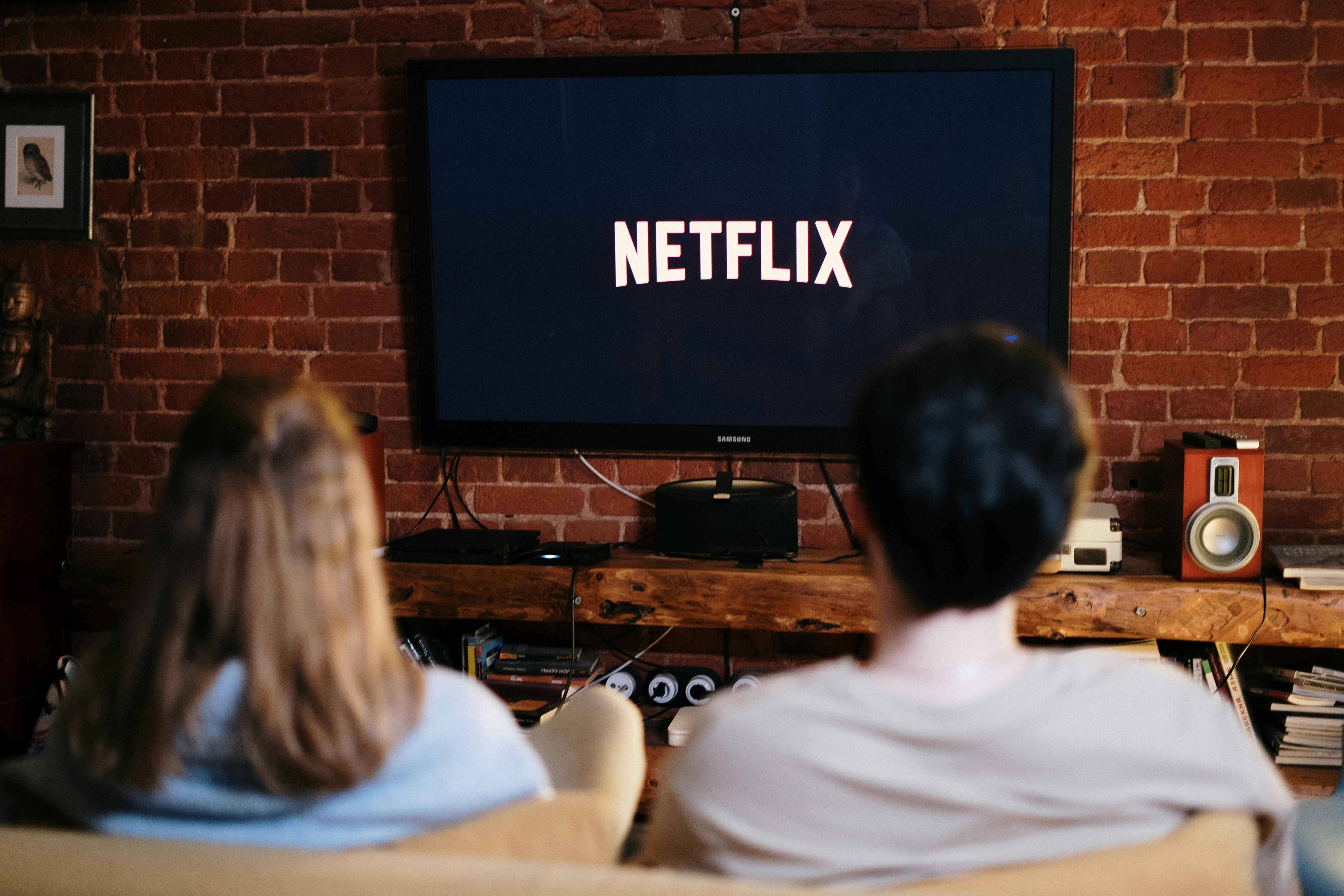
Visual Snapshot of the 2025 Digital Media Ecosystem



Practical Toolkit: How Audiences and Creators Can Navigate 2025 Media
Whether you are a viewer, listener, or creator, you can take deliberate steps to survive—and even thrive—in this fragmented environment.
For Audiences
- Audit your subscriptions every few months; track what you actually use.
- Prefer platforms that offer robust accessibility (captions, transcripts, screen‑reader support).
- Balance algorithmic discovery with curated sources—newsletters, expert recommendations, and libraries.
For Creators
- Own your core audience via email lists or private communities.
- Use AI tools for editing and translation, but maintain a clear human editorial voice.
- Experiment with formats (shorts, live streams, written summaries) without overextending your bandwidth.
- Diversify income: mix ads, memberships, products, and events to reduce platform risk.
Conclusion: Designing for a Mesh, Not a Monolith
Streaming, podcasts, and social video in 2025 form a dynamic, interdependent mesh rather than a single “winner‑takes‑all” system. Profitability pressures push platforms toward bundles, ad‑tiers, and AI‑driven efficiency; creative energy pushes culture outward into niches, communities, and experimental formats.
The systems we build now—recommendation algorithms, monetization models, accessibility standards, and transparency rules—will determine whether this fragmented future remains vibrant and pluralistic or collapses into a handful of tightly controlled attention funnels. Policymakers, technologists, creators, and audiences all have agency in steering that outcome.
For deeper dives into the evolving media landscape, explore long‑form reporting from The Verge on the streaming wars and Wired’s coverage of streaming and AI, or follow analysts and journalists on platforms like LinkedIn and X who specialize in media and technology strategy.
References / Sources
- The Verge – Digital media and streaming coverage
- Wired – AI, streaming, and media industry features
- Recode – Streaming economics and platform strategy
- TechCrunch – Streaming, ad tech, and privacy reporting
- Nieman Lab – Future of news and podcasts
- ACM CSCW – Research on social and collaborative media
- npj Digital Medicine – Digital behavior and health studies
- YouTube – Creator resources and podcasting features
Additional Resources and Future Directions
To stay ahead of the curve, consider following media analysts and technologists who publish regularly on LinkedIn and X, as well as newsletters that track the intersection of AI, media economics, and creator culture. Many also host podcasts or YouTube channels where they unpack the latest policy changes, algorithm updates, and monetization experiments.
For a practical introduction to recommendation systems and AI ethics behind today’s media platforms, you can watch university lectures and conference talks on YouTube from institutions like MIT CSAIL and Stanford Online. These resources provide a more technical lens on how the feeds shaping our cultural lives are designed.
Ultimately, understanding the fragmented future of digital media is not just a matter of following industry news; it is about recognizing how interfaces, incentives, and algorithms co‑create our informational environment—and choosing, as much as possible, to participate in it deliberately.
