
Why Ultra-Fast ‘No-Excuse’ Home Workouts Are Dominating Fitness in 2025
Executive Summary: The Rise of Ultra-Fast, No‑Excuse Home Workouts
Ultra-fast, equipment-free home workouts of 5–15 minutes are exploding across TikTok, Instagram Reels, and YouTube Shorts, offering busy people simple, “no‑excuse” routines they can do in their living rooms. These highly edited, timer-driven videos prioritize bodyweight movements, zero setup, and intense but brief effort, matching modern attention spans and time constraints.
This piece breaks down why these routines have gone viral, how they’re structured, who benefits most, and where their limits lie. You’ll learn how to build safe and effective short workouts, how to progress over time, and how to combine “snackable” sessions into a sustainable, habit-driven fitness strategy that fits around work, study, and family life.
What Are Ultra‑Fast ‘No‑Excuse’ Home Workouts?
Ultra-fast home workouts are short, high-efficiency routines—typically 5–15 minutes—that require little to no equipment and minimal space. They commonly appear as vertical videos branded with bold titles like “10 MIN FULL BODY—NO EQUIPMENT” or “7 MIN FAT BURN AT HOME.”
The core ingredients are:
- Bodyweight movements (squats, push‑ups, planks, lunges, burpees, mountain climbers).
- On‑screen timers, rep counters, and rest clocks for easy follow‑along.
- Fast-paced cuts, energetic music, and motivating captions to hold attention.
- No or minimal equipment, often limited to a mat, chair, or wall.
These routines aim to lower friction: no commute, no setup, and no long time block required—just hit play and move.
Common Formats and Target Audiences
While the umbrella concept is simple—short, intense, equipment-free movement—the ecosystem has quickly specialized by audience, constraints, and goals.
Popular Workout Formats
| Format | Typical Duration | Features |
|---|---|---|
| Time‑based HIIT circuits | 7–15 minutes | Work/rest intervals (e.g., 30s on / 15s off), full‑body, high heart rate. |
| Rep‑based challenges | 5–12 minutes | Complete fixed reps as fast as possible; strong gamification and “beat your time” framing. |
| Silent / low‑impact | 8–15 minutes | No jumping, controlled tempo; designed for apartments and joint‑friendly training. |
| Chair or desk workouts | 5–10 minutes | Chair-assisted strength and mobility; caters to office workers, seniors, and limited mobility. |
| Mobility & recovery flows | 5–12 minutes | Dynamic stretches, joint circles, breathing; positioned as “reset” or “study break” sessions. |
Segmented by Lifestyle and Needs
- Office workers: Back‑pain relief, posture resets, “every hour move” routines.
- Students: Study-break energizers tailored to cramped dorm rooms.
- New parents: Nap‑time workouts with baby-safe modifications.
- Beginners: Low-impact, slower pace, and frequent cues on form.
- Advanced athletes: Short HIIT finishers or conditioning add‑ons to longer plans.
Why These Workouts Are Dominating Social Platforms
Several post‑pandemic and platform-level dynamics intersect to make ultra-fast home workouts a near‑perfect fit for 2025’s digital environment.
1. Post‑Pandemic Comfort With Home Fitness
After COVID‑19, many people invested in basic home fitness setups and discovered the convenience of not commuting to a gym. However, long, complex routines became a new friction point. Short sessions dramatically reduce this “activation energy,” making it easier to start.
2. Algorithmic Preference for Snackable Content
TikTok, Instagram Reels, and YouTube Shorts prioritize:
- Video completion rate (viewers watch to the end).
- Quick engagement (likes, saves, comments, shares).
- Repeat viewing and replays.
A 7‑minute follow‑along with an on‑screen timer effectively “locks in” attention—the viewer either completes it or abandons it quickly, providing a strong signal to the algorithm. High completion rates then amplify reach, which pushes more creators to adopt this compact format.

3. Psychological Appeal: “Check the Box” Fitness
Many users don’t aim for athletic excellence—they want to “not feel guilty” about skipping exercise. Ultra-short sessions directly address this:
- They feel achievable even on busy days.
- They support habit-building: “I never miss two days in a row.”
- They align with the growing focus on mental health and stress relief through movement.
Consistent 10‑minute efforts often beat sporadic 60‑minute hero workouts when the goal is building long‑term adherence.
Community, Accountability, and Engagement Loops
The comment sections under these videos often serve as micro‑communities and accountability logs. People post:
- “Day 14: done—legs less sore now!”
- “Can you make a version for bad knees?”
- “Did this during my lunch break, thanks!”
Creators who reply with modifications or progressions (e.g., beginner, intermediate, advanced versions) deepen engagement and loyalty. Users feel “seen,” which increases the likelihood they’ll return tomorrow and keep logging their progress.
Do 5–15 Minute Workouts Actually Work?
The key question is not whether these routines are trendy, but whether they meaningfully contribute to health and fitness. The answer is nuanced and depends heavily on your goals and current activity level.
For Sedentary or Beginner Populations
For people doing almost nothing currently, 5–15 minutes of daily movement can deliver noticeable gains in:
- Cardiovascular fitness (reduced breathlessness during daily tasks).
- Joint mobility and reduced stiffness, especially in hips and back.
- Energy, mood, and sleep quality.
Research on high‑intensity interval training (HIIT) and “exercise snacking” supports the idea that short bouts can be sufficient to improve cardiorespiratory fitness when performed with effort and consistency.
Where Short Workouts Fall Short
For advanced goals, ultra-fast routines are more limited:
- Muscle hypertrophy: Building substantial muscle usually requires progressive overload and sufficient volume that can be difficult to achieve in 5–10 minutes without added resistance.
- High-level conditioning: Athletes often need longer, structured sessions for sport-specific conditioning and skill practice.
- Total weekly volume: To meet or exceed global health recommendations (e.g., 150–300 minutes of moderate activity per week), 5 minutes alone may not be enough unless supplemented by other movement.
How to Use Ultra‑Fast Workouts Effectively
You can treat these routines as an entry point, a maintenance tool, or one piece of a more comprehensive training plan. The key is to be deliberate about how you deploy them.
1. Pair Short Workouts With Clear Goals
Decide what role 5–15 minute sessions will play:
- Gateway habit: One daily 10-minute routine to build consistency and confidence.
- Baseline maintenance: Keep moving during stressful life phases when longer workouts aren’t realistic.
- Supplement: Add short HIIT, mobility, or core blocks around 2–3 longer weekly strength sessions.
2. Structure a Simple 10‑Minute Full‑Body Template
Here’s an example of a structured, no‑equipment template you can follow:
- Warm‑up (2 minutes): March in place, arm circles, hip circles, gentle squats.
- Circuit (7 minutes): 30s work / 15s rest x 7 rounds:
- Bodyweight squats
- Incline push‑ups (hands on table or wall)
- Glute bridges
- Reverse lunges
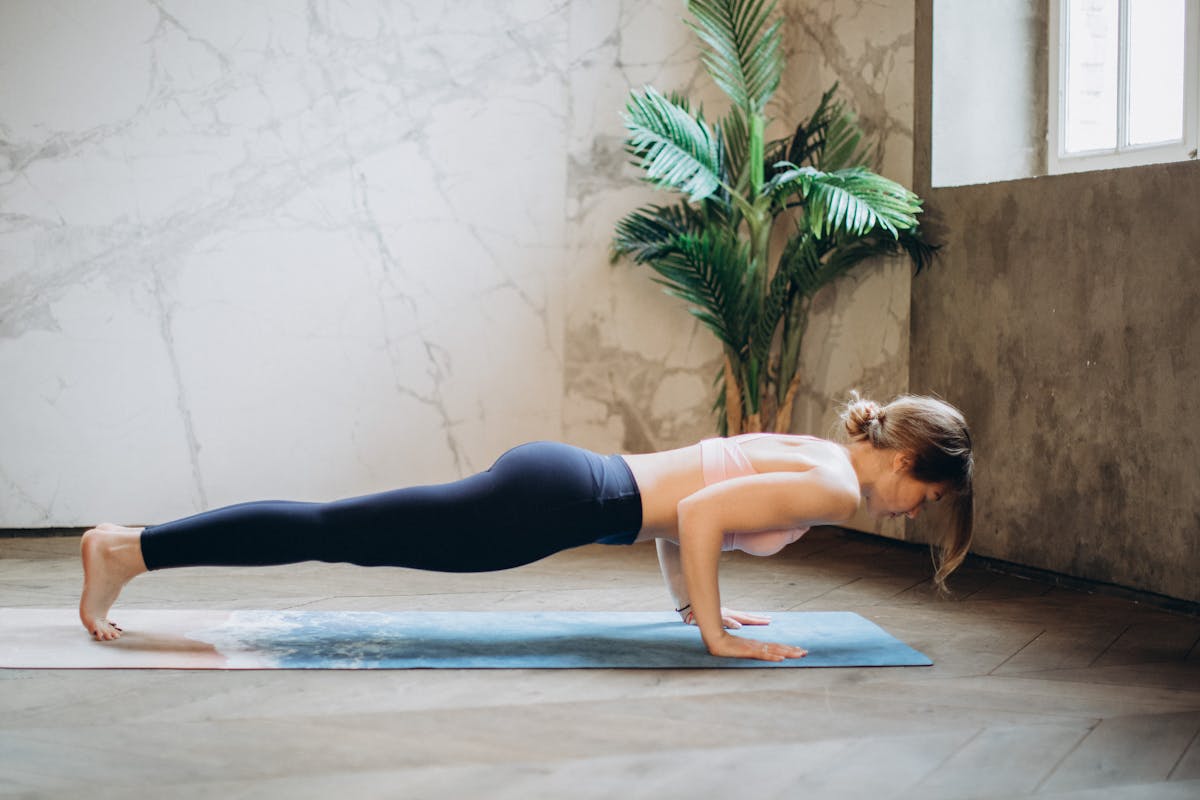
- Plank (knees down or full)
- Standing knee drives or low‑impact mountain climbers
- Dead bug or bird‑dog for core stability
- Cool‑down (1 minute): Deep breathing, light stretching for hips, chest, and shoulders.
3. Progress Over Time
To keep adapting, gradually adjust:
- Duration: Move from 5 to 10 to 15 minutes as your capacity grows.
- Intensity: Use faster tempo, deeper range of motion, or shorter rest intervals.
- Complexity: Upgrade exercises (e.g., from knee push‑ups to full push‑ups to decline push‑ups).
Risks, Limitations, and How to Stay Safe
The viral nature of no‑excuse workouts can encourage some less‑than‑ideal behaviors: pushing through pain, skipping warm‑ups, or seeing them as miracle “quick fixes.” To use them wisely, keep the following in mind.
Common Pitfalls
- Form sacrificed for speed: Racing a timer can turn squats and push‑ups into joint‑stressful flailing.
- Ignoring pain signals: Persistent joint pain, dizziness, or chest discomfort are red flags, not badges of honor.
- Overestimating results: No 7‑minute clip can fully replace solid strength training, sleep, and nutrition.
Safety Guidelines
- Start with low‑impact options and slower tempo if you’re new or returning after a break.
- Use a stable surface (non‑slip mat, clear floor space) and supportive footwear if needed.
- Stop or modify movements that cause pain, especially in knees, lower back, or shoulders.
- Consult a healthcare professional if you have pre‑existing conditions or concerns before starting higher-intensity routines.
Strategic Ways to Integrate No‑Excuse Workouts Into Your Week
The most powerful use of ultra-fast routines is as modular building blocks within a broader weekly movement strategy.
Sample Weekly Frameworks
| Profile | Weekly Strategy | Goal |
|---|---|---|
| Busy beginner | 7×10-minute full‑body circuits at home. | Build a daily habit and basic cardio/strength base. |
| Desk worker | 3×10-minute mobility/ posture sessions + 2×15-minute strength circuits. | Reduce stiffness and improve posture while increasing weekly activity. |
| Intermediate trainee | 2–3 longer gym or home strength sessions + 3–4×8-minute HIIT home finishers. | Boost conditioning and calorie expenditure without adding long cardio days. |
| New parent | 5×7–10-minute low-impact, nap‑time friendly routines. | Maintain strength, mobility, and mental health during a demanding life stage. |
The Future of No‑Excuse Fitness Content
As algorithms, wearables, and consumer expectations continue to evolve, ultra-fast home workouts are likely to integrate more:
- Personalization: Adaptive routines auto‑tuned to your energy level, past sessions, or wearable data.
- Progress tracking: In‑app calendars, streaks, and “level up” paths attached to daily micro‑workouts.
- Hybrid models: Mix of live and on‑demand short sessions with coach interaction for higher accountability.
- Accessibility focus: More content designed for different bodies, abilities, and ages, with clear modifications.
The core trend—efficient, equipment‑free, and psychologically approachable workouts—aligns with how people live and consume media in 2025. While they are not a magic shortcut, they are a powerful tool for reducing barriers and making movement a realistic, daily habit.
Key Takeaways and Next Steps
To get the most from ultra-fast, no‑excuse home workouts:
- Treat them as a gateway and backbone habit, not a miracle fix.
- Choose routines that match your current level and avoid pain, not just those with the flashiest titles.
- Stack short sessions across the week to reach meaningful total activity time.
- Prioritize technique over speed, especially with high‑impact moves like burpees and jump squats.
- Use community and streak tracking to stay consistent, but listen to your body and rest when needed.
The most effective routine is the one you can sustain. If a 10‑minute living‑room workout helps you move daily, it’s a powerful foundation—one you can always build on with longer strength, cardio, or sport-specific training as your capacity and schedule allow.
