
Why This Popular Painkiller May Be Doing More Harm Than Good
If you live with chronic pain, there’s a good chance you’ve either taken tramadol or had it suggested to you as a “safer” opioid. For years it was marketed as a kind of middle ground—stronger than over‑the‑counter options, but supposedly gentler than traditional opioids.
New research reviewed by scientists and reported in outlets like SciTechDaily, however, is painting a different picture: tramadol may provide only minimal pain relief for many people while potentially raising the risk of serious side effects, including heart problems, falls, and dependence. That’s a frustrating message to hear when all you want is to hurt less and function more—but it’s also information that can help you make safer, more informed choices.
In this article, we’ll walk through what the latest evidence says about tramadol, who may be most at risk, and practical, science‑based strategies you can discuss with your healthcare provider. This isn’t about scaring you—it’s about giving you clear, balanced guidance so you can protect your health while still taking your pain seriously.
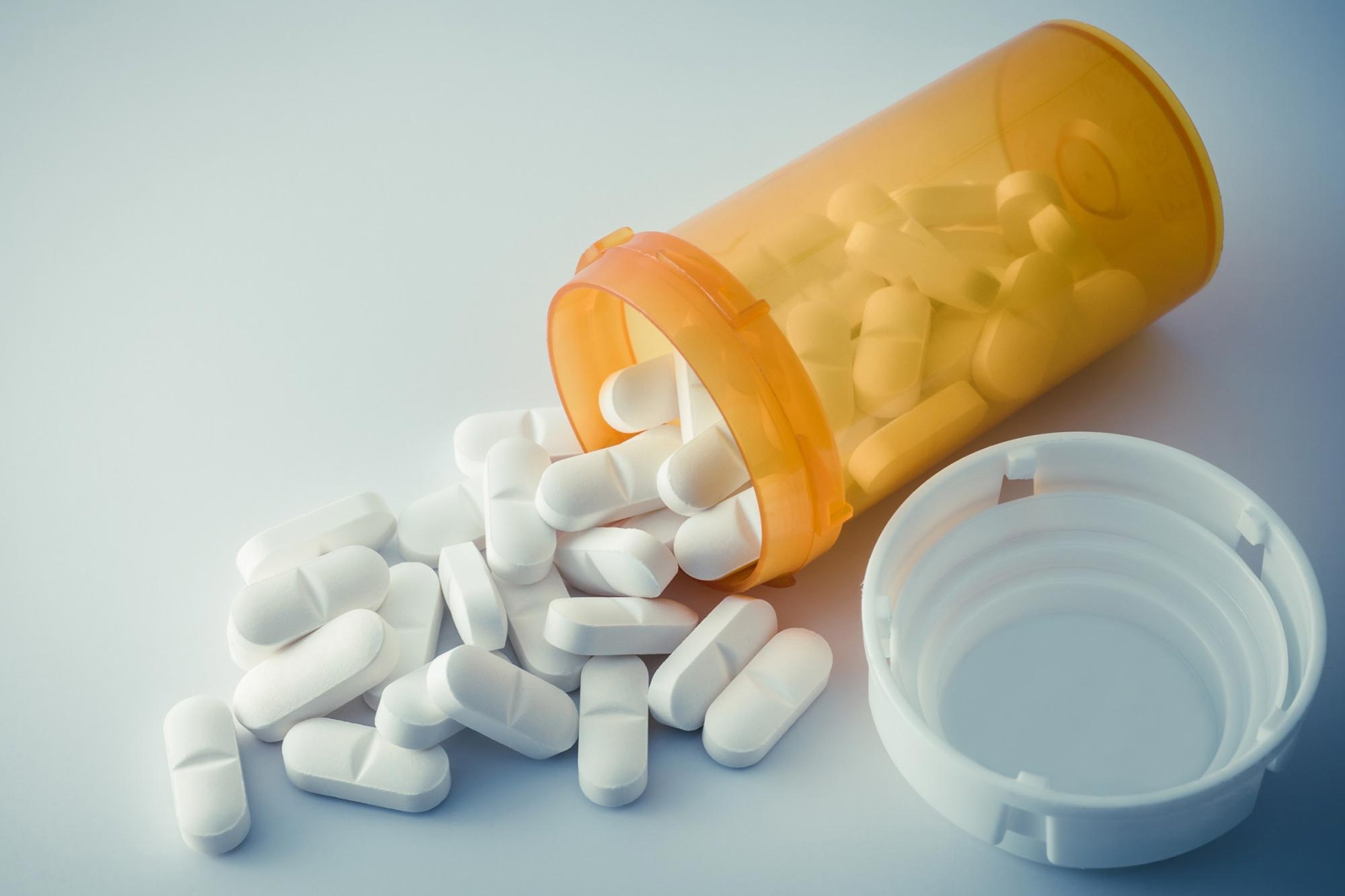
What Are Scientists Saying About Tramadol Now?
A large review of clinical trial and observational data, summarized by SciTechDaily in 2025, has raised concern that tramadol’s potential harms may outweigh its benefits for many people—especially when used long‑term for chronic pain.
- Across many studies, tramadol offered only modest pain relief compared with placebo or non‑opioid pain relievers.
- Risks included heart disease and cardiovascular events, especially in older adults and people with existing heart problems.
- There were signals of increased risk of falls, fractures, dizziness, and confusion, particularly in seniors.
- Like other opioids, tramadol can cause dependence, withdrawal symptoms, and misuse, though its risk profile is somewhat different.
“Tramadol has often been perceived as a ‘safer’ opioid, but the totality of evidence now suggests that, for many patients, the balance of modest pain relief against potentially serious harms is not favorable.”
— Summary of findings from recent tramadol reviews reported in clinical literature
This doesn’t mean tramadol is “bad” for every person or that it should never be used. It does mean that the decision to start—or continue—tramadol deserves a careful, individualized discussion that weighs your specific risks and alternatives.
What Is Tramadol and How Does It Work?
Tramadol is a synthetic opioid analgesic. It works in two main ways:
- Opioid receptor activity: It binds to mu‑opioid receptors in the brain and spinal cord, dampening pain signals.
- Serotonin and norepinephrine effects: It also affects the reuptake of these neurotransmitters, which can alter how pain is processed and perceived.
Because of this dual action, tramadol was thought to be less risky than stronger opioids like morphine or oxycodone. Yet this same mechanism can create complications, especially when combined with other medications that impact serotonin or in people with certain health conditions.
Key Risks Linked to Tramadol
Not everyone will experience these side effects, but understanding them can help you and your clinician weigh the pros and cons. Research has highlighted several areas of concern:
1. Cardiovascular and Heart‑Related Problems
Observational studies have found a higher incidence of heart disease, arrhythmias, and cardiovascular events among some long‑term tramadol users, particularly older adults and those with pre‑existing heart conditions.
- Changes in blood pressure and heart rate can strain the cardiovascular system.
- Interactions with other heart medications may complicate treatment.
2. Falls, Fractures, and Cognitive Effects
Tramadol can cause drowsiness, dizziness, and confusion. For older adults, this can translate into:
- Increased risk of falls and fractures
- Worsening of balance or existing mobility issues
- Episodes of delirium or worsened cognitive impairment in those with dementia
3. Dependence, Tolerance, and Withdrawal
Even though tramadol is sometimes viewed as “mild,” it is still an opioid and can lead to:
- Physical dependence (your body adapts and expects the drug)
- Tolerance (needing higher doses over time for the same effect)
- Withdrawal symptoms if the dose is reduced too quickly or stopped abruptly
4. Serotonin Syndrome and Medication Interactions
Because tramadol affects serotonin, taking it with antidepressants (SSRIs, SNRIs, MAOIs), migraine drugs (triptans), or some herbal supplements (like St. John’s wort) can increase the risk of serotonin syndrome—a rare but potentially life‑threatening condition.
- Symptoms include agitation, sweating, rapid heart rate, tremor, and confusion.
- Immediate medical care is needed if serotonin syndrome is suspected.
How Much Pain Relief Does Tramadol Actually Provide?
The large review highlighted by SciTechDaily suggests that tramadol often provides only small improvements in pain scores for chronic conditions such as osteoarthritis or low back pain—sometimes not enough for patients to notice a meaningful difference in daily life.
- Across studies, average pain reduction with tramadol over placebo was modest.
- Functional gains (like improved walking distance or sleep quality) were also limited.
- Benefits tended to diminish over time as tolerance developed.
This doesn’t mean no one benefits from tramadol. Some people do experience noticeable relief, at least initially. The concern is that, at a population level, the small average benefit may not justify the cumulative risk—especially when safer options may offer comparable relief for many patients.

A Real‑World Story: When “Safer” Didn’t Feel Safer
Consider Maria, a 68‑year‑old retired teacher with knee osteoarthritis. Her doctor suggested tramadol after over‑the‑counter pain relievers weren’t cutting it anymore. For the first few weeks, she noticed a mild decrease in pain—enough to get through grocery shopping without stopping as often.
But as months went on, the benefits faded. Her dose was increased, and she began feeling dizzy and unsteady. One afternoon, she tripped on a small rug, fell, and fractured her wrist. Looking back with her healthcare team, they realized the combination of tramadol, her age, and other medications likely contributed to the fall.
With a gradual taper, she stopped tramadol and shifted to a combination of targeted physiotherapy, weight management, topical NSAIDs, and occasional acetaminophen. Her pain didn’t disappear—but her stability improved, and she felt more in control of her day.
Maria’s experience doesn’t represent everyone’s, but it mirrors what emerging data is suggesting: in many cases of chronic, non‑cancer pain, tramadol’s long‑term payoff may not be worth the risks.
Safer Alternatives and Complementary Strategies for Chronic Pain
Pain is complex, and there is no one‑size‑fits‑all solution. Still, guidelines from organizations like the U.S. CDC and many international pain societies increasingly emphasize a multimodal, mostly non‑opioid approach to chronic pain.
1. Non‑Opioid Medications
- Acetaminophen (paracetamol): Often first‑line for mild to moderate pain, especially when NSAIDs are not appropriate.
- Nonsteroidal anti‑inflammatory drugs (NSAIDs) like ibuprofen or naproxen, when safe for your stomach, kidneys, and heart.
- Topical treatments (diclofenac gel, lidocaine patches, capsaicin cream) that target pain locally with fewer systemic side effects.
- Adjuvant medications (like certain antidepressants or anti‑seizure drugs) for nerve‑related pain, prescribed with careful monitoring.
2. Physical and Movement‑Based Therapies
- Individualized physical therapy and home exercise programs
- Strength and flexibility training to support joints and reduce strain
- Gentle movement practices like yoga, tai chi, or water aerobics
3. Mind‑Body and Lifestyle Approaches
Chronic pain involves the nervous system, emotions, and stress levels—not just tissues and joints.
- Cognitive‑behavioral therapy (CBT) and pain coping skills training
- Mindfulness‑based stress reduction and relaxation techniques
- Improving sleep quality, which can significantly influence pain sensitivity
- Anti‑inflammatory dietary patterns and gradual weight management for joint pain

How to Talk with Your Doctor About Tramadol
If you’re currently taking tramadol—or considering it—open, non‑judgmental communication with your healthcare provider is essential. You are not “difficult” or “ungrateful” for asking questions; you’re being a responsible partner in your care.
Questions You Might Ask
- “Given my age and health conditions, how do you see the risks and benefits of tramadol for me personally?”
- “Are there non‑opioid options we could try or optimize first?”
- “If I stay on tramadol, what’s the lowest effective dose and shortest amount of time we can aim for?”
- “How will we monitor side effects like dizziness, mood changes, or heart issues?”
- “If I ever want to stop, what would a safe tapering plan look like?”

Common Obstacles to Changing Pain Medications—and How to Handle Them
Even when you’re concerned about tramadol’s risks, making a change can feel scary. Many people worry about their pain spiking, losing independence, or not being believed by healthcare providers.
Obstacle 1: Fear of Worse Pain
It’s understandable to fear that reducing or stopping tramadol will leave you helpless. A thoughtful plan can reduce that risk:
- Use a gradual taper, not abrupt stopping.
- Introduce or strengthen other pain tools (topicals, physical therapy, CBT, heat/cold) before and during the taper.
- Track pain and function in a simple diary so you and your clinician can adjust the plan.
Obstacle 2: Limited Access to Alternatives
Not everyone has easy access to specialists or long‑term physical therapy. Still, some options may be more available than you think:
- Ask about group programs or community‑based exercise classes tailored to chronic pain.
- Look for telehealth CBT or pain‑management coaching if in‑person visits are difficult.
- Use evidence‑informed self‑management resources from reputable organizations (arthritis foundations, national health services).
Obstacle 3: Feeling Dismissed or Not Believed
You deserve to have your pain taken seriously, regardless of what medications you do or don’t use. If you feel brushed off:
- Bring a written list of symptoms, goals, and questions to your visit.
- Consider bringing a trusted friend or family member as an advocate.
- If possible, seek a second opinion with a clinician who specializes in pain management.
Before and After: What a Safer Pain Plan Can Look Like
Thinking in terms of a stepwise shift can make change feel more manageable. Here’s an illustrative comparison:

Before
- Daily tramadol at a moderate or high dose
- Minimal use of non‑opioid strategies
- Unpredictable flares, poor sleep, frequent dizziness
After (Example of a Revised Plan)
- Tramadol dose slowly tapered, possibly discontinued or reserved only for short flares
- Regular exercise and physical therapy built into the weekly routine
- Optimized non‑opioid medications and topical treatments
- Better sleep routines and stress‑reduction practices
- Fewer dizzy spells, more stable mobility, similar or improved overall pain levels
Not everyone will reach this exact “after” picture, and setbacks are normal. But many people do find that when they invest in a broader toolkit, their lives feel less controlled by both pain and medications.
What the Research Really Means for You
Large reviews like the one reported by SciTechDaily are powerful because they pool data from many studies, giving us a clearer, big‑picture view. Still, they can’t replace personalized medical advice.
Overall, the emerging consensus is that:
- For many chronic, non‑cancer pain conditions, tramadol’s benefits are modest.
- Risks—including heart problems, falls, and dependence—may be under‑recognized, especially in older or medically complex patients.
- Non‑opioid and non‑drug strategies can often provide similar levels of relief with a safer profile.
You deserve effective pain care that doesn’t trade today’s relief for tomorrow’s complications. The goal isn’t to tough it out—it’s to find the safest combination of tools that genuinely helps you live the life you want.
Taking Your Next Step: A Gentle, Informed Plan
If you’re feeling uneasy about tramadol after reading this, that’s understandable. It can be unsettling to learn that a “trusted” medication may carry more risk than you realized. Remember: you haven’t done anything wrong by following medical advice, and you are allowed to change course when new evidence emerges.
Here are some concrete next steps you might take in the coming days:
- Schedule a dedicated appointment with your doctor to talk specifically about your pain plan and tramadol.
- Write down your priorities—less pain, fewer side effects, better sleep, improved mobility—so your clinician understands what matters most to you.
- Ask about a trial of non‑opioid strategies and how to safely adjust your tramadol dose if that feels right.
- Consider support from a pain support group, counselor, or trusted friend as you navigate changes.
Changing pain treatment is rarely easy, but you don’t have to do it alone or all at once. With a thoughtful, step‑by‑step approach grounded in current science, it is possible to reduce your risk while still honoring the very real experience of your pain.
This article is for educational purposes only and is not a substitute for personal medical advice. Always consult your healthcare provider before starting, stopping, or changing any medication.
