
Why the South Carolina Measles Outbreak Is a Wake-Up Call for America’s Public Health System
A fast-growing measles outbreak in South Carolina has pushed hundreds of people into quarantine and reignited a hard question: what happens when a country’s public health system is influenced—or even led—by anti-vaccine activists? As measles cases climb toward a grim milestone, parents, schools, and healthcare workers across the state are scrambling to figure out what this means for their safety and their communities.
If you’re feeling anxious, frustrated, or just plain confused, you’re not alone. Measles was once considered “eliminated” in the United States. Now, a disease we had under control is back in the headlines, spreading quickly in pockets where vaccination has slipped.

In this article, we’ll walk through what is known about the South Carolina measles outbreak as of December 2025, why measles spreads so easily, how anti-vaccine movements strain public health systems, and what you can realistically do to protect yourself, your family, and your community.
“Measles is often dismissed as a ‘childhood illness,’ but it is one of the most contagious viruses we know of. Every outbreak is a sign that our public health defenses are weakening.”
— Dr. Elena Ruiz, Infectious Disease Specialist (case example)
The South Carolina Measles Outbreak: What’s Happening?
As of this week, the South Carolina Department of Public Health has reported at least 27 new measles cases since last Friday alone, with the state’s total confirmed cases this year surpassing 1,000 and continuing to climb. Public health officials have placed hundreds of people into quarantine—mostly unvaccinated contacts exposed in schools, childcare centers, and community gatherings.
While 1,000 cases may sound small compared with COVID-era numbers, for measles it is huge. Before widespread vaccination, measles routinely caused:
- High fevers and severe rashes in nearly all infected children
- Pneumonia in about 1 in 20 children
- Brain swelling (encephalitis) in about 1 in 1,000 cases
- Death in 1 to 3 of every 1,000 children infected, even with good medical care
The current South Carolina outbreak is particularly worrying because:
- Many of the cases are in children and young adults who were never vaccinated.
- Transmission is occurring in schools, churches, and households—settings where the virus can spread fast.
- Quarantine measures are disrupting education, childcare, and work for hundreds of families.
Measles 101: Why This Virus Spreads So Quickly
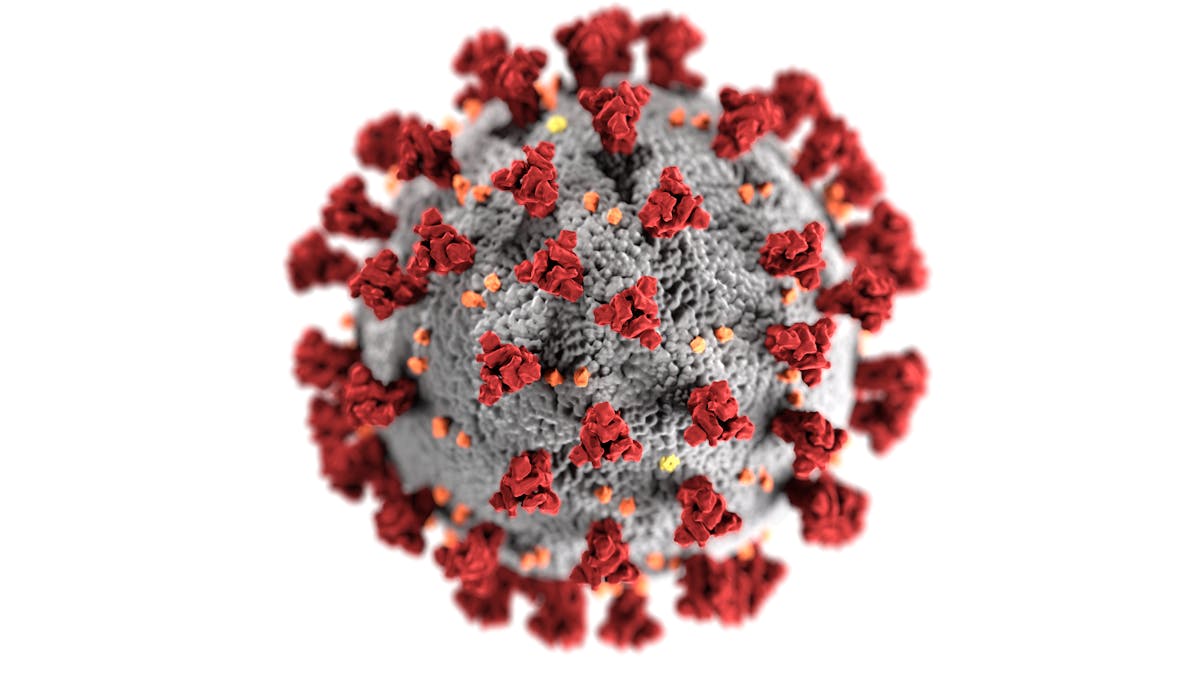
Measles is caused by a virus that spreads through the air. When an infected person coughs, sneezes, or even breathes in a closed space, the virus can linger in the air and on surfaces for up to two hours. You don’t need close physical contact to get infected.
Epidemiologists use the term R₀ (R-naught) to describe how contagious a disease is. For measles:
- Measles R₀: 12–18 (one infected person can infect 12–18 others in a fully susceptible group)
- Seasonal flu R₀: about 1–2
- Early COVID-19 R₀: around 2–3 (before more contagious variants)
This high contagiousness is why public health experts say we need about 95% of people vaccinated in a community to prevent measles outbreaks. When coverage slips—whether from misinformation, access issues, or policy changes—the virus finds the gaps.
When Anti-Vaccine Activism Shapes Public Health Policy
The South Carolina outbreak is unfolding amid a broader national and global shift: in some places, people who openly oppose routine childhood vaccines are gaining influence within public health systems and political leadership. This doesn’t mean every official is anti-vaccine, but it does mean:
- Vaccine requirements for school or childcare may be weakened or poorly enforced.
- Public health messaging may downplay the severity of diseases like measles.
- Staff in health departments may feel pressured to “soften” recommendations.
“When people who reject basic vaccine science are put in charge of health policy, outbreaks aren’t a surprise—they’re an inevitability.”
— Case Summary of Public Health Analyst Commentary
Research from journals like The Lancet and Vaccine has repeatedly shown that:
- Lower vaccination rates strongly correlate with measles outbreaks.
- Regions with weaker school-entry vaccine requirements see more clusters of preventable diseases.
- Coordinated misinformation campaigns can quickly erode public trust in even well-established vaccines.
A Real-World Example: When One Case Becomes Many
Several years before the current outbreak, I spoke with a pediatric nurse in a Southern state who described a small measles cluster that began with a single unvaccinated child returning from overseas. Within two weeks:
- Eight more children in the same school developed measles.
- Three infants too young for vaccination were hospitalized with pneumonia.
- Nearly 200 students and staff were quarantined at home.
What struck her most was that none of the parents who initially declined vaccination expected things to escalate so quickly. Many said they believed measles was either “gone” or “mild.” After seeing the reality—high fevers, frightened children, and overwhelmed hospital staff—several families changed their minds about other vaccines as well.
While this is not a South Carolina case specifically, it mirrors patterns public health teams are now reporting: a single imported case finds an undervaccinated community, and the virus does the rest.
How to Protect Your Family During a Measles Outbreak
You can’t control state politics or health department leadership—but you can take concrete steps to reduce your risk. These recommendations are based on current CDC and WHO guidance as of late 2025.
1. Check Measles (MMR) Vaccination Status
- Children: Usually need two doses of MMR (first at 12–15 months, second at 4–6 years).
- Teens and adults: If you’re not sure you’ve had two doses, ask your doctor or consider getting vaccinated—extra doses are generally safe for most people.
- High-risk situations: Travelers, healthcare workers, and college students are often advised to confirm immunity.
2. Know If You’re Likely Immune
You are likely protected if:
- You’ve received two documented MMR doses, OR
- You were born before 1957 (many in this group had natural infection), OR
- A blood test shows measles immunity.
3. If You’re Exposed to Measles
- Call your health provider or local health department immediately.
- Do not just walk into a clinic or ER without warning; you could expose others.
- Follow quarantine or “stay-at-home” instructions if advised.
- Ask about post-exposure options:
- MMR vaccine within 72 hours of exposure may reduce disease risk in some people.
- Immune globulin may help protect babies, pregnant people, or the immunocompromised in specific situations.

Community Protection: Beyond Individual Choices
Measles outbreaks remind us that vaccination isn’t just a private decision—it’s a community-level shield. Some people cannot safely receive the MMR vaccine, including:
- Infants under 6–12 months (timing depends on outbreak and travel guidance)
- People with certain immune disorders or on specific cancer treatments
- Individuals with a severe allergy to a vaccine component
These neighbors rely on those around them to keep measles out of shared spaces—schools, grocery stores, buses, and waiting rooms. When vaccination rates drop, they lose that shield.
“Herd immunity isn’t just a statistic—it’s my son’s life.”
— Parent of a child with leukemia (shared in a hospital education session)
Choosing vaccination, speaking up for evidence-based school policies, and challenging misinformation in your circles are all ways to protect these vulnerable community members—quiet acts of public health leadership.
Navigating Misinformation and Building Trust
In states where anti-vaccine activism has reached positions of influence, it can feel hard to know whom to trust. Many people reasonably ask, “If officials disagree with each other, how am I supposed to decide?” A few practical strategies can help:
- Prioritize consensus sources. Look for alignment between groups like the CDC, WHO, American Academy of Pediatrics, and major medical societies.
- Follow the evidence trail. Reliable claims usually reference peer-reviewed studies or official surveillance data, not just anecdotes or viral posts.
- Ask your own doctor or pediatrician. Most frontline clinicians base their advice on national guidelines and their daily experience with patients.
- Be cautious with sensational headlines. Articles that promise “hidden cures” or “shocking dangers they won’t tell you” are often selling fear, not facts.

What This Outbreak Reveals About Our Public Health System
The South Carolina measles outbreak isn’t just a story about one virus—it’s a stress test of the public health system itself. When anti-vaccine narratives influence leadership and policy, we often see:
- Delayed responses to the first cases
- Mixed messages that confuse families and schools
- Underfunded or understaffed local health departments
- Difficulty enforcing quarantine and isolation measures
None of this means outbreaks are inevitable forever. But it does mean that rebuilding trust—between communities, clinicians, and public health officials—will be critical to stopping measles and preventing similar crises in the future.
In practical terms, that looks like:
- Supporting leaders who respect independent public health expertise.
- Advocating for strong, evidence-based school vaccination policies.
- Encouraging transparent communication when mistakes are made.
Moving Forward: Practical Hope in the Middle of an Outbreak
Measles outbreaks can feel like a step backward—especially for parents who assumed this disease was part of the past. But we’re not powerless. The same tools that nearly eliminated measles in the U.S. are still in our hands: safe, effective vaccines, strong community cooperation, and clear, honest communication.
You don’t have to become a public health expert overnight. You can:
- Verify your family’s MMR vaccination status.
- Talk with your child’s school or childcare provider about their measles protocols.
- Share accurate resources when misinformation comes up in conversation or online.
- Support policies and leaders who prioritize evidence-based public health.
The South Carolina measles outbreak is a warning, but it’s also an invitation—to protect one another, to ask better questions, and to rebuild a public health system that serves everyone, regardless of politics. The choices you make for your family today can ripple outward, helping to keep your community safer tomorrow.
Call to action: This week, take 10 minutes to check your vaccine records or schedule a conversation with your healthcare provider. One small, concrete step can make a real difference—in your life and in the lives of those around you.
