
Why Skipping Your Morning Bed-Making Ritual Might Actually Be Healthier
Still Making Your Bed Every Morning? Why This Habit Might Backfire on Your Health
You’ve probably heard that making your bed every morning is a cornerstone of a productive, successful life. It sounds harmless—even virtuous. But a growing body of research suggests that immediately trapping warmth and moisture under tightly pulled sheets might create a friendlier environment for dust mites and other allergens that can affect your respiratory health and sleep quality.
That doesn’t mean you should abandon a tidy bedroom or feel guilty for loving crisp, hotel-style sheets. It does mean it’s worth looking more closely at when and how you make your bed—and how to balance cleanliness with what your body and your bedroom ecosystem actually need.

The Hidden Downside of a Perfectly Made Bed
A neatly made bed looks and feels amazing. It signals order and readiness for the day. But biologically, your mattress and bedding are a bit like a tiny ecosystem: warm, humid, and full of microscopic life. The main concern here isn’t “germs” in the horror-movie sense—it’s primarily dust mites and their allergens.
Dust mites are tiny arachnids that feed on flakes of human skin. They thrive in:
- Warm temperatures (typically between 20–25°C / 68–77°F)
- Higher humidity (around 70–80%)
- Soft, absorbent materials like mattresses, pillows, and duvets
“We know that dust mite allergens are a major trigger for asthma and allergic rhinitis worldwide. Anything that increases humidity and mite survival in bedding can worsen symptoms in sensitive individuals.”
— Summary of allergy guidelines from the American Academy of Allergy, Asthma & Immunology
When you immediately make your bed, you may be trapping in the heat and moisture your body released overnight. In theory, that can make your mattress and bedding a more hospitable home for mites and other microbes than if you let everything air out first.
What Research Actually Says About Bed-Making, Mites, and Moisture
Research on dust mites and bedding is not new. For decades, scientists have examined how humidity, ventilation, and materials influence mite populations and allergy symptoms. What’s newer is the popular discussion of whether bed-making habits might play a practical role.
Key findings from recent and past research include:
- Humidity is crucial. Studies published in journals like Allergy and Clinical & Experimental Allergy consistently show that dust mites struggle to survive when relative humidity is kept low (often below ~50%).
- Bedding can hold a lot of moisture. Overnight, your body releases sweat and water vapor. This can increase the micro-humidity in your mattress and sheets, independent of the room’s overall humidity.
- Ventilation helps. Research on indoor air quality indicates that improved ventilation—opening windows when possible, using mechanical ventilation, or running a dehumidifier—can reduce both moisture and allergen levels in bedrooms.
- Barrier covers and hot washing matter. Multiple clinical guidelines recommend allergen-impermeable mattress and pillow covers, plus washing bedding weekly in hot water (130°F / 54°C or higher) to reduce mite allergens.
While there isn’t a massive clinical trial titled “People Who Make Their Beds vs. People Who Don’t,” the physics and biology are straightforward: more trapped warmth and moisture = friendlier conditions for mites. Letting your bed breathe for a while after waking likely contributes—modestly but meaningfully—to a drier, less hospitable environment.
For a deeper dive, see:
A Real-Life Example: When a Perfect Bed Made Breathing Harder
Consider “Maya,” a 34-year-old software engineer with mild asthma and seasonal allergies. For years, she followed productivity advice that insisted making your bed every morning builds discipline.
Her routine was flawless: wake up at 6:30, pull the duvet tight, stack the pillows, and head straight to the kitchen. But she noticed something odd: even outside of pollen season, she woke up congested, with an itchy nose and occasional wheezing at night.
After speaking with an allergist, she:
- Started leaving her bed unmade for 60–90 minutes each morning
- Invested in dust-mite-proof covers for her mattress and pillows
- Washed sheets weekly in hot water instead of on a “quick cold” cycle
- Used a dehumidifier to keep bedroom humidity around 45%
Over the next few weeks, she reported less morning congestion, fewer nighttime symptoms, and more restful sleep. Was skipping early bed-making the only reason? Probably not. But her allergist believed that allowing the bed to air out, combined with the other steps, helped reduce dust mite allergen exposure enough to make a noticeable difference.
How to “Unmake” Your Bed on Purpose (Without Living in a Mess)
You don’t have to choose between a chaotic-looking room and a dust-mite paradise. The goal is to let air and light reach your sheets and mattress for a while before you tuck everything in tightly.
A Simple Morning Routine That Lets Your Bed Breathe
- Pull back the covers. When you get up, fold the duvet and top sheet down to at least the foot or middle of the bed. Expose the fitted sheet.
- Open a window if possible. Even 10–20 minutes of fresh air can help reduce humidity. If outdoor air quality is poor, use a fan or mechanical ventilation instead.
- Let the bed air out for 30–90 minutes. During this time, moisture from the night can evaporate rather than being trapped under blankets.
- Make the bed later. Before you leave for work or your mid-morning break, quickly straighten sheets, fluff pillows, and smooth the duvet.
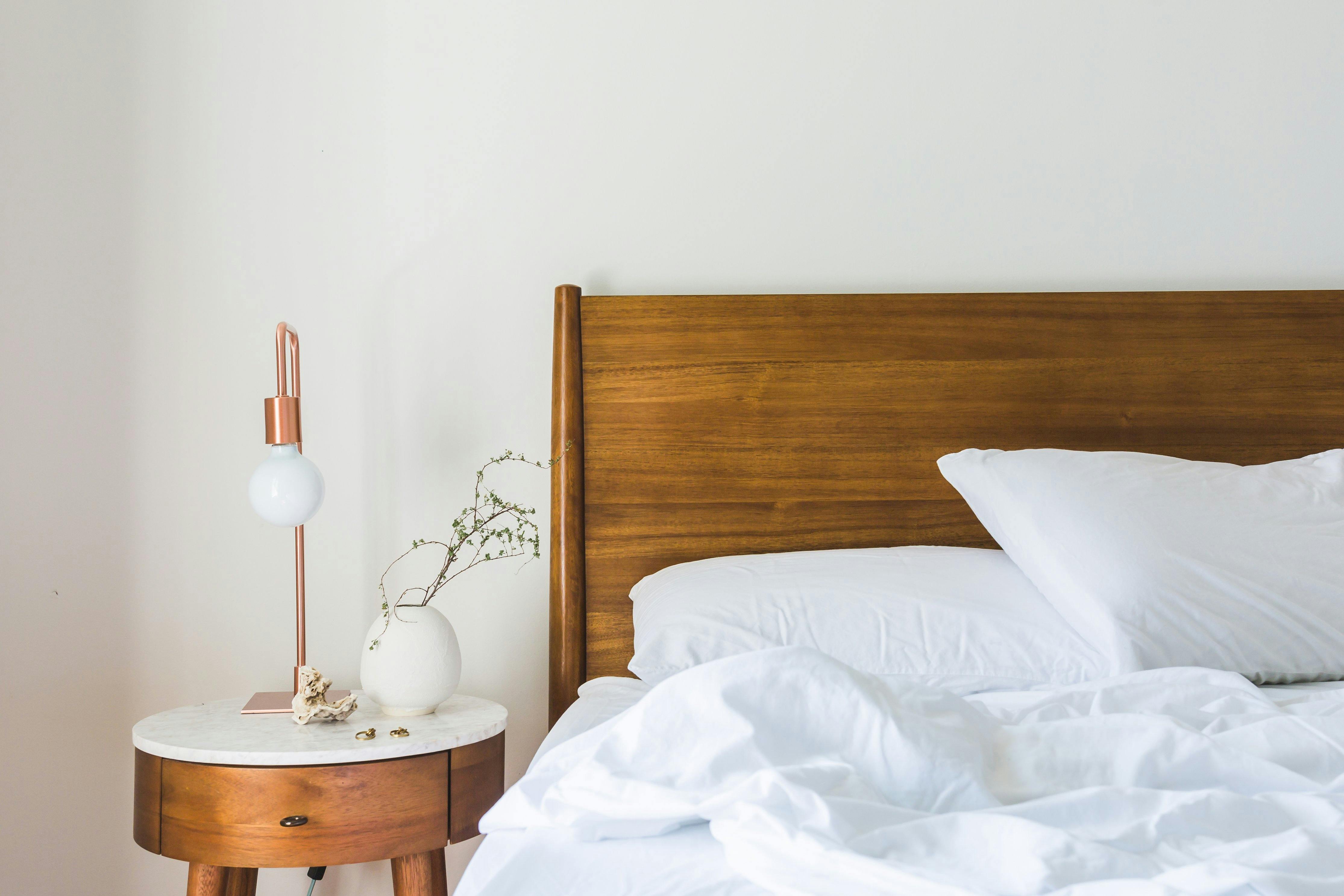
Beyond Bed-Making: A Healthier Bedroom Cleaning Routine
Whether you make your bed or not, the fundamentals of a healthier sleep environment stay the same. Think of them as your “bedroom hygiene” checklist.
Weekly and Monthly Habits That Support Better Air and Better Sleep
- Wash bedding weekly. Use hot water (at least 130°F / 54°C) for sheets and pillowcases if the fabric allows. Dry thoroughly.
- Use allergen-proof covers. Encase your mattress and pillows in dust-mite-proof encasements recommended by allergy organizations.
- Vacuum regularly. Especially if you have carpet or rugs. Use a vacuum with a HEPA filter to reduce airborne particles.
- Control humidity. Aim for 40–50% relative humidity if you can. Use a dehumidifier in damp climates or seasons.
- Declutter soft surfaces. Extra throw pillows and plush toys collect dust. Keep only what you love and can easily clean.

Before vs. After: Rethinking Your Morning Bed Routine
To visualize the impact, compare a traditional “immediately make the bed” routine with a more health-conscious version.


The visual difference is small. The potential difference in humidity and allergen exposure—especially in already humid climates or for allergy‑prone people—can be more significant.
“But I Love a Made Bed!” Common Concerns and How to Work Around Them
If the idea of leaving your bed unmade—even briefly—makes you cringe, you’re not alone. Many people find deep psychological comfort in a tidy bedroom.
Obstacle 1: “Messy rooms increase my stress.”
You don’t have to embrace chaos. Try:
- Folding the duvet halfway down instead of leaving blankets scattered
- Straightening pillows neatly at the head of the bed
- Closing the bedroom door while the bed airs out, then making it fully before you start focused work
Obstacle 2: “I don’t have time in the middle of my morning.”
You can still get the benefits with minimal disruption:
- Pull covers back as soon as you get up
- Do your usual morning routine (bathroom, breakfast, coffee)
- Make the bed right before you walk out the door—often a 30–60 minute gap
Obstacle 3: “I live in a tiny space and my bed is in the main room.”
In studios or shared spaces, appearance matters even more. Consider:
- Using a simple, breathable coverlet that looks okay even when folded halfway back
- Scheduling a short airing-out window while roommates are out or you’re in the shower
- Prioritizing a dehumidifier and regular hot washing of linens if you can’t leave the bed exposed for long
When Making Your Bed Right Away Is Probably Fine
Not everyone needs to overhaul their morning ritual. If you:
- Don’t have asthma, allergies, or eczema
- Live in a relatively dry climate
- Use protective covers and wash bedding regularly
- Keep indoor humidity in a comfortable, moderate range
…the additional risk from making your bed immediately is likely small. You may still benefit from cracking a window, using a dehumidifier, or occasionally letting the bed air out on weekends, but you don’t need to feel anxious if your routine is working for you.
Healthy habits are rarely all‑or‑nothing. It’s less about whether you make your bed and more about how your entire sleep environment supports your breathing, your skin, and your rest.
A 7-Day Action Plan to Test a New Bed Routine
If you’re curious but hesitant, treat this as a small, low-risk experiment.
- Day 1: Note your baseline—how you feel waking up (congestion, itchiness, sore throat, fatigue).
- Days 2–3: Start pulling covers back and airing out the bed for 30 minutes before making it.
- Days 4–5: Extend airing time to 45–60 minutes if your schedule allows. Open a window if possible.
- Day 6: Wash your sheets in hot water and remake the bed after airing.
- Day 7: Compare how you feel now vs. Day 1. Any changes in breathing, congestion, or sleep comfort?
Keep in mind, one week won’t transform your immune system—but it can give you a useful read on whether this habit shift feels better, worse, or neutral for you personally.
Rethinking “Good Habits”: Let Your Bed Work for Your Health, Not Just Your Image
Making your bed has long been framed as a symbol of discipline and success. That story isn’t entirely wrong—order and routine do matter. But as we learn more about indoor air quality, dust mites, and how our environments shape our health, it’s clear that “neat” and “healthy” aren’t always identical.
You don’t need to abandon your love of a crisp, made bed. You may simply need to:
- Give your bed time to breathe before you tuck it in
- Be more intentional about washing, covers, and humidity
- Pay attention to how your body feels in response
If you often wake congested, itchy, or wheezy, consider talking with a healthcare professional about allergies and asthma—and use the insights in this article as a starting point for simple environmental tweaks.
Tonight, as you head to bed, ask yourself: “Is my routine serving my health—or just my to‑do list?” Tomorrow morning, try pulling the covers back, letting the light in, and giving your lungs—and your linens—a bit more room to breathe.
