
Why Right‑to‑Repair Is Redefining Tech: From Disposable Gadgets to Devices That Last
At the same time, major brands are navigating a complex mix of regulation, security concerns, and competitive pressure from repair-friendly innovators—turning what used to be a niche activist demand into a mainstream feature that buyers increasingly expect.
Mission Overview: From Disposable Tech to Durable, Repairable Devices
The global push for right‑to‑repair is fundamentally about shifting our relationship with technology—from treating gadgets as short‑term consumables to viewing them as long‑lived tools that can be fixed, upgraded, and reused. Between 2024 and 2025, right‑to‑repair has moved from activist circles into the center of tech policy, product design, and consumer expectations.
Governments are passing laws that compel manufacturers to provide spare parts, tools, and documentation. Independent repair shops, YouTube creators, and teardown labs are making repairability scores as visible as battery life and camera quality. Environmental groups highlight the role of longer‑lasting devices in cutting e‑waste and emissions, while manufacturers raise questions about safety, cybersecurity, and intellectual property.
At its core, the mission is clear:
- Give users and independent technicians the legal right and practical means to repair devices.
- Design hardware and software for longevity, not just for quick product cycles.
- Reduce electronic waste and resource extraction by extending device life.
- Create a competitive ecosystem for high‑quality repair and refurbishment.
“The most sustainable device is the one you already own.” — iFixit Right‑to‑Repair Campaign
Visualizing the Repair Revolution
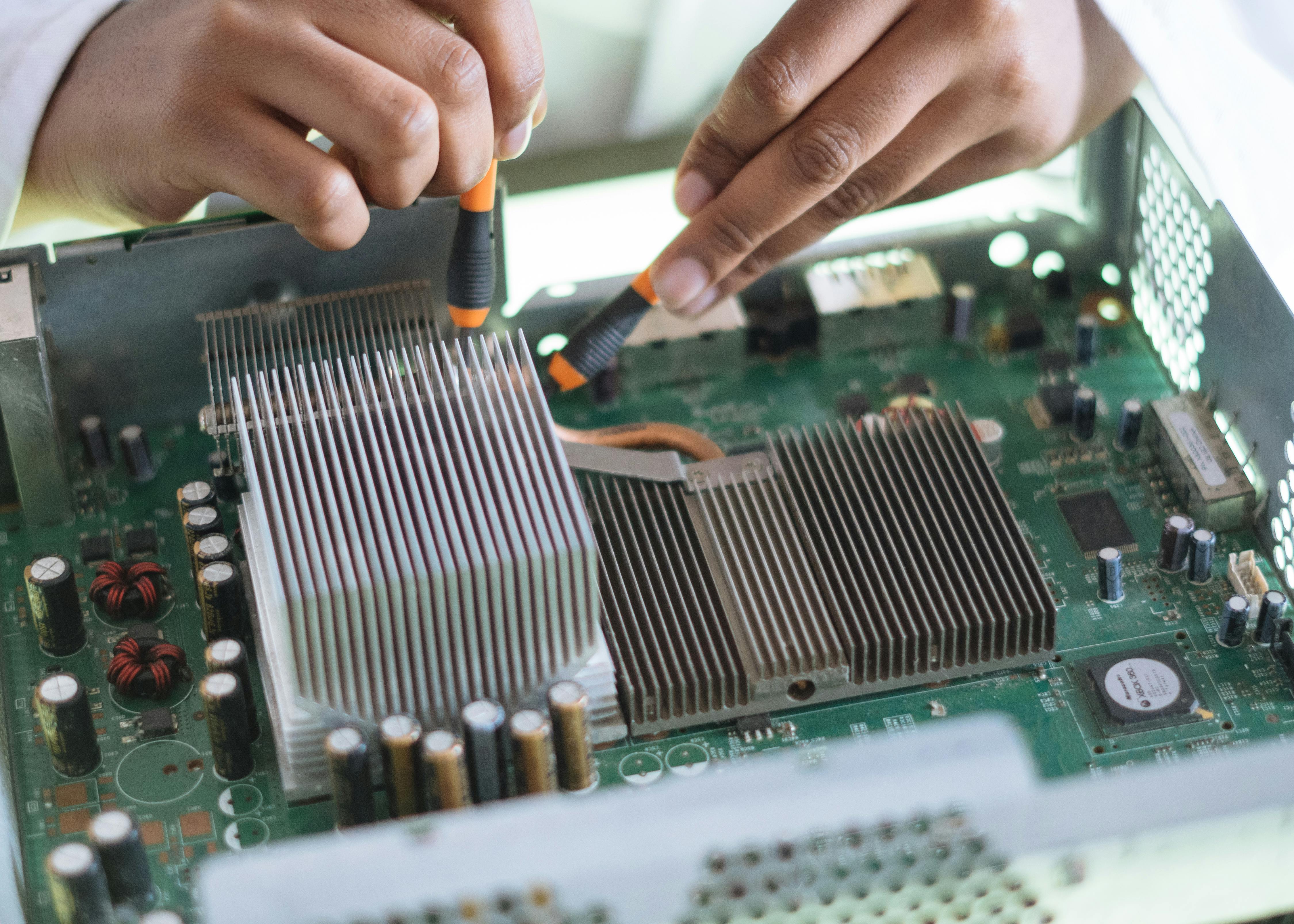
High‑quality repair work is no longer hidden in back rooms—it is livestreamed, documented, and celebrated across platforms like YouTube, TikTok, and Instagram, turning repair into both a service and a form of public education.
Legislative Landscape: How Right‑to‑Repair Laws Are Evolving
The legal framework for right‑to‑repair is expanding quickly, though details vary widely by region and sector. Between 2023 and 2025, several landmark policies have reshaped what manufacturers must provide and what users are allowed to do.
Key Regions and Recent Policy Moves
- European Union: The EU has already introduced requirements for manufacturers to supply spare parts and documentation for certain appliances and electronics. New initiatives under the Circular Economy Action Plan aim to extend repairability obligations to more categories, including smartphones and tablets, and to introduce a “right to repair” label.
- United States: Several U.S. states—including New York, Minnesota, and California—have passed or strengthened right‑to‑repair statutes that cover consumer electronics and, in some cases, agricultural equipment. Federal agencies such as the FTC have signaled support for limiting anti‑repair practices.
- United Kingdom: The UK introduced repairability rules for certain appliances and is considering extensions to consumer electronics, aligning with EU‑style ecodesign and circular economy goals while updating post‑Brexit regulations.
- Global South: Countries facing rising e‑waste imports, such as Nigeria and India, are exploring stricter e‑waste and extended producer responsibility rules, sometimes referencing right‑to‑repair principles in consultations and draft policies.
What These Laws Typically Require
- Access to spare parts for a defined number of years after product launch.
- Availability of service manuals and schematics for consumers and independent repair shops.
- Diagnostic tools and software (or equivalent functionality) that do not rely on exclusive manufacturer access.
- Restrictions on anti‑repair practices such as parts pairing or non‑transferable software locks that disable repaired devices.
Tech outlets like Wired, Ars Technica, and TechRadar regularly track how each law differs in scope—particularly which product categories are covered, timelines for implementation, and carve‑outs for “security‑sensitive” components.
Technology: Designing Hardware and Software for Repairability
Repairability is not just a legal issue; it is an engineering problem. The internal architecture of modern devices—from the choice of screws to the way chips are paired in firmware—directly determines whether a repair is feasible outside an authorized service center.
Hardware Design Choices That Matter
- Fasteners vs. glue: Using standard screws (e.g., Phillips, Torx) instead of proprietary bits or permanent adhesives makes opening devices possible without destructive methods.
- Modular components: Separating the display, battery, camera, and ports into discrete modules allows individual parts to be replaced or upgraded independently.
- User‑replaceable batteries: New EU proposals are pushing for batteries that can be replaced with basic tools. This directly counters sealed designs that effectively make battery wear a death sentence for the device.
- Standardized connectors: USB‑C mandates and other connector standards simplify sourcing replacement cables, ports, and accessories.
“Every time we glue a battery in, we’re making a bet that the device will be thrown away instead of fixed.” — Kyle Wiens, iFixit
Software, Firmware, and Parts Pairing
Even with perfect hardware design, software can make or break repairability:
- Parts pairing ties certain components (such as screens, cameras, or batteries) to unique serial numbers stored in secure elements; replacing a part may trigger error messages or reduced functionality.
- Cloud‑based diagnostics can require access to manufacturer servers, effectively locking out independent shops if APIs are not documented or access is restricted.
- Bootloader and OS locking affects the ability to install custom firmware or extended security updates that can keep older hardware viable.
Advocates argue that well‑designed firmware could authenticate genuine or high‑quality third‑party parts without blocking repairs, preserving both safety and openness.

Pioneers of Repairable Design: Framework, Fairphone, and Beyond
A handful of companies have built their brand identity around repairability, proving that modular, long‑lived devices can succeed as commercial products—not just prototypes.
Framework Laptop
The Framework Laptop is often cited by teardown experts as the benchmark for repairable PCs. Its design includes:
- Tool‑less access to the mainboard and key components.
- Standardized screws and labeled components.
- User‑replaceable and upgradeable mainboards, memory, storage, and ports.
- An official marketplace for spare parts and upgrades.
Fairphone
Fairphone focuses on ethical sourcing and longevity in smartphones. Its devices are designed so users can:
- Swap out the battery without specialized tools.
- Replace modules like the camera or USB‑C port.
- Benefit from extended software support beyond typical Android life cycles.
Mainstream Manufacturers Under Pressure
Major smartphone and PC brands are beginning to:
- Launch official self‑service repair portals and parts programs.
- Partner with third‑party repair chains for in‑warranty service.
- Advertise improved repairability scores in some product lines.
While implementation is uneven and often limited to certain models or regions, these moves reflect growing regulatory and market pressure.

Scientific Significance: E‑Waste, Resource Use, and Carbon Footprint
Electronic waste is one of the fastest‑growing waste streams worldwide. According to the Global E‑waste Monitor, tens of millions of tonnes of electronics are discarded each year, with only a fraction formally recycled.
How Longer Device Life Cuts Environmental Impact
- Reduced resource extraction: Extending device life reduces demand for new mining of critical materials like cobalt, lithium, rare earth elements, and gold, which are energy‑intensive and often tied to social and environmental harms.
- Lower lifecycle emissions: A substantial chunk of a device’s carbon footprint is embedded in manufacturing. Using a smartphone or laptop for six or seven years instead of three can significantly lower annualized emissions.
- Improved recyclability: Devices designed to come apart cleanly are easier to refurbish and, at end‑of‑life, easier to disassemble for material recovery.
“Designing for durability, reuse, and repair is one of the most effective levers for reducing the environmental burden of electronics.” — Summary of findings in peer‑reviewed e‑waste lifecycle studies
For younger, climate‑conscious consumers, these scientific and environmental arguments align with economic logic: “buy once, maintain well” is both cheaper and greener than constantly upgrading to marginally improved hardware.
Economics of Longevity: Cost, Value, and the Repair Market
The economics of device longevity affect consumers, manufacturers, and an emerging repair ecosystem.
For Consumers
- Lower total cost of ownership: Paying slightly more upfront for a repairable device can be offset by years of avoided replacement purchases.
- Higher resale value: Devices with known repairability and available parts retain value longer in secondary markets.
- Predictable maintenance: Scheduled battery or storage upgrades are cheaper than full replacement.
For Manufacturers
- New revenue streams from selling parts, tools, and authorized repair training.
- Brand differentiation among sustainability‑focused or professional users.
- Regulatory compliance that avoids fines and supports corporate ESG goals.
Growth of Independent and Community Repair
Independent repair shops and community‑based “repair cafés” are leveraging open documentation and shared tools to extend the life of devices that might otherwise be scrapped. Platforms like iFixit and local makerspaces serve as hubs for tutorials, parts sourcing, and knowledge exchange.
DIY and Social Media: How Repair Went Viral
Social platforms have turned device repair into a visible, shareable craft. Short videos of a cracked phone screen becoming “like new” or a “dead” laptop booting again after a simple fix can receive millions of views.
What You’ll Commonly See Online
- Time‑lapse teardowns of flagship devices within days of launch.
- Guides for common fixes: battery swaps, SSD and RAM upgrades, fan cleaning, screen replacements.
- Critical commentary on unrepairable design choices, often referencing repairability scores.
Creators frequently reference legal developments and corporate policies, helping a broad audience understand what new right‑to‑repair laws actually change in practice.

Tools and Best Practices: Building a Repair‑Ready Toolkit
For technically inclined users, a modest investment in tools can dramatically increase what you can safely repair at home. For others, understanding the basics still helps you communicate effectively with professionals.
Core Tools for Electronics Repair
- Precision screwdriver set (including Torx and small Phillips).
- Plastic spudgers and opening picks to avoid damaging cases and cables.
- ESD‑safe tweezers and an anti‑static wrist strap.
- Magnetic project mat or parts organizer.
High‑quality, comprehensive kits—such as the iFixit Pro Tech Toolkit—are popular among both hobbyists and professionals for their durability and thoughtful tool selection.
Safety and Data Protection
- Always power down and, when possible, disconnect batteries before working on a device.
- Back up your data before any repair that risks storage or firmware.
- Use ESD precautions to avoid damaging sensitive components.
- Know your limits; high‑voltage or critical medical equipment should be handled by qualified technicians.
Challenges: Security, Safety, and Corporate Resistance
Despite momentum, right‑to‑repair faces legitimate questions and strategic pushback.
Security and Privacy
Manufacturers argue that open access to schematics and diagnostics could:
- Expose vulnerabilities in secure elements or encryption chips.
- Enable tampering with biometric sensors such as fingerprint readers and Face ID‑style systems.
- Increase risk of malicious modification of hardware or firmware.
Advocates counter that security through obscurity is weak protection and that clear guidelines, certified repair schemes, and secure coding practices can manage these risks without banning independent repair.
Safety of High‑Voltage and Specialized Equipment
Devices like EV battery packs, microwave ovens, or some medical devices involve dangerous voltages or critical calibrations. Policymakers often create carve‑outs or additional training requirements for such categories. The debate focuses on how to:
- Ensure user and technician safety.
- Maintain regulatory oversight (e.g., medical device certification).
- Avoid using safety as a pretext to overly restrict repair.
Business Model and Intellectual Property Concerns
Some companies still see repair as a threat to device sales or brand control. They may:
- Lobby for narrow definitions of which components or devices laws apply to.
- Maintain closed diagnostic platforms or usage‑metered tools.
- Use patents and copyrights to restrict third‑party parts or manuals.
“The key challenge is balancing innovation incentives and safety with the societal benefits of repair, reuse, and resource efficiency.” — Summary from OECD e‑waste policy discussions
Recent Milestones and Industry Shifts
Over the last few years, several visible milestones have shown how far right‑to‑repair has come:
- Major smartphone and laptop makers launching official self‑service parts stores.
- High‑profile regulatory hearings where repair advocates, farmers, hospital technicians, and consumers testified about repair barriers.
- Public commitments from tech companies to extend software update lifecycles, sometimes to 5–7 years for flagships.
- Inclusion of repairability scores and e‑waste metrics in product reviews on sites like Engadget and others.
These milestones do not resolve all tensions, but they indicate that manufacturers now see repairability and longevity as issues they must respond to, not ignore.
How to Choose Repairable, Long‑Lasting Devices
If you want to support right‑to‑repair and protect your own budget, buying decisions matter. Consider the following checklist when evaluating your next device.
Pre‑Purchase Checklist
- Check independent repairability scores from sites like iFixit or teardown channels.
- Look for clear parts and service policies on the manufacturer’s site.
- Confirm software support duration (OS updates and security patches).
- Prioritize devices with user‑replaceable or easily accessible batteries, storage, and memory.
- Search for community support—forums, documentation, and modding communities keep devices viable longer.
For power users and professionals, external accessories can extend functionality and postpone upgrades. For example, a reliable external SSD such as the Samsung T7 Portable SSD can offload storage bottlenecks without needing a new laptop.
Conclusion: Right‑to‑Repair as a Cornerstone of Sustainable Tech
Right‑to‑repair, device longevity, and the broader fight against disposable tech are no longer fringe concerns. They sit at the intersection of environmental science, consumer rights, digital security, and industrial policy.
In the near future, buyers are likely to treat repairability—alongside performance, camera quality, and battery life—as a core feature. Manufacturers that embrace transparent, repair‑friendly design and long‑term support will gain trust and loyalty; those that resist may find regulators and consumers increasingly aligned against them.
Whether you are a policymaker, engineer, IT manager, or everyday user, the principles are the same: design for longevity, enable repair, respect user autonomy, and treat e‑waste as a systemic design failure, not an inevitability.
Additional Resources and Practical Next Steps
To deepen your understanding and take action:
- Follow repair advocates and organizations on platforms like X, YouTube, and LinkedIn for policy updates and technical insights.
- Support local repair businesses and repair cafés; your spending helps sustain the ecosystem that keeps devices out of landfills.
- When feasible, opt for refurbished or used devices from reputable sellers, and prioritize repairable models.
- For IT departments, incorporate repairability and support lifecycles into procurement criteria to reduce long‑term costs and environmental impact.
For a deeper dive into the cultural and technical sides of repair, long‑form features on sites like Wired and Ars Technica, as well as teardown videos from channels such as iFixit on YouTube, offer ongoing, expert‑level analysis of how the landscape is changing.
