
Why Nostalgia Reboots & Retro Franchises Dominate Streaming and Gaming in 2025
Executive Summary
Nostalgia reboots and retro franchises from the 1980s, 1990s, and early 2000s are dominating streaming and gaming in 2025. Platforms and publishers increasingly lean on familiar intellectual property (IP)—revivals, remasters, and sequels—because they reliably attract older fans while onboarding younger audiences. This trend is powered by algorithm-driven discovery, emotionally charged social media engagement, and comparatively lower commercial risk versus entirely new IP.
For creators and studios, the opportunity lies in balancing reverence for the original material with modern storytelling, inclusive casting, and updated gameplay or production values. For audiences, nostalgia content offers a comforting, low-friction choice in an overwhelming media landscape, while enabling multi-generational bonding. As long as these projects sustain strong viewership, engagement, and lifetime value metrics, nostalgia is likely to remain a dominant force across streaming, gaming, and social media ecosystems.
- Reboots and remasters cut through content overload via instant brand recognition.
- Social platforms amplify nostalgia with reactions, memes, and side-by-side comparisons.
- Parents introduce children to updated versions, creating multi-generational fandom.
- Studios treat nostalgia IP as lower-risk bets with high engagement potential.
- The challenge is avoiding “empty” fan service that undermines long-term loyalty.
The Rise of Nostalgia Reboots in Streaming and Gaming
In 2025, nostalgia has evolved from a side effect of aging fan bases into a deliberate content strategy. Streaming platforms revive classic television and film IP as limited series, modern sequels, or animated spin-offs. In parallel, game publishers launch polished remasters and full remakes of beloved titles, updating graphics, mechanics, and quality-of-life features while preserving core identity.
When trailers drop, they trend across YouTube and TikTok, with reaction videos and breakdowns amassing millions of views. Fans reminisce about their first encounter with a franchise, debate whether the reboot will “do it justice,” and share clips of iconic moments that defined their childhood or teen years. This emotional conversation feeds engagement algorithms, pushing nostalgia content into even more recommendation feeds.
“Familiar IP reduces risk in an era of content overload. Audiences gravitate toward brands they already trust, especially when time and attention are scarce.” — Media consumption analysis, Nielsen & platform reporting (2023–2024).
The result is a reinforcing loop: platforms invest in more retro IP because it performs well, and audiences see more of it because algorithms detect strong engagement signals.
Data-Backed Signals: How Nostalgia Outperforms New IP
While exact numbers vary across regions and platforms, several consistent patterns emerge when comparing nostalgia-driven franchises with entirely new properties:
| Metric | Nostalgia IP (Reboots, Remasters) | New IP | Source / Notes |
|---|---|---|---|
| Trailer 48-hour views | Often 1.5x–3x higher | Baseline | YouTube trending & studio channels (2022–2024) |
| Social media mentions (launch week) | 30–60% higher | Baseline | Social listening tools & hashtag tracking |
| Completion rate (streaming seasons) | Higher for shorter, event-style reboots | More variable | Platform analytics excerpts & earnings reports |
| Game launch sales (first month) | Remakes/remasters frequently top charts | Hit-driven; more “boom or bust” | Platform store charts (Steam, console stores) |
These patterns align with platform and publisher strategies: lean on retro IP for reliable reach, then cross-promote new projects to the re-engaged fan base.
Visualizing the Nostalgia Effect
Visual comparisons help clarify how nostalgia shifts audience behavior relative to new releases. While exact metrics differ by title, the overall trend is clear: established IP tends to dominate attention at launch.

From an interface perspective, retro titles often occupy premium placements on homepages and carousels, making them even more likely to be selected by users who log in seeking quick, low-effort entertainment.
Why Nostalgia Works: Psychology Meets Algorithms
Nostalgia functions as both an emotional driver and a discovery hack. Audiences are overwhelmed by choice: thousands of films, series, and games compete for attention across platforms. Choosing something entirely new feels cognitively costly, while revisiting or extending a familiar world feels safe, comforting, and low-risk.
- Emotional safety: Retro IP is associated with formative years, lower stress, and simpler times. In uncertain periods, this is especially appealing.
- Reduced decision fatigue: Recognizable brands shortcut the research step—no need to read reviews or watch lengthy explainers.
- Fandom identity: Longtime fans see reboots as a chance to reaffirm identity, share inside jokes, and feel “seen” by creators.
- Community resonance: Shared memories and references facilitate instant conversation and bonding on social platforms.
Algorithms reward exactly this kind of behavior. High click-through rates on nostalgia trailers, strong watch times, and lively comment threads signal “quality” to recommendation systems, ensuring these projects are pushed to more users.
Streaming: Revivals, Limited Series, and Legacy Sequels
On streaming platforms, nostalgia manifests in multiple formats: direct revivals, time-jump sequels, spin-off series, and animated adaptations. Marketing campaigns often hinge on original cast members, classic logos, familiar theme songs, and callbacks to iconic shots or lines.
- Limited-event series: Condensed seasons focused on a single story arc, designed for binge-watching and watercooler buzz.
- Legacy sequels: Stories that acknowledge the passage of time, following original characters as parents, mentors, or legends.
- Animated reimaginings: Stylized updates that tap younger audiences while maintaining recognizable character silhouettes and lore.

Trailers for these projects trend on YouTube, attracting reaction videos that dissect each frame for hidden references. Comment sections fill with fans recalling how the original impacted them and speculating about the reboot’s tone. This organic discussion extends the campaign beyond paid advertising into fan-driven amplification.
Gaming: Remasters, Remakes, and Retro-Inspired Design
In gaming, nostalgia appears in three primary forms: straightforward remasters (higher resolution, minor tweaks), full remakes (rebuilt from the ground up), and modern games inspired by classic aesthetics and mechanics. Updated versions frequently dominate charts on Steam and console storefronts, especially when they rework control schemes, camera systems, and quality-of-life features while preserving the core narrative or iconic levels.
Streamers on Twitch and YouTube use these titles as content engines, mixing real-time reactions with commentary on how current playthroughs compare to their childhood experiences. Side-by-side comparison videos of original versus remake graphics and audio proliferate across social feeds, reinforcing the sense that the classic is being “honored” with modern technology.
| Type | Definition | Player Appeal |
|---|---|---|
| Remaster | Visual and technical polish on the original game, minimal content changes. | Ideal for purists who want an authentic experience on modern hardware. |
| Remake | Rebuilt from scratch with new assets, mechanics, and sometimes story adjustments. | Attracts both old fans and new players seeking modern gameplay standards. |
| Retro-inspired | New IP that adopts classic visual styles or mechanics without being a direct adaptation. | Appeals to indie audiences and players who love “old-school” feel with fresh ideas. |

Social Media as a Nostalgia Amplifier
Social platforms provide the connective tissue for nostalgia trends. Dedicated retro accounts post screenshots, theme songs, VHS covers, and toy ads from past decades, weaving them into ongoing conversations about new reboots and game remasters. When a new trailer lands, it is instantly stitched, duetted, and remixed into this retro ecosystem, benefiting from accumulated context and emotional resonance.
- Reaction videos: Fans record first impressions of trailers, often telling personal stories about the original release.
- Comparison threads: Side-by-side visuals of old vs. new graphics, costumes, or sets highlight progress and faithfulness.
- Memes & soundbites: Iconic lines or themes are incorporated into meme formats, reinforcing awareness across demographics.
- Fan theories: Communities dissect frame-by-frame details for hidden references, fueling repeat views and comments.
This activity generates the kind of engagement—comments, shares, long view times—that algorithms reward, creating a feedback loop between fan enthusiasm and platform visibility.
Industry Economics: Why Studios and Publishers Love Retro IP
From an industry perspective, reboots and retro franchises are comparatively low-risk bets. The core fan base already exists, and brand recognition helps cut through the noise of endless new titles. Marketing can lean heavily on nostalgia shorthand rather than building awareness from scratch.
Typical advantages for studios and publishers include:
- Pre-sold audiences: Millions of viewers or players are already emotionally invested in the brand.
- Lower marketing CAC: Acquiring an engaged viewer or player is cheaper when awareness is high and word-of-mouth is strong.
- Merchandising & licensing: Retro logos and characters translate well into apparel, collectibles, and limited-edition products.
- Cross-promotional lift: Successful nostalgia projects can be used to promote spinoffs, documentaries, and even related new IP.
“In a saturated attention economy, trusted franchises behave like blue-chip assets: stable, recognizable, and comparatively less volatile than experimental IP.”
However, over-reliance on nostalgia can slowly erode innovation if not balanced with genuinely new storytelling and mechanics.
Multi-Generational Appeal: Families, Kids, and Shared Fandom
A distinctive feature of nostalgia reboots is their multi-generational reach. Parents who grew up with the original movies, shows, or games now introduce their children to updated versions. This creates shared rituals—weekly episode nights, co-op playthroughs, or movie marathons—that platforms and publishers highly value.
- Parents act as organic promoters, explaining lore and recommending the franchise to younger viewers.
- Kids experience the IP as “new,” while adults experience it as a return, doubling emotional impact.
- Viewership and playtime metrics are boosted by group viewing and replaying favorite episodes or levels.
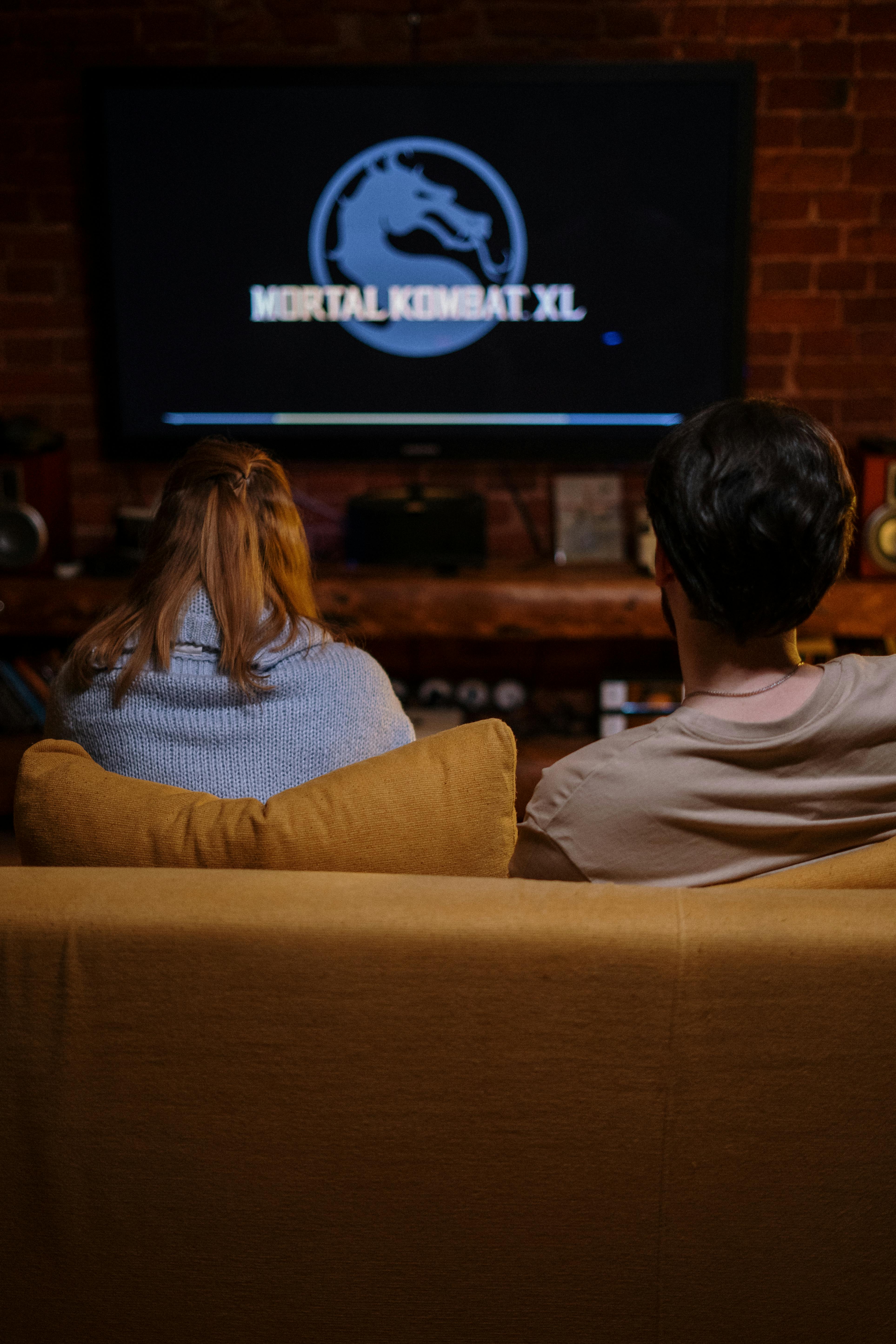
This multi-generational dynamic extends the lifecycle of IP well beyond a single release window, supporting sequels, spin-offs, and cross-media expansions.
Risks, Pitfalls, and Audience Backlash
Despite its advantages, nostalgia is not a guaranteed win. Audiences are quick to detect—and criticize—projects that feel like hollow cash grabs. Failing to respect core themes, miscasting key roles, or dramatically altering tone without narrative justification can spark backlash that quickly spreads online.
- Over-saturation: Too many reboots at once can fatigue audiences, undermining the specialness of each project.
- Canon conflicts: Inconsistent lore or retcons that disregard beloved storylines can alienate long-time fans.
- Shallow fan service: Surface-level references without strong narrative or mechanical foundations may drive short-term buzz but weak long-term engagement.
- Creative stagnation: Heavy dependence on legacy IP can crowd out investment in new voices and original worlds.
For creators, the challenge is balancing homage with innovation—respecting what made the original resonate while using the reboot to say something contemporary and meaningful.
A Practical Framework for Successful Nostalgia Projects
Whether you are a storyteller, game designer, or producer, the following framework helps evaluate and design nostalgia-driven projects that respect fans and deliver sustainable value.
- Clarify the “core promise.”
Identify what the original truly meant to audiences—tone, themes, character dynamics, gameplay feel—and define which elements are non-negotiable.
- Decide on format: revival, remake, or reimagining.
Choose the structure—direct continuation, full rebuild, or inspired reboot—based on the strengths and limitations of the original.
- Integrate modern values and technology.
Update representation, accessibility, and mechanics to meet 2025 expectations without losing the property’s identity.
- Design for community participation.
Anticipate react-worthy moments, Easter eggs, and lore details that fans will dissect and share across platforms.
- Plan a sustainable arc, not just a one-off spike.
Build room for sequels, spin-offs, or transmedia extensions only if the story and world naturally support them.
Applying this framework increases the odds that a nostalgia project becomes a meaningful extension of the franchise rather than a short-lived curiosity.
How Audiences Can Navigate the Nostalgia Wave Intentionally
For viewers and players, the abundance of nostalgia content can be both exciting and overwhelming. A more intentional approach can improve your experience and help signal to platforms what you actually value.
- Differentiate comfort viewing from discovery: Use nostalgia titles purposefully when you want low-effort comfort, and consciously allocate time to new stories or indie projects.
- Support quality over mere branding: Reward projects that respect the original and add depth by completing seasons, leaving ratings, or sharing thoughtful feedback.
- Be mindful of time investment: Long-running reboots and online games can become time sinks—set boundaries to prevent burnout.
- Create shared rituals: Use reboots as chances to connect with family or friends rather than purely solo consumption.
This mindset allows you to enjoy the emotional benefits of nostalgia without letting it crowd out fresh, innovative voices.
The Future of Nostalgia: Hybrid Worlds and Continuous Re-Interpretation
Looking ahead, nostalgia in streaming and gaming is likely to evolve rather than fade. As more franchises receive multiple reboots over decades, we may see layered nostalgia—fans nostalgic not just for the original, but for earlier reboots themselves. Emerging technologies such as cloud gaming, AR, and interactive streaming will enable new forms of participation, from branching narrative experiences to user-generated expansions that blur the lines between canon and fan work.
Studios that thrive will be those that:
- Treat beloved IP as living culture rather than static artifacts.
- Elevate new creators who grew up with the originals and can reinterpret them with fresh perspectives.
- Balance risk by pairing nostalgia-driven tentpoles with bold, original experiments.
For audiences, the opportunity is to engage critically and selectively—celebrating reboots that deepen the stories that shaped them, while leaving room for entirely new worlds that future generations may one day feel nostalgic about.
