
Why Metabolic Health Diets Are Replacing Crash Diets: CGMs, Balanced Plates & Blood Sugar Savvy
Metabolic health is having a moment. Instead of chasing the next crash diet, more people are asking how to eat in a way that keeps blood sugar steady, energy reliable, and long‑term health protected. Fueled by continuous glucose monitors (CGMs), viral “blood sugar hacks,” and beautifully colorful balanced plates on social media, the spotlight is shifting from weight alone to how our meals actually work inside the body.
From PCOS and prediabetes communities to people on or curious about GLP‑1 medications, the conversation is moving toward practical, whole‑food meals: plenty of fiber, satisfying protein, slow‑burn carbs, and fats that leave you feeling nourished—not deprived. Below, we’ll unpack the rise of metabolic health diets, what the science actually supports, and how to build balanced plates in your own kitchen without fear or extremes.

The Rise of Metabolic Health Diets & Blood Sugar Awareness
Over the past few years, searches for phrases like “metabolic health diet,” “blood sugar hacks,” and “balanced plate for insulin resistance” have climbed steadily across Google and social platforms. Instead of a single food fad, this is a broader reframing of nutrition: food as a long‑term support system for metabolic health—things like blood‑sugar control, insulin sensitivity, triglycerides, waist circumference, and energy stability.
Nutrition creators now talk less about shrinking your body at any cost and more about supporting your metabolism over decades. It’s a quieter, steadier approach: fewer “drop 10 pounds in a week” headlines, more conversations about A1C, post‑meal glucose curves, and how to build satisfying meals that keep you full and focused.
Metabolic health diets are less about strict rules and more about patterns: plenty of fiber, adequate protein, mostly minimally processed foods, and movement woven into daily life.

CGMs, Biohacking, and the New Obsession with Glucose Curves
A major catalyst behind the metabolic health trend has been the spread of continuous glucose monitors beyond diabetes care. Once reserved for people managing type 1 or type 2 diabetes, CGMs are now marketed to wellness enthusiasts, athletes, and anyone curious about their blood‑sugar response to food.
Paired with apps and coaching platforms, CGMs turn blood sugar into a real‑time graph—a kind of metabolic selfie. Influencers share screenshots of their curves, testing everything from pasta versus lentils to the impact of a 10‑minute walk after dinner. The culture around it feels part science experiment, part social proof.
- Some wear CGMs briefly to understand their unique responses to foods.
- Others use them long term to guide eating patterns, workouts, or sleep routines.
- Coaching services interpret the data and suggest tweaks like more fiber or swapping drink choices.
Popular “Glucose Hacks”: What They Are & Why They Matter
Alongside CGM screenshots, an entire vocabulary of “glucose hacks” has exploded online. Many of these tactics echo long‑standing nutrition science, simply repackaged in catchy, visual formats. When you look past the buzzwords, the logic behind them is often practical and surprisingly approachable.
Common blood sugar strategies
- Front‑loading protein and fiber: Starting meals with protein and fibrous vegetables slows digestion, helping glucose enter the bloodstream more gradually.
- “Veggie starter” or salad first: Eating a simple green salad or cooked veggies before higher‑carb foods can blunt post‑meal glucose spikes.
- Pairing carbs with protein and fat: Enjoying bread with olive oil and chicken, or fruit with yogurt and nuts, leads to smoother glucose curves than carbs on their own.
- Walking after meals: Even 10–15 minutes of gentle movement after eating helps muscles soak up glucose, lowering post‑meal peaks.
None of these ideas are new; Mediterranean‑style diets and diabetes education programs have recommended similar patterns for years. What’s changed is how this information is shared: bite‑sized, visual, and tied directly to data from CGM apps.
From Mediterranean Diet to “Metabolic Plate”: What’s Actually on the Table?
The heart of most metabolic health diets looks remarkably familiar: think Mediterranean‑style meals, “balanced plates,” and traditional food cultures that lean on plants, legumes, whole grains, and quality fats. What’s new is the language—these patterns are now framed as metabolic diets, designed to steady both blood sugar and energy.
A common template you’ll see across Instagram and TikTok divides the plate into:
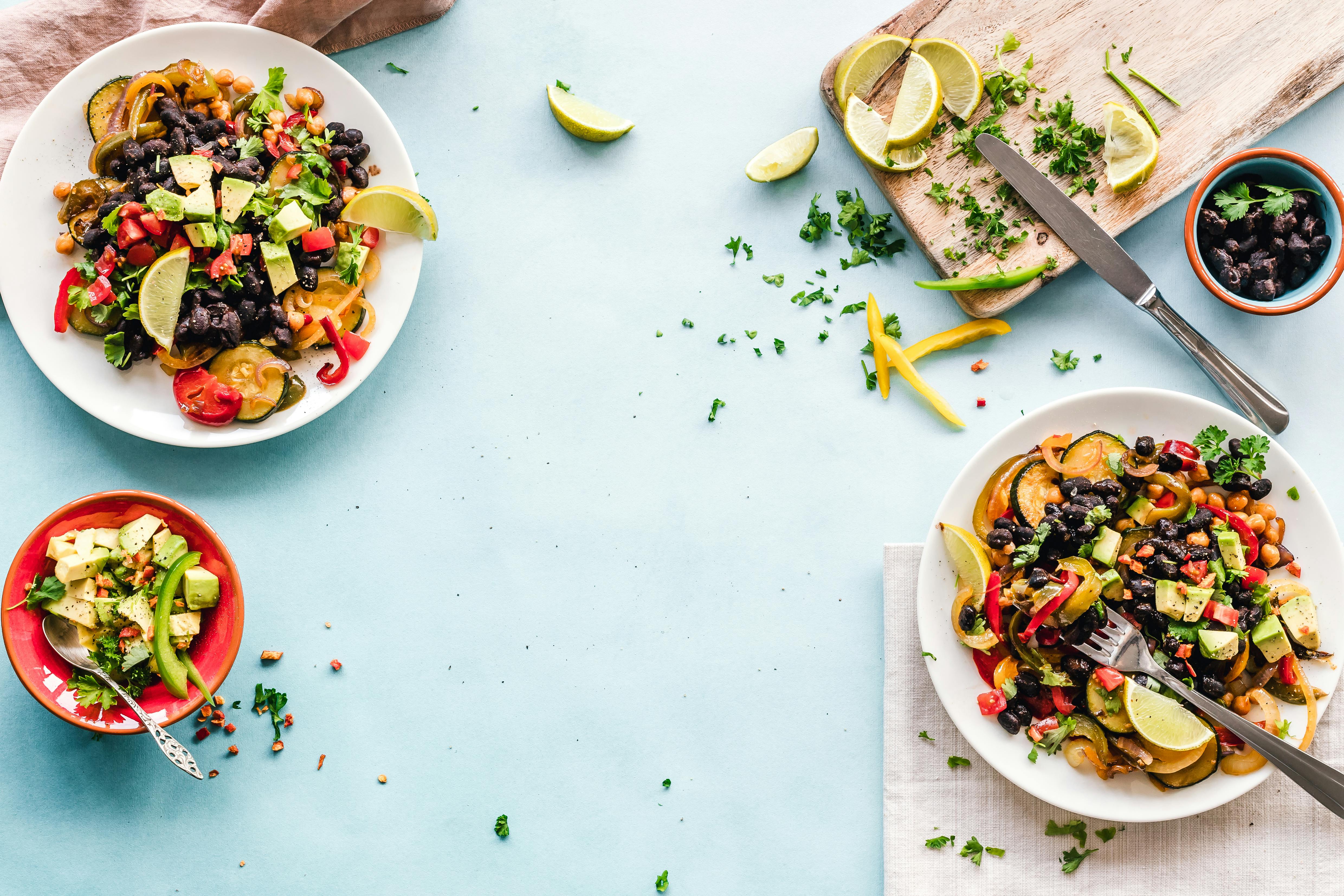
- ½ plate non‑starchy vegetables – leafy greens, broccoli, peppers, zucchini, mushrooms, cabbage.
- ¼ plate protein – beans, lentils, tofu or tempeh, fish, eggs, poultry, or lean meats.
- ¼ plate complex carbs – lentils, quinoa, farro, brown rice, oats, potatoes or sweet potatoes with skin.
- + Healthy fats – extra‑virgin olive oil, avocado, nuts, seeds, olives, tahini.
The result is visually stunning and metabolically friendly: colorful vegetables for fiber and antioxidants, proteins to support satiety and stable blood sugar, and slow‑digesting carbs to fuel muscles and the brain without the roller coaster.
PCOS, Prediabetes, GLP‑1 Medications & the Metabolic Conversation
This metabolic health framing doesn’t live in a vacuum. It’s tightly woven into communities dealing with PCOS, prediabetes, insulin resistance, and the rapidly evolving landscape of GLP‑1 medications used for diabetes and weight management.
In PCOS and insulin‑resistance forums, people swap recipes for high‑fiber breakfasts, share step‑count screenshots after dinner walks, and compare lab markers like fasting insulin and triglycerides. The emphasis is on gentle, sustainable shifts that can be maintained for years, not weeks.
Among GLP‑1 users, there’s growing interest in how to support improved metabolic markers through food—whether or not they stay on the medications long term. Balanced plates rich in plants, protein, and whole grains are often presented as a way to “lock in” cardiometabolic gains and support muscle mass while appetite is reduced.
What the Evidence Really Supports for Metabolic Health
With so much noise around “glucose hacks,” it’s grounding to come back to what’s consistently backed by research. Across large studies and global dietary patterns, several themes reliably support better blood‑sugar control and cardiometabolic resilience.
- Raise fiber intake: Especially from vegetables, legumes, fruits, and whole grains. Fiber slows digestion, nourishes the gut microbiome, and supports healthier glucose and lipid levels.
- Prioritize lean and plant‑based proteins: Beans, lentils, tofu, fish, eggs, and lean meats help with satiety, muscle maintenance, and more stable post‑meal glucose.
- Reduce ultra‑processed foods: Limiting refined snacks, sugary drinks, and heavily processed convenience foods tends to improve insulin sensitivity and triglycerides over time.
- Move regularly: Not just gym sessions—walking, household chores, active commuting, and standing breaks all help muscles act as a glucose “sponge.”
- Sleep and stress: Though less flashy on social media, adequate sleep and stress management also meaningfully influence insulin sensitivity and cravings.
Many of the most viral hacks are simply clever, Instagram‑ready expressions of these core ideas. When you zoom out, the advice is refreshingly balanced: eat real food most of the time, build colorful and satisfying plates, and keep your body gently in motion.

A Practical Metabolic Health Plate You Can Build Tonight
To bring all this to life, here’s a simple, flexible “metabolic health” plate idea you can adapt with what you have on hand. Think of it as a template rather than a strict recipe—swap ingredients based on season, culture, and taste.
Sample Balanced Plate Template
- Vegetable base: Big handfuls of mixed greens, sautéed kale, roasted broccoli, or a mix of colorful veggies.
- Protein: Grilled chicken, baked tofu, pan‑seared salmon, hard‑boiled eggs, or a scoop of lentils or chickpeas.
- Complex carb: Half‑cup of quinoa, farro, brown rice, beans, or roasted sweet potato.
- Healthy fats: A drizzle of olive oil, sliced avocado, chopped nuts, seeds, or a spoonful of hummus or tahini.
- Flavor extras: Fresh herbs, lemon juice, spices, pickled onions, or a yogurt‑based sauce.
Layer your veggies first, add your protein and carbs, then finish with fats and flavor. Eat slowly, noticing how you feel not just right after the meal, but 2–3 hours later—steady energy, comfortable fullness, and a clear head are all signs your plate is working for your metabolism.

Beyond Weight Loss: Diet as Long‑Term Metabolic Care
Perhaps the most hopeful part of the metabolic health trend is how it reframes our relationship with food. Instead of treating eating as a short‑term project to manipulate the scale, more conversations are centering on how daily meals can:
- Support stable mood and energy across the day.
- Protect heart and brain health over the long term.
- Preserve muscle mass and mobility with age.
- Reduce the risk of type 2 diabetes and metabolic syndrome.
There will always be oversimplified hacks and one‑size‑fits‑all promises, but underneath the noise is a genuinely constructive shift: more whole foods, fewer extremes, and more respect for how our bodies respond to what we eat. That’s a trend worth nourishing.
Wherever you are on your food journey—curious beginner, long‑time home cook, or seasoned biohacker—remember that consistency beats perfection. Start with one meal, one walk, one extra serving of vegetables. Metabolic health isn’t built in a week; it’s gently layered, plate by plate.
