Why Measles Is Surging in the U.S. in 2025—and How You Can Protect Your Family
Measles cases in the U.S. have surged past 2,000 in 2025, putting the country on the brink of losing its hard‑won “elimination” status and leaving many families anxious, frustrated, and frankly exhausted by yet another infectious disease headline. If you are wondering what this actually means for your daily life—and how to keep the people you love safe—you are not alone.
In this article, we will unpack what the 2025 measles surge really signals, why a vaccine‑preventable disease is making such a strong comeback, and the practical, evidence‑based steps you can take today to reduce risk for yourself, your kids, and your community.

The 2025 Measles Surge: What’s Happening Now?
According to the latest data from the U.S. Centers for Disease Control and Prevention (CDC), more than 2,000 measles cases have been reported nationwide in 2025. At least three people have died and hundreds have required hospitalization for complications such as pneumonia and severe dehydration. This is the highest annual toll seen in decades.
The U.S. has held measles “elimination status” since 2000, meaning the virus was no longer spreading continuously in the country. The current spike is putting that status at real risk. Losing elimination does not mean measles is suddenly uncontrollable, but it does mean:
- We are seeing sustained transmission over many months.
- Domestic outbreaks are less dependent on imported (travel‑related) cases.
- Public health systems must work harder—and spend more—to contain spread.
Many of the 2025 cases are clustered in communities with lower childhood vaccination rates, but outbreaks have also spread through schools, airports, and health‑care settings where people are in close contact.
Why Is Measles Back? Four Main Drivers Behind the Surge
Measles has not “mutated to become stronger.” Instead, several human‑driven factors have lined up at the same time:
- Falling vaccination coverage in pockets of the country
Many communities have slipped below the 95% MMR coverage needed for herd immunity. Even if state‑wide rates look acceptable, local pockets with lower uptake can act as “dry brush” for measles sparks. - Pandemic‑era delays in routine childhood shots
COVID‑19 disrupted pediatric visits, which left some children missing or delaying their measles‑mumps‑rubella (MMR) doses. Those kids are now in daycare and school. - Increased travel and gatherings
As international travel and large events rebounded, imported cases from countries experiencing measles outbreaks have seeded U.S. transmission chains. - Misinformation and mistrust
Non‑evidence‑based claims about vaccines spread rapidly online, sometimes drowning out quieter, nuanced medical advice.
“Measles has one of the highest R0 values of any infectious disease we know—one person can infect up to 18 others. When coverage drops even a little, the virus takes full advantage.”
— Pediatric Infectious Disease Specialist, academic medical center (2025)
The good news is that every one of these drivers is addressable. You cannot control global outbreaks—but you can close vaccination gaps in your household and influence your local community.
How Dangerous Is Measles, Really?
For many adults who never witnessed measles firsthand, it can sound like a routine childhood rash. In reality, measles is one of the most contagious—and potentially serious—viral infections.
- 1 in 5 unvaccinated people in the U.S. who get measles may require hospitalization, based on past outbreak data.
- Common complications include ear infections, pneumonia, and severe dehydration.
- Rare but devastating complications like encephalitis (brain swelling) can lead to permanent disability or death.
- Years later, a condition called subacute sclerosing panencephalitis (SSPE) can occur after measles infection, causing progressive brain damage.
Measles is most dangerous for:
- Babies under 12 months who are too young for full vaccination
- Pregnant people
- Individuals with weakened immune systems (for example, from chemotherapy or certain medications)
What We Know About the Measles (MMR) Vaccine in 2025
The measles‑mumps‑rubella (MMR) vaccine has been in use for more than 50 years and remains the single most effective tool for preventing measles. It does not offer a 100% guarantee, but its protection is exceptionally strong.
- One dose of MMR is about 93% effective at preventing measles.
- Two doses are about 97% effective.
- Breakthrough infections in vaccinated people tend to be milder with fewer complications.
Extensive research has examined concerns about autism, chronic illness, and immune “overload.” Large, high‑quality studies across multiple countries have found no credible link between MMR vaccination and autism or other neurodevelopmental disorders. The original paper that raised this concern was retracted for serious misconduct.
“If I had to name the single most important intervention in my pediatric practice, it would be routine childhood vaccines. My own children received the MMR on schedule.”
— Community Pediatrician, parent of three
As with any medical intervention, the MMR vaccine can cause side effects—most commonly mild fever, soreness, or a temporary rash. Severe allergic reactions are very rare, and clinics are trained to handle them quickly if they occur.
Practical Steps to Protect Yourself and Your Family Right Now
Feeling overwhelmed by headlines is understandable, but you have more control than it may seem. These steps are grounded in current public health guidance for 2025.
1. Confirm your vaccination status
Start by figuring out where you and your family stand:
- Check your own immunization record or ask your primary care clinic.
- Review your children’s shot records (often available through school or your state immunization registry).
- If records are incomplete or unavailable, talk with your clinician; in many cases, it is safe and reasonable to re‑vaccinate.
2. Follow the recommended MMR schedule
As of 2025, the standard CDC schedule (which your provider can confirm and tailor) is:
- First dose: 12–15 months of age
- Second dose: 4–6 years of age (can be given earlier as long as the two doses are at least 28 days apart)
Some adults born after 1957 who never received MMR—or only had one documented dose—may be advised to get vaccinated, especially if they work in health care, education, or travel internationally.
3. Ask questions—then decide with your clinician
If you have hesitations, you deserve clear, respectful answers. Consider bringing questions like:
- “What side effects should I realistically expect for my child?”
- “How does the risk of measles compare to the risk of the vaccine?”
- “Are there any medical reasons my child should delay or avoid MMR?”
A trustworthy clinician will not pressure you with scare tactics, but will walk through benefits and risks in the context of your family’s health history.
4. Reduce exposure during local outbreaks
If your local health department reports active measles transmission, especially in schools or child‑care centers, consider temporary precautions:
- Avoid bringing unvaccinated infants or immunocompromised family members to crowded indoor spaces with poor ventilation.
- Monitor public health alerts about exposure sites (for example, specific airports, clinics, or events).
- Follow quarantine or isolation guidance promptly if you are identified as a close contact.
5. Support community‑level protection
Measles exploits gaps in the social fabric. A few ways to strengthen that fabric:
- Share reliable information from sources like the CDC, WHO, and your local health department.
- Encourage schools, faith communities, and employers to host Q&A sessions with health professionals.
- Offer practical help—like rides or childcare—to caregivers who want to vaccinate but face logistical barriers.
None of these steps is perfect protection on its own, but together they significantly lower the odds of serious illness in your family and your neighborhood.
A Real‑World Snapshot: How One Community Reversed a Measles Spike
In early 2025, a mid‑sized U.S. city saw a sudden cluster of more than 70 measles cases linked to a few schools with lower vaccination rates. Local pediatric wards filled quickly, and several children required intensive care support for pneumonia.
Instead of leaning only on mandates or blame, the local health department partnered with school nurses, parent groups, and faith leaders to focus on:
- Transparent weekly briefings with data on hospitalizations and recoveries.
- Walk‑in vaccine clinics with extended evening and weekend hours.
- On‑site interpreters and culturally grounded messaging.
- Space for parents to ask hard questions without being shamed.
Within three months, those schools increased two‑dose MMR coverage from about 86% to over 95%. New cases dropped to zero for several weeks, allowing the community to avoid losing elimination status at the regional level.
Your town’s path will look different, but this example illustrates that empathetic communication, practical access, and consistent data sharing can turn a frightening curve into a manageable one.
Common Obstacles—and How to Work Through Them
Even when people want to protect their families, real barriers get in the way. Here are some you may recognize, with practical ways to address them.
“I’m not against vaccines, I just feel unsure.”
Vaccine “hesitancy” is often about uncertainty, not opposition. Try:
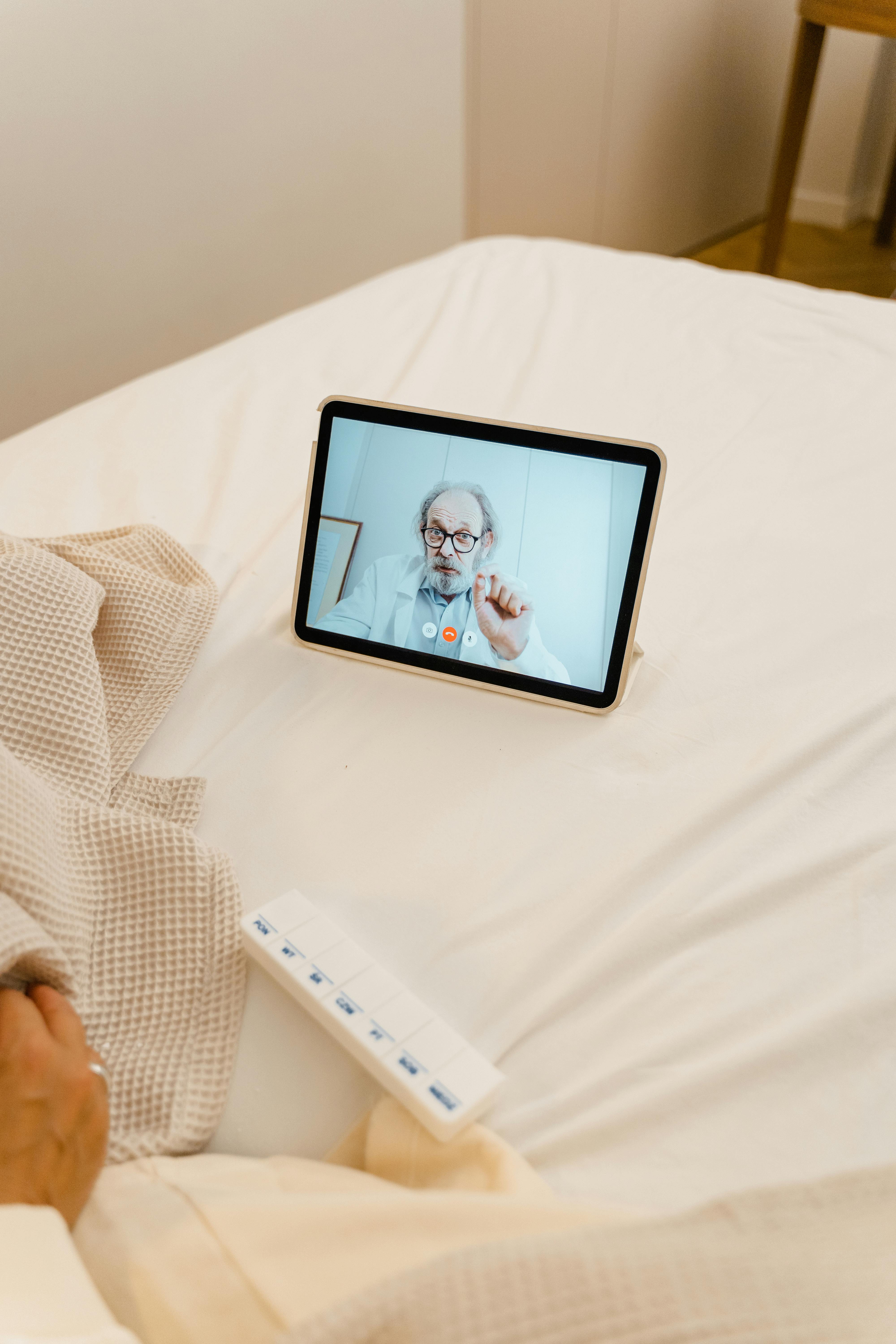
- Scheduling a dedicated visit or telehealth call just to discuss vaccines.
- Asking your clinician which resources they trust and why.
- Giving yourself permission to say, “I need time to read this, then I’ll decide.”
“We can’t afford to take time off work.”
Access is a genuine equity issue. Options may include:
- Pharmacies or urgent care centers with evening/weekend hours.
- Community health events at schools, libraries, or places of worship.
- Asking your employer whether vaccine appointments qualify for paid time off.
“I had a bad reaction last time and I’m scared.”
Previous reactions deserve careful review. Bring as many details as you can remember (timing, symptoms, how long they lasted). An allergist or immunologist can help distinguish between common side effects and true contraindications, and can sometimes supervise future doses in a monitored setting.
Visual Guide: From Vulnerable to Protected
The comparison below summarizes how measles risk changes once communities reach high vaccination coverage.
| Scenario | What happens when measles arrives? |
|---|---|
| Low vaccination (under 90%) | One case can spark fast‑moving outbreaks, especially in schools and close‑knit communities. |
| Borderline coverage (90–94%) | Outbreaks are smaller but still occur, often spreading to infants and medically vulnerable people. |
| High coverage (95%+) | Chains of transmission tend to fizzle quickly, protecting those who cannot be vaccinated. |
Where to Find Reliable, Up‑to‑Date Information
The data behind measles guidance evolves as new outbreaks and studies emerge. These sources regularly update their recommendations:
- CDC: Measles (Rubeola) — current U.S. case counts, travel notices, and vaccine guidance.
- World Health Organization: Measles — global outbreaks and elimination efforts.
- Your state or local health department website — localized alerts and clinic locations.
- Reputable children’s hospitals and academic medical centers, which often host Q&A pages on vaccines and infectious diseases.
When evaluating other sources, ask: Who is behind this information? Are they citing recognized health agencies or peer‑reviewed research? Are conflicts of interest clearly disclosed?
Moving Forward: Calm, Informed Action Beats Fear
Living through yet another public health scare in 2025 can feel deeply unfair. Measles was supposed to be “solved.” But the resurgence does not erase decades of progress, and it does not mean you are powerless.
By confirming your family’s vaccination status, asking the questions you need answered, and staying tuned to trusted local guidance, you can dramatically reduce the risk of serious illness—and help protect infants, pregnant people, and neighbors with weaker immune systems who rely on your immunity for their safety.
You do not have to become an infectious‑disease expert overnight. Your next right step might be as simple as:
- Checking your or your child’s vaccine record.
- Putting a reminder on your calendar to call your doctor’s office.
- Sharing one reliable resource with a friend who is worried.
Take one small, specific action today. Over time, those individual choices are exactly what push us back from the brink of losing measles elimination and toward a safer, more resilient future.