
Why Everyone’s Massaging Their Scalp Now (And What Dermatologists Really Think)
If your social feeds are suddenly filled with slow‑motion scalp massages, misty “head spas,” and promises of transformational hair growth, you’re not alone. A new scalp‑care craze has people booking luxury head spa sessions—sometimes for hundreds of dollars a visit—in hopes of thicker, shinier, healthier hair. Dermatologists, though, are looking at the trend with a bit of side‑eye, asking: what really works, what’s harmless self‑care, and what might be a waste of money?
In this guide, we’ll unpack what science actually says about scalp massage and professional head spa treatments, how they may affect hair growth, and how to build a realistic, dermatologist‑informed scalp‑care routine at home—without draining your bank account.
The Scalp Craze: Relaxing Ritual or Real Hair‑Growth Hack?
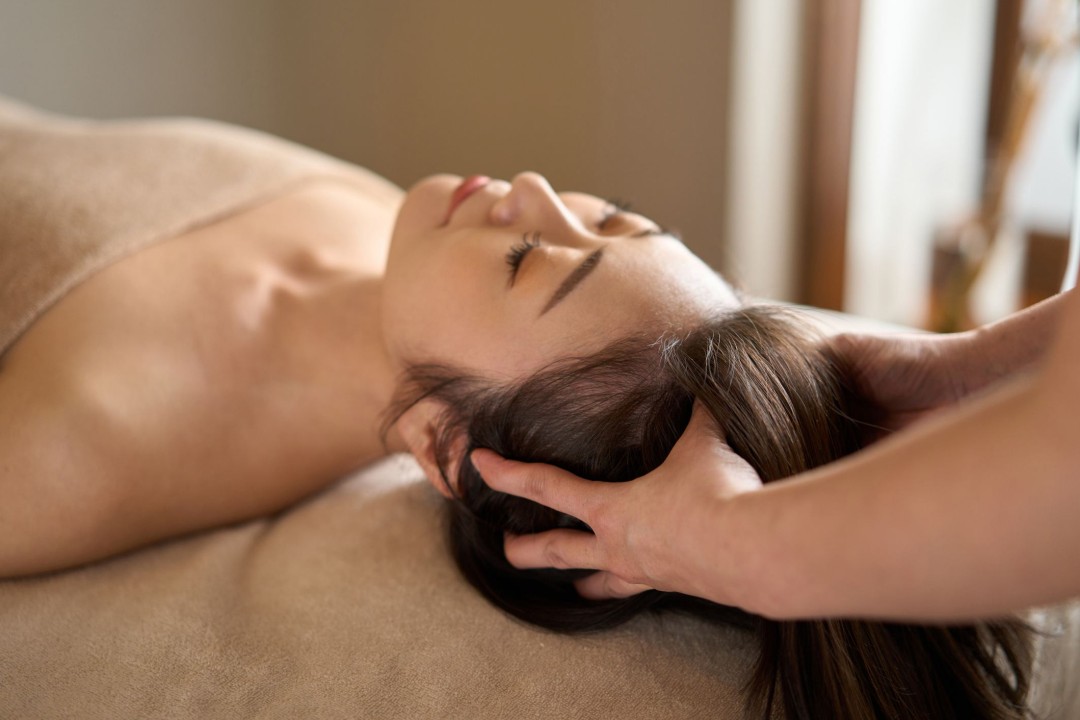
The appeal is obvious: you lie back in a reclining chair, someone gently massages your scalp with oils, warm water, and high‑tech gadgets, and for an hour you forget about everything else. If those sessions could also regrow thinning hair, most of us would sign up tomorrow.
“Scalp massage can support scalp health and may slightly improve hair thickness in some people—but it’s not a magic cure for pattern hair loss,” notes many board‑certified dermatologists when asked about the trend.
Let’s walk through what’s real, what’s hype, and how to care for your scalp in a way that’s both science‑backed and genuinely enjoyable.
Why Everyone Suddenly Cares About Scalp Health
For years, hair care focused almost entirely on lengths and ends—serums, masks, and hot tools. The scalp was an afterthought, hidden under dry shampoo. Now, social media and luxury salons are reframing the scalp as “the soil” your hair grows from.
At the same time, more people are noticing hair shedding and thinning, often linked to:
- Post‑COVID or other illness‑related shedding
- High stress and poor sleep
- Hormonal shifts (postpartum, perimenopause, thyroid issues)
- Nutritional gaps or restrictive dieting
- Genetic pattern hair loss (androgenetic alopecia)
When you’re watching your ponytail get thinner, the idea that a relaxing treatment or simple massage might “fix” everything is extremely tempting—and marketers know that.
What Science Actually Says About Scalp Massage and Hair Growth
The research on scalp massage is small but interesting. A few studies suggest that consistent, gentle scalp massage may:
- Increase blood flow to hair follicles
- Stretch hair follicle cells in a way that could signal growth factors
- Improve perceived hair thickness over several months of regular use
One often‑cited small study asked participants to perform daily scalp massage for several months; some reported thicker hair and improved density. However, these studies are limited:
- Small sample sizes
- No long‑term data on preventing genetic hair loss
- Mixed methods (different massage tools and techniques)
Experts generally agree: “Scalp massage can be a helpful adjunct to proven treatments like minoxidil or oral medications, but it’s unlikely to reverse established pattern hair loss on its own.”
In other words, scalp massage is supportive, not a stand‑alone cure. It can boost circulation, reduce stress, and help keep the scalp environment healthy—which all matter—but it’s not equivalent to a prescription medication.
Inside a Luxury Head Spa: What You’re Really Paying For
A high‑end head spa session can cost anywhere from $80 to $300+ depending on the location and add‑ons. Typical offerings might include:
- Detailed scalp and hair analysis with a magnifying camera
- Cleansing with specialized shampoos or scalp exfoliants
- Extended manual massage, sometimes with aromatherapy oils
- Scalp steaming or warm towel wraps
- LED light therapy or microcurrent devices (in some spas)
From a dermatologist’s perspective, the biggest potential benefits are:
- Thorough scalp cleansing (removing product buildup and excess oil)
- Mechanical exfoliation (flaking, mild seborrheic dermatitis)
- Stress reduction from the relaxing experience
What’s more uncertain are the dramatic “before and after” hair growth promises some services hint at. Most devices used in salons (like handheld LED or microcurrent tools) are weaker versions of medical‑grade therapies and aren’t regulated or standardized in the same way.
Realistic Benefits vs. Hype: What to Expect (and What Not To)
It’s completely understandable to hope that one luxurious session could “reset” your hair. But to stay grounded, it helps to separate likely benefits from overblown claims.
Likely Benefits of Gentle Scalp Care
- A cleaner, less itchy, and less flaky scalp
- Improved comfort if you’ve been relying heavily on dry shampoo
- A temporary boost in hair volume from thorough cleansing
- Reduced stress and muscle tension from massage
- Better absorption of topical treatments (like minoxidil) on a clean scalp
Benefits That Are Often Overpromised
- Regrowing hair in areas of long‑standing balding
- “Curing” genetic or hormonal hair loss
- Permanent thickening after one or two sessions
- Reversing severe medical hair loss without meds or medical care
If a salon or influencer suggests that a single scalp treatment can replace evidence‑based therapies (like minoxidil, finasteride, spironolactone, or PRP under medical supervision), that’s a red flag.
Think of scalp massage and head spas as supportive wellness practices—similar to a good facial for your skin—not as a replacement for medical diagnosis and treatment when it’s needed.
A Dermatologist‑Informed Scalp‑Care Routine You Can Do at Home
You don’t have to spend hundreds of dollars to support scalp health. With a few simple steps, you can build a thoughtful routine at home. Here’s a balanced, evidence‑informed approach many dermatologists are comfortable with.
1. Start With Smart Cleansing
- Frequency: Most scalps do well with washing every 1–3 days. Very oily scalps or those prone to dandruff often need more frequent washing.
- Technique: Use your fingertips (not nails) to gently massage the shampoo into your scalp for 1–2 minutes, then rinse thoroughly.
- Products: If you have flakes or itching, consider rotating in a medicated shampoo (zinc pyrithione, ketoconazole, salicylic acid, or selenium sulfide) once or twice a week per label or your doctor’s guidance.
2. Add a Simple Scalp Massage Routine
Consistency matters more than intensity. Aim for gentle, daily or near‑daily massage.
- With clean hands (and ideally on a clean scalp), place fingertips at your hairline.
- Use small circular motions, moving across your scalp, applying light to moderate pressure—no scraping.
- Spend about 3–5 minutes total, once or twice per day.
- If you use a massaging tool, choose one with soft, flexible tips and avoid aggressive pressure.
3. Consider Oils and Serums Carefully
- Lightweight oils (like argan or jojoba) can improve comfort and reduce dryness but don’t directly regrow hair.
- Medicated serums containing minoxidil, peptides, or anti‑inflammatory ingredients may help when backed by clinical data.
- Avoid heavy oils or frequent “oil soaking” if you have dandruff or seborrheic dermatitis—they can worsen yeast overgrowth on the scalp.
4. Support Hair Health From the Inside
No scalp massage can fully compensate for internal issues. Work with your clinician to address:
- Iron, vitamin D, and B12 status if you’re at risk of deficiency
- Thyroid function, especially if you have fatigue, weight changes, or menstrual irregularities
- Protein intake (hair is made of keratin, a protein)
- Chronic stress, poor sleep, and unmanaged anxiety
Common Obstacles (And How to Work Around Them)
Even the best routine can fall apart if it doesn’t fit your real life. Here are a few common roadblocks people run into with scalp care.
“I Don’t Have Time for a 10‑Step Routine.”
You don’t need one. Try this ultra‑simple version:
- Wash your hair as usual, but spend an extra 60–90 seconds massaging your scalp with shampoo.
- Do a 2–3 minute dry scalp massage before bed while reading or watching TV.
- Add medicated shampoo or topical treatments only if recommended by a professional.
“My Scalp Gets Irritated Easily.”
- Patch‑test any new product on a small area for a few days first.
- Avoid harsh physical scrubs or tools with stiff bristles.
- Stick with fragrance‑free or low‑fragrance formulas when possible.
- If you have a known condition (like psoriasis or eczema), ask your dermatologist what’s safe.
“I’m Afraid I’ll Lose More Hair If I Touch My Scalp.”
Gentle massage shouldn’t cause long‑term increased shedding. You may see hairs that were already in the shedding phase (telogen) loosen and fall—that’s normal. However:
- If you notice clumps of hair coming out, stop and seek medical advice.
- Use only light pressure and avoid pulling or tugging on strands.
- Skip massage entirely if you have active inflammation, infection, or pain.
What Dermatologists Tend to Recommend Instead of Trend‑Hopping
While individual opinions vary, many board‑certified dermatologists share similar core advice when patients ask about the latest scalp or hair growth trend:
- Get a proper diagnosis before spending heavily on cosmetic treatments.
- Use evidence‑based therapies when appropriate (topical minoxidil, oral medications, low‑level laser devices with clinical data, PRP under medical supervision).
- Support scalp health with gentle cleansing, treating dandruff, and avoiding harsh chemical or heat damage.
- Layer in wellness practices like stress reduction, sleep hygiene, and nutrition as foundational support.
“I don’t mind if patients enjoy head spa treatments as a form of self‑care,” one dermatologist told a reporter. “I just want them to understand the limits—and not delay medical care while a treatable condition gets worse.”

A Realistic “Before and After”: Expect Gradual Changes, Not Overnight Miracles
To keep expectations grounded, imagine this more realistic scenario rather than a dramatic overnight transformation.
Before
- Uses dry shampoo daily and only washes hair once a week
- Noticeable scalp itching and flaking, especially around the hairline
- Feels stressed, sleeps poorly, and worries constantly about shedding
- Hasn’t seen a doctor despite 6+ months of ongoing hair thinning
After 6–12 Months of Evidence‑Informed Care
- Washes hair every 1–3 days with gentle technique and medicated shampoo as directed
- Scalp is more comfortable, less flaky, and less oily at the roots
- Incorporates 3–5 minutes of gentle massage most days as a stress‑reducing ritual
- Has seen a dermatologist, started appropriate treatment for the specific type of hair loss, and is tracking progress realistically
- Feels more in control because there is a plan, not just a string of expensive impulse treatments
Putting It All Together: How to Move Forward Thoughtfully
You don’t have to swear off scalp massages or head spas to be “scientific”—you just need to place them in the right context. They can be a lovely form of relaxation and scalp hygiene, but they’re not a substitute for medical care when you’re facing true hair loss.
If you’re curious about the trend, you might:
- Book an evaluation with a dermatologist or qualified clinician if you’ve noticed ongoing thinning or sudden shedding.
- Start a simple home routine with regular, gentle washing plus 3–5 minutes of light scalp massage most days.
- Try a head spa if it fits your budget and you enjoy spa experiences—just go in for relaxation and scalp comfort, not miracle hair growth.
- Be skeptical of bold “cure‑all” claims that dismiss proven treatments or promise overnight regrowth.
Your scalp deserves care, but so does your peace of mind. With a mix of evidence‑based treatment, realistic expectations, and a bit of soothing ritual, you can support healthier hair from the roots up—without falling for every new craze that hits your feed.
If you’re ready to take the next step, consider keeping a simple “hair and scalp journal” for the next 3 months: track washing, products, stress levels, and shedding. Bring it to your dermatologist appointment—it’s one of the most practical, low‑cost tools you can use to get truly personalized advice.
