
Why the Apple–Epic App Store War Is Rewriting the Rules of Mobile Platforms
The fight between Apple and Epic Games over App Store rules has turned into a global test case for platform power. Courts, regulators, developers, and users are all asking the same question: how much control should a mobile platform owner have over what runs on its devices—and on what terms?
At stake is far more than one popular game. The outcome will influence fee structures across app stores, shape privacy and security expectations, and determine whether future developers can reach customers without going through a single corporate gatekeeper.
Mission Overview: How the Apple–Epic Conflict Began
In August 2020, Epic Games secretly shipped an update to Fortnite on iOS that introduced a direct payment option, bypassing Apple’s in‑app purchase (IAP) system and its 30% commission. Apple quickly removed Fortnite from the App Store. Epic responded with a pre‑prepared lawsuit, a parody ad of Apple’s iconic “1984” commercial, and a coordinated PR campaign.
Epic framed Apple’s conduct as textbook monopolistic behavior: using control over iOS to force developers into its payment system and suppress competing app stores. Apple countered that its integrated model funds developer tools, maintains a safe and private ecosystem, and that Epic simply wanted “a free ride” on the platform’s infrastructure.
- Epic’s goal: Open iOS to alternative app stores and payment methods, and reduce fees.
- Apple’s goal: Preserve a curated, tightly controlled platform with IAP as the default, and maintain its service revenue stream.
- Regulators’ goal: Prevent abuse of gatekeeper power while minimizing harm to privacy, security, and innovation.
“Mobile platforms have become critical infrastructure for commerce and speech. The question is not whether they can exercise control, but whether that control is being used to unlawfully maintain power.”
— Antitrust scholar interpreting recent U.S. enforcement trends
Key Legal Battles and Antitrust Findings
The flagship case in the United States, Epic Games v. Apple, went to trial in 2021. In 2021 and 2023 rulings, U.S. courts largely rejected Epic’s claim that Apple was an illegal monopolist under federal antitrust law, yet they did find parts of Apple’s conduct problematic under California’s Unfair Competition Law.
United States: Mixed but consequential outcomes
- Market definition dispute: Epic argued that iOS app distribution and in‑app payment processing are separate, tightly controlled markets in which Apple has monopoly power. Apple argued that the relevant competitive landscape includes Android, consoles, and other gaming platforms.
- Monopolization claims: Courts found insufficient evidence that Apple was a monopolist in a properly defined antitrust market, though they acknowledged Apple holds “considerable market power” in mobile app distribution.
- Anti‑steering remedies: Judges held that Apple’s anti‑steering rules—blocking developers from pointing users to external payment options—were unlawfully anti‑competitive, leading to orders that Apple allow links or messaging to alternative payment options in certain circumstances.
Parallel to Epic’s lawsuit, the U.S. Department of Justice and state attorneys general have intensified scrutiny of mobile platforms. As of late 2024 and into 2025, enforcement priorities increasingly focus on:
- Self‑preferencing of platform‑owned apps and services
- Restrictions that lock in users and developers
- Fee structures that may foreclose rival business models
“When a dominant platform also competes with the businesses that depend on it, the incentive to tilt the playing field is ever‑present.”
— U.S. antitrust enforcer on digital platform investigations
Europe’s Digital Markets Act and Apple’s Gatekeeper Obligations
While U.S. antitrust law moves relatively slowly, the European Union’s Digital Markets Act (DMA) imposes proactive obligations on “gatekeepers” such as Apple. The DMA explicitly targets practices that lock users and developers into a single ecosystem.
DMA requirements most relevant to Apple
- Allowing third‑party app stores and alternative distribution mechanisms on iOS in the EU
- Permitting developers to use their own payment systems and inform users about cheaper options
- Reducing barriers to switching defaults (e.g., browsers, search engines) and uninstalling pre‑installed apps
- Prohibiting self‑preferencing in rankings and access to APIs
Apple has responded with region‑specific changes in the EU, including new fees and “Core Technology” charges for certain distribution models. These new models have triggered another round of regulatory review and developer criticism, as some argue Apple is “complying in form but not in spirit” with the DMA.
“The DMA is not about micromanaging business models; it is about ensuring contestability where one firm controls a critical gateway.”
— Senior EU competition official commenting on gatekeeper rules
Technology and Architecture: Why App Stores Are So Central
To understand the Apple–Epic conflict, it helps to examine how mobile platforms are built. iOS combines hardware, operating system, app distribution, payment processing, and security controls into a vertically integrated stack. This integration delivers both user benefits and regulatory risk.
Key technical components of Apple’s control
- Code signing and notarization: All executable code must be signed by a trusted certificate and, for App Store apps, reviewed by Apple. This gatekeeping mechanism is essential to iOS security but also central to Apple’s economic control.
- Sandboxing: Apps are confined to isolated sandboxes with strict permission systems. This reduces malware impact but constrains how apps can interact and distribute additional code.
- In‑App Purchase (StoreKit): Apple’s proprietary payment framework, tightly integrated with Apple ID, device security, and parental controls. It simplifies subscriptions and refunds but routes revenue through Apple.
- Private vs. public APIs: Apple retains exclusive access to some low‑level capabilities, potentially advantaging its own apps in performance or functionality.
Epic’s ideal world would decouple these layers, enabling:
- Alternative app distribution channels (e.g., Epic Games Store for iOS).
- Independent payment processors with lower fees or tailored terms.
- More flexible integration between apps and cross‑platform service stacks.
Security and privacy advocates, however, warn that opening side‑loading and third‑party stores on iOS—especially if done poorly—could expand the attack surface for phishing, malware, and data‑harvesting SDKs.
Visualizing the Mobile Platform Ecosystem

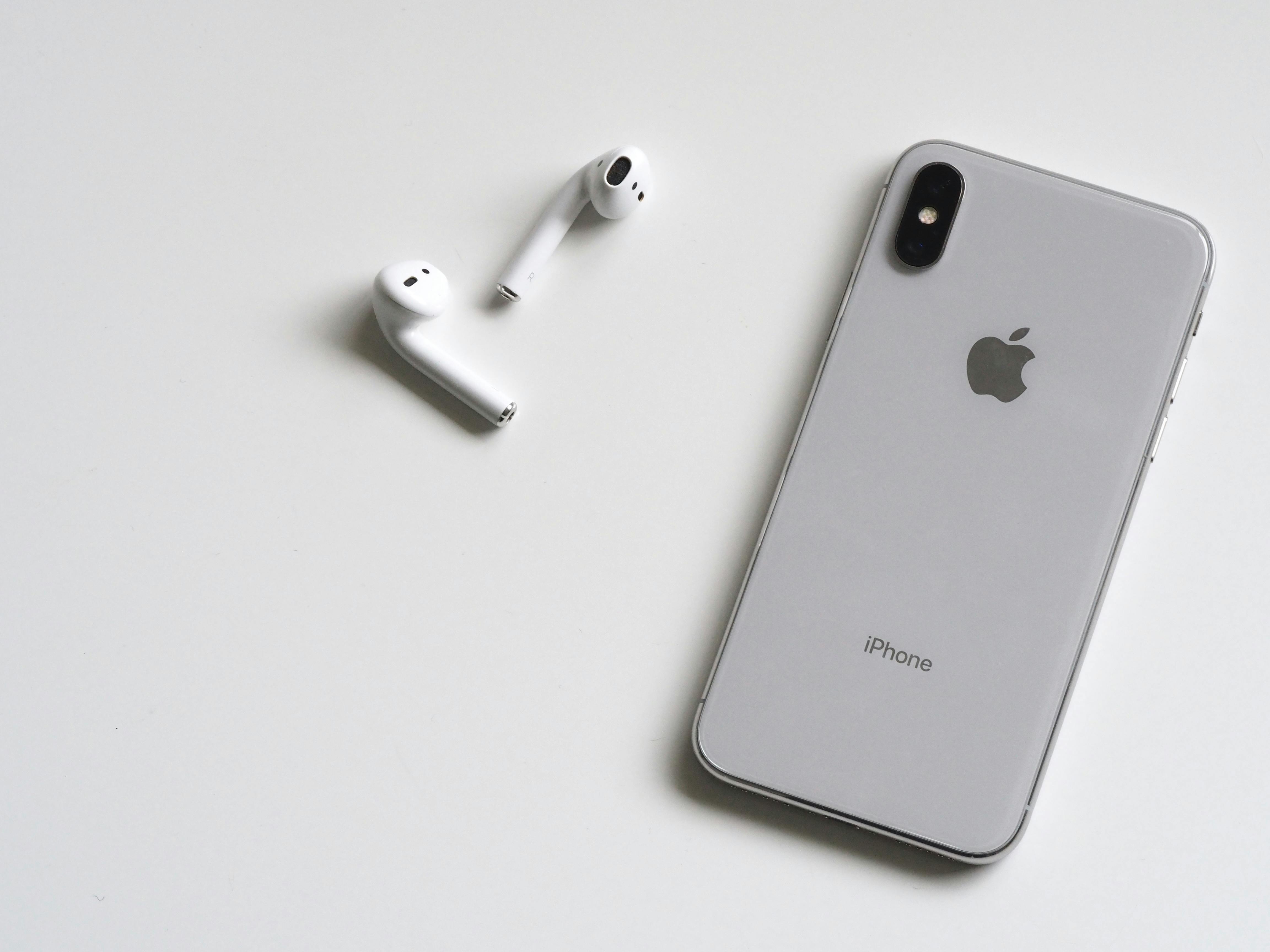


Developer Economics: Fees, Lock‑In, and Business Models
For many developers, App Store policies are not an abstract legal issue; they determine whether a product can survive. Apple’s standard commission has traditionally been 30% on paid apps and in‑app purchases, with a reduced 15% rate for smaller developers (under the Small Business Program) and for long‑running subscriptions.
Why fees matter so much
- Tight margins: Subscription apps—especially in media, productivity, and education—often run on thin margins, making double‑digit fees painful.
- Price parity pressures: Apple’s rules often push developers to maintain the same pricing across platforms, constraining their ability to escape App Store fees by charging differently on the web.
- Negotiating leverage: Only the largest players can negotiate bespoke deals or gain special exemptions.
Some developers respond by building robust web apps (PWAs) and routing customers to sign up via browsers instead of iOS IAP. Others design “hybrid” models, where content discovery happens in‑app, but account creation and premium upgrades occur on the web.
“Every rule change from Apple can flip a SaaS startup’s unit economics overnight. For founders, regulatory updates are now a core business risk, not background noise.”
— Mobile SaaS investor commenting on App Store policy volatility
Scientific Significance: Platform Power, Network Effects, and Governance
From a science and technology policy perspective, the Apple–Epic conflict is a living case study in platform economics, network effects, and digital governance. Researchers in law, economics, and computer science are using it to test theories about platform dominance.
Key concepts illuminated by the saga
- Two‑sided markets: App stores sit between developers and users. Pricing and rules on one side (developers) directly influence welfare on the other (users), creating complex trade‑offs.
- Network effects: The more users iOS has, the more attractive it is for developers; the more apps iOS has, the more users stick with it. This mutual reinforcement can entrench incumbents.
- Switching costs and lock‑in: iMessage, iCloud, App Store purchases, and platform‑specific APIs increase the cost for users to switch to Android—or vice versa—raising questions about “effective” competition.
- Governance models: Centralized (Apple‑style) vs. federated or open (web‑style) governance create different security, privacy, and innovation profiles.
Empirical work—often published in venues like the Journal of Industrial Economics and policy reports from organizations like the OECD—uses App Store data to study how rule changes affect entry, pricing, and innovation.
Milestones in the Apple–Epic–App Store Timeline
Although the narrative continues to evolve into 2025, several milestones frame the conflict and the broader regulatory push.
Selected milestones
- Pre‑2020: Growing developer discontent over Apple’s 30% commission and inconsistent enforcement of App Store guidelines.
- August 2020: Epic introduces direct payment in Fortnite; Apple removes the app; Epic files suit and launches a public campaign.
- 2021: U.S. trial and initial ruling in Epic Games v. Apple, with mixed outcomes but important anti‑steering remedies.
- 2022–2023: Appeals refine the legal reasoning; regulators in the EU intensify DMA preparations; other lawsuits challenge Google Play’s rules.
- 2024–2025: DMA enforcement pressures Apple to adjust EU‑specific fees, allow more distribution options, and relax some steering restrictions; additional litigation and regulatory investigations test whether Apple’s new models satisfy the law.
Tech outlets such as The Verge, Ars Technica, and Engadget have produced detailed, ongoing coverage that tracks each twist in both the legal and technical dimensions.
Challenges: Balancing Security, Competition, and Developer Freedom
The central policy challenge is to balance competition against security and privacy. Opening platforms too aggressively can unleash fraud, malware, and dark‑pattern monetization. Keeping them too closed can entrench incumbents and squeeze developers.
Primary tensions
- Security vs. openness: Apple argues that allowing side‑loading or alternative app stores—especially outside carefully sandboxed models—invites more malicious software. Critics respond that other ecosystems (e.g., desktop operating systems) manage security with less centralized control.
- Uniform rules vs. case‑by‑case deals: Uniform policies can minimize discrimination but may be rigid; one‑off deals with big developers can improve outcomes but risk favoritism.
- Regulatory risk vs. innovation: Overly prescriptive rules can freeze business models; too‑vague standards can encourage aggressive behavior until years‑later enforcement catches up.
Developers also face practical challenges:
- Monitoring evolving App Store guidelines and regional regulatory changes
- Implementing multiple payment and distribution flows across iOS, Android, and web
- Designing UX that remains user‑friendly while complying with anti‑steering and disclosure mandates
Practical Implications for Developers, Product Teams, and Investors
For practitioners, the Apple–Epic saga offers concrete lessons about platform dependency and strategic planning. Regardless of legal outcomes, platform rules will continue to change, often with little notice.
Strategic recommendations for app builders
- Design for multi‑platform resilience: Treat iOS, Android, and web as first‑class channels, reducing reliance on any single store.
- Own the customer relationship: Encourage account creation via email or privacy‑respecting identifiers so you are less dependent on in‑app purchase data.
- Monitor regulatory calendars: DMA deadlines, U.S. enforcement actions, and new guidance can open windows of opportunity for new pricing or distribution experiments.
- Build compliance into UX: Clear disclosures and transparent pricing—including external payment options where allowed—reduce enforcement and reputational risk.
For investors, understanding platform risks is now as critical as evaluating product‑market fit. A policy change from Apple or Google can instantly shift unit economics for gaming, streaming, or subscription apps.
Tools and Resources for Navigating App Store Policy Changes
Teams building mobile products often underestimate the complexity of compliance and revenue optimization. A mix of educational resources, analytics, and high‑quality development hardware can ease the burden.
Recommended learning and tooling
- Policy and legal insight: Follow practitioners on platforms like LinkedIn and subscribe to specialized newsletters that track App Store rule changes and antitrust investigations.
- Developer analytics: Use analytics platforms to run A/B tests on alternative onboarding and payment flows where permitted, assessing the impact of steering users to web checkout versus in‑app purchases.
- Hardware for cross‑platform development: A capable Mac is still essential for iOS development because of Xcode and signing requirements. Many teams rely on a powerful Apple Silicon machine such as the Apple 2023 MacBook Pro (M3, 14‑inch) to compile, test, and ship builds efficiently.
- Cross‑platform testing devices: Maintaining a small device lab with at least one current‑generation iPhone and Android flagship helps validate UX and performance across ecosystems.
You can also deepen your understanding with long‑form explainers and conference talks. For example, there are numerous in‑depth analyses on YouTube breaking down the Epic Games v. Apple litigation and antitrust implications, often featuring legal scholars and industry veterans.
Conclusion: The Future of Mobile Platforms After Apple–Epic
The Apple–Epic–App Store saga is not a simple story of “good” versus “bad” actors. It is a structural conflict baked into modern digital ecosystems: the same integration that makes platforms safe, private, and convenient can also make them powerful, opaque, and hard to challenge.
Over the next few years, we are likely to see:
- More regional fragmentation, with EU, U.S., and other jurisdictions imposing different app store obligations.
- Incremental opening—alternative payment options, limited third‑party stores—rather than a sudden move to fully open platforms.
- Continued experimentation with business models, from subscription bundles to web‑first strategies and progressive web apps.
- New conflicts, as AI‑powered apps, on‑device models, and ambient computing create fresh leverage points for platform owners.
For developers, the key is to treat platform policy as a first‑order constraint, not an afterthought. For regulators, the task is to curb abuses of gatekeeper power without undermining the security and reliability that users have come to expect from their mobile devices.
Additional Reading and Emerging Questions
As of late 2024 and into 2025, several emerging themes are shaping the next phase of the debate:
- AI and app distribution: How will rules adapt when core app value is delivered by large language models and on‑device AI rather than traditional UI‑centric apps?
- Alternative ecosystems: Will web apps, gaming clouds, and cross‑platform engines like Unreal and Unity reduce reliance on any single app store?
- Open‑source operating systems: Could new open mobile OS initiatives gain momentum if regulatory pressure weakens incumbent store advantages?
Watching how Apple, Epic, Google, regulators, and developers answer these questions will help anyone involved in technology, policy, or investing anticipate where mobile ecosystems are heading.
References / Sources
Further reading from reputable sources:
- Epic Games, Inc. v. Apple Inc. – U.S. court docket and filings
- European Commission – Digital Markets Act overview
- Apple – App Store Review Guidelines
- The Verge – Ongoing coverage of Apple, Epic Games, and App Store policies
- Ars Technica – In‑depth analysis of platform rules and antitrust cases
- OECD – Competition in the digital economy
