
Viral SF Bar Brawl: What the Shireen Afkari Case Says About Internet Fame and Real-World Consequences
A viral bar fight in San Francisco involving Shireen Afkari and local bartenders has become a flashpoint for debates about internet shame culture, bar security, and the blurry line between meme and real-life legal fallout, especially now that no charges have yet been filed. When a late-night confrontation turns into a trending clip, the court of public opinion often moves faster than any district attorney ever could.
SF “Drunk Woman” Bar Brawl: What Happens When a Viral Clip Meets Real-World Justice?
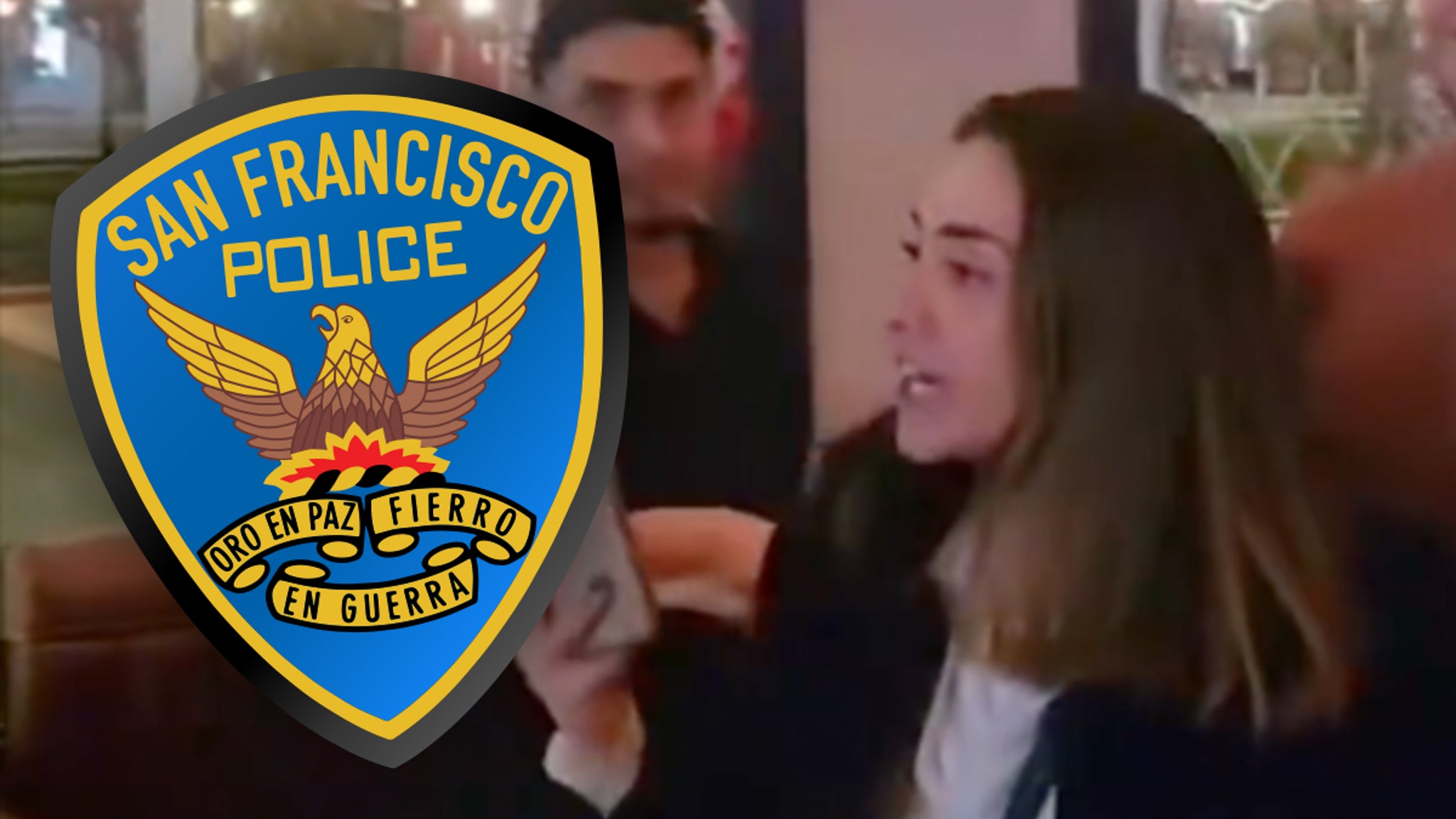
TMZ reports that Afkari, who became shorthand online as the “drunk woman” in the clip, has not yet pressed charges against the bartenders involved. That decision — or at least this current pause — is shaping how the story is being framed across social media, local gossip, and entertainment news.
How a Late-Night Bar Clash Turned Into a Viral Spectacle
The outline is familiar to anyone who’s spent time on TikTok, X, or Instagram Reels in the last few years: a messy confrontation, a bystander with a phone, and a clip that races around the internet faster than any context can keep up. In this case, the setting was a San Francisco bar, the mix reportedly involved a lot of alcohol and frayed tempers, and the main character became Shireen Afkari — whether she wanted that role or not.
The footage shows a chaotic physical dust-up between Afkari and bar staff, including bartenders who try to restrain and remove her. Depending on which timeline you scroll:
- Some viewers see it as justified intervention by staff protecting themselves and other patrons.
- Others see it as needlessly aggressive handling of an intoxicated woman who was clearly not in her best state of mind.
- Still others treat it as pure spectacle — just another “bar fight compilation” entry.
What sets the Afkari incident apart is less the choreography of the fight and more what came next: online sleuthing, doxxing threats, and a feverish attempt to turn a very local incident into a national morality play.
No Charges (Yet): What It Means That Shireen Afkari Hasn’t Pressed Charges
According to TMZ’s reporting, Afkari has not, as of now, filed charges against the bartenders involved in the confrontation. Legally, that opens several possibilities:
- She may never file, choosing instead to handle things privately or simply move on.
- She could still decide to press charges later, depending on counsel from a lawyer or any new developments.
- Authorities could act independently, though in bar-related altercations this is less common unless injuries or weapons are involved.
The public, of course, is often less patient. Social media loves neat narratives: villain, victim, and a satisfying arc of punishment. But real legal processes move slower, are more cautious, and involve factors invisible to people watching the clip on their phones.
“Viral justice and actual justice are running on two very different clocks. Online, we demand instant verdicts. In court, everyone is wary of footage that’s been clipped, edited, and stripped of context.”
Whether you think Afkari should press charges or not, her current stance highlights the tension between being thrust into the spotlight and then being expected to carry a legal crusade on top of it.
TMZ, Viral Villainy, and the Ethics of “Main Character of the Day” Culture
The involvement of TMZ is almost a ritual at this point. The outlet specializes in the collision zone between celebrity gossip, internet virality, and the broader entertainment ecosystem. A clip that might otherwise live in a Reddit thread suddenly becomes entertainment news content once a major outlet packages it.

Coverage like this does a few things at once:
- Amplifies the incident far beyond the local bar crowd who actually witnessed it.
- Fixes identities — “drunk woman,” “aggressive bartenders” — that may or may not match the fuller reality.
- Incentivizes spectatorship, encouraging people to watch, rewatch, and react, often devoid of nuance.
In the entertainment ecosystem, this is content — a real-world drama cut into clips, with a narrative arc and meme-ready sound bites. For the people involved, though, it’s their actual life, sometimes their livelihood, and in Afkari’s case, a reputation that may follow her for years.
Internet Fame Without Consent: From “Karen” Videos to Bar Brawls
Afkari’s situation sits in the same family tree as the “Karen” clips and public-freakout videos that dominate certain corners of YouTube and TikTok. The formula is always similar:
- Find an outrageous moment in public.
- Film it without asking.
- Upload it with a spicy caption that pre-frames the villain.
- Watch as strangers assign moral verdicts in the comments.

None of this absolves anyone of bad behavior. Being drunk in public, starting fights, or putting staff and patrons at risk is not a cute personality quirk. But the instant jump to turning a real person into a global meme raises legitimate questions about consent, privacy, and proportionality of punishment.
“We’ve normalized the idea that any worst moment of your life can be captured, uploaded, and litigated by millions of strangers before you’ve even sobered up.”
Afkari’s choice not to immediately pursue charges may be less about forgiveness and more about burnout: who wants to extend a viral nightmare into a months-long legal saga under the same spotlight?
Bartenders, Boundaries, and the Reality of Nightlife Security
Lost in the discourse is the fact that bartenders are, functionally, part-time security staff. They’re expected to:
- Cut people off when they’re clearly overserved.
- Break up conflicts before they escalate.
- Protect other patrons from dangerous behavior.

When situations like the Afkari incident explode, online reaction often swings between “They handled that way too roughly” and “What else were they supposed to do?” Without full footage or eyewitness accounts, it’s impossible to render a fair verdict from a 30-second clip — and yet that’s precisely what people try to do daily.
Where This Fits in the 2020s Media Landscape
The Afkari story is a small but telling chapter in how entertainment media operates now. We’re in a hybrid era where:
- Citizens supply the footage via smartphones.
- Platforms do the distribution, boosting whatever keeps eyes glued to the screen.
- Entertainment outlets provide the packaging, turning messy human moments into clickable narratives.

In that ecosystem, a bar fight in San Francisco stops being just a bar fight. It becomes:
- A piece of micro-celebrity lore for Afkari.
- A reputational risk for the bar and its staff.
- A case study for how far the internet should go in punishing bad behavior caught on camera.
Whether you lean toward sympathy, skepticism, or schadenfreude, it’s worth remembering that we’re watching raw human behavior refashioned into consumable content — often within hours of it happening.
The Road Ahead: Beyond the Clip
For now, the headline is simple: Shireen Afkari has not pressed charges against the bartenders involved in the San Francisco brawl. Behind that, the reality is anything but simple. There are private conversations, legal consultations, PR calculations, and the very human urge to just make an ugly moment disappear.
Whatever Afkari decides next — file charges, stay silent, or publicly address the incident — the case has already done its cultural work. It’s another reminder that:
- Viral fame is almost never voluntary.
- Legal outcomes don’t always match online outrage.
- Every “main character of the day” is a real person with a life long after the timeline moves on.
As entertainment consumers, the real question isn’t just “Who was right in this bar fight?” It’s whether we’re comfortable treating other people’s lowest moments as casual viewing — and what responsibilities come with pressing play.
