
US Showdown: Why Shein and Temu Are Under Fire Over Alleged Design Theft and Forced Labour
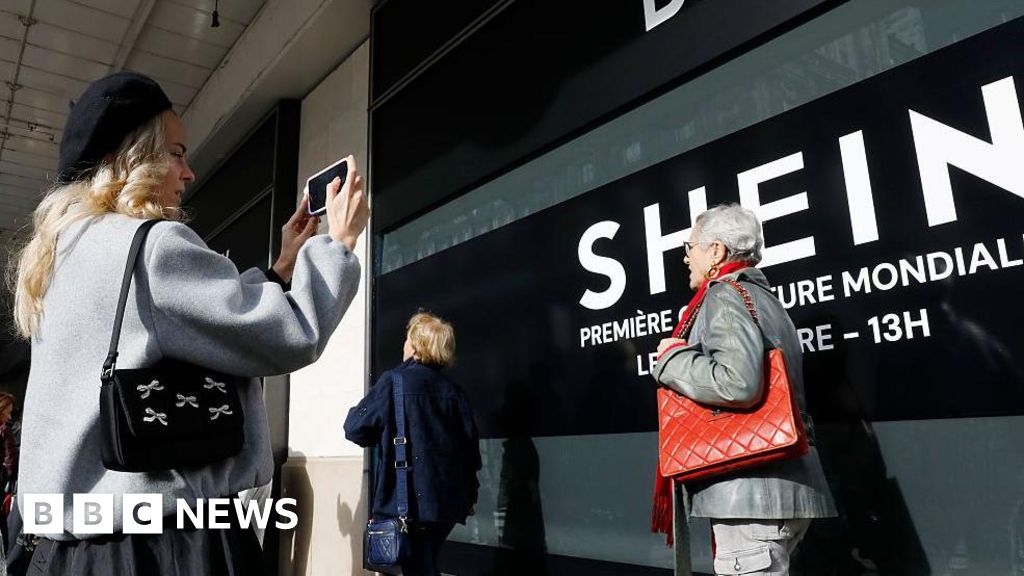
Two of the world’s fastest-growing shopping apps, Shein and Temu, are facing intensifying scrutiny in Washington as senior US politicians call for formal investigations into alleged intellectual property theft, possible exposure to forced labour in supply chains, and business practices that critics say undercut American brands. The pressure marks a pivotal moment for ultra-fast fashion: what began as a cheap, addictive way to buy trend-led clothes may now trigger one of the most significant regulatory battles in modern retail.
Why Shein and Temu Are Under Investigation Pressure Now
The latest political pressure comes from two senior US lawmakers who have urged federal agencies to probe Shein and Temu over:
- Claims from US designers that their original artwork and garment designs have been copied without permission.
- Concerns that parts of their supply chains could be linked to forced labour in China, particularly in the Xinjiang region.
- Use of a US customs loophole known as de minimis, which allows millions of low-value parcels to enter the country with limited checks and no tariffs.
- Opaque algorithms and marketing tactics that may mislead consumers on quality, sustainability and sourcing.
Both platforms deny wrongdoing and say they have strict policies against intellectual property (IP) infringement and forced labour. However, the combination of congressional attention, lawsuits by independent artists, and broader geopolitical tensions with China means this scrutiny is unlikely to fade quickly.
Inside the Rise of Shein and Temu in the US Market
From niche apps to mainstream shopping habits
Shein, founded in China and now headquartered in Singapore, has evolved from a little-known online retailer into a global fast-fashion powerhouse. Its app consistently ranks among the most downloaded shopping apps in the US, thanks to:
- Ultra-low prices, often far below traditional retailers.
- Thousands of new items added daily, fuelled by real-time trend tracking.
- Relentless social-media marketing on TikTok, Instagram and YouTube.
Temu, launched by PDD Holdings in 2022, followed with an even broader marketplace model, selling everything from clothes and shoes to electronics and homeware. Its aggressive discounting and “shop like a billionaire” slogan helped it quickly surpass more established platforms in app-store rankings.
“Fast fashion isn’t free. Someone, somewhere is paying.” — Elizabeth L. Cline, author of Overdressed: The Shockingly High Cost of Cheap Fashion
That “someone” may now include independent designers and factory workers, according to critics, which is why regulators are paying attention.
Design Theft Allegations: Are US Creators Paying the Price?
How small brands say their work is copied
A growing number of US artists and boutique fashion labels claim their unique prints, illustrations and garment cuts have appeared on Shein and Temu listings without licensing or credit. Social media is filled with side-by-side comparisons shared by designers who say they never sold wholesale to either platform.
Common complaints include:
- Original artwork lifted from Instagram or portfolio sites and printed onto T-shirts, bags or phone cases.
- Distinctive dress silhouettes or patterns reproduced at scale within days of viral posts.
- Slow or opaque response when creators file take-down requests.
From a legal standpoint, these claims often fall under copyright and trade dress law. While online marketplaces typically argue they are intermediaries hosting third-party sellers, critics say the speed, scale and centralised control of these platforms mean they should bear more responsibility.
High-profile lawsuits and class actions
Over the past two years, multiple lawsuits have been filed in US courts accusing Shein of systematic copying. Some suits have used strong language, suggesting the company’s algorithms are designed to identify emerging designs and rapidly replicate them. Temu has faced its own wave of complaints, particularly from graphic artists.
Though many cases are still in progress or have been quietly settled, they are feeding a narrative on Capitol Hill: that ultra-fast fashion could be built in part on uncompensated creative labour from US-based designers and students.
Forced Labour Concerns and the Xinjiang Question
The other major concern for US policymakers is whether any items sold on Shein or Temu are connected to forced labour in China’s Xinjiang Uyghur Autonomous Region. The US Uyghur Forced Labor Prevention Act (UFLPA) effectively bans products made wholly or partly in Xinjiang unless companies can prove they are free of forced labour.
Rights groups argue that apparel, cotton textiles and some electronics are particularly exposed risks. Because Shein and Temu rely heavily on Chinese-based suppliers and ship items directly to Western consumers, politicians worry that compliance checks may not be thorough enough.
Both platforms publicly state they have “zero tolerance” policies for forced labour and that they conduct supplier audits. However, investigators and NGOs say audit systems can be limited or easily gamed, especially when local conditions make independent verification challenging.
“Businesses have a responsibility to respect human rights in their operations and supply chains, wherever they operate in the world.” — United Nations Office of the High Commissioner for Human Rights
The De Minimis Loophole: Millions of Parcels, Minimal Checks
A critical part of the political backlash revolves around the US customs de minimis rule. Under current law, individual packages valued at USD $800 or less can enter the US with simplified customs procedures and no import duties. Because Shein and Temu ship cheap items directly from overseas warehouses to American consumers, most orders qualify.
That has several consequences:
- Limited inspection: US Customs and Border Protection can only inspect a fraction of incoming parcels for IP violations, safety or forced-labour risks.
- Cost advantage: Domestic retailers and importers who move products in bulk containers and pay tariffs say they are at a structural disadvantage.
- Regulatory blind spot: Lawmakers argue the system was never designed for today’s tidal wave of low-cost e-commerce orders.
Bipartisan bills introduced in Congress in 2023 and 2024 have proposed tightening or eliminating de minimis exemptions for certain countries or product categories. Any such reform would directly affect the cost structures of Shein, Temu and other cross-border e-commerce giants.
What This Means for US Fashion Brands and Independent Designers
For many US labels, especially small and mid-sized ones, Shein and Temu represent a double shock: they are competitors with radically lower prices and, according to some allegations, direct beneficiaries of design copying. That pressure is being felt across the value chain.
Competitive squeeze on pricing
Traditional retailers must pay for:
- Design teams and creative development.
- Regulatory compliance and factory audits.
- Import duties, warehousing and brick-and-mortar overheads.
When competing against ultra-fast rivals that appear to bypass some of those costs, they struggle to match price points without compromising quality or margins.
Psychological impact on creators
Independent designers repeatedly describe the emotional toll of seeing their work appear online at a fraction of the price, with no credit. Some say they have abandoned entire collections or changed their creative strategies out of fear of instant copying.
Communities on platforms like Instagram and TikTok now actively share “IP theft call-outs,” allowing artists to warn one another and mobilise followers to demand removals or boycotts.
Consumers Caught in the Middle: Cheap Prices vs. Ethical Concerns
Shein and Temu became popular because they solved a simple problem: many consumers wanted trendy clothes, homeware and gadgets without paying traditional retail prices. For students and low-income shoppers facing inflation, a $5 top or $3 pair of earrings can be the difference between participating in a trend or sitting it out.
Yet awareness of environmental, labour and IP issues is rising. Surveys from 2023–2024 show that:
- Young consumers still value affordability but are more likely than older generations to say ethics “matter a lot.”
- Many are uncertain how to verify whether a platform is truly sustainable or fair.
- Some intentionally mix ultra-fast purchases with higher-quality, longer-lasting items in an attempt to reduce waste.
For those looking to shop more responsibly while still staying on budget, durable basics can be part of the solution. For example, items like the highly rated Hanes Men’s ComfortSoft Crew T‑Shirt Multipack (widely popular in the US) offer longer wear life than many ultra-fast alternatives.
How US Investigations Could Reshape Ultra-Fast Fashion
The calls for investigations come on top of mounting legal and regulatory actions worldwide. In Europe, authorities have already opened probes into Shein’s data practices and environmental impact disclosures. In the US, the next steps could include:
- Formal agency inquiries by the Federal Trade Commission (FTC), Customs and Border Protection (CBP), and the Department of Labor.
- Targeted bans or seizures if products are suspected of violating the UFLPA or safety regulations.
- New disclosure rules requiring e-commerce marketplaces to detail sourcing, labour standards and IP-compliance frameworks.
- Reforms to de minimis thresholds that would subject more parcels to tariffs and inspections.
Industry analysts say that even modest regulatory shifts could push ultra-fast fashion platforms to change their operating models, potentially:
- Consolidating suppliers and investing more in traceable, audited factories.
- Creating formal licensing programmes to work with independent designers.
- Raising prices slightly to absorb compliance and tariff costs.
The TikTok Factor: Hauls, Virality and Public Backlash
Social media has been central to both the success and the backlash against Shein and Temu. Influencers built careers on “haul” videos that showcase dozens of items bought for under $200. As ethical concerns spread, some creators have begun to pivot, posting more critical content or switching to brands they consider more responsible.
Well-known sustainability advocates like Kristen Leo and Sustainably Chic regularly explain the environmental and social costs of fast fashion to hundreds of thousands of followers, encouraging slower, more thoughtful consumption habits.
“Every purchase you make is a vote for the kind of world you want to live in.” — Popular maxim frequently cited in sustainable fashion circles
Whether consumers ultimately change long-term habits will depend on convenience, peer influence and whether regulators succeed in making ethical choices more affordable and accessible.
Protecting Your Work: Practical Steps for Designers in the Shein–Temu Era
Legal and digital safeguards
For US-based designers worried about copying, several practical measures can help:
- Register copyrights and trademarks for your most commercially important designs and logos.
- Watermark online portfolios and publish lower-resolution images when possible.
- Monitor major platforms regularly using reverse-image search tools.
- Document everything — sketches, drafts, dates and communication — in case legal action becomes necessary.
The US Copyright Office and organisations like the Council of Fashion Designers of America (CFDA) offer guidance on registration and enforcement strategies.
Leveraging public awareness
When alleged copying occurs, some artists have successfully used social media to pressure platforms into removal or settlement. Thoughtful, fact-based posts citing clear evidence tend to resonate more than emotional rants, especially when paired with links to purchase original work directly.
Further Reading, Data and Tools for Interested Readers
Readers who want to explore the wider context around Shein, Temu and ultra-fast fashion can consult:
- BBC News Business coverage of global retail and e-commerce
- Financial Times reporting on fast fashion and supply chains
- McKinsey & Company “State of Fashion” white papers
- YouTube documentaries on fast fashion and sustainability
- IPWatchdog resources on intellectual property and online marketplaces
For a more sustainable wardrobe strategy, guides from the Ellen MacArthur Foundation’s Make Fashion Circular initiative offer concrete steps on buying less, choosing better and extending garment life.
Additional Insights: Building Smarter, Longer-Lasting Shopping Habits
Even as investigations into Shein and Temu unfold, consumers can take control of their own impact by:
- Setting a monthly budget and pre-planning purchases instead of browsing impulsively.
- Comparing cost per wear rather than just sticker price.
- Prioritising versatile essentials — quality jeans, durable T‑shirts, reliable shoes — that pair with multiple outfits.
- Repairing and caring for clothes properly to extend their lifespan.
Simple care items can make a meaningful difference. For instance, using a fabric shaver such as the popular Conair Fabric Shaver and Lint Remover can revive older garments, reducing the urge to replace them with new ultra-fast-fashion buys.
As the legal, ethical and economic debates around Shein and Temu evolve, staying informed — and making deliberate, values-aligned choices — may ultimately prove more powerful than any single investigation or headline.
