
Urgent Measles Alert for RDU Travelers: What You Need to Know and Do Now
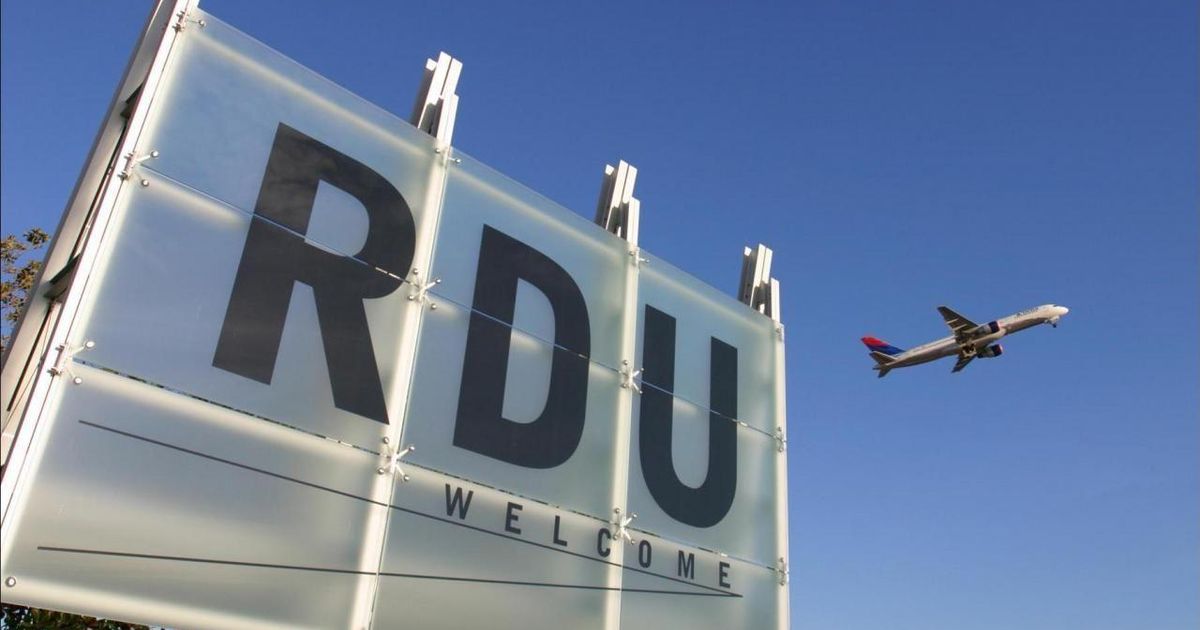
Health leaders are warning anyone who passed through Terminal 2 of Raleigh-Durham International Airport (RDU) between 4 a.m. and 8 a.m. on Wednesday, Dec. 10 that they may have been exposed to measles. This guide explains what happened, who is at risk, what symptoms to watch for, and the exact steps you should take now to protect yourself, your family, and your community.
Finding out after a trip that you might have been exposed to a serious infection is unsettling. Measles is highly contagious, and it is completely understandable to feel anxious—especially if you have young children, are pregnant, or live with someone who has a weakened immune system. Let’s walk through the facts, step by step, so you know exactly what to do next.
What Happened at RDU on December 10?
According to the North Carolina Department of Health and Human Services and Wake County health officials, a traveler with measles passed through Terminal 2 of Raleigh-Durham International Airport while contagious on Wednesday, Dec. 10, between 4:00 a.m. and 8:00 a.m.
Measles spreads through the air via respiratory droplets and tiny particles that can linger for up to two hours after an infected person has left an area. This means people who were in Terminal 2 during, or even shortly after, that time window could have been exposed.
At the time of this advisory, health officials are working to notify people with known close contact and to identify any additional exposure sites. Guidance in this article is based on standard public health protocols used for measles investigations in the United States.
Who Is at Risk from the RDU Measles Exposure?
Your risk from this RDU measles exposure depends on two main factors: whether you were in Terminal 2 during the time window, and your immunity to measles.
Higher-risk groups
- People who were in Terminal 2 at RDU between 4 a.m. and 8 a.m. on Dec. 10 and:
- Have not received two documented doses of MMR vaccine, or
- Are unsure of their vaccination history, or
- Are infants too young for routine MMR vaccination, or
- Are pregnant and not immune to measles, or
- Have weakened immune systems (for example, due to cancer treatment, advanced HIV infection, or immunosuppressive medications).
Lower-risk groups
- People with written documentation of two doses of measles-containing vaccine (usually MMR).
- People born before 1957 (most are considered immune due to natural infection).
- People with a positive measles IgG blood test showing immunity.
“In a setting like an airport, nearly everyone is exposed to the same air, but not everyone is equally vulnerable. Vaccination remains the most effective way to prevent measles infection and serious complications.”
— Epidemiology perspective based on CDC measles guidelines
Measles Symptoms: What to Watch for After RDU Exposure
If you were potentially exposed at RDU on Dec. 10, you’ll want to watch for symptoms during the period when measles typically appears after exposure.
Incubation period
Measles usually develops about 7–14 days after exposure, but it can take up to 21 days. During this time you may feel completely well.
Early symptoms (days 1–4)
- Fever, often high (may go above 101°F / 38.3°C).
- Cough.
- Runny nose.
- Red, watery eyes (conjunctivitis).
- Feeling very unwell and tired.
Later symptoms (days 3–7)
- Small white spots inside the mouth on the inner cheeks (called Koplik spots).
- Red rash that typically starts at the hairline on the face, then spreads downward to the trunk, arms, and legs.
- Rash spots may merge together; fever often remains high.
I Was at RDU Terminal 2 on Dec. 10: What Should I Do Now?
If you were in Terminal 2 of RDU between 4 a.m. and 8 a.m. on Dec. 10, here is a practical, step-by-step approach you can follow.
- Check your calendar and boarding passes.
Confirm whether you or your family were truly in Terminal 2 and within the time window. - Review your vaccination records.
Look for documentation of MMR doses. Most adults and children vaccinated in the U.S. have:- 1 dose at 12–15 months of age, and
- a 2nd dose at 4–6 years of age.
- Call your healthcare provider or local health department if:
- You are unvaccinated or only partially vaccinated.
- You are pregnant and unsure about your immunity.
- You have a weakened immune system.
- You care for an infant too young to be routinely vaccinated.
- Ask about post-exposure protection.
Depending on timing and your health status, public health and medical teams may recommend:- MMR vaccine within 72 hours of exposure for eligible people, or
- Immune globulin (IG) within 6 days of exposure for high-risk individuals such as pregnant people, infants, and those who are immunocompromised.
- Monitor for symptoms for 21 days after Dec. 10.
Keep a simple log of fever, rash, or respiratory symptoms. If symptoms appear:- Call your doctor, urgent care, or emergency department before going in.
- Let them know you may have been exposed to measles at RDU so they can arrange safe evaluation and reduce risk to others.
- Stay home if you become sick.
Measles is highly contagious. Avoid work, school, childcare, and public places until cleared by a healthcare professional if measles is suspected.
A Real-World Example: What Measles Follow-up Can Look Like
During a previous measles exposure event linked to an airport in another state, a family of four learned—days after their flight—that someone on their route had measles. The parents were vaccinated, but they were worried about their 7-month-old, who was too young for the routine first MMR dose.
When they called their local health department, the nurse reviewed the timeline and offered immune globulin for the infant, which can help reduce the chance of severe illness after exposure in high-risk children. The parents watched their baby closely for 3 weeks. The infant never developed symptoms, and the experience prompted the family to double-check and update everyone’s vaccines.
Your situation may be different, but the pattern is similar: verify your risk, connect with public health and your doctor, and follow tailored guidance rather than trying to navigate it alone.
Measles Basics: Why Public Health Takes Airport Exposures Seriously

Measles is not just a childhood rash; it is one of the most contagious viruses known. In an unvaccinated population, up to 9 out of 10 people close to an infected person will become sick.
How measles spreads
- Through coughing or sneezing by someone who is infected.
- Through tiny airborne particles that can linger for up to two hours in the air.
- From about 4 days before the rash appears until 4 days after it starts.
Potential complications
- Ear infections and diarrhea.
- Pneumonia (a serious lung infection).
- Encephalitis (swelling of the brain), which can cause seizures or long-term disability.
- In rare cases, death, especially in young children and people with weakened immunity.
“Measles is almost entirely preventable with two doses of MMR vaccine, which is about 97% effective at preventing measles infection.”
— Summary based on CDC measles vaccine effectiveness data
Because airports bring together large numbers of travelers from many regions—some with lower vaccination rates—public health teams move quickly when a contagious measles case is identified in these settings.
The Role of the MMR Vaccine in Protecting Travelers
The measles-mumps-rubella (MMR) vaccine is the main tool we have to protect against measles, both during travel and in everyday life.
Standard recommendations (United States)
- Children: 1st dose at 12–15 months, 2nd dose at 4–6 years.
- Adults born in 1957 or later: at least 1 dose of MMR; some should have 2 doses, including students, healthcare workers, and international travelers.
Travel-specific advice
- International travelers (12 months and older): should have 2 documented doses of MMR before departure.
- Infants 6–11 months traveling internationally: often advised to get 1 early dose (which does not replace the routine series later).
While no vaccine is 100% effective, widespread MMR use is the reason measles became rare in the United States. Outbreaks today typically occur where vaccination coverage has dropped or when the virus is brought in through travel.
Practical Steps to Prepare for Future Travel After a Measles Scare

Going through a measles exposure alert—even if you remain healthy—can be a wake-up call. Here are realistic, actionable steps to feel more prepared:
- Keep a digital “health travel kit.”
Save photos of vaccination cards, a list of medications, and key phone numbers (primary care office, pediatrician, local health department). - Schedule a pre-travel health check for big trips.
Especially for international travel, ask about MMR and any other recommended vaccines. - Know where to find trusted information quickly.
Bookmark your state or county health department and the U.S. Centers for Disease Control and Prevention (CDC) websites. - Talk openly with family members about vaccination.
Make decisions together, based on your values, medical history, and evidence-based guidance.
Before and After an Airport Measles Exposure: Mindset and Actions
It can be helpful to compare how most people approach travel health before an incident like this, and what changes afterward.
Before exposure
- Focus mainly on tickets, luggage, and schedules.
- Assume childhood vaccines are “probably” up to date.
- Lack a clear plan for what to do after a health alert.
After exposure
- Double-check vaccination records and risks.
- Save local health department and provider contacts.
- Feel more confident responding to future alerts.
Evidence, Guidelines, and Where to Learn More
Public health advice around this RDU measles exposure follows well-established measles control principles used across the United States and globally. For detailed, regularly updated information, consult:
- U.S. Centers for Disease Control and Prevention (CDC) – Measles (Rubeola)
- CDC Health Care Provider Resources for Measles
- CDC – Measles, Mumps, and Rubella (MMR) Vaccination
- Your state or county health department website for location-specific exposure notices and recommendations.
This article is informational and does not replace personalized medical advice. Always follow the directions of your local public health authorities and your healthcare providers.
Moving Forward After the RDU Measles Warning
Learning that you might have been exposed to measles at RDU can be frightening, but it doesn’t mean infection is inevitable. By:
- Confirming whether you were in Terminal 2 during the exposure window,
- Reviewing your MMR vaccination records,
- Contacting your healthcare provider or health department if you are at higher risk, and
- Monitoring for symptoms over the next 21 days,
you are taking the same calm, evidence-based steps that public health professionals recommend in situations like this.
If you are unsure about your risk or what to do, reach out—today—to your doctor or local health department and mention the RDU Terminal 2 measles exposure on Dec. 10. Clear, timely guidance is available, and you do not have to navigate this alone.
Your next step: verify your vaccination status, set a reminder to watch for symptoms through 21 days after exposure, and save your local health department’s phone number in your contacts.
