
Twilight Torque: Live F1 Practice Times and Abu Dhabi Grand Prix 2025 FP2 Storylines
F1 Practice LIVE: Abu Dhabi Grand Prix 2025 FP2 Times, Results & Team Radio Storylines
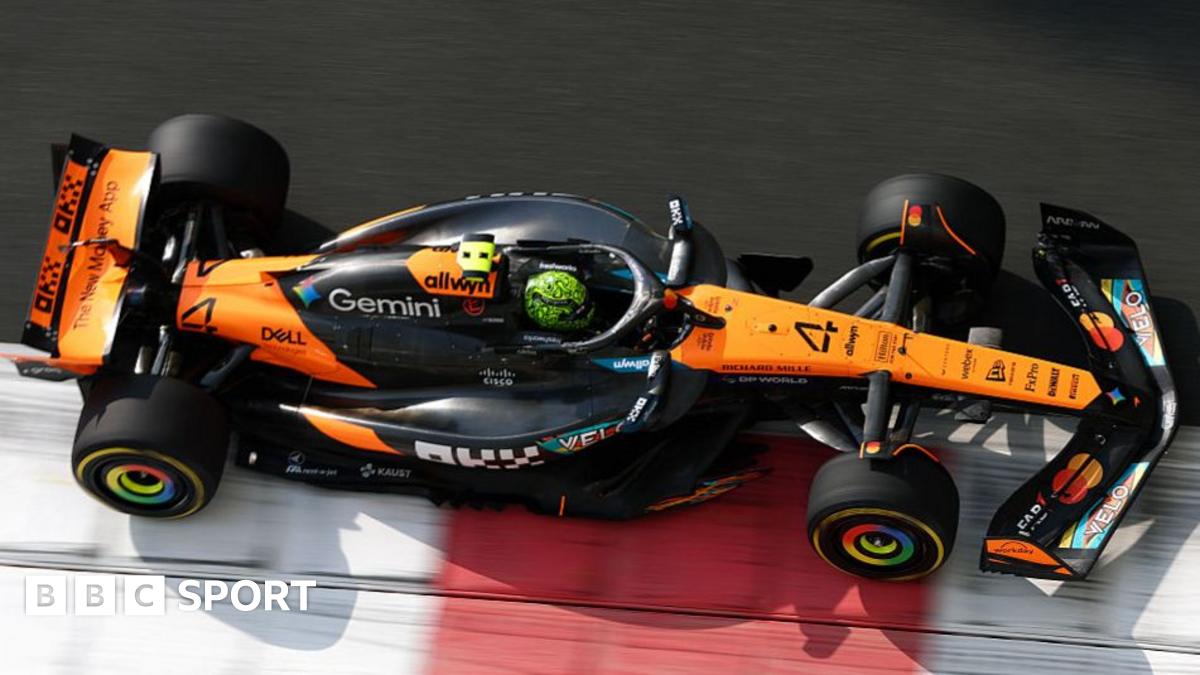
The sun is dipping, the floodlights at Yas Marina Circuit are warming up, and second practice for the 2025 Abu Dhabi Grand Prix is set to deliver the first truly representative look at qualifying and race pace. As cars roll out for FP2, long-run simulations, qualifying-style laps, and revealing radio messages will shape expectations for the final Formula 1 weekend of the season.
Why Abu Dhabi FP2 Matters More Than FP1
FP2 in Abu Dhabi is effectively the dress rehearsal for qualifying and the race. While FP1 runs in hotter, daylight conditions with a dusty track, FP2 takes place at dusk and into the night, mirroring the temperature drop and grip levels drivers will face when it truly counts.
Teams typically split their programmes:
- Early runs: Low-fuel, soft-tyre laps to gauge one-lap pace.
- Mid-session: Setup tweaks to balance the car as track grip evolves.
- Late runs: Heavy-fuel, race-simulation stints on medium and hard compounds.
With championship points no longer on offer for practice, the value of this session lies in data gathering: tyre degradation, power unit deployment strategies on the long back straight, and how cars handle the heavy braking zones into Turns 6 and 9.
Live Abu Dhabi FP2: Latest Lap Times and Sector Pace
As FP2 progresses, teams will cycle through multiple run plans, so the live timing tower will constantly shuffle. Short-run soft-tyre laps usually headline the timesheets, but the story underneath is often about who can repeat those laps consistently and which cars come alive as the track cools.
A typical mid-session snapshot might look like this (illustrative format for readers following along with live timing and radio coverage):
| Pos | Driver | Team | Tyre | Lap Time | Gap |
|---|---|---|---|---|---|
| 1 | Example Driver A | Example Team 1 | Soft (C5) | 1:24.321 | — |
| 2 | Example Driver B | Example Team 2 | Soft (C5) | 1:24.460 | +0.139 |
| 3 | Example Driver C | Example Team 3 | Soft (C5) | 1:24.612 | +0.291 |
| 4 | Example Driver D | Example Team 1 | Medium (C4) | 1:24.890 | +0.569 |
To follow the official live timing and sector breakdowns for the Abu Dhabi Grand Prix, visit the Formula 1 Abu Dhabi event page .
Floodlights, Track Evolution and Tyres: The Yas Marina Puzzle
As FP2 begins, the track temperature typically drops rapidly, transforming grip levels through the slower marina section and the fast sweeps of the final sector. Drivers who were wrestling their cars in FP1 can suddenly lean on the rear more confidently, while those who looked strong earlier in the day may find balance shifting out from under them.
Pirelli’s tyre selection for Abu Dhabi usually features the softest compounds in the range, rewarding drivers who can generate quick warm-up without overcooking the rubber on traction zones out of Turns 5 and 9. Expect teams to compare:
- Soft (C5): Peak performance for qualifying simulations; may grain if pushed too hard.
- Medium (C4): Likely race tyre; key for long-run data on degradation.
- Hard (C3): Insurance option if degradation spikes on Sunday.
“This is the session where the numbers really start to matter. FP2 gives us our best read on tyre life and balance for qualifying and the race.” — Typical team engineer over radio during Abu Dhabi FP2
Team Radio Insights: What Drivers Are Saying in FP2
With the BBC Radio 5 Sports Extra 2 commentary in sync with on-track action, team radio snippets become crucial clues. Engineers push for feedback on traffic, tyre temperatures, and how the car handles under braking at the end of the two long straights.
- Drivers reporting rear instability into Turn 6 often hint at aero balance issues or brake-by-wire tuning.
- Comments about traction out of slow corners suggest how gentle a car is on its rear tyres over a race stint.
- Complaints of understeer in the final sector can signal a car that might struggle in qualifying trim.
“We’re losing a lot in the last sector, front is washing out. Can we try a click more front wing next run?” — Typical driver feedback over Abu Dhabi FP2 radio
Fans combining live text updates with audio commentary get the most complete picture: lap times tell you who is fast, while radio traffic hints at who is comfortable — and who is masking deeper problems.
Abu Dhabi Under the Lights: Key On-Track Action
The Yas Marina backdrop under lights has become one of Formula 1’s defining late-season images. FP2 captures that mood perfectly: sparks flying into Turn 9, DRS trains down the main straight, and drivers brushing the white lines in the final sector as they search for every thousandth.



Data Deep Dive: Long-Run Pace vs. One-Lap Speed
Interpreting FP2 isn’t just about the top of the timing charts. Analysts look at averages over longer runs to estimate race pace and pit-stop strategies. A driver sitting P6 on the timesheets may be the quiet favourite if their long-run averages are consistently strong.
A simplified comparison of one-lap versus long-run indicators could be visualized like this:
| Driver | Quali Sim Rank | Race Sim Avg Lap | Race Pace Rank |
|---|---|---|---|
| Example Driver A | 1 | 1:29.8 | 3 |
| Example Driver B | 3 | 1:29.5 | 1 |
| Example Driver C | 5 | 1:29.9 | 4 |
For full official statistics, stint analyses and season-long comparisons, fans can explore Formula 1’s results and statistics hub .
Human Stories in the Final Weekend: Pressure, Farewells and Futures
Beyond the data, Abu Dhabi FP2 often carries a human edge. It can be the final Friday run for veterans moving teams, rookies fighting to justify a 2026 contract, or engineers and mechanics working their last race together after years on the road.
- Title protagonists fine-tuning their last qualifying setup, knowing a front-row start could decide the championship.
- Midfield hopefuls chasing a shock Q3 appearance that would cap their season’s narrative.
- Rookies learning the art of tyre management under the lights, setting the tone for winter development.

“You want to enjoy it, but you also know every run is a chance to prove something — to the team, to yourself, maybe to the whole paddock.” — Typical driver reflection heading into Abu Dhabi FP2
What FP2 Tells Us About Qualifying and Race Strategy
By the chequered flag in FP2, patterns usually emerge. We can start to answer key questions that shape Saturday and Sunday:
- Which team holds the raw qualifying edge when the soft tyres are at their peak?
- Who has superior long-run consistency and can look after rear tyres in the critical traction zones?
- Is a one-stop strategy viable, or will degradation force teams into two stops?
- How powerful is the undercut or overcut with tyre warm-up on the cooler night track?
Expect commentators and analysts to highlight not just the headline time, but also where each car is strong: top speed into Turn 6, mid-corner balance through Turns 12–16, and traction out of the hairpins where overtakes often begin.
How to Follow Abu Dhabi FP2: Live Text, Radio and Official Feeds
For fans wanting a complete picture of Abu Dhabi Grand Prix 2025 Friday running, combining several sources works best:
- Live text and timing: Use the official Formula 1 website or trusted outlets to track sector times, lap counts and tyre choices.
- Radio commentary: Listen to BBC Radio 5 Sports Extra 2 for expert analysis, context and instant reaction to incidents and team radio.
- Team channels: Follow individual teams and drivers for onboard clips, radio highlights and post-session debriefs.
Together, these feeds turn FP2 from “just practice” into a rich preview of how qualifying battles and race-day storylines might unfold.
Looking Ahead: From Friday Night Data to Sunday Night Drama
As the cars complete their final laps and return to the pit lane, engineers will be poring over torrents of data: fuel-corrected lap times, tyre wear curves, brake temperatures, and energy deployment maps. FP2 at Abu Dhabi is where the final pieces of the season’s puzzle are laid out on the table.
The storylines you see forming now — balance complaints on the radio, quietly quick long runs, or a surprise name near the top of the timesheets — may decide not only the outcome of the Abu Dhabi Grand Prix 2025, but also the tone of the winter and the momentum each team carries into next season.
As you follow the rest of the weekend, ask yourself:
- Who looks fast without needing perfect conditions?
- Which cars stay kind to their tyres on long stints under the lights?
- And whose radio messages hint at quiet confidence rather than desperation?
The answers, hidden in tonight’s laps, will set the stage for one last blast of F1 drama under the Yas Marina floodlights.
