
Trump Weighs In: Why the $72 Billion Netflix–Warner Bros Discovery Deal Could Rewrite Streaming
Trump, Netflix, and a $72 Billion Question Mark Over Streaming’s Future
The proposed $72 billion acquisition of Warner Bros Discovery by Netflix is more than just another media headline. It’s a power move that could cement Netflix as the world’s dominant subscription streaming service—and it has already prompted US President Donald Trump to warn the deal “could be a problem,” hinting at possible regulatory and political turbulence ahead.
As the streaming wars enter a consolidation phase, this potential merger pulls together Netflix’s global subscriber base with Warner Bros Discovery’s prized assets, including HBO and a deep library of blockbuster films and franchises. The question now is whether regulators, rivals, and audiences will accept a single platform holding that much cultural and commercial firepower.
How the Netflix–Warner Bros Discovery Deal Came to the Table
To understand why this story matters, it helps to zoom out on how we got here. In the last decade, Netflix has evolved from a DVD-by-mail upstart to a studio-scale streaming giant, spending billions on original content while absorbing cord-cutters from traditional TV. Warner Bros Discovery, meanwhile, is the product of its own wave of consolidation, merging the WarnerMedia empire (Warner Bros, HBO, CNN) with Discovery’s extensive nonfiction catalog.
The planned deal—reported at around $72 billion—would see Netflix acquire the Warner Bros Discovery studio operations and its premium streaming jewel, HBO. For Netflix, that’s not just more content; it’s a shortcut to owning some of the most recognizable IP in entertainment history, from Game of Thrones to the DC universe.
The move also fits a larger pattern. Streaming has shifted from “everyone launch your own service” to “only a few platforms can realistically win, so merge or die.” Where once the conversation was about fresh competition—Disney+, HBO Max, Peacock—today it’s about who will still be standing after the bundling and mergers settle.
At stake is not only who runs a major Hollywood studio, but who sets the rules for what global audiences watch and how they discover it in an algorithm-driven ecosystem.
Trump’s “Could Be a Problem” Comment: Politics Meets the Streaming Wars
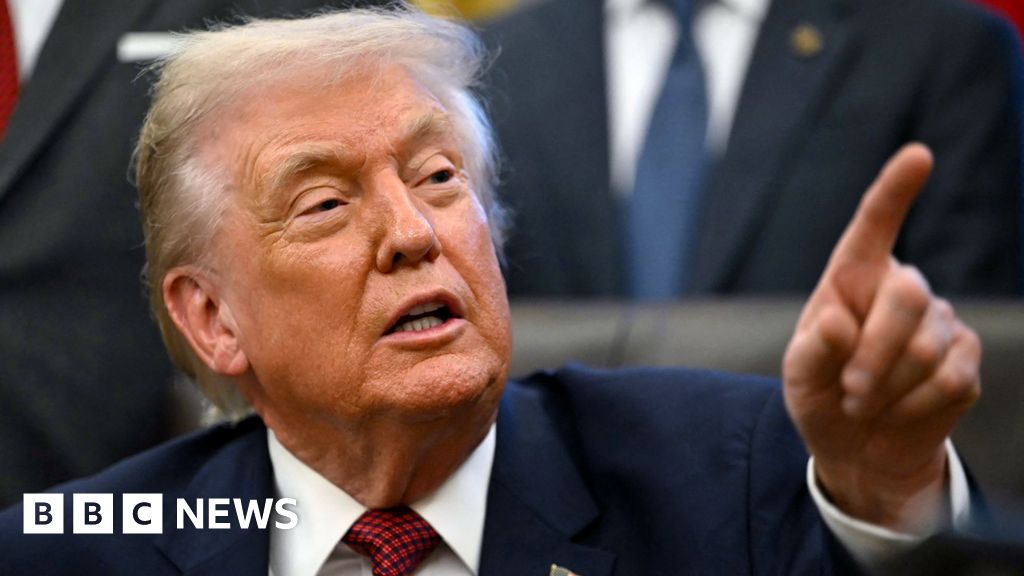
President Donald Trump’s remark that the deal “could be a problem” injects a distinctly political note into what might otherwise be seen as a standard mega-merger. While specifics of his concerns were not fully spelled out, the implication is clear: this is big enough to attract serious government scrutiny.
“When you put that much content and that much power in the hands of a single company, you’re going to have questions. This could be a problem.”
— President Donald Trump, on the proposed Netflix–Warner Bros Discovery deal
Trump’s administration already has history with big media tie‑ups—most notably the AT&T–Time Warner battle, which turned into a high-profile antitrust case. Even though that saga belongs to an earlier phase of the media landscape, it set a precedent for how politically-charged major entertainment deals can become when news outlets and cultural gatekeepers are involved.
In the current climate, where social media platforms, streamers, and news organizations are all accused of wielding outsized influence, the idea of Netflix absorbing a legacy titan like Warner Bros Discovery cuts straight to core anxieties about information control, cultural narratives, and corporate power.
What a Combined Netflix + HBO Empire Would Actually Look Like
Think of this potential deal as combining the blockbuster appeal of a Marvel movie weekend with the ubiquity of your most-used app. Netflix already boasts hundreds of millions of subscribers worldwide, while Warner Bros Discovery brings:
- HBO’s prestige TV — from The Sopranos and Succession to The Last of Us.
- Warner Bros’ film catalog — including Harry Potter, DC superheroes, and classic cinema.
- Discovery’s factual content — lifestyle, nature, and reality programming.
- Global cable and TV relationships that still matter for marketing and licensing.
Put together, Netflix wouldn’t just be “the place with a lot of shows.” It would become, in practical terms, the primary default entertainment hub for many households—a kind of cable bundle 2.0 residing inside a single app, with an algorithmic front door.
From a cultural standpoint, that scale cuts both ways. On the one hand, Netflix’s international reach could give HBO’s riskier dramas and Warner’s more niche films a bigger global stage. On the other, the gravitational pull of big IP might crowd out stranger, smaller, or more locally specific stories as the platform leans into safe, high-engagement bets.
The Upside and Downside: Who Wins and Who Loses?
Any mega-deal in entertainment brings a familiar tension: convenience versus concentration. The Netflix–Warner Bros Discovery merger would be no exception.
Potential benefits for viewers
- One-stop streaming: Fewer apps, fewer subscriptions, more of your favorite shows in one place.
- Deeper catalogs: Classic HBO dramas, Warner’s film library, and Netflix originals under a single search bar.
- Global releases: Faster rollouts of big releases in more territories, thanks to Netflix’s distribution machine.
Potential drawbacks and risks
- Higher pricing power: A super-aggregated service can gradually push prices up with fewer viable alternatives.
- Less competitive pressure: Smaller streamers and regional platforms could struggle to keep up, leading to a thinner competitive field.
- Algorithmic gatekeeping: When one app controls the pipeline, its recommendation logic heavily shapes what gets seen and what vanishes into the scroll.
“Streamers spent the last decade battling for attention. The next decade will be about who can afford to keep going. Consolidation isn’t a glitch; it’s the endgame.”
— Media analyst quoted in industry coverage of the deal
From an industry standpoint, creatives may get access to bigger budgets and global audiences, but they’ll also face an even steeper bottleneck: convincing a single, data‑driven gatekeeper to take a risk on their ideas.
Antitrust, Algorithms, and the New Shape of Media Power
Traditional antitrust frameworks were built for railroads, oil, and phone companies—not streaming catalogs and watch-time metrics. Yet the core questions remain familiar: could this deal harm competition, choice, or innovation?
Regulators are likely to scrutinize:
- Market share: How much of the premium scripted TV and film market would Netflix control after absorbing HBO and Warner Bros?
- Licensing leverage: Could Netflix pressure hardware makers, ISPs, or rival platforms using its new scale?
- Data dominance: More content and more users mean richer viewing data, reinforcing Netflix’s ability to target and retain audiences.

This is where Trump’s “could be a problem” line resonates beyond partisan politics. Whether you’re skeptical of Big Tech, legacy media, or both, the idea of consolidating so much narrative and discovery power into a single app raises questions that simple “number of competitors” charts don’t fully capture.
Cultural Stakes: From Prestige TV to Global Pop Culture Feed
For decades, HBO and Warner Bros have helped define “serious television” and blockbuster cinema. Netflix, on the other hand, built its brand on accessibility and scale: you log in, you scroll, you watch. Combining those identities could either elevate the overall bar or sand down the rough edges that made HBO, in particular, feel distinctive.
Consider how Netflix has already shifted viewing habits:
- Binge-first model: Seasons drop all at once, altering how shows are written, discussed, and marketed.
- Global parity: K‑dramas, Spanish thrillers, and French heist series are now mainstream in English-speaking markets.
- Algorithmic front page: What trends is as much about code as it is about critics.
Folding HBO’s carefully curated slate into that environment will likely ignite debates around artistic autonomy, release strategies, and the long-term preservation of cinema as a cultural experience rather than just content consumption.

“HBO used to ask, ‘Is this show good enough to live forever?’ Streamers are more likely to ask, ‘Will this hook people this weekend?’ That’s a meaningful shift.”
— TV critic commenting on the evolving prestige TV landscape
Balanced Take: Is the Netflix–Warner Bros Discovery Deal Good for Audiences?
Treating this as a kind of “pre‑release review” of a deal that hasn’t closed yet, the verdict is mixed. On a pure user-experience level, a combined Netflix–HBO–Warner library is undeniably appealing. The friction of hopping between apps, managing overlapping subscriptions, and wondering where a show is streaming would all be reduced.
Yet the very things that make the deal exciting as a product make it worrying as a precedent. If one platform becomes too central, experimentation can suffer, and the range of viable voices may narrow—even if the overall amount of content keeps growing.
Provisional rating of the deal’s implications (for viewers and culture):
- Convenience: 4.5 / 5
- Choice in the short term: 4 / 5
- Long-term competition: 2.5 / 5
- Cultural diversity risk: 2.5 / 5
Averaging that out, the deal lands at a cautious 3 out of 5 on the “good idea for the public” scale: compelling in the near term, but carrying serious long-term trade‑offs that demand tough scrutiny from regulators and informed pushback from audiences.
What Happens Next—and What to Watch For
The Netflix–Warner Bros Discovery deal is still in the “planned” phase, and Trump’s warning that it “could be a problem” all but guarantees a noisy review process. Expect months of filings, political commentary, and behind-the-scenes lobbying as both companies argue that they need this scale to survive against tech and media rivals.
For viewers, the key signals to watch will be:
- How regulators define the relevant “market” for streaming power.
- Whether any conditions or divestitures are required to approve the deal.
- How competitors like Disney+, Amazon, and Apple respond—copycat deals, joint ventures, or new bundles.
- Whether pricing, ad tiers, and content windows change in anticipation of or response to the merger.
However the politics shake out, this proposed deal confirms one thing: the era of “a dozen equal streaming platforms” is over. We’re entering the big‑bundle endgame, and the choices made now—by companies, regulators, and audiences—will shape what watching TV and movies looks like for the next decade.

