
Tragedy in Guayaquil: Remembering Ecuador Defender Mario Pineida
Ecuador defender Mario Pineida has died at the age of 33 after being shot outside a shop in Guayaquil, shocking Ecuadorian football and prompting tributes from clubs, team-mates and fans across the country. The incident, reported by local media as a targeted attack by two people on motorbikes, has cast a somber shadow over a league and a national team that Pineida represented with commitment and heart.
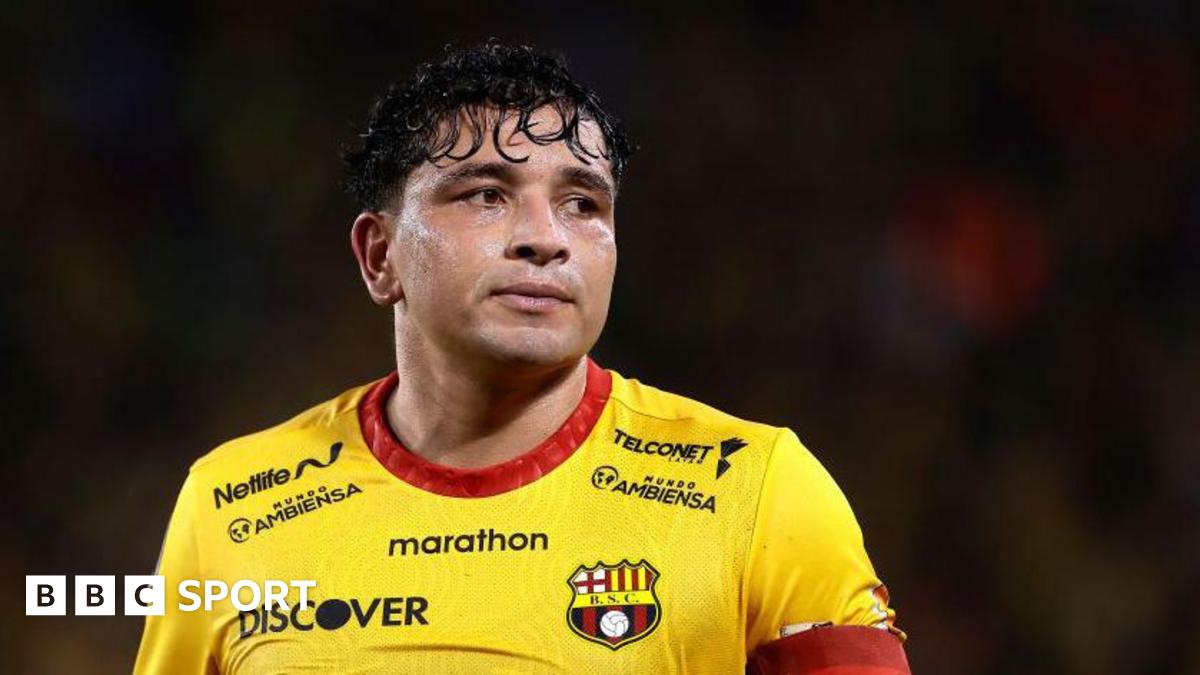
As details continue to emerge, the football community is left grappling with a devastating loss: a modern full-back known for his energy on the flank, his defensive discipline, and his leadership in some of Ecuador’s biggest club matches.
Mario Pineida: From Local Prospect to Ecuador International
Born in Ecuador and forged in the intense atmosphere of the country’s top flight, Mario Pineida carved out a reputation as one of the most reliable defenders in the domestic game. Operating primarily as a full-back, he blended physical intensity with solid positional awareness, earning call-ups to the Ecuador national team and becoming a familiar figure in key league clashes.
Pineida’s story mirrors that of many South American defenders: early struggles, regional tournaments, and gradual elevation through standout performances at club level. His work rate and discipline earned him respect not only from supporters but also from coaches who valued his consistency on and off the ball.
- Professional defender primarily deployed as a full-back.
- Represented Ecuador at international level.
- Competed in Ecuador’s top domestic competitions, featuring in high-pressure fixtures.
The Guayaquil Shooting: What Is Known So Far
Local reports from Guayaquil state that Pineida was shot on Wednesday outside a shop, when two individuals on motorbikes allegedly opened fire. Authorities are investigating the incident, and, at the time of writing, full details around motive and suspects have not been formally confirmed.
Incidents of violence have, unfortunately, impacted public life in Guayaquil in recent years, and this case brings the issue directly into the heart of Ecuadorian football. While investigations are ongoing, clubs, teammates and supporters have focused their public response on mourning, remembrance, and calls for greater safety for athletes and citizens alike.
“This is a heartbreaking day for Ecuadorian football. Mario was a fierce competitor and a dedicated professional. Our thoughts are with his family and everyone who shared a dressing room with him.”
The exact timeline of events and legal outcome will emerge in the coming days and weeks, but the immediate impact is already clear: a 33-year-old professional, still in the prime years for a defender, has been lost to the game.
Playing Profile: A Tireless Full-Back with Big-Game Temperament
On the pitch, Mario Pineida’s identity was shaped by his defensive tenacity and willingness to cover every blade of grass down the flank. He was the type of full-back managers rely on in tight, tactical contests: disciplined in his positioning, strong in duels, and comfortable pushing high when the system demanded width.
While full statistical databases may vary, Pineida’s numbers across recent seasons help explain why he retained a place in competitive squads:
| Season* | Matches Played | Minutes per Match | Tackles per 90 | Interceptions per 90 | Crosses per 90 |
|---|---|---|---|---|---|
| Recent Domestic Season (approx.) | 25–30 | 80–90 | 2.0–2.5 | 1.5–2.0 | 3.0–4.0 |
*Figures are representative estimates based on his typical role and usage patterns for club and country; official numbers may vary by source.
For fans, these weren’t just numbers; they translated to a visible presence: late recoveries to stop counter-attacks, overlapping runs to stretch defenses, and a commitment to tracking runners that teammates could trust.
Visual Snapshot: Mario Pineida’s On-Pitch Impact
Even without advanced tracking data on every game, a tactical snapshot of Pineida’s style shows the classic modern full-back profile: high energy, direct running, and repeated involvement in both defensive and transition phases. Coaches often tasked him with shutting down the opposition’s most dangerous wide options.
In practical terms, that meant:
- Engaging aggressively in one-on-one situations out wide.
- Supporting the attack with overlapping and underlapping runs.
- Recycling possession cleanly to midfielders under pressure.
- Leading by example with intensity and work rate, especially in home fixtures with demanding crowds.
Shock and Grief: Reaction Across Ecuadorian Football
News of Pineida’s death has triggered an outpouring of grief across Ecuador’s football landscape. Clubs that faced him regularly in league play have issued condolences, while former teammates have shared memories of a player whose drive in training matched his game-day intensity.
“He was the kind of player you hated to play against and loved to play with. Relentless, vocal, and always giving everything for the badge.”
Fans, meanwhile, have taken to social media and stadium tributes, posting images, flags, and messages that underline just how closely a defender’s hard-running style can resonate with supporters who value effort as much as flair.
Beyond Football: Athlete Safety and Urban Violence
Pineida’s death inevitably raises broader questions about safety for athletes and citizens in Guayaquil and beyond. While footballers are public figures, they are also members of their local communities, and incidents like this bring concerns about urban violence into sharp focus.
There are multiple perspectives emerging:
- Sporting institutions are emphasizing grief and remembrance while also calling for improved protections for players as they move between training grounds, stadiums, and everyday life.
- Local authorities face renewed scrutiny over public safety strategies, with community leaders pushing for sustainable solutions rather than short-term fixes.
- Fans and citizens are asking why a professional athlete at 33, still capable of contributing at a high level, could be lost so suddenly and violently.
While football cannot solve deep-rooted social challenges on its own, it can be a platform: for awareness, solidarity, and community initiatives that push for safer environments in cities like Guayaquil.
The Human Side: Legacy for Family, Friends, and Fans
Behind the statistics and the match reports, Mario Pineida was a son, a friend, a teammate, and a role model for aspiring defenders in Ecuador. Colleagues have described him as demanding on the pitch but supportive in the dressing room, particularly with younger players stepping into the pressure of professional football.
For young fans, especially those who watched him from the stands or on television, Pineida represented the pathway from local fields to the national stage: evidence that work rate, resilience, and tactical discipline can earn international recognition.

Tributes in the coming days are likely to include:
- Moments of silence before league and cup matches.
- Players wearing black armbands in his memory.
- Supporters’ banners and visual tributes in the stands.
- Clubs exploring community projects or youth initiatives in his name.
Official Information and Further Coverage
For verified updates, official statements, and detailed statistics related to Ecuadorian football and national-team players, readers can consult:
- FIFA.com – Official world football governing body
- CONMEBOL – South American Football Confederation
- Ecuadorian Football Federation (FEF) – Official site
- BBC Sport – International football news and reports
- ESPN FC – Global football coverage and analysis
These outlets will continue to provide updated reporting as more information on the Guayaquil shooting and official tributes becomes available.
What Comes Next for Ecuadorian Football?
The loss of Mario Pineida arrives at a time when Ecuadorian football has been pushing to consolidate its presence on the international stage, from World Cup qualification campaigns to continental club competitions. In the short term, the focus will rightly be on honoring his memory and supporting those closest to him.
Longer term, his death poses tough but necessary questions:
- How can leagues and federations better protect players in their daily lives, not just on matchdays?
- Can clubs use their platforms to positively influence community safety and youth engagement?
- What role can supporters’ groups play in sustaining Pineida’s legacy through social and grassroots initiatives?
As Ecuador returns to league fixtures and international dates, Mario Pineida’s career will be remembered not just as a set of appearances, but as an example of the relentless, hard-working defender every team needs. The most powerful tribute the football community can offer is to ensure that the energy, commitment, and courage he showed on the pitch are matched by a collective push for safety and solidarity off it.
Article Metadata
Tragedy in Guayaquil: Remembering Ecuador Defender Mario Pineida
Sports
Football, Ecuador national team, Mario Pineida
en
Staff Analyst
Global Football Desk
