
TikTok’s Secret Map: How Viral “Hidden Gems” Are Rewriting the World’s Travel Bucket List
TikTok-Driven ‘Hidden Gem’ Destinations 🌍✨
Short-form video has become the most powerful engine for destination discovery in 2025, turning little‑known towns, quiet beaches, and overlooked regions into overnight sensations. TikTok and Instagram Reels are not just inspiring wanderlust—they’re rewriting the global travel map, shifting attention away from overcrowded icons and toward places that once lived far from the tourist radar.
Today’s travelers—especially Gen Z and younger millennials—open TikTok before they open a guidebook. They type in hashtags like #hiddenGems, #underrateddestinations, #traveltok, and #budgettravel, then scroll through 10–30 second clips that feel more like personal invitations than polished ads. A single video of a turquoise cove, pastel alley, or cliffside train ride can spike searches on Google and booking sites within days.

🎯 How Algorithms Are Quietly Rewriting the Travel Map
TikTok’s For You feed and Instagram Reels’ recommendation systems reward content that is visually arresting, emotionally charged, and easy to understand without sound. That makes travel footage almost perfect: sweeping drone shots, silky waterfall clips, pastel harbor towns, and time-lapses of sunrises over jagged peaks.
- High contrast visuals (turquoise seas, red rooftops, neon markets) get pushed harder.
- Clear “before/after” narratives (crowded vs. empty, expensive vs. affordable) hold attention.
- Text overlays like “Europe’s best kept secret” or “Santorini vibes on a budget” trigger shares and saves.
A creator doesn’t need a huge audience to move the needle. One well-edited 15‑second montage, posted at the right time with the right soundtrack, can reach millions through algorithmic amplification alone. The pattern travel analysts are watching in late 2025:
- Viral clip of a “hidden gem” spikes views and saves.
- Within days, Google searches for “Where is <destination>?” and “How to get to <destination>” jump.
- Within weeks, booking data and hotel occupancy begin to rise, especially for upcoming shoulder seasons.
🔍 What Turns a Place Into a TikTok “Hidden Gem”?
The destinations going viral in 2025 are rarely total secrets to locals or seasoned travelers, but they are “new” to the wider mainstream. They tend to share several traits:
- Visual drama in a single frame – cliffside paths, caldera views, candy-colored streets, hidden coves, or retro trains cutting through mountains.
- Relative affordability – creators love to contrast “$300 in Paris vs. $40 in this underrated city.” Cost of coffee, wine, and local meals becomes part of the hook.
- Escapism without the stampede – the promise of “Amalfi vibes without the crowds” or “Bali energy without influencers everywhere.”
- Ease of content capture – compact old towns, scenic boardwalks, and short hikes that reward effort quickly are easier to showcase in 10–20 seconds.
On TikTok, “hidden” doesn’t mean unknown—it means “hasn’t gone fully mainstream yet.” The allure is being part of the early wave.
🇪🇺 Beyond the Capitals: The Rise of Second-City & Small-Town Europe
In 2025, European travel on TikTok is defined by a quiet rebellion against mega‑crowded capitals. Instead of Paris–Rome–Barcelona loops, feeds are filling with “second cities” and small coastal or inland towns reshaping itineraries.
- Secondary cities instead of capitals – Travelers search “cheaper than Paris” or “Barcelona alternative,” landing on creators’ clips from lesser-known urban hubs with colorful markets, waterfront promenades, and emerging food scenes.
- Smaller Greek islands over the usual names – Certain islands are branded as “the new Santorini” with whitewashed alleys and calm harbors but far fewer cruise crowds and lower nightly rates.
- Inland Iberia – TikTok itineraries highlight stone villages, wine regions, and medieval towns in Spain and Portugal reachable by regional train rather than budget airline.

These places benefit from existing infrastructure—trains, pensions, family-owned restaurants—yet remain unfamiliar enough that calling them “underrated” still feels honest. The algorithm loves that tension: recognizably European, but not instantly nameable.
🏝️ Remote Beaches & Quiet Islands: The New “Bali But Cheaper”
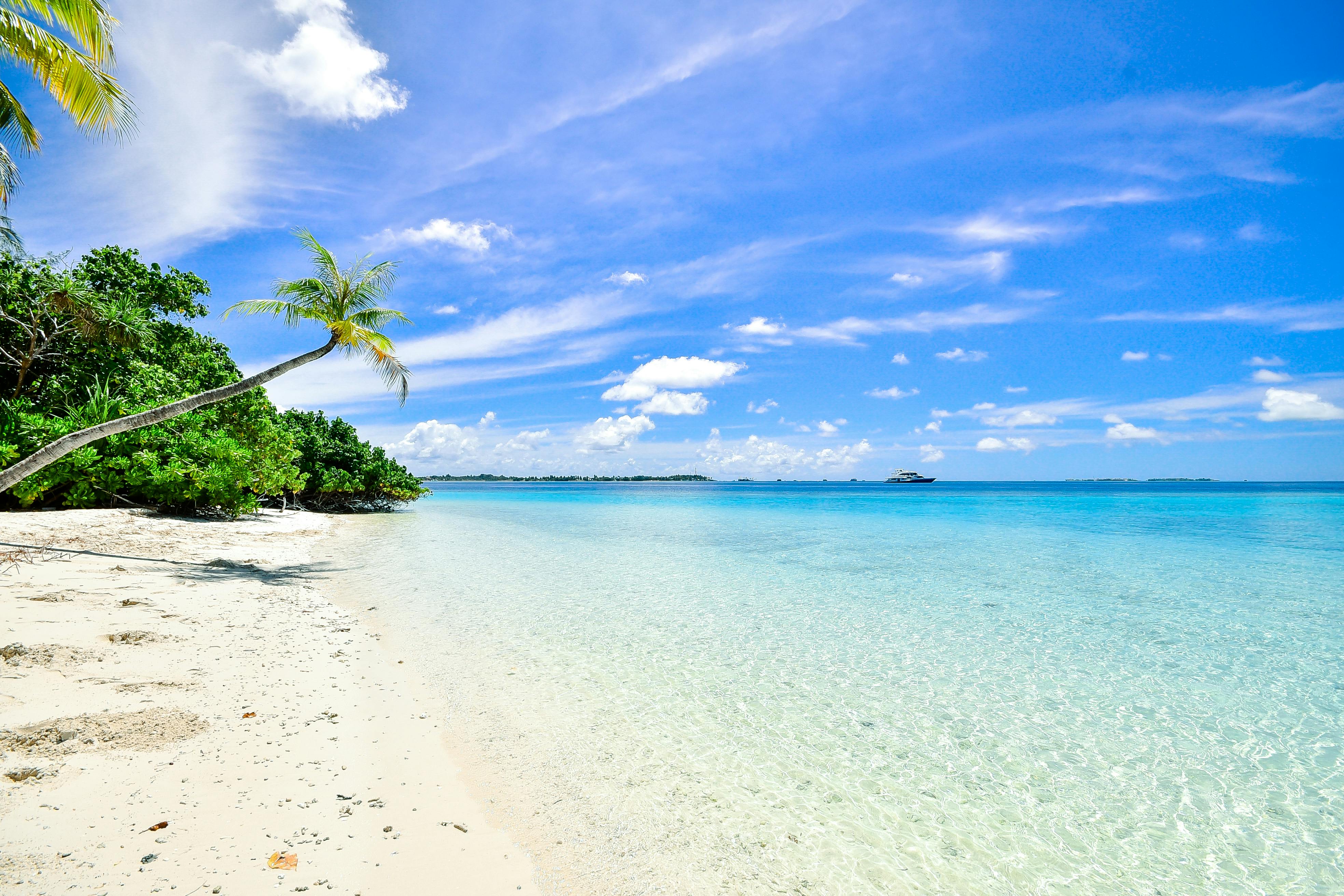
Viral “hidden gems” in 2025 are increasingly coastal: emerald bays reachable by scooter, jungle-backed beaches, and small islands a ferry ride away from larger hubs. Southeast Asia and Latin America, in particular, are seeing lesser-known islands and fishing towns trend under hashtags like #tropicalparadise and #quietbeach.
- Remote but reachable – two buses and a ferry are fine; four flights are not. Creators map these routes in 30 seconds.
- Simple stays – bamboo bungalows, seaside guesthouses, or tiny eco-lodges look great on camera and often fit budget-travel narratives.
- “Digital detox” appeal – limited Wi‑Fi is now marketed as a feature, with creators emphasizing silence, starry skies, and the sound of waves instead of nightlife.
Many of these clips overlay costs on top of panoramas: scooter rental price, beach bungalow rate, street-food dinner total. Audiences crave that concreteness; it turns daydreams into plausible plans.
🎬 The Short-Form Travel Playbook: 48 Hours, $30/Day, POV Adventures
The formats driving discovery are now so recognizable they’re almost genres. Browse any travel-heavy feed and you’ll see recurring structures:
- “48 hours in <destination>” – Morning markets, afternoon viewpoints, sunset cocktails, and night street food stitched together with on-screen captions and a viral audio track.
- “I spent $X/day here” – Quick cuts of receipts, menus, and bus tickets; perfect for budget-conscious viewers deciding whether a place fits their finances.
- “POV: You’re wandering through…” – First-person walks through alleyways, forests, or beaches with minimal narration, turning the viewer into the traveler.
- Logistics in 30 seconds – How to get there, best months, typical weather, visa-on-arrival info, and “don’t do this” warnings in bullet-point overlays.
Comment sections double as micro‑forums, filled with “Where is this exactly?”, “Is it safe for solo travelers?”, and “What’s the best month to visit?” Creators who answer clearly often see their videos resurface weeks later as the algorithm detects renewed engagement.
📈 From Viral Clip to Booked Trip: The Data Behind the Buzz
Content-analysis platforms like BuzzSumo and social listening tools have spent 2025 tracking phrases such as “TikTok made this place famous” and “I found this on Reels.” Engagement is consistently high on:
- Case studies of towns transformed by viral videos.
- Opinion pieces questioning whether creators should reveal exact locations.
- Step‑by‑step guides tagged #tiktokmademebuyit’s travel cousin: #tiktokmademevisit.
Meanwhile, travel researchers observe measurable links between virality and real‑world movement: spikes in search volumes, sudden interest in niche accommodation, and seasonal overflows in places that previously only saw domestic visitors. This feedback loop—content inspires visits, visits generate more content, more content drives further demand—is now one of the defining forces in global tourism.
🌱 The Upside: Spreading Tourism Wealth to Overlooked Places
When managed well, TikTok-driven discovery can be a lifeline. Towns that once depended on seasonal or single‑industry income are diversifying through tourism dollars: guesthouses opening in family homes, cafés replacing shuttered shops, and local guides launching walking tours or cooking classes.
- Economic diversification – Money from visitors helps buffer communities against downturns in agriculture, fishing, or manufacturing.
- Cultural preservation with pride – When travelers seek traditional crafts, recipes, and festivals instead of generic souvenirs, locals have incentives to keep heritage alive.
- Year-round tourism – Viral content often extends interest into shoulder seasons, smoothing out boom-and-bust cycles.
Some tourism boards in 2025 are actively collaborating with small creators rather than big celebrity influencers, inviting them to highlight lesser-known neighborhoods, eco‑friendly stays, and community-led experiences that spread visitors more evenly.
⚠️ The Downside: Fragile Places, Sudden Crowds, and Creator Responsibility
The dark side of going viral is how fast “hidden” can become overwhelmed. Small communities—especially those with limited water, waste systems, or public transport—can struggle when annual visitor numbers multiply within a couple of seasons.
- Environmental strain – delicate trails eroding, unofficial parking on dunes, popular waterfalls trampled, and increased litter in once‑pristine spots.
- Housing pressure – rapid growth of short‑term rentals can push rents beyond local budgets, repeating patterns seen in major cities.
- Cultural friction – dress-code norms, noise expectations, and behavior in places of worship or daily life often clash with visitors seeking “Instagrammable” moments.
In 2025, these issues are sparking new debates on X (Twitter), long‑form YouTube, and within creator communities. Some influencers now blur geotags, share only general regions, or emphasize that certain sites are already at capacity and should not be added to people’s “must‑visit” lists.
A growing sentiment among ethical creators: “If a place can’t cope with more people, my responsibility is to protect it, not expose it.”
🎒 For Creators: How to Share Hidden Gems Without Harming Them
If you’re posting travel content in 2025, you’re part of the system reshaping destinations. That comes with power—and responsibility. A simple ethical toolkit is emerging among thoughtful creators:
- Assess capacity – Is there public transport, waste management, and enough accommodation? If not, think twice before pushing precise directions.
- Promote off‑peak travel – Highlight shoulder seasons or weekdays instead of peak holiday weekends.
- Model respectful behavior – Show appropriate dress at religious sites, staying on marked paths, keeping noise down at night, and asking before filming people.
- Spotlight local businesses – Tag family-run stays, co‑ops, and community tours instead of only global chains.
- Handle geotags carefully – For fragile places, use a broader regional tag rather than the exact site.
🧭 For Travelers: Turning Viral Clips Into Thoughtful Journeys
If a 20‑second TikTok just convinced you to add a remote village or secret beach to your wishlist, pause for a moment before you rush to book. A bit of extra research helps you travel both smarter and more respectfully.
- Cross‑check information – Use multiple sources: local tourism sites, recent reviews, long‑form blogs, and forums. Verify transport options and safety updates.
- Check local sentiment – Search for news pieces or social threads discussing overtourism. If residents are already pleading for fewer visitors, reconsider.
- Budget realistically – “I spent only $30/day” videos may omit costs like visas, insurance, or peak‑season surcharges.
- Adapt your expectations – Viral clips are edited highlights; destinations are real places with weather, closed cafés, and off days.
- Give back where you go – Support local businesses, pay fair prices, and consider community tours or cultural experiences that keep money in the region.
🏛️ How Tourism Boards Are Adapting in 2025
Traditional destination marketing used to run on multi‑year campaigns and glossy brochures. In 2025, tourism boards and local governments are learning to move at the speed of the algorithm instead.
- Micro‑influencer partnerships – Working with smaller creators who understand nuance, language, and culture instead of chasing only follower counts.
- Real-time response – When a spot goes viral unexpectedly, some regions now deploy temporary signage, extra waste bins, and visitor information teams during surges.
- Digital storytelling focused on dispersion – Promoting clusters of villages or whole regions rather than a single “hero” site to avoid bottlenecks.
- Educational campaigns – Short Reels and TikToks teaching visitors basic etiquette, environmental guidelines, and local norms.
The most forward‑thinking destinations aren’t trying to stop the tide of viral discovery; they’re shaping it—guiding travelers toward routes and seasons that make sense for both guests and residents.
🔮 What’s Next for TikTok-Driven Hidden Gems?
As of late 2025, the age of algorithmic exploration is still accelerating. Short‑form platforms continue to experiment with travel-specific discovery tabs, smarter location tagging, and tools that blend maps with videos. At the same time, travelers are growing more aware of overtourism, showing interest not just in the next “secret,” but in how to visit that secret responsibly.
Hidden gems will keep appearing in our feeds: mountain towns with a single bakery, faded spa resorts reborn as wellness escapes, islands where donkeys outnumber cars. The difference now is that behind every 15‑second view is a bigger conversation—about who benefits, who bears the cost, and how we can let curiosity lead without leaving damage in its wake.
The destinations we fall in love with through our screens deserve more than a fleeting trend—they deserve visitors who arrive informed, respectful, and ready to give back as much as they take in memories.
