
These Surprising Everyday Foods May Boost Your Happiness More Than Dessert
You probably know the quick rush that comes from a sugary snack after a long day—and the crash that follows. It’s easy to assume that the foods that make us happiest are the ones that taste the most indulgent in the moment. But a growing body of research paints a different picture: the meals that quietly support your brain and gut may do more for your long-term happiness than any pint of ice cream ever could.
This doesn’t mean you have to give up comfort food or eat perfectly. It means you can nudge your mood in a better direction by making a few strategic, realistic food choices most of the time—no “miracle” diets, no guilt.

The real question isn’t “What food will make me instantly happy?” but “What way of eating helps my brain feel calmer, clearer and more resilient?”
“Diet is not a cure for depression or anxiety, but it is one of the modifiable factors that can either buffer or worsen mental health risk.” — Felice Jacka, PhD, nutritional psychiatry researcher
The Problem: Ultra-Processed “Comfort” Foods Can Quietly Drag Mood Down
Multiple large studies now link diets high in ultra-processed foods and refined carbohydrates to a higher risk of depression and anxiety symptoms. These foods include:
- Packaged snacks (chips, crackers, pastries)
- Sugary drinks and energy drinks
- Many frozen meals and fast food items
- White bread, white rice, many breakfast cereals
- Sweets, candy and baked goods made with refined flour and sugar
A recent study highlighted in AOL’s coverage noted that people eating the most ultra-processed foods and refined carbs had a higher likelihood of depressive symptoms, even after accounting for lifestyle factors. While these studies can’t prove cause and effect, the pattern shows up across different countries and age groups.
Why might this be happening? Researchers suspect several overlapping reasons:
- Blood sugar roller coasters that can lead to irritability, fatigue and brain fog.
- Low nutrient density—fewer vitamins, minerals and healthy fats that your brain relies on.
- Impact on the gut microbiome, reducing beneficial bacteria that help regulate mood- related brain chemicals.
- Chronic, low-grade inflammation that’s increasingly linked with depression risk.
None of this means you can never touch a drive-thru again. But it does mean that if most of your calories come from ultra-processed foods, your mood may never quite get the foundation it deserves.
The Gut–Brain Connection: Why Your Microbes Care What You Eat
Your intestines are lined with hundreds of millions of nerve cells and trillions of microbes. This “second brain” talks constantly with the one in your skull via the gut–brain axis. About 90–95% of your body’s serotonin—a key mood-related chemical—is made in the gut, not the brain.
When you regularly feed gut microbes with fiber-rich, minimally processed foods, they tend to:
- Produce short-chain fatty acids that reduce inflammation
- Support a more resilient stress response
- Influence the production of neurotransmitters like serotonin and GABA
On the other hand, diets heavy in ultra-processed foods may reduce microbial diversity and shift the gut environment in ways that may be less supportive of stable mood, according to emerging research.
What Foods Actually Support a Happier, More Resilient Mood?
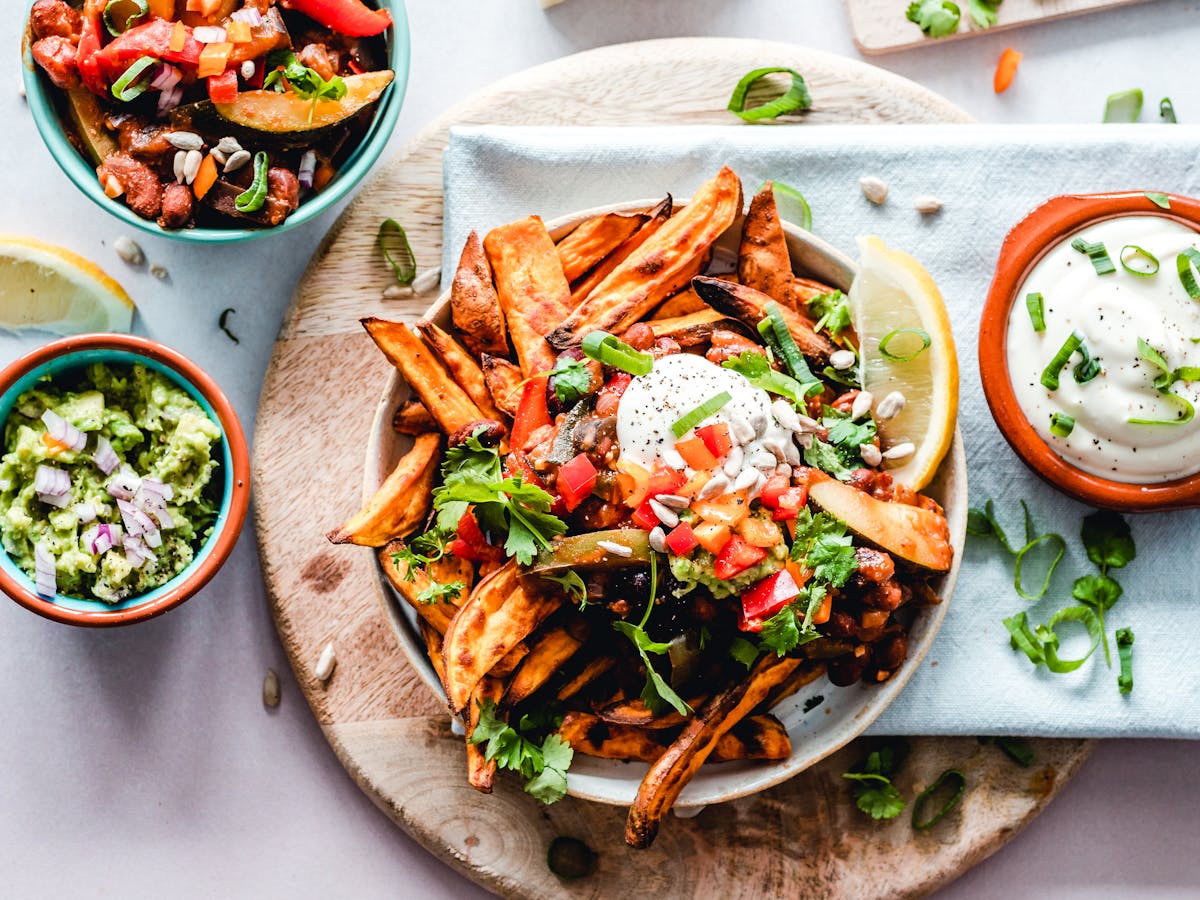
No single food flips a happiness switch. But certain patterns keep showing up in studies of mood and mental health. Below are categories of foods that, together, might form a “happiness-supporting” plate.
1. Fiber-Rich Plants: Fruits, Vegetables, Legumes and Whole Grains
A diverse range of plant foods feeds a diverse microbiome. Research suggests that people who eat more fruits, vegetables, beans and whole grains tend to report:
- Lower odds of depressive symptoms
- Better overall life satisfaction
- More stable energy throughout the day
Aim for “plants at most meals” rather than a fixed number. Examples:
- Oats with berries and a spoonful of nuts
- Brown rice or quinoa alongside roasted vegetables
- Bean-based soups or lentil salads
2. Fermented Foods: Yogurt, Kefir, Kimchi and Friends
Fermented foods contain live microbes that may support gut diversity. In one small randomized trial, people who added several servings of fermented foods per day saw increased microbiome diversity and reduced markers of inflammation—both relevant to mental health.
Try adding modest amounts of:
- Plain yogurt or kefir (dairy or plant-based with live cultures)
- Kimchi, sauerkraut or other fermented vegetables
- Miso in soups or dressings
- Kombucha with low added sugar
3. Omega‑3 Fats: Fatty Fish, Walnuts and Flax
Omega-3 fatty acids (EPA and DHA) are structural building blocks for brain cells and play a role in anti-inflammatory pathways. Several observational studies and some clinical trials suggest that higher omega-3 intake is associated with reduced depressive symptoms, especially in people with low baseline intake.
- Fatty fish (salmon, mackerel, sardines, herring, trout)
- Walnuts and chia seeds
- Ground flaxseeds or flax oil (add to oats or smoothies)
- Algae-based omega-3 supplements for those who avoid fish (discuss with your clinician)
4. Magnesium- and Folate-Rich Foods
Both magnesium and folate are involved in brain function and the production of neurotransmitters. Low levels have been associated with higher rates of depressive symptoms, though supplements are not a guaranteed fix.
Foods that naturally contain these nutrients include:
- Leafy greens (spinach, kale, Swiss chard)
- Beans and lentils
- Avocados and bananas
- Seeds (pumpkin, sunflower, sesame)
- Fortified whole grains
5. Dark Chocolate and Enjoyable Treats (In Thoughtful Portions)
Yes, some treats can fit. Dark chocolate (around 70% cocoa or higher) contains polyphenols that may have mild mood-supporting effects, and the simple pleasure of eating something you enjoy activates reward pathways in the brain.
The key is context: a square or two of dark chocolate after a balanced meal feels very different to your body than half a bar eaten on an empty stomach to cope with stress.
A Real-Life Example: From Afternoon Slumps to Steadier Days
Consider “Maya,” a 34‑year‑old office worker (details changed for privacy). She wasn’t clinically depressed, but she described herself as “tired, snappy and foggy most afternoons.” Her typical day:
- Coffee and a sweet pastry on the way to work
- Takeout sandwich and chips for lunch
- A sugary drink and candy around 3 p.m. to “push through”
- Frozen dinner or fast food at night
Instead of overhauling everything, she and her dietitian made three changes:
- Swapped the pastry for oatmeal with fruit and nuts three days a week.
- Added a side salad and sparkling water to her sandwich lunch.
- Replaced the 3 p.m. candy with yogurt and a square of dark chocolate, keeping the coffee.
After about four weeks, Maya reported fewer energy crashes and said she was “less on edge” during meetings. These changes didn’t cure stress from work or family responsibilities, but they gave her a more stable foundation to cope with them. This kind of small, cumulative shift is what research on dietary patterns and mood tends to support.
Practical Steps: How to Build a More “Mood-Friendly” Plate
You don’t need a perfect diet to support your mental health. You just need to shift the balance. Here’s a practical, science-informed roadmap.
Step 1: Add Before You Subtract
Restrictive rules can backfire and increase anxiety about food. Instead, focus on adding:
- One extra serving of vegetables per day
- A piece of fruit as a snack or dessert
- A handful of nuts or seeds to breakfast
- One fermented food (like yogurt or kimchi) a few times per week
Step 2: Tame Blood Sugar Swings
Big spikes and crashes can amplify irritability and fatigue. To help:
- Include protein at meals (beans, fish, eggs, tofu, yogurt, lean meats).
- Choose whole grains when possible (oats, quinoa, brown rice, whole-grain bread).
- Pair sweets with meals instead of eating them alone on an empty stomach.
Step 3: Use a Simple “Mood Plate” Formula
For many people, a comforting, mood-supportive plate can look like:
- Half plate: colorful vegetables or fruits
- Quarter plate: whole grains or starchy vegetables
- Quarter plate: protein source
- Plus: a source of healthy fat (olive oil, nuts, seeds, avocado)
Step 4: Keep Comfort Foods—Just Change the Role They Play
Completely banning favorite foods can make them feel even more powerful. Instead:
- Schedule them intentionally (Friday pizza night, weekend dessert).
- Enjoy them slowly and mindfully, without multitasking.
- Notice how you feel 1–2 hours afterward—both physically and emotionally.

Common Obstacles (and How to Navigate Them with Compassion)
Changing how you eat when you’re already stressed, low or overwhelmed is not easy. A compassionate, realistic approach is essential.
“I Eat When I’m Stressed or Sad”
Emotional eating is a normal coping tool—it may be the only one you have right now. Rather than trying to shut it down overnight, consider:
- Adding one non-food coping tool, like a 5‑minute walk, a quick text to a friend or a calming playlist.
- Eating comfort foods more mindfully, noticing taste and texture instead of zoning out.
- Working with a therapist or dietitian if emotional eating feels out of control.
“Healthy Food Feels Too Expensive”
Not everyone has equal access to fresh food. If cost is a concern, prioritize:
- Frozen produce and store-brand items
- Beans, lentils, eggs and canned fish as affordable proteins
- Buying what’s on sale and building meals around it
“I Don’t Have the Energy to Cook”
When your mood is low, even boiling water can feel like a lot. On those days, “good enough” is perfect. Examples:
- Whole-grain toast with peanut butter and a banana
- Microwavable frozen vegetables with pre-cooked rice and canned beans
- Rotisserie chicken with a bagged salad mix
What the Science Actually Says (Without the Hype)
Nutritional psychiatry—the study of how diet affects mental health—is still a relatively young field. Much of the evidence is observational, meaning it can show patterns but not prove that food directly causes mood changes.
Key points from current research include:
- Diet patterns matter more than single foods. Mediterranean-style patterns and traditional diets (rich in plants, whole grains, legumes and fish) are linked to lower depression risk in multiple countries.
- Ultra-processed foods and sugary drinks are consistently associated with worse mood outcomes. These findings hold across different age groups, though we still need more high-quality trials.
- Intervention studies are promising but modest. Some trials where people received structured dietary support have shown improved depressive symptoms compared with control groups—but not everyone responds, and diet was often combined with other treatments.
- Individual response varies. Genetics, gut microbiome differences, sleep, exercise and social support all influence how you feel.
“Food is not a magic bullet for mental illness, but it’s one of the few levers many people can tweak day to day. Even small improvements in energy, sleep or stress resilience can add up.” — Registered Dietitian, mental health specialty
For deeper reading, look for reputable sources such as:
- Peer-reviewed journals like Psychiatry Research, BMC Medicine, and Nutritional Neuroscience
- Guidelines from organizations such as the World Health Organization and your national dietary advisory bodies
Before & After: A Week of Meals, Reimagined
To visualize the shift, here’s a simplified “before and after” comparison of a typical day. This is not a prescription—just an example of how to tilt the balance toward mood-supportive foods.
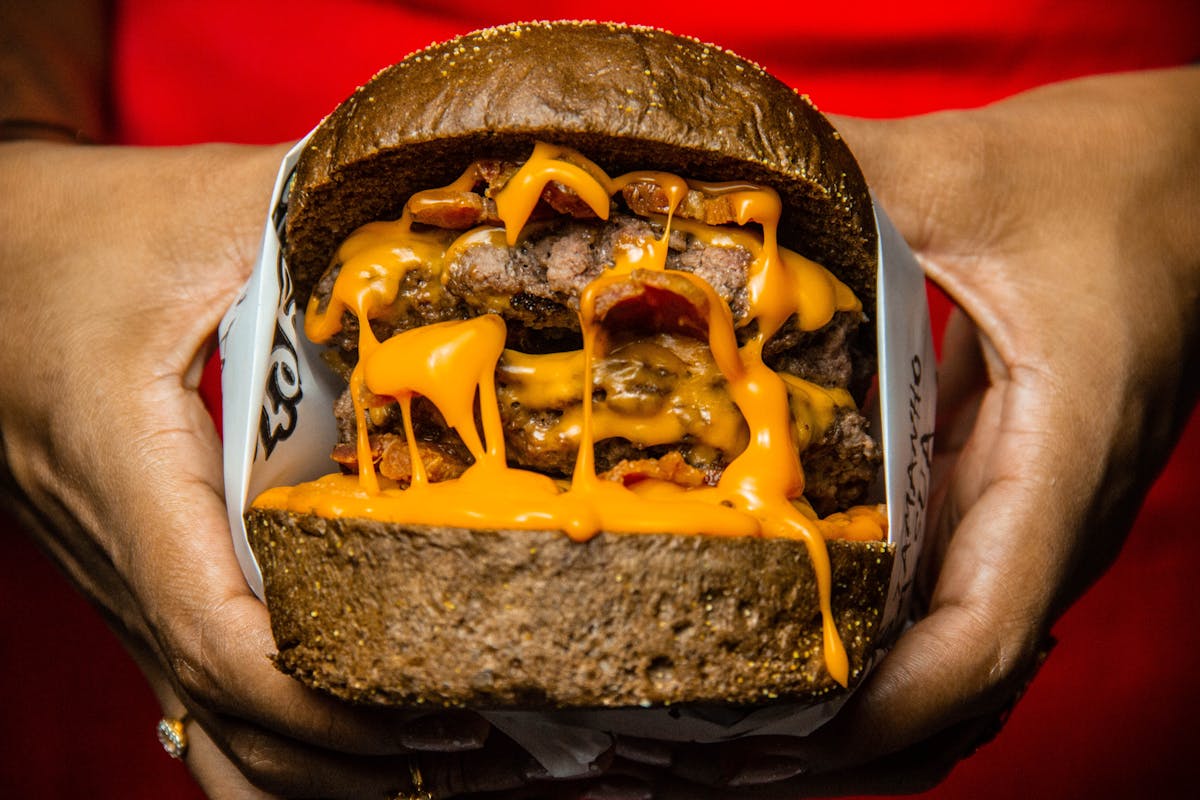
- Breakfast: Sugary cereal with low-fiber flakes and sweetened coffee drink
- Lunch: Burger, fries, soda
- Snack: Candy bar and energy drink
- Dinner: Frozen pizza, no vegetables
Likely pattern: quick energy spikes followed by crashes, limited fiber and micronutrients, and heavy reliance on ultra-processed foods.
- Breakfast: Oatmeal with berries, walnuts and plain yogurt; coffee with a little milk
- Lunch: Grain bowl with brown rice, roasted vegetables, beans and olive oil dressing; water or unsweetened tea
- Snack: Apple slices with peanut butter, or yogurt with a bit of dark chocolate
- Dinner: Baked salmon or beans, steamed or frozen vegetables, whole-grain bread
Likely pattern: steadier blood sugar, more fiber and micronutrients, beneficial fats and a reasonable amount of pleasure.
Bringing It All Together: Food as One Gentle Lever for Happiness
The foods that truly make you happiest aren’t just the ones that taste good right now—they’re the ones that help your brain and body feel steadier in the days and weeks ahead. Research points toward a simple theme: more plants, more fiber, more healthy fats and fermented foods; fewer ultra-processed items and sugary drinks as the baseline.
None of this replaces therapy, medication or social support when you need them. It simply gives your mind a better foundation to work from—a way to say, “I’m on my own side,” three times a day.
If you’d like to start today, choose one of the following:
- Add a fruit or vegetable to your next meal.
- Swap one sugary drink for water or unsweetened tea.
- Try one new fermented food this week.
- Plan one simple, balanced dinner using the “mood plate” formula.
Then, pay gentle attention to how you feel over the next few weeks—not just in moments of eating, but in your sleep, focus and resilience. Your version of a “happier plate” will be unique, and it’s absolutely okay to build it one small, kind choice at a time.
