
These 3 Personality Traits Are Linked to a Shorter Life (and What You Can Do About It)
Your personality may quietly shape how long you live. New research suggests that certain traits can increase the risk of dying earlier, while others may protect your health and longevity. In this guide, we’ll unpack what scientists found, why it matters, and realistic steps you can take to support a longer, healthier life—without trying to change who you are overnight.
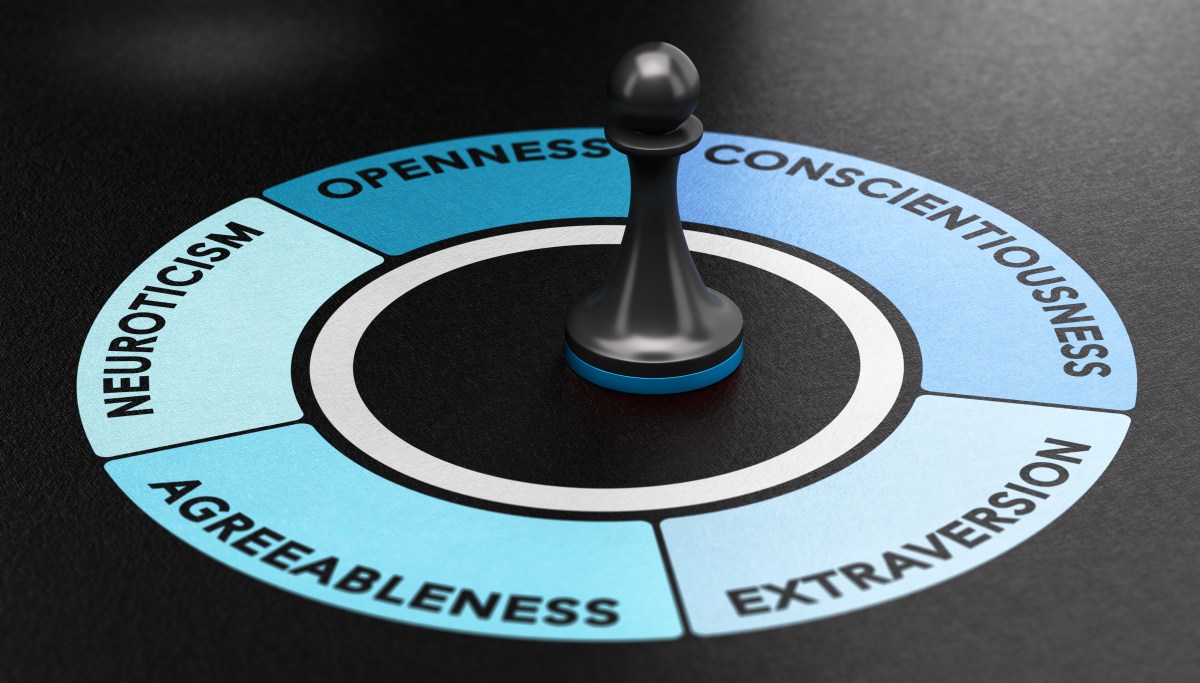
A large study from the University of Limerick, led by psychologist Páraic Ó’Súilleabháin , analyzed personality and mortality and concluded that “personality is a critical driver of health and longevity.” That doesn’t mean you’re doomed by your temperament, but it does mean your traits can influence things like stress, lifestyle choices, and medical risk—often without you realizing it.
This article breaks down:
- Which personality traits are linked to earlier death
- Which traits appear protective for long life
- How these traits affect your health day to day
- Practical ways to work with your personality—not against it—to reduce risk
How Can Personality Affect How Long You Live?
On the surface, it seems strange that something as “soft” as personality could affect something as hard and final as mortality. But personality traits shape your:
- Daily habits (sleep, exercise, diet, smoking, alcohol use)
- Stress levels and coping style
- Likelihood of following medical advice
- Relationship quality and social connection
- Occupational risk-taking and safety behavior
“Personality is a critical driver of health and longevity.”
— Páraic Ó’Súilleabháin, Ph.D., Psychologist and lead author of the study
Over decades, these small, trait-driven behaviors can translate into very real differences in heart disease, metabolic health, injuries, and even how your immune system responds to illness.
The Three Personality Traits Linked to Higher Risk of Early Death
The new research builds on decades of work using the well-known Big Five personality traits:
- Neuroticism
- Extraversion
- Openness to experience
- Agreeableness
- Conscientiousness
While results can vary by study and population, three traits consistently show up as problematic when they are at unhealthy extremes or combined with risky behaviors:
1. High Neuroticism (especially when unmanaged)
Neuroticism reflects how prone you are to worry, anxiety, mood swings, and emotional reactivity. High neuroticism alone doesn’t doom you, but when stress is chronic and unmanaged, it’s associated with:
- Higher rates of cardiovascular disease
- Increased inflammation and stress hormone levels
- Sleep problems and emotional eating
- Greater risk of depression and substance misuse
Over years, this combination can raise the risk of earlier mortality, particularly from heart disease and metabolic illnesses.
2. Low Conscientiousness
Conscientiousness is about being organized, responsible, and disciplined. It’s one of the strongest protective traits for a longer life. People very low in conscientiousness are more likely to:
- Skip medical appointments or ignore symptoms
- Struggle with medication adherence
- Make more impulsive choices around food, alcohol, and substances
- Have unstable routines (sleep, work, finances)
Large meta-analyses have found that low conscientiousness is consistently linked to a higher risk of early death, even when controlling for other factors.
3. High Hostility or Very Low Agreeableness
Agreeableness involves compassion, cooperation, and trust. At the opposite end—when agreeableness is very low and hostility is high—people may:
- Experience more conflict in relationships
- Have chronically higher stress and blood pressure
- Engage in risky driving or confrontational behavior
- Be less likely to receive or accept social support
Chronic hostility has long been associated with higher risk of heart disease and earlier death in epidemiological studies.
Personality Traits That Tend to Support Longer Life
The same body of research points toward traits associated with better health and longevity. You don’t need all of them—and there’s no “perfect” personality—but these patterns show up repeatedly:
- Higher conscientiousness: Linked with better health behaviors, safer driving, lower substance misuse, and improved adherence to medications.
- Moderate emotional stability (lower neuroticism): Associated with less chronic stress and inflammation.
- Supportive agreeableness: Helps build strong social ties, which are consistently protective for both mental and physical health.
- Openness to experience: May encourage curiosity about health, willingness to try new treatments, and richer social and intellectual engagement.
- Balanced extraversion: Can promote social connection and physical activity, though extreme risk-taking can offset these benefits.

The key takeaway: you don’t have to transform your personality. Small shifts in how you express your traits can meaningfully change your health trajectory.
How to Tell If Your Personality Might Be Putting Your Health at Risk
You don’t need a formal personality test to start reflecting. Consider these questions:
- Stress & emotion: Do you often feel “on edge,” catastrophize health issues, or have trouble calming down after stress?
- Follow-through: Do you frequently miss appointments, forget medications, or abandon health goals quickly?
- Relationships: Do conflicts, mistrust, or anger frequently strain your relationships?
- Risk behaviors: Do you often act impulsively with food, substances, sex, or driving?
- Routines: Is your day-to-day life very irregular—sleep, meals, activity, work?
If several of these resonate strongly and cause real-life problems, it may be worth discussing them with a mental health professional or your primary care doctor. Personality traits are relatively stable, but how you cope and behave is highly changeable.
A Real-Life Example: Turning Traits into Tools, Not Threats
A patient I’ll call Maria (name changed) was in her late 50s, highly intelligent, and very anxious. Her neuroticism score on a standard inventory was high, and she described herself as a “worst-case-scenario thinker.” She also had borderline high blood pressure and a family history of heart disease.
Instead of trying to make Maria “less neurotic,” her clinician focused on using her strengths:
- Her tendency to worry became motivation to learn about heart health from reputable sources.
- They channeled her detail-oriented nature into tracking her blood pressure, steps, and sleep.
- She learned practical CBT (cognitive behavioral therapy) tools to question catastrophic thoughts.
- Her care team built a simple, structured routine that fit her lifestyle.
Within a year, Maria’s blood pressure improved, her sleep stabilized, and her anxiety—while still present—became more manageable. Her personality didn’t change dramatically, but the way it played out in her health did.
Evidence-Based Ways to Reduce Health Risks Linked to Your Personality
Below are practical strategies, organized by trait pattern. Choose the ones that apply most to you.
If You Tend to Worry a Lot (High Neuroticism)
- Learn “worry scheduling”: Set 10–15 minutes a day to write down worries, then gently postpone new worries to that time. This can reduce constant rumination.
- Use evidence-based therapies: CBT, acceptance and commitment therapy (ACT), and mindfulness-based stress reduction have strong research support for anxiety and stress.
- Prioritize sleep: Protecting 7–9 hours of sleep with consistent bedtimes can significantly reduce emotional reactivity.
- Channel worry into action: Turn “What if I get sick?” into “What can I do today to support my health?” (e.g., 10-minute walk, taking prescribed meds, scheduling overdue screenings).
If You Struggle With Follow-Through (Low Conscientiousness)
- Make habits tiny: Instead of “exercise 30 minutes daily,” start with “walk 5 minutes after lunch.” Small, repeatable steps are more sustainable.
- Use external supports: Set phone reminders for medications, use pill organizers, and keep important items (like inhalers or glucose meters) visible.
- Stack habits: Attach new behaviors to existing ones (take medication after brushing teeth, stretch while the coffee brews).
- Schedule health like appointments with others: Put workouts and checkups on your calendar and treat them as commitments to your future self.
If You’re Often Irritable or Suspicious (Hostility / Low Agreeableness)
- Notice your early warning signs: Tight jaw, racing thoughts, urge to interrupt—these are cues to pause.
- Practice “micro-pauses”: Before responding in conflict, take one slow breath in and out. It’s small, but over time can lower blood pressure spikes.
- Develop one or two safe relationships: You don’t have to trust everyone; start with one person you can be honest with, including about your health fears.
- Consider anger management or therapy: Structured programs can reduce hostility and improve heart health markers.

Common Obstacles (and How to Gently Work Around Them)
Changing long-standing patterns is hard, especially when your personality pushes you toward familiar habits. Here are some predictable hurdles and workarounds:
- “This is just who I am.”
You’re right that your core temperament is unlikely to flip. The goal isn’t to change you, it’s to change the expression of your traits in daily life. Even small behavioral tweaks can change health outcomes. - All-or-nothing thinking.
Perfectionism can lead to giving up after one “slip.” Instead of “I failed,” try “I’m learning what doesn’t work for me—what’s the smallest next step?” - Lack of support.
If friends or family aren’t on board, consider online communities, group programs, or health coaches. Feeling understood makes change less exhausting. - Mistrust of healthcare.
If you’ve had negative experiences, it’s reasonable to be cautious. You can interview new clinicians, bring an advocate to appointments, and ask for explanations in plain language before agreeing to tests or treatments.
What the Science Says: Personality, Health, and Longevity
The University of Limerick study highlighted in Newsweek adds to a long line of research showing that personality can predict mortality risk at a population level, even after accounting for age, sex, and some health conditions.
Key themes from the literature include:
- People higher in conscientiousness tend to live longer, on average, partly because they engage in fewer risky behaviors and adhere better to medical recommendations.
- High neuroticism can either increase or, in some contexts, slightly decrease risk depending on whether it leads to unhealthy coping (like smoking) or vigilant health behaviors.
- Hostility and chronic anger are linked to higher blood pressure, arterial damage, and heart disease risk.
- Social connection, influenced by traits like agreeableness and extraversion, is a strong predictor of both mental and physical health outcomes.
For accessible summaries of this research, you can explore:
- American Psychological Association (APA) resources on personality and health
- PubMed Central for open-access review articles on personality and mortality
- World Health Organization (WHO) materials on behavioral risk factors and chronic disease

A Simple, Personality-Aware Plan for Better Health
If you’d like to act on this research without feeling overwhelmed, here’s a realistic 5-step approach you can adapt:
- Identify your top 1–2 traits.
Reflect honestly or use a brief Big Five questionnaire from a reputable source (such as a university psychology department). - Pick one health domain.
Choose sleep, movement, nutrition, stress, or medical follow-up—one area only to start. - Design one “micro-habit” that fits your trait.
Examples:- High worrier: 5 minutes of writing down worries before bed.
- Low conscientiousness: Lay out walking shoes next to the bed to cue a 5-minute morning walk.
- High hostility: One slow breath before answering messages that upset you.
- Track for just 2 weeks.
Use a paper calendar, app, or notes app. Mark each day you complete your micro-habit. Notice how it feels, not just the “streak.” - Review with support.
Share what you notice with a friend, partner, coach, therapist, or clinician. Adjust the habit to be easier, not harder.

Turning Insight into Action: You’re Not Stuck With Your Risk
The idea that some personality traits are linked to earlier death can sound alarming. But the deeper message from the research is more hopeful: once you understand how your traits influence your habits, you can make targeted, realistic changes that support your health.
You are more than a personality profile. Your choices, your environment, your relationships, and your access to care all matter—and they’re all areas where small steps add up.
If you’re ready to take one next step today, consider:
- Jotting down the 1–2 traits that feel strongest in you.
- Choosing one health area you’d like to support (sleep, stress, activity, nutrition, or medical follow-up).
- Creating a single, 5-minute habit that aligns with who you are.
If possible, bring this reflection to your next healthcare appointment. Ask your clinician, “Given my personality and habits, what’s one change that would give me the most health benefit?” Collaborating in this way can turn abstract research into a concrete, personalized plan for a longer, healthier life.
