The Silent Muscle Obsession: What Every Parent Needs To Know About Rising Bigorexia In Teens
When “Getting Ripped” Becomes Harmful: Understanding Bigorexia In Teens
Many parents can recognize the red flags of disorders like anorexia: extreme dieting, fear of weight gain, skipped meals. But far fewer have heard of bigorexia—also known as muscle dysmorphia—a body-image condition where teens, especially boys and young men, become fixated on not being “muscular enough,” no matter how big or strong they actually are.
This isn’t just about going to the gym a lot or caring about fitness. Bigorexia can quietly reshape a young person’s entire life: what they eat, who they see, how they feel about themselves, and the risks they’re willing to take to “get bigger.” As gym culture and fitness content on social media continue to explode, clinicians are warning that bigorexia is on the rise—and many families are missing the early signs.
In this guide, we’ll walk through what bigorexia is, why it’s becoming more common, how to spot it in your child, and what you can realistically do to help—without panic, blame, or shame.
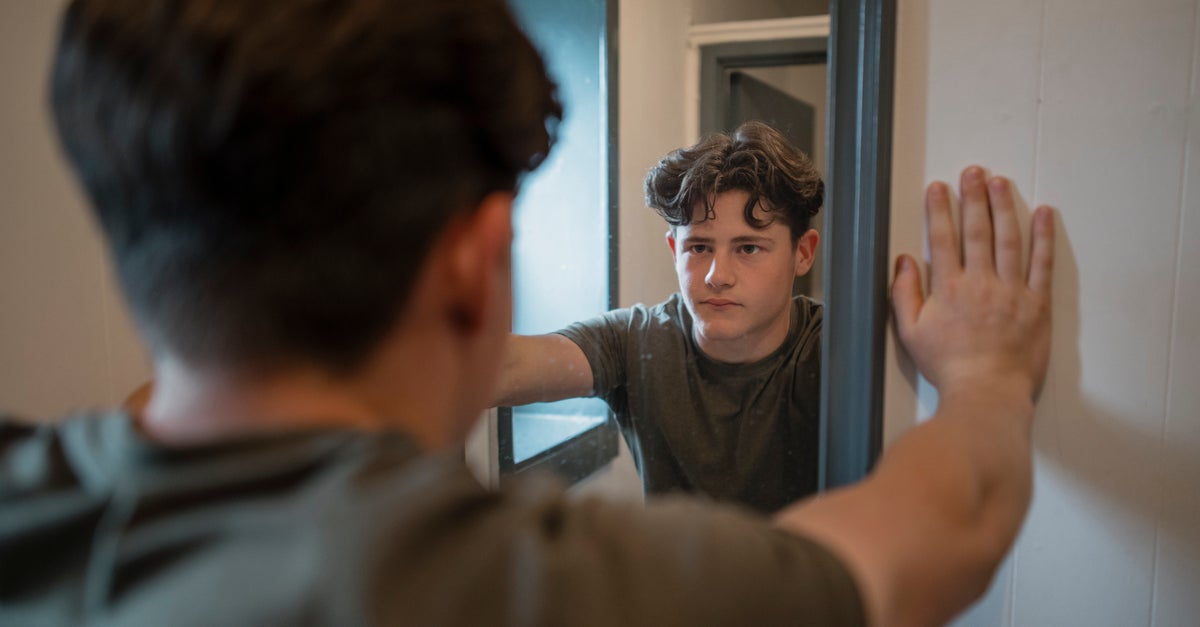
What Is Bigorexia (Muscle Dysmorphia)?
Bigorexia is an informal term for muscle dysmorphia, a type of body dysmorphic disorder (BDD). Instead of feeling “too fat,” people with muscle dysmorphia feel they are too small or not muscular enough, even when they are objectively very fit or muscular.
- Core fear: “I am too small, weak, or skinny.”
- Main focus: Muscle size, leanness, and strength.
- Common behaviors: Compulsive lifting, rigid eating, constant mirror checks, comparing physiques, supplement overuse.
“Muscle dysmorphia is characterized by a preoccupation with the idea that one’s body is insufficiently muscular or lean. This preoccupation causes significant distress or impairment.”
Clinically, muscle dysmorphia is usually grouped under body dysmorphic disorder, not an eating disorder. But in real life, it often overlaps with disordered eating and overexercise, so the impact on health and daily life can be just as serious.
Why Bigorexia Is On The Rise, Especially In Boys And Young Men
While muscle dysmorphia can affect anyone, research and clinical reports suggest it is particularly common among boys, young men, and people who lift weights regularly. Several factors appear to be driving the increase.
- Shifting male beauty standards.
Over the last few decades, male characters in movies, video games, and advertising have become dramatically more muscular and lean. Teens absorb these images long before they ever step into a gym. - Social media and fitness influencers.
Platforms like Instagram, TikTok, and YouTube are full of “before/after” transformations, bodybuilding content, and “what I eat in a day” videos. Many of these physiques are enhanced by lighting, filters, posing, or even performance-enhancing drugs, but teens often take them at face value. - Gym culture starting younger.
It’s increasingly normal for 13–16-year-olds to have gym memberships, track macros, and use pre-workout supplements. For many it’s positive, but for some it becomes compulsive and identity-defining. - Stigma around male body image struggles.
Boys are less likely to say they feel “fat” or “ugly,” but they may joke about being “small” or “skinny.” That language can mask real shame and anxiety.
Clinicians have been reporting more teen boys showing up in treatment for depression, anxiety, or “gym addiction,” only to discover underlying muscle dysmorphia. The worry isn’t just psychological: some teens turn to risky supplements or steroids to chase an unrealistic ideal.

Early Warning Signs Of Bigorexia: What Parents Should Watch For
Many of the behaviors linked with bigorexia can look like “healthy discipline” at first: going to the gym, eating more protein, caring about performance. The key is intensity, rigidity, and distress when routines are disrupted.
Common behavioral signs
- Spending hours a day lifting or doing “two-a-day” workouts, even when exhausted or injured.
- Becoming very upset if they miss a workout or if the gym is closed.
- Declining social events, family trips, or school activities because they conflict with workout or meal schedules.
- Checking mirrors or body parts (like arms, chest, abs) repeatedly, or avoiding mirrors entirely out of frustration.
- Constantly comparing their body to others in person or online.
Food and supplement red flags
- Very rigid eating rules, such as only eating “clean” foods, strict macro tracking, or panic about going off-plan for a single meal.
- Large, frequent meals or shakes with the stated goal of “bulking” or “cutting,” paired with anxiety about missing them.
- Heavy reliance on supplements—multiple powders or pills—especially if they’re secretive about the ingredients.
- Interest in or use of unregulated products advertised as “legal steroids” or “prohormones.”
Emotional and cognitive signs
- Frequent comments like “I’m so small,” “I’m weak,” or “Everyone else is huge compared to me,” even when that isn’t true.
- Extremely negative reactions to photos of themselves or to weighing in or measuring their body.
- Increased irritability, anxiety, or low mood tied specifically to their appearance or gym progress.
- Perfectionistic thinking: “If I’m not shredded, I’m a failure.”
A Parent’s Story: When Healthy Lifting Crossed The Line
Consider a composite example drawn from several clinicians’ case descriptions:
“Alex,” 16, started lifting during the pandemic to “get in shape.” At first, his parents were thrilled—he was more active, cooked his own meals, and seemed motivated. Over a year, he gained noticeable muscle and looked fit and strong.
Then, small shifts appeared. He refused to eat anything his mom didn’t weigh on a food scale. He turned down birthday parties if they involved restaurant food. He woke up at 5 a.m. to train before school and went back to the gym after. When the family took a weekend trip without gym access, he became withdrawn and angry, calling himself “lazy” and “pathetic.”
Alex spent hours scrolling through bodybuilding content online. Despite being clearly muscular, he insisted he was “tiny” and “so far behind everyone else.” His grades dropped, sleep worsened, and he seemed anxious whenever he wasn’t training or eating.
“We kept telling ourselves, ‘At least he’s not doing drugs or partying.’ It took us a long time to realize the gym itself had become the problem.”
Once his pediatrician flagged concerns, the family connected with a therapist who specialized in body image. Over time, with therapy, adjusted training goals, and limits around social media, Alex’s life became more balanced. He still lifts—but it no longer defines his entire worth.
Why Bigorexia Matters: Physical And Mental Health Risks
Bigorexia is not “just a phase” of wanting to be fit. When it takes hold, the pursuit of muscle can come at a steep cost to both physical and mental health.
Physical risks
- Overuse injuries (tendonitis, stress fractures, chronic joint pain) from heavy lifting without adequate rest.
- Hormonal disruptions from extreme dieting or use of illicit performance-enhancing drugs.
- Potential cardiovascular strain from some stimulants or certain unregulated supplements.
- Nutritional imbalances if entire food groups are avoided or intake is constantly manipulated for “bulking” or “cutting.”
Mental health risks
- Increased anxiety and depression, tied to body dissatisfaction.
- Social isolation when friends or family are sidelined in favor of gym time and strict routines.
- Higher risk of other eating disorders or substance misuse, including steroids.
- Significant drop in quality of life: school, hobbies, sleep, and relationships all suffer.

How To Talk With Your Child About Bigorexia Without Shaming Them
Approaching your child about bigorexia can feel delicate. You may worry they’ll shut down, get defensive, or feel judged. The goal is to open a conversation, not win an argument.
Guiding principles for the conversation
- Lead with care, not criticism.
Try: “I’ve noticed you seem really stressed about your workouts lately, and I’m concerned about how hard you are on yourself. Can we talk about it?” - Focus on what you see, not what you assume.
Describe specific behaviors (“You seem exhausted but still push yourself to train twice a day”) rather than labels (“You’re obsessed with the gym”). - Validate the pressure they feel.
Acknowledge that there is intense pressure on boys and young men to look a certain way. You’re not dismissing their feelings; you’re questioning the unrealistic standard. - Invite collaboration.
Ask: “What do you want your relationship with working out and your body to look like a year from now? How can we support that in a healthy way?” - Keep the door open.
If they refuse to talk at first, you can say, “That’s okay. I’m here whenever you’re ready, and I’m not going to stop caring about how you’re doing.”
Practical Steps Parents Can Take To Support A Child With Bigorexia
Recovery from muscle dysmorphia is possible, but it typically requires a combination of professional help, family support, and environmental changes. You don’t have to fix everything at once—small, steady steps matter.
1. Start with a medical checkup
- Make an appointment with your child’s pediatrician or family doctor. Share your concerns openly, including gym habits, mood changes, and any supplement use.
- Ask about screening for body dysmorphic disorder, eating disorders, anxiety, and depression.
- If your child uses performance-enhancing substances, it’s important the doctor knows, even if it feels uncomfortable to disclose.
2. Seek specialized mental health support
- Look for a therapist experienced in body image, eating disorders, or adolescent mental health. Some clinicians specifically mention experience with athletes or weightlifters.
- Evidence-informed approaches often include Cognitive Behavioral Therapy (CBT) and sometimes family-based interventions.
- If access to in-person care is limited, ask about telehealth options or trusted online programs.
3. Gently reshape the environment
- Set reasonable limits on workout frequency and duration, ideally with a healthcare provider’s guidance.
- Review supplements together with a doctor or sports dietitian. Removing unregulated or unsafe products is a protective step.
- Encourage a wider mix of activities beyond lifting—hiking, team sports, music, gaming with friends, or other hobbies your child enjoys.
4. Address social media and comparison
- Talk about how filters, posing, and performance-enhancing drugs can alter physiques in fitness content.
- Invite a “social media audit” together: Which accounts make them feel worse about their body? Which ones support a more balanced view of health and strength?
- Consider screen time limits or tech-free windows, especially late at night when anxious scrolling tends to spike.

Promoting A Healthier Relationship With Strength, Food, And Body Image
You don’t have to be anti-gym to support your child. For many teens, strength training is empowering and protective. The aim is to promote flexible, health-focused habits rather than rigid, appearance-obsessed ones.
Healthy strength goals sound like:
- “I want to get stronger so I can perform better in my sport and feel more confident.”
- “I’m learning how to fuel my body so I have energy and recover well.”
- “It’s okay to miss a workout sometimes—rest is part of progress.”
Bigorexia-driven goals often sound like:
- “I’ll never be big enough.”
- “If I eat off-plan once, I’ve ruined everything.”
- “I can’t take a rest day, or I’ll shrink.”
Where To Find Reliable Information And Professional Help
Because bigorexia is less widely known than anorexia or bulimia, parents often struggle to find clear information. These types of resources can be a helpful starting point:
- National mental health organizations (for example, your country’s national institute or association on mental health and eating disorders) often host up-to-date information on body dysmorphic disorder and related conditions.
- Hospital-based eating disorder programs increasingly recognize and treat muscle dysmorphia, particularly in teen boys and young men.
- Licensed sports dietitians can guide safe nutrition and supplement decisions for young athletes and lifters.
Online, look for:
- Sites that clearly cite research studies and clinical guidelines.
- Content created or reviewed by qualified health professionals.
- Avoid sites that rely on fear-mongering, miracle cures, or unregulated supplement sales.
Moving Forward: You Don’t Have To Navigate Bigorexia Alone
If you’re worried your child might be struggling with bigorexia, you’re not overreacting—and you’re not alone. Many parents only learn about muscle dysmorphia when their teen is already deep in it. The fact that you’re reading about it now is a powerful first step.
You don’t need to have all the answers or “fix” things overnight. What your child needs most is your steady presence, your willingness to listen without judgment, and your courage to ask for professional support when it’s needed.
Over time, with the right help, many young people learn to enjoy strength training and fitness in a way that supports their confidence rather than eroding it. Muscles can be a source of pride—but they should never be the only measure of worth.
If this article resonated with you, consider:
- Starting a gentle conversation with your child this week.
- Scheduling a checkup with their doctor to discuss your concerns.
- Reviewing your household’s language about bodies, food, and exercise.
Small, compassionate steps add up. You don’t have to do them perfectly—you just have to begin.