
The Real Ping-Pong Hustler Behind ‘Marty Supreme’: Inside Marty Reisman’s Gritty New York Table Tennis World
The Real Ping-Pong Champion — And Hustler — Who Inspired NPR’s “Marty Supreme”
Long before ping-pong became an Olympic TV filler, Marty Reisman turned New York City table tennis into a smoky, high-stakes underground sport, where style, swagger, and side bets mattered as much as spin. The real-life hustler who inspired NPR’s feature on Marty Supreme was part showman, part sharpshooter, reshaping “ping-pong” from basement hobby into subcultural spectacle.
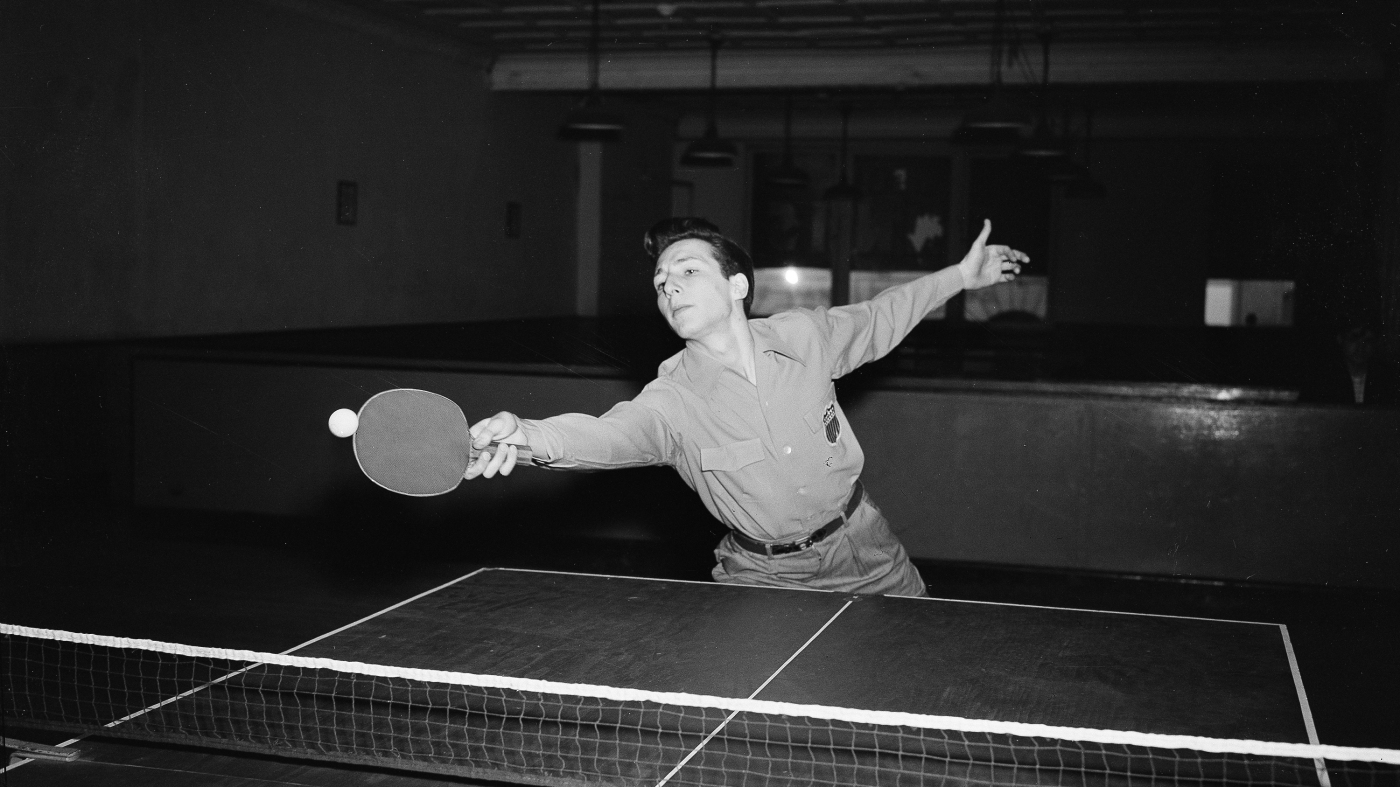
NPR’s piece on the inspiration behind Marty Supreme isn’t just a sports profile; it’s a time capsule of a vanished New York, where table tennis lived somewhere between vaudeville act, gambling racket, and serious athletic pursuit.
Marty Reisman: From “The Needle” To Underground Icon
Marty Reisman, nicknamed “The Needle” for his rail-thin frame, emerged in the 1940s and ’50s as one of the defining personalities of American table tennis. While he was a legitimate champion—twice U.S. men’s singles champion and a world-class player—he was equally famous for what happened away from the official tournaments.
New York table tennis at the time was a gritty, nocturnal subculture. Clubs stayed open all night. The crowd wasn’t just athletes—it was an improbable mix of:
- misfits and hustlers looking to make rent off side bets,
- doctors and students blowing off steam,
- actors, musicians, and would-be bohemians chasing action instead of cocktails.
In that world, Reisman was the perfect protagonist: always well dressed, instinctively theatrical, and very aware that spectacle could be as valuable as skill.
Inside The Gritty NYC Table Tennis Subculture
NPR’s recounting of Reisman’s era paints New York City table tennis as closer to underground jazz than suburban rec-room sport. The venues were smoky, crowded, and often open till sunrise. Matches doubled as:
- Sport – Games were intensely competitive, with players experimenting with spin, angles, and equipment.
- Gambling – Cash changed hands constantly. Spectators and players alike bet on points, games, and long shots.
- Social theater – Clothes, trash talk, and attitude mattered. Reisman treated each match like a performance.
The NPR story emphasizes how this scene attracted “misfits, gamblers, doctors, actors, students and more,” all orbiting the same tables. Unlike today’s hyper-regulated professional environment, the ecosystem of Reisman’s youth felt alive, improvised, and slightly dangerous.
“They competed, bet on the game or both at all-night spots,” recalls one account, capturing the blend of hustle and high-level play that defined Reisman’s world.

Champion, Hustler, Performer: The Many Faces Of Marty
What makes Reisman such a compelling subject—perfect fodder for an NPR feature—is how many roles he played at once. He wasn’t only a champion; he was a hustler in the classic American sense, someone who could read both spin on a ball and the psychology across the table.
In the money-game culture, Reisman developed a reputation for:
- Sandbagging casual games to lure opponents into higher stakes,
- Psychological warfare through patter, pauses, and eye contact,
- Showy shot-making once the money was secured, turning the table into a stage.
NPR’s framing of the “real ping pong champion — and hustler” gets at this duality: Reisman’s genius wasn’t just topspin; it was understanding that charisma and narrative could be as valuable as a killer forehand.
“I never wanted to be just a champion,” Reisman once said in an interview. “I wanted to be unforgettable.”
How Reisman’s Legend Shapes “Marty Supreme”
NPR’s feature uses the story behind Marty Supreme as a bridge between eras: the wild, semi-illicit table tennis of midcentury Manhattan and the polished, algorithm-driven storytelling of modern audio. While details of the creative choices belong to the producers, the core inspiration is clear—this is Reisman’s DNA:
- Style as substance – The way Reisman dressed and moved matters as much as his win–loss record.
- New York as character – The city’s cramped clubs and eccentric regulars provide a ready-made narrative backdrop.
- Blurred lines – Between sport and hustle, authenticity and performance, honor and opportunism.
The NPR treatment recognizes that sports stories are rarely just about scores; they’re about the personas that emerge when talent intersects with opportunity and an audience that’s willing to believe—or bet.
Why Marty Reisman Still Matters In Sports Culture
In an era obsessed with data and sports science, Reisman represents something almost nostalgic: the idea that a niche game can produce a folk hero. His world—misfit-filled clubs, untelevised showdowns, whispered legends about outrageous bets—feels far removed from today’s broadcast-ready competitions.
Yet the NPR piece underlines how contemporary sports storytelling still chases what Reisman embodied:
- Personality-driven narratives instead of pure stat breakdowns,
- Subcultural specificity—the more idiosyncratic the scene, the more vivid the story,
- Complicated protagonists whose flaws are as interesting as their talents.
Reisman anticipated today’s influencer-athlete long before social media. He understood that being memorable could be its own kind of victory—and that there was always an audience for someone who could both win and entertain.
Strengths And Limits Of The NPR Framing
NPR’s angle—spotlighting “the real ping pong champion and hustler”—works because it captures the tension at the heart of Reisman’s appeal. The piece is strongest when it leans into the texture of that world: the late-night clubs, the mix of social classes, the risk and reward tied to every serve.
Still, there are inherent trade-offs in packaging such a layered figure into a single feature:
- What works: The emphasis on atmosphere, the recognition of table tennis as a genuine subculture, and the willingness to treat “ping-pong” with the same seriousness as more mainstream sports.
- What’s missing: Deeper exploration of how the hustling affected Reisman’s relationships within the formal table tennis establishment, and more voices from those who lost—or won—big betting against him.
Even so, the NPR story succeeds in one crucial respect: it makes you want to know more, to search for old footage, to track down long out-of-print interviews and see how much of the myth lines up with the man.

Legacy, Streaming, And The Future Of Niche Sports Stories
Stories like NPR’s “Marty Supreme” inspiration piece hint at where sports media is heading: toward deeper dives into niche histories that algorithms once would have ignored. The same ecosystem that now supports longform basketball breakdowns and Formula 1 docudramas can also sustain a richly drawn portrait of a table tennis hustler from midcentury New York.
Reisman’s legacy isn’t only about titles; it’s about proving that even a game most people associate with garages and dorm rooms can generate an icon. As streaming platforms, podcasts, and digital outlets keep searching for fresh angles, figures like Reisman are ideal:
- They come with built-in mythologies.
- Their worlds feel specific but oddly universal.
- The stakes—financial, emotional, reputational—translate easily on mic and on screen.
If anything, NPR’s look at the real man behind Marty Supreme feels like a teaser for a deeper treatment: a limited series, a documentary, or a hybrid project that blends archival tape, dramatization, and commentary from the modern table tennis scene.
Final Rally: Why Marty’s Story Still Spins
On paper, Marty Reisman was “just” a table tennis player. Through NPR’s lens, and through the oral histories that shaped his legend, he becomes something bigger: an avatar of a New York that thrived on hustle, improvisation, and charm.
The real champion behind Marty Supreme reminds us that sports history isn’t only written in stadiums and televised finals. Sometimes it lives in smoky rooms, in cash quietly slid across a table, in the memory of a perfectly timed shot that only a handful of people ever saw. Reisman turned that world into an art form—and decades later, we’re still talking about the spin.
