
The Ozempic Era: How Celebrity GLP‑1 Weight‑Loss Shots Are Reshaping Nutrition, Muscle Health, and Long‑Term Diets
GLP‑1 drugs like Ozempic, Wegovy, Mounjaro, and Zepbound have shifted the entire weight‑loss conversation—from “what should I eat to lose weight?” to “how do I nourish myself when I’m barely hungry?” Once used primarily for type 2 diabetes, these medications have exploded into celebrity culture and TikTok trends, with dramatic before‑and‑after photos, “skinny shot” hashtags, and a growing chorus of dietitians warning about under‑eating, muscle loss, and long‑term rebound weight gain.
If you’re on a GLP‑1 or thinking about it, you’re not alone in wondering how to protect your health—not just your weight. Let’s walk through what’s really happening in this Ozempic era, and how to build a satisfying, sustainable way of eating around these powerful appetite‑suppressing drugs.
Why GLP‑1 Weight‑Loss Shots Are Everywhere Right Now
In a few short years, GLP‑1 receptor agonists have gone from quiet prescription tools to front‑row stars in entertainment media, podcasts, and social feeds. Their influence isn’t just medical—it’s cultural.
- Celebrity adoption: High‑profile actors, musicians, and reality‑TV personalities have openly—or very obviously—shown dramatic weight shifts that many attribute to GLP‑1 shots. This visibility has normalized the idea of a “shot‑based diet.”
- Viral transformations: Short‑form videos highlighting rapid weight loss, side‑by‑side photos, and “I’m on the shot” confessionals draw millions of views and comments.
- Promise of effortless control: For people who’ve struggled with appetite, cravings, or binge–restrict cycles, the idea of “I finally don’t think about food all day” is extremely compelling.
The catch: when appetite nearly disappears, nutrition quality—and muscle mass—can disappear along with it unless you eat very strategically.
What GLP‑1 Medications Do to Your Day‑to‑Day Eating

GLP‑1 drugs mimic or enhance hormones that slow stomach emptying and signal fullness to your brain. The result can feel like going from constantly thinking about food to suddenly forgetting to eat at all.
In practice, many users report:
- Skipping meals because they “just aren’t hungry.”
- Nibbling on ultra‑convenient snacks in place of balanced plates.
- Aversions to rich, greasy, or very high‑fiber foods due to nausea or GI discomfort.
On paper, this can look like a win: fewer cravings, fewer binges, and a lower calorie intake. But your muscle tissue, bones, hormones, and brain still have nutrient requirements—even when your appetite clock goes quiet.
The Nutrition Fallout: Muscle Loss, Low Protein, and Micronutrient Gaps
Weight loss on GLP‑1s can be striking—but the scale doesn’t distinguish fat from muscle, bone, or water. When calories are very low, your body will tap into lean tissue as well as fat stores.
1. Protein and Lean‑Muscle Preservation
Muscles are metabolically active “engines” that help maintain your metabolic rate, support balance and strength, and protect long‑term health. Losing too much lean mass can mean:
- A slower metabolism and higher risk of weight regain later.
- More fatigue and weakness during daily activities.
- Greater risk of falls and fractures with age.
Many sports dietitians and obesity‑medicine clinicians now suggest (when medically appropriate) aiming around 1.6–2.2 grams of protein per kilogram of goal body weight per day while on GLP‑1s, spread over 3–4 eating occasions.
For someone targeting 70 kg (about 154 lb), that’s roughly 110–155 g of protein daily—far more than you’ll get from a couple of random snack bars.
2. Micronutrient Density Over Raw Calories
When total food volume shrinks, every bite needs a job. You don’t have room for “empty” calories. That means:
- Iron, B‑vitamins, and folate for energy and red blood cells.
- Calcium and vitamin D for bone protection during weight loss.
- Omega‑3 fats for heart and brain health.
- Antioxidants from colorful plants to reduce inflammation.
In real life, this can look like blended veggie soups with lentils and chicken, smoothies fortified with greens and seeds, or Greek yogurt bowls piled with berries and nuts.
3. Fiber, Gut Comfort, and GLP‑1 Side Effects
GLP‑1s slow gastric emptying—food lingers in your stomach longer. That’s one reason they’re so effective at blunting appetite, but it also means:
- Very large meals can feel heavy and uncomfortable.
- High‑fat meals often worsen nausea or reflux.
- Very high‑fiber meals can trigger bloating or cramping for some people.
Instead of forcing giant salads or greasy takeout, many clinicians recommend smaller, more frequent meals, with fiber from softer, cooked sources—like oats, roasted carrots, or stewed apples—plus plenty of water and daily movement to ease constipation.
Beyond the Scale: It’s Not Just That You Lose Weight, But How
The biggest shift in the Ozempic era is philosophical: we’re moving from “weight at any cost” to “body composition and health at every step.” Here’s what that means:
- Preserving muscle while losing fat, not just chasing lower numbers.
- Supporting hormones and mood with enough protein, fats, and micronutrients.
- Building habits you can keep when the prescription ends.
How to Eat Well on Ozempic, Wegovy, Mounjaro, or Zepbound
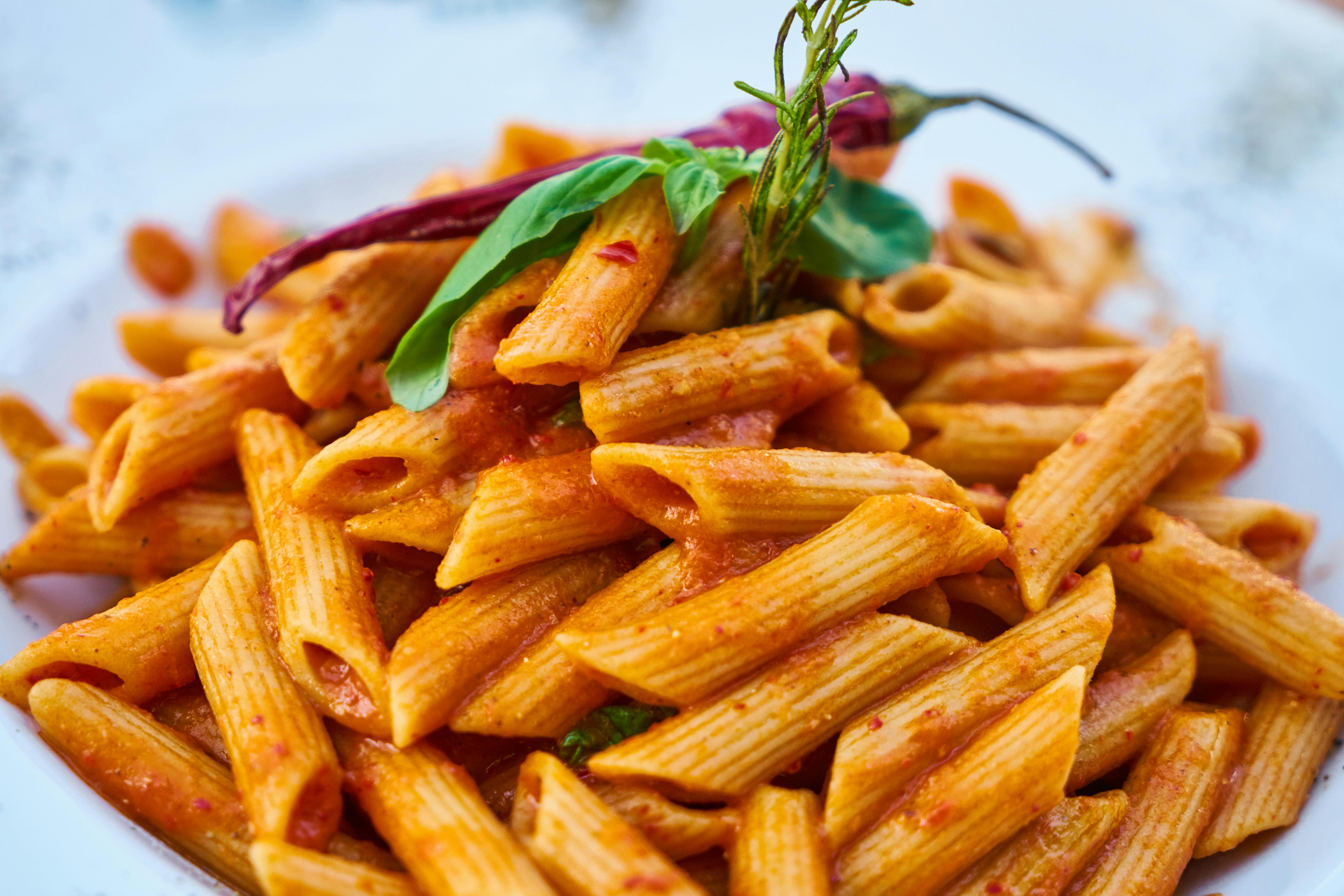
Think of your GLP‑1 as a tool—not a complete plan. You still need a nutrition “blueprint” that protects your health while the medication does its job. Here are key pillars many clinicians emphasize.
1. Anchor Every Eating Occasion With Protein
When your stomach space is limited, protein should be the first reservation you make on the plate. Most people do well aiming for:
- 20–35 g protein per meal, depending on body size and needs.
- 10–20 g protein per snack, especially around workouts.
Easy‑to‑digest options when nausea is an issue:
- Greek yogurt or skyr (plain or lightly sweetened).
- Soft scrambled or hard‑boiled eggs.
- Silken tofu or baked tofu cubes.
- Flaky fish like cod, salmon, or tilapia.
- Protein powder blended into smoothies or stirred into oatmeal.
2. Choose Smaller Portions, Big on Nutrition
Since large meals can feel uncomfortable, aim for 3–5 mini‑meals that are:
- High in protein.
- Rich in colorful plants (even just a few tablespoons).
- Rounded out with healthy fats and some slow‑burn carbs.
3. Embrace Blended & Sippable Nutrition
Many GLP‑1 users find smooth liquids and blended soups easier to tolerate than bulky solid meals. These can deliver calories, protein, and micronutrients without overwhelming your stomach.
Think:
- Smoothies with Greek yogurt or protein powder, berries, spinach, and a spoon of nut butter.
- Pureed vegetable soups with beans or chicken blended in for protein.
- Fortified dairy or plant milks, especially if recommended by your clinician.
4. Gentle Fiber and Hydration
To support gut comfort:
- Favor cooked vegetables over raw salads early on.
- Increase fiber gradually—add a little oats or beans at a time, not all at once.
- Drink water steadily through the day; small frequent sips often beat chugging large glasses.
- Include movement (like walking after meals) to help digestion and reduce constipation.
5. Strength Training to Protect Muscle
Nutrition is only half the muscle‑preservation story. The other half is resistance training—anything that makes your muscles work against load:
- Bodyweight exercises (squats to a chair, wall push‑ups, glute bridges).
- Resistance bands or light dumbbells at home.
- Machine or free‑weight workouts at the gym, ideally 2–3 times per week.
Even short, 20‑minute sessions can signal your body: “We need this muscle, don’t use it for fuel.”
The Post‑Ozempic Question: What Happens When You Stop?
Growing research and real‑world experience suggest that when GLP‑1 medications are stopped abruptly—without new habits in place—some degree of weight regain is common. Appetite returns, sometimes stronger than before, and old patterns can slip back in.
That’s why the most forward‑thinking clinics talk about GLP‑1s not as a solo solution, but as one tool inside a long‑term strategy. That strategy often includes:
- Mediterranean‑style eating—plenty of vegetables, fruits, whole grains, legumes, nuts, extra‑virgin olive oil, and moderate amounts of fish or poultry.
- Consistent movement—walking, strength work, and enjoyable cardio that feel sustainable.
- Behavior change tools—therapy, coaching, support groups, or tracking methods that help you navigate hunger, stress, and emotional eating.
A Gentle GLP‑1‑Friendly Day of Eating
This example assumes very low appetite but a desire to protect muscle, energy, and micronutrients. Portions should be tailored with your healthcare team.
- Morning (Mini‑Meal 1): Protein smoothie with Greek yogurt or protein powder, frozen berries, a handful of spinach, and a teaspoon of flax or chia seeds.
- Late Morning (Mini‑Meal 2): Half a whole‑grain pita filled with hummus and thinly sliced cucumber, plus a few olives.
- Afternoon (Mini‑Meal 3): Small bowl of lentil and vegetable soup with a spoonful of extra‑virgin olive oil stirred in.
- Evening (Mini‑Meal 4): Baked salmon or tofu with a few bites of mashed sweet potato and steamed green beans, cooked until very tender.
- Optional Night Snack: Fortified soy or dairy milk warmed with cinnamon, plus a small handful of nuts if tolerated.
Each eating moment is small but purposeful: protein for muscles, plants for fiber and antioxidants, and fats for hormones and satisfaction.
Safety First: Teaming Up With Your Healthcare Providers

GLP‑1s are real medications with real risks and benefits—not casual wellness shots. Always work with a qualified prescriber, and whenever possible, a registered dietitian who understands obesity medicine.
Important conversations with your care team might include:
- Your personal protein target and how to reach it with your appetite level.
- Whether you need a multivitamin, calcium, vitamin D, or iron supplement.
- How to adjust your dose if nausea, vomiting, or constipation are severe.
- Any interactions with other medications or health conditions.
- A plan for if/when you transition off the drug.
Key Takeaways for Thriving in the Ozempic Era
GLP‑1 medications have opened a new chapter in weight‑management—especially for people who’ve felt trapped in cycles of dieting and rebound. But they also raise urgent nutrition questions that go far beyond numbers on a scale.
- Extreme appetite suppression can lead to muscle loss and nutrient gaps if you don’t plan your food choices.
- Protein, resistance training, and micronutrient‑dense meals are your best defense against those risks.
- Smaller, blended, and softer meals can help you eat enough without overwhelming your stomach.
- Long‑term success depends on a sustainable eating and movement pattern you can maintain after the injections stop.
With thoughtful planning and support, it’s possible to use GLP‑1s not just to lose weight, but to rebuild a calmer, more nourishing relationship with food—one small, intentional meal at a time.
