
The Little-Known Brain-Booster: Why Dietitians Want You to Pay Attention to Choline
You’ve probably spent time checking your protein or fiber, but there’s another essential nutrient flying under the radar for many people: choline. Dietitians are increasingly concerned because choline quietly powers your brain, supports memory, and even helps keep your heart healthy—yet most adults don’t meet the recommended intake.
If you’ve never thought about your choline levels, you’re not alone. The good news is that with a few simple food tweaks—no extreme diets or pricey supplements—you can make a big difference over time.

What Is Choline, and Why Do Dietitians Care About It?
Choline is an essential nutrient, which means your body can make only small amounts—nowhere near enough to cover your needs. While it’s sometimes grouped with B-vitamins, it’s technically in its own category.
Your body uses choline to:
- Build healthy cell membranes throughout your body
- Produce acetylcholine, a neurotransmitter involved in learning, memory, and muscle control
- Support liver function and fat metabolism
- Help regulate homocysteine, an amino acid linked with heart health
“Choline is one of those nutrients that doesn’t get much attention, but it’s fundamental for brain development and cognitive health across the entire lifespan.”
— Evidence summary based on research reviewed by the U.S. National Institutes of Health (NIH)
Large nutrition surveys in the U.S. and other countries suggest that most adults do not reach the Adequate Intake (AI) level for choline, especially people who avoid or limit animal products.
Evidence-Based Health Benefits of Choline

1. Brain Health and Memory
Choline is needed to make acetylcholine, a chemical messenger in the brain involved in attention, learning, and memory. Observational studies have linked higher choline intakes with:
- Better performance on memory and information-processing tests in adults
- Support for normal brain development in babies when mothers consume adequate choline in pregnancy
That doesn’t mean choline is a miracle cure for memory problems, but it’s a crucial piece of the overall brain-health puzzle.
2. Heart and Metabolic Health
Choline, along with folate and vitamins B6 and B12, helps convert homocysteine into other useful compounds. Elevated homocysteine is a known risk marker for cardiovascular disease.
Research suggests that adequate but not excessive choline intake can support:
- Healthy homocysteine levels
- Normal fat transport and metabolism in the liver
3. Liver Health
Choline is necessary to move fat out of the liver. Severe choline deficiency has been shown to cause fatty liver and liver damage in clinical settings, which improves when choline is reintroduced.
How Much Choline Do You Actually Need?
There isn’t a Recommended Dietary Allowance (RDA) for choline yet, but there is an Adequate Intake (AI) level based on available evidence. Current U.S. guidelines (NIH Office of Dietary Supplements) suggest:
| Group | Adequate Intake (AI) |
|---|---|
| Adult men (19+) | 550 mg/day |
| Adult women (19+) | 425 mg/day |
| Pregnant women | 450 mg/day |
| Breastfeeding women | 550 mg/day |
Surveys suggest that a large share of adults, particularly women, fall short of these levels through diet alone.
“When we run nutrition analyses in clinic, choline is one of the top nutrients that comes back low—especially in people who avoid eggs or meat.”
— Composite observation from multiple registered dietitians in outpatient practice
Why Many People Don’t Get Enough Choline
Choline-rich foods are often the very foods people have cut back on in recent years. Common reasons include:
- Egg avoidance due to outdated fears about dietary cholesterol
- Plant‑forward or vegan diets that exclude some of the highest choline sources like eggs, dairy, and meat
- Highly processed diets that displace nutrient‑dense whole foods
None of this means you must eat animal products to meet your choline needs, but it does mean you’ll need to be more intentional—especially on a fully plant‑based diet.
Best Food Sources of Choline (Animal and Plant-Based)
According to data from the U.S. Department of Agriculture (USDA) and NIH, these foods are among the top contributors to choline:
High-Choline Animal Foods
- Eggs (especially the yolk): about 150 mg per large egg
- Beef liver: extremely rich, but not commonly eaten regularly
- Lean beef and chicken: moderate but meaningful amounts per serving
- Fish such as salmon and cod: contribute to overall intake along with omega‑3s
- Milk and yogurt: smaller amounts that add up if consumed daily
Plant-Based Sources of Choline
- Soybeans and soy products (tofu, edamame, tempeh)
- Kidney beans, navy beans, and other legumes
- Quinoa and wheat germ
- Broccoli, Brussels sprouts, and cauliflower
- Nuts and seeds, including peanuts
How to Get More Choline in Your Daily Meals
You don’t need a complete diet overhaul to improve your choline intake. Here are realistic, dietitian‑approved strategies:
- Upgrade breakfast with choline‑rich staples.
Try:- 1–2 eggs scrambled with spinach and mushrooms
- Oatmeal topped with soy milk and a spoonful of peanut butter
- Add a choline source to every main meal.
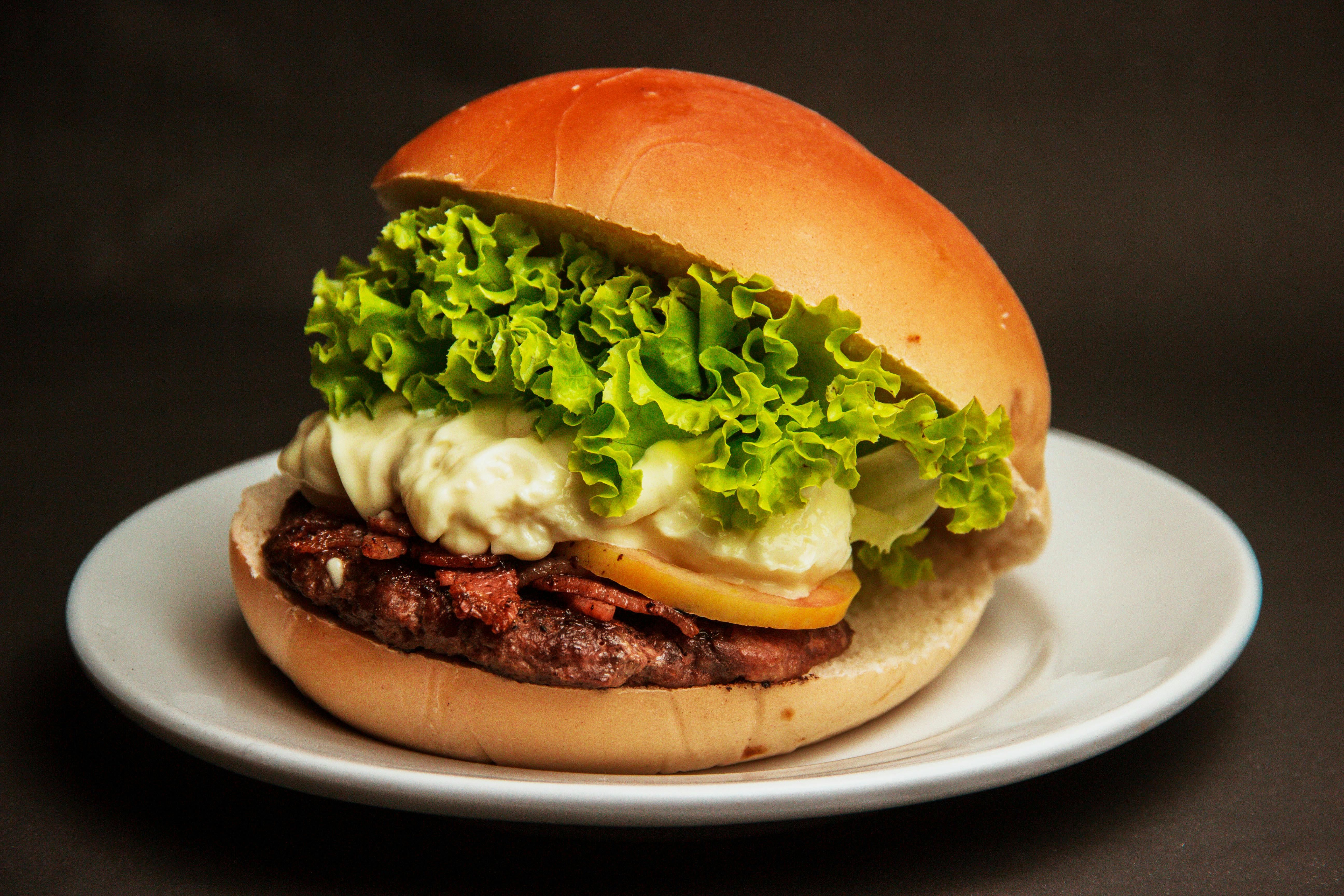
Ideas:- Lunch: quinoa and chickpea salad with broccoli or Brussels sprouts
- Dinner: salmon or tofu stir‑fry with mixed vegetables
- Use snacks strategically.
Snack on roasted chickpeas, edamame, or a small yogurt with nuts. - Combine choline with other brain‑supportive nutrients.
Pair choline‑rich foods with sources of omega‑3s (like fatty fish, walnuts, or ground flax) and antioxidants from colorful fruits and vegetables.
Getting Enough Choline on a Vegetarian or Vegan Diet
If you’re vegetarian or vegan, meeting choline needs is very possible, but it takes some planning. Aim to include several of these at most meals:
- Soy foods: tofu scramble, edamame, tempeh, soy yogurt or soy milk
- Legumes: lentils, chickpeas, black beans, kidney beans
- Whole grains: quinoa, wheat germ, whole‑grain breads and cereals
- Cruciferous veggies: broccoli, Brussels sprouts, cauliflower
- Nuts and seeds: peanuts, sunflower seeds, and mixed nuts
Many vegan multivitamins still do not include choline, so check labels if you’re relying on supplements. Some prenatal vitamins now include choline specifically for pregnancy support, reflecting growing awareness among clinicians.
Choline Supplements: Do You Need One?
Choline is available in several supplement forms (such as choline bitartrate, phosphatidylcholine, and citicoline). For most healthy adults, diet is the preferred and usually sufficient source.
A supplement might be worth discussing with your healthcare provider if:
- You’re pregnant or breastfeeding and struggle to meet the AI through food
- You have medical conditions affecting fat absorption or liver function
- You follow a restrictive diet (for example, multiple food allergies plus vegan
There is also an upper limit (UL) for choline—set at 3,500 mg/day for adults—mainly to reduce the risk of side effects like low blood pressure, sweating, and fishy body odor. This level is difficult to reach from food alone but can be approached with high‑dose supplements.
“More” is not always “better” with nutrients. With choline, research supports aiming for adequacy—not megadoses—unless you’re under medical supervision for a specific reason.
Common Obstacles—and How to Overcome Them
Changing eating habits is rarely just about knowledge. Here are some real‑world obstacles people face when trying to boost choline, plus practical workarounds:
- “I’m worried about cholesterol in eggs.”
Current guidelines in many countries emphasize overall diet pattern rather than strict cholesterol limits for most people. If your doctor hasn’t given you specific restrictions, moderate egg intake (for example, up to 1 egg per day as part of a balanced diet) is considered acceptable for many healthy individuals. Always follow personalized medical advice if you have high cholesterol, diabetes, or heart disease. - “I don’t like the taste of liver or organ meats.”
You don’t need them. Focus on eggs, fish, poultry, legumes, soy, and vegetables instead. - “I’m overwhelmed by tracking another nutrient.”
Rather than counting milligrams, build simple meal rules, like: “Include one choline‑rich food at each main meal.” Over time, this tends to bring you close to the AI without obsessive tracking.
Before and After: A Day of Eating With and Without Choline Awareness
This simplified example shows how a few tweaks can shift your estimated choline intake closer to the target. (Amounts are approximate and for illustration only.)
Before: Typical Low-Choline Day
- Breakfast: Toast with jam, coffee with creamer
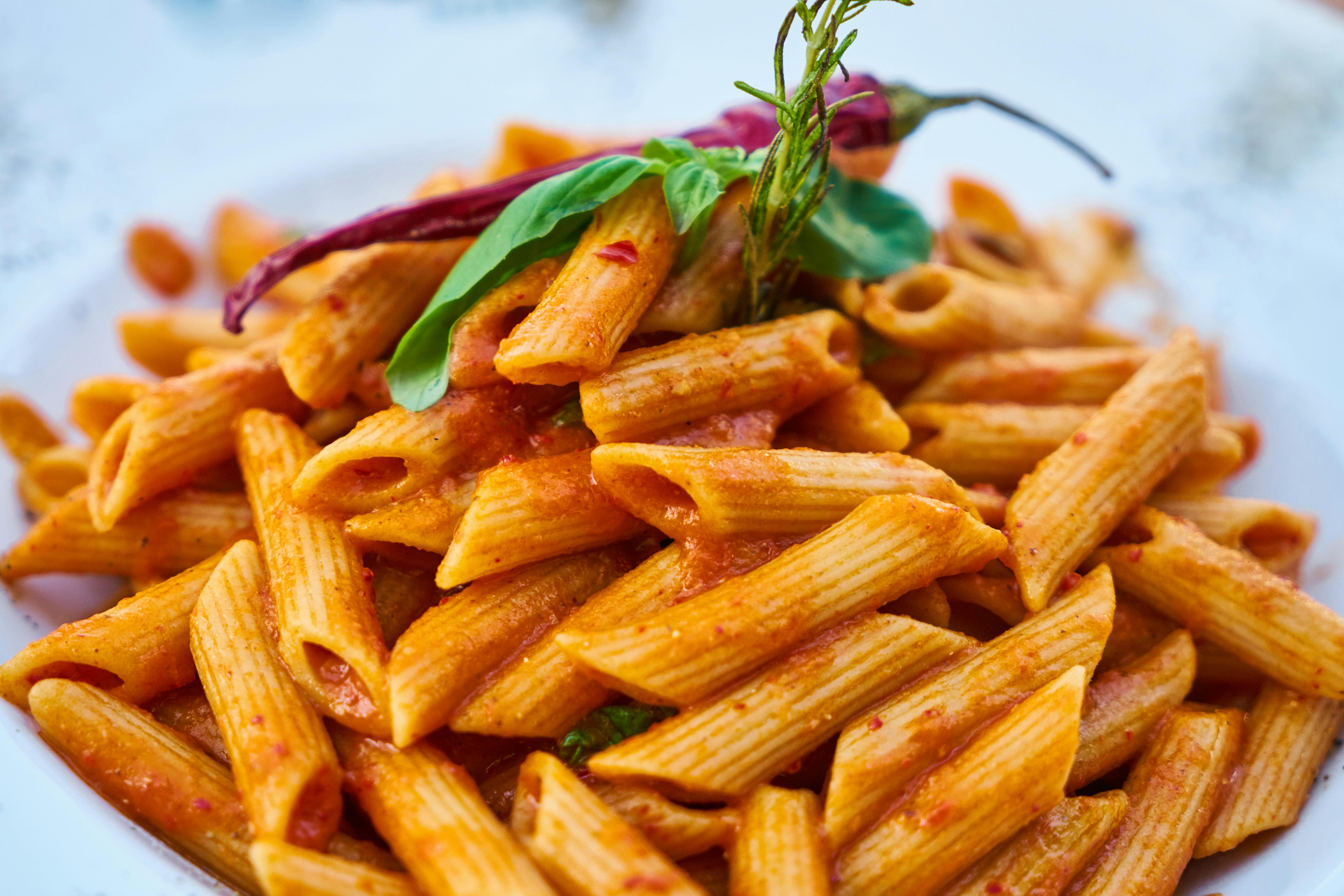
- Lunch: White pasta with tomato sauce
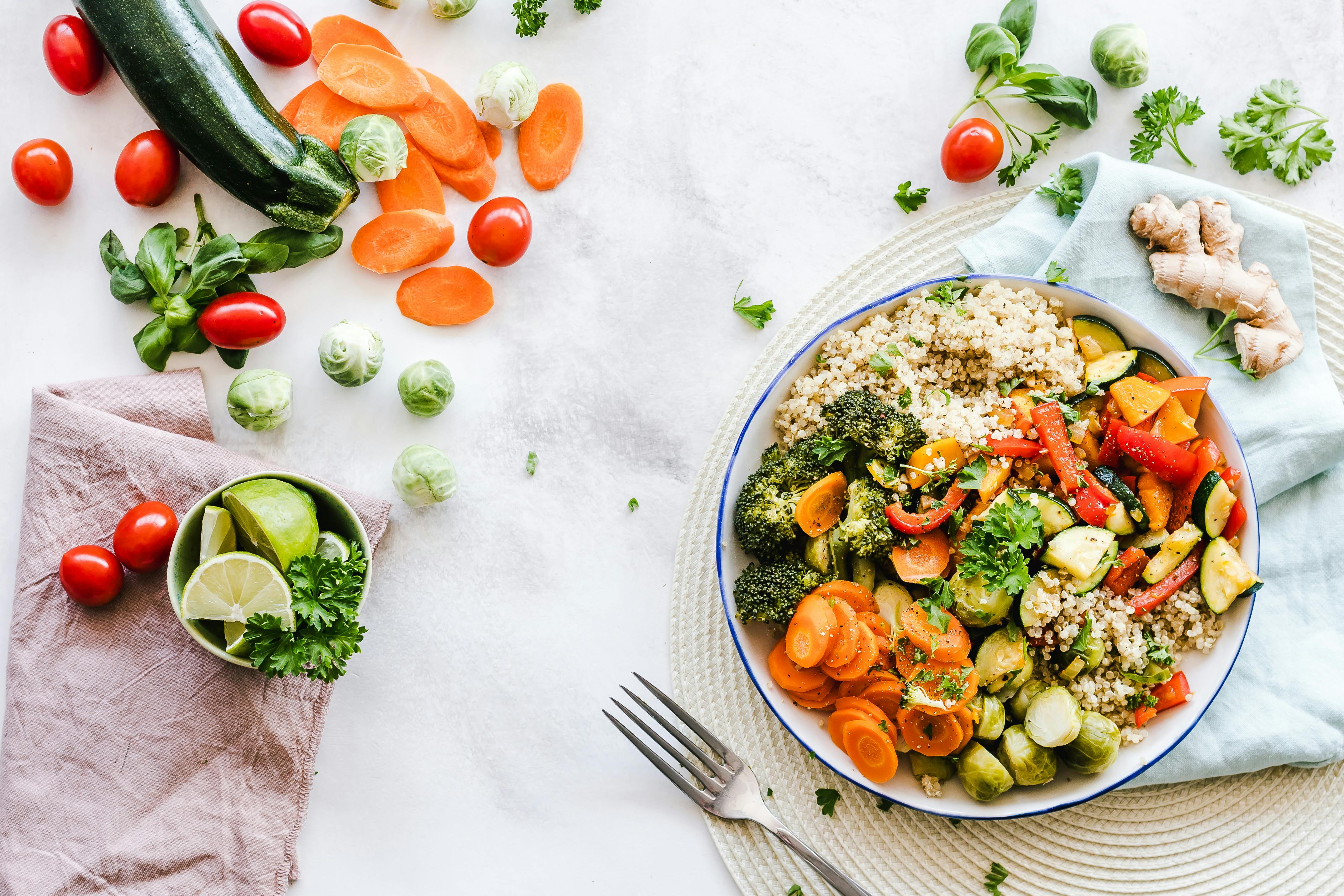
- Dinner: Takeout fries and a small burger
- Snacks: Chips, soda
This pattern may provide well under the AI for choline, alongside low fiber and few vegetables.
After: Choline-Conscious Day
- Breakfast: 2 scrambled eggs with spinach on whole‑grain toast
- Lunch: Quinoa salad with chickpeas and broccoli
- Dinner: Baked salmon (or tofu) with roasted Brussels sprouts and brown rice
- Snacks: Greek yogurt with peanuts; carrot sticks with hummus
Without counting exact numbers, this day likely brings many adults close to or above their choline AI, while also improving fiber, protein, and overall nutrient density.
What the Science Says—and What We Still Don’t Know
Research on choline has grown significantly over the past two decades. We have:
- Strong evidence that choline is essential for normal liver and brain function
- Good support for its role in fetal brain development and homocysteine regulation
- Emerging data on how choline intake may influence cognitive aging
At the same time, we still need:
- More long‑term randomized clinical trials in diverse populations
- Clearer understanding of individual variability (for example, genetics and gut microbiome)
- Better data on optimal intakes across different life stages and dietary patterns
To stay current, you can review evidence summaries from organizations such as:
Bringing It All Together: A Gentle Challenge for the Week Ahead
Choline may be a “quiet” nutrient, but it does big jobs—supporting your brain, memory, metabolism, and liver health. Many people fall short simply because they don’t know it exists, not because hitting the target is impossible.
Instead of overhauling everything at once, try this:
- Add at least one choline‑rich food to your breakfast tomorrow.
- Plan two choline‑conscious dinners this week using eggs, fish, poultry, soy, beans, or cruciferous vegetables.
- Notice how you feel over the next few weeks—energy, focus, satiety—and share any major health changes with your clinician.
Your diet doesn’t have to be perfect to be powerful. A few thoughtful, evidence‑based tweaks can quietly nourish the brain and body you rely on every day.
Next step: Pick one meal you eat often and make it your “choline upgrade” meal this week.
