
Textured Wall Magic: Limewash, Plaster Art & DIY Accent Walls That Fake a Full Renovation
Your Walls Are Bored. Let’s Fix That.
Somewhere in your home, a wall is quietly sobbing, “Is… is beige all I am to you?” The good news: 2025’s biggest home decor crush is here to save it—textured wall decor. Limewash, plaster art, and DIY accent walls are trending so hard on #walldecor and #homedecorideas that smooth drywall is basically cancelled.
The magic? These projects look like “I hired a designer and maybe a stone mason,” but cost more like “I skipped two takeout orders” and are still friendly to beginners and renters. We’re talking:
- Limewash & textured paint finishes that make walls look soft, cloudy, and expensive.
- DIY plaster wall art that fills big blank spaces without big-art prices.
- Simple accent walls (arches, slats, color-blocking) that transform a room in a weekend.
Let’s give your walls some main-character energy—without requiring you to become a professional contractor or, worse, someone who enjoys sanding.
1. Limewash & Textured Paint: Cloudy Walls, Clear Upgrade
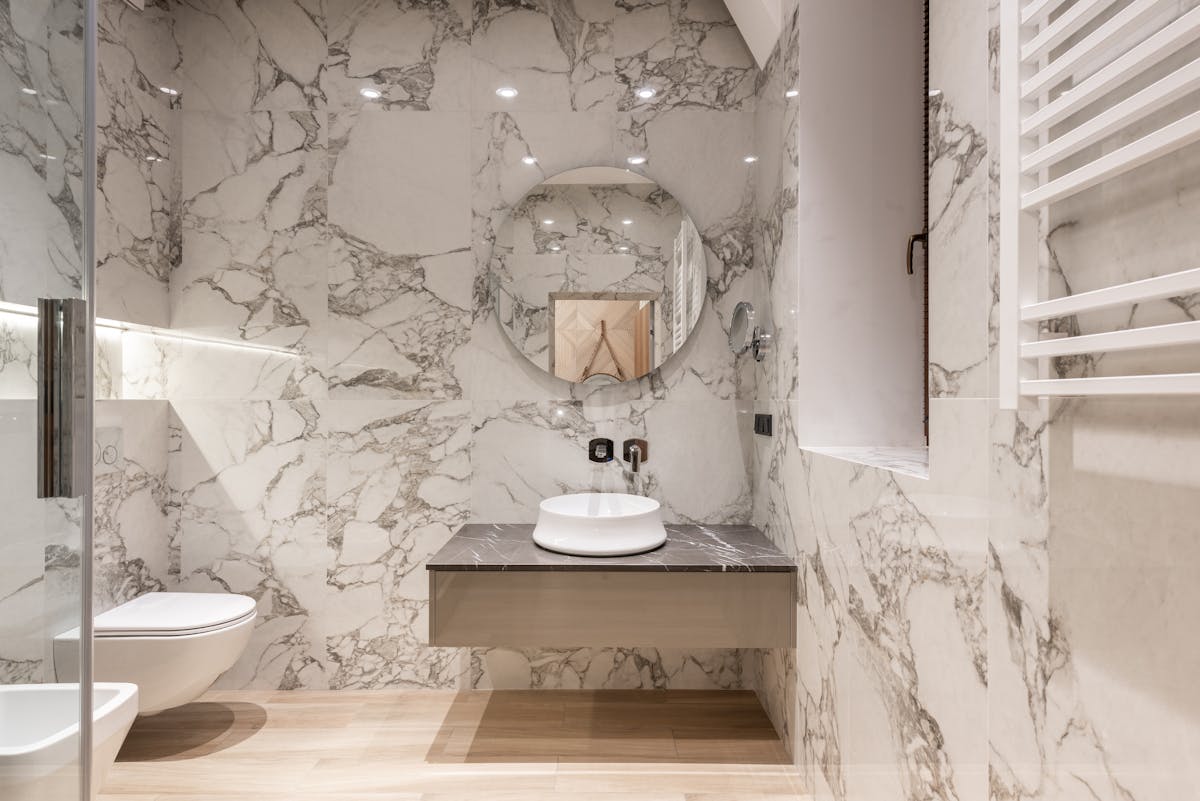
Limewash walls are everywhere right now—living rooms, bedrooms, even rental entryways that are pretending to be Parisian lofts. The vibe is soft, tonal, and a little cloudy, like your wall did a meditation retreat and came back enlightened.
Colors are staying in the warm neutral family: stone, clay, mushroom, oatmeal, greige (aka: gray that found its warm side in therapy). These pair perfectly with:
- Warm minimalism
- Modern farmhouse
- Scandi-boho blends
Textured paint is what you choose when you want impact, but the budget says, “Let’s be realistic.”
How to Faux-Limewash Without a PhD in Paint
You can buy real limewash products, or cheat your way there with a DIY mix:
- Pick a matte paint in a warm neutral. Flat/matte finish is key for that velvety look.
- Mix with glaze or water. For a soft, layered look, many DIYers use about 3 parts paint to 1 part glazing liquid (or water for a very subtle effect). Stir until it’s thinner but still opaque.
- Use a big masonry or limewash brush. Rollers are for regular walls. This trend wants chaotic, random, crisscross strokes. Think “windswept clouds,” not “perfect drywall.”
- Work in sections. Feather edges as you go to avoid harsh lines. Imperfection is your friend here; if you mess up, just go over it with more soft strokes.
If commitment scares you, start with a single feature wall behind your sofa or bed. It’s trending specifically because one wall is enough to shift the whole mood without repainting your entire life.
Styling Limewash Walls So They Really Shine
- Keep art minimal. One large piece or a simple trio beats a busy gallery wall.
- Layer textures, not colors. Linen, boucle, woven baskets, wood, and ceramics all complement the look.
- Warm lighting only. Swap cool white bulbs for warm (2700K–3000K) to avoid your walls looking dusty instead of dreamy.
If your walls feel “too flat” but your landlord feels “too strict,” hold that thought—we’re heading to renter-friendly tricks next.
2. DIY Plaster & Textured Wall Art: Luxe Looks on a Latte Budget

Giant art is amazing—until you see the price tag and remember you like, eating. That’s why DIY plaster wall art is exploding under #bohodecor and #minimalisthomedecor: it looks gloriously expensive, but it’s literally joint compound on a board.
What You Need (Besides Courage)
- Canvas or MDF board (large enough to feel dramatic)
- Joint compound or lightweight spackle
- Putty knife or trowel
- Primer (optional but helpful on MDF)
- Paint in your chosen neutral (matte or eggshell finish)
How to Make Textured Art Without “Being Artistic”
- Prime your surface. If using MDF, seal it first so it doesn’t drink your compound like iced coffee in July.
- Slather on joint compound. Spread it with your trowel in sweeping, random motions. Think frosting a cake… that you’re slightly mad at.
- Experiment with patterns. Try:
- Arches or waves
- Cross-hatching
- Soft, organic swirls
- Let it dry fully. This can take several hours or overnight depending on thickness. No touching “just to check”—you will leave a fingerprint of regret.
- Paint it one solid color. Soft white, greige, stone, or even deep charcoal. The magic is in the shadows the texture creates, not in complex colors.
Where to Use Your New Masterpiece
- Above a sofa or bed as a single, confident statement piece.
- In a hallway as a dramatic, gallery-style focal point.
- Layered on a console leaning against the wall with smaller frames in front.
It’s especially renter-friendly: when you move, your “custom wall” comes with you, no spackling required. Plus, you get to casually say, “Oh that? I made it.”
3. Renter-Friendly Accent Walls: Drama Without the Deposit Drama
If your lease is stricter than your high school math teacher, you can still get in on the textured wall party. The trending trio:
- Wood slat accent walls
- Painted arches and shapes
- Half-wall color blocking
Vertical Wood Slats: Tall, Textured, and TikTok Famous
Wood slat walls behind TVs and beds are everywhere under #homeimprovement. They add height, texture, and “I definitely know what I’m doing” energy.
Beginner-friendly route: use thin, pre-cut strips (like lattice) or peel-and-stick slat panels if you’re renting. Keep slats:
- Evenly spaced (use spacers—cardboard strips work in a pinch).
- Either natural wood, warm stain, or painted the same color as the wall for subtle texture.
Painted Arches: Minimal Effort, Maximum Compliments
Painted arches are the darlings of small bedrooms, kids’ rooms, and reading nooks because they frame furniture like built-in architecture—no renovations, just paint.
How to paint a simple arch:
- Use painter’s tape to mark the vertical sides of your arch.
- Find the center point at the top and, using a string + pencil, draw a half-circle connecting the sides.
- Freehand the curve with a small brush if needed—trust that from a distance, nobody will notice tiny wobbles.
- Fill in with a contrasting or darker paint color.
Place a dresser, console, or reading chair inside the arch and you’ve got an instant vignette worthy of the explore page.
Half-Wall Color Blocking: Chic Little Space Hack
Half-painted walls are trending in kids’ rooms and small bedrooms because they add personality without overwhelming the space, and they visually “shorten” tall walls in a cozy way.
- Top half: light neutral (white, soft cream).
- Bottom half: moodier color (sage, clay, denim blue, warm charcoal).
This also hides scuffs where kids, pets, and rogue laundry baskets live their chaotic lives.
How to Choose the Right Textured Trend for Your Space
Overwhelmed by options? Let’s speed-date your wall with the right project.
- If you want subtle luxury: Go for limewash-style paint in the living room or bedroom. Great if you already have simple furniture and want more depth.
- If your budget is “craft store coupon”: Start with DIY plaster art. One canvas, one afternoon, instant impact.
- If you’re renting or nervous about commitment: Try painted arches or half-walls—easy to repaint later.
- If you’re ready for a weekend project: A slat accent wall behind your bed or TV will make the whole room feel elevated.
Start with just one wall. Let it change how you feel in the space, then decide if the rest of your home deserves the same level of glow-up. (Spoiler: it does.)
Pro-Level Results Without Losing Your Mind (or Security Deposit)
A few unglamorous but very real tips from the “I learned the hard way” archives:
- Sample first. Test your limewash mix or paint color on a poster board. Look at it morning, afternoon, and evening—lighting changes everything.
- Mind the edges. Textured finishes look designer; messy edges look accidental. Use good painter’s tape and pull it off while the paint is still slightly wet for a clean line.
- Think about furniture you already own. Warm, creamy walls love wood, rattan, and linen. Cooler grays and charcoals pair nicely with black metal and crisp white textiles.
- Plan before you post. If you’re a content creator, consider where you film. A textured wall behind your desk or sofa makes the perfect background for Reels, TikToks, and Zoom calls.
- Document as you go. Before-and-after shots and progress photos aren’t just great for the ‘gram—they help you remember what worked (and what you’d tweak next time).
Let Your Walls Join the Conversation
Textured wall decor is trending for a reason: it gives you a custom, designer look without knocking down a single wall or selling a kidney for built-ins. Limewash adds depth, plaster art adds drama, and accent walls add personality—all on a human budget with weekend-level effort.
So pick a sad, neglected wall in your living room or bedroom, give it a little attention, and watch how the whole room starts acting brand new. Your furniture will look better. Your decor will feel more intentional. And you’ll finally have an answer when guests ask, “Where did you get this done?”
You’ll just smile and say, “Oh, this old thing? Home project.”
