
Textured Wall Glow-Up: Limewash, Plaster & Slat Walls That Make Your House Look Rich
Textured Walls: Because Flat is for Soda, Not Your Living Room
Textured walls are in their main-character era. Limewash, plaster, and wood slat walls are quietly kicking glossy feature walls and loud wallpaper to the curb, giving us that “my-house-secretly-has-a-passport” look—without needing a demolition crew or a billionaire budget.
If your walls are currently giving “rental beige meets printer paper,” this guide is your permission slip to add depth, drama, and just enough personality to make Zoom backgrounds jealous. We’ll walk through today’s biggest textured wall trends, how to actually do them without tears, and where each look shines (or gently mattes) in your home.
Bonus: these ideas are DIY-friendly, hyper-Instagrammable, and delightfully forgiving—perfect for anyone whose painting style is more “enthusiastic raccoon” than “trained artisan.”
Why Textured Walls Are Trending (Again, But Better)
Statement walls never truly left; they just evolved. We’ve moved from bold teal feature walls and hyper-busy botanicals to softer, tactile finishes that cooperate with everything—from minimalist sofas to maximalist gallery walls.
- Camera catnip: Limewash and plaster catch light in the dreamiest way. That subtle movement in the finish looks amazing in photos, Reels, and every “just casually reading here” story you’ll ever stage.
- Budget-friendly wow: One wall, one weekend, one minor existential crisis over paint color. That’s all it takes to make your room feel redesigned without buying new furniture.
- Style chameleon: These textures slide seamlessly into modern, boho, Scandinavian, farmhouse, Japandi—you name it. Texture is the introvert of decor: quiet, impactful, goes with everyone.
- Neutral, not boring: Warm whites, mushroom, stone and clay tones keep things calm while still giving your walls a story to tell.
Limewash: The Soft-Focus Filter for Your Walls
Limewash is the decor equivalent of good lighting and a flattering camera angle. It creates a soft, cloudy, almost stone-like effect—like your walls spent a semester abroad in Italy and came back “changed.”
The limewash vibe checklist
- You love neutrals but hate when they feel flat.
- You save photos of European apartments and whisper “one day” to your phone.
- You want texture without anything physically sticking off the wall.
Color ideas that are trending right now
Think warm, grounded, and slightly earthy:
- Warm whites: Cream, ecru, and linen tones that play nicely with wood and black accents.
- Stone greys: Soft, weathered greys that feel artisan, not office cubicle.
- Mushroom & clay: Those “is it beige, is it grey, is it taupe?” colors designers obsess over.
- Muted earthy blush: A barely-there rosy undertone, not “millennial pink explosion.”
How to fake a high-end limewash finish (without a meltdown)
- Start with a matte base coat. Shiny walls and limewash are mortal enemies. Matte = better adhesion and a more natural look.
- Use the biggest brush you own. Think masonry or limewash brush. The visible strokes are part of the charm—this is not the time for perfectionist rolling.
- Work in X and swooping motions. Overlap strokes and change direction; this avoids stripes and gives that cloudy depth.
- Layer, don’t panic. The first coat usually looks questionable. The second and third are where the magic happens. Trust the process.
- Test a corner. Do a 2 ft × 2 ft patch first. Look at it in morning, afternoon, and evening light before committing.
Pro tip: If true limewash products feel intimidating, many DIYers thin regular matte paint with water and apply it in limewash-style strokes for a “training wheels” version.
Plaster & Roman Clay: Quiet Luxury in Wall Form
Plaster and Roman clay are like limewash’s slightly fancier cousins: smoother, richer, and just a touch more polished. They create that velvety, stone-like surface you see in boutique hotels and minimalist dream homes.
Where plaster shines (literally, sometimes)
- Bedrooms: A plastered headboard wall turns “bed against wall” into “bed against architecture.”
- Living rooms: Fireplace surrounds and media walls gain subtle drama without shouting.
- Entryways: That first impression moment suddenly feels intentional, not “we just put a console table here.”
Plaster basics, minus the intimidation
- Choose the right product. Look for modern “Roman clay” or “Venetian-style plaster” marketed for DIY—it’s usually pre-tinted and easier to apply.
- Prep like you mean it. Fill dents and sand. Texture emphasizes imperfections; you want charming, not chaotic.
- Use a trowel or wide spatula. Apply thin, uneven layers; slight inconsistencies are the entire point.
- Build in 2–3 coats. Each layer adds depth. You’ll see variation and low-sheen movement develop as it dries.
- Optional buffing. For a softer sheen, some products can be lightly burnished with a trowel after drying.
For color, the same characters show up: stone, clay, warm ivory, and taupe. Think “museum wall” more than “mall wall.”
Wood Slat & Fluted Walls: Architecture on a Budget
Wood slat walls are what happens when a boring drywall panel decides it wants to be a modern boutique hotel. Vertical lines, warm texture, and instant “oh, this is nice” energy.
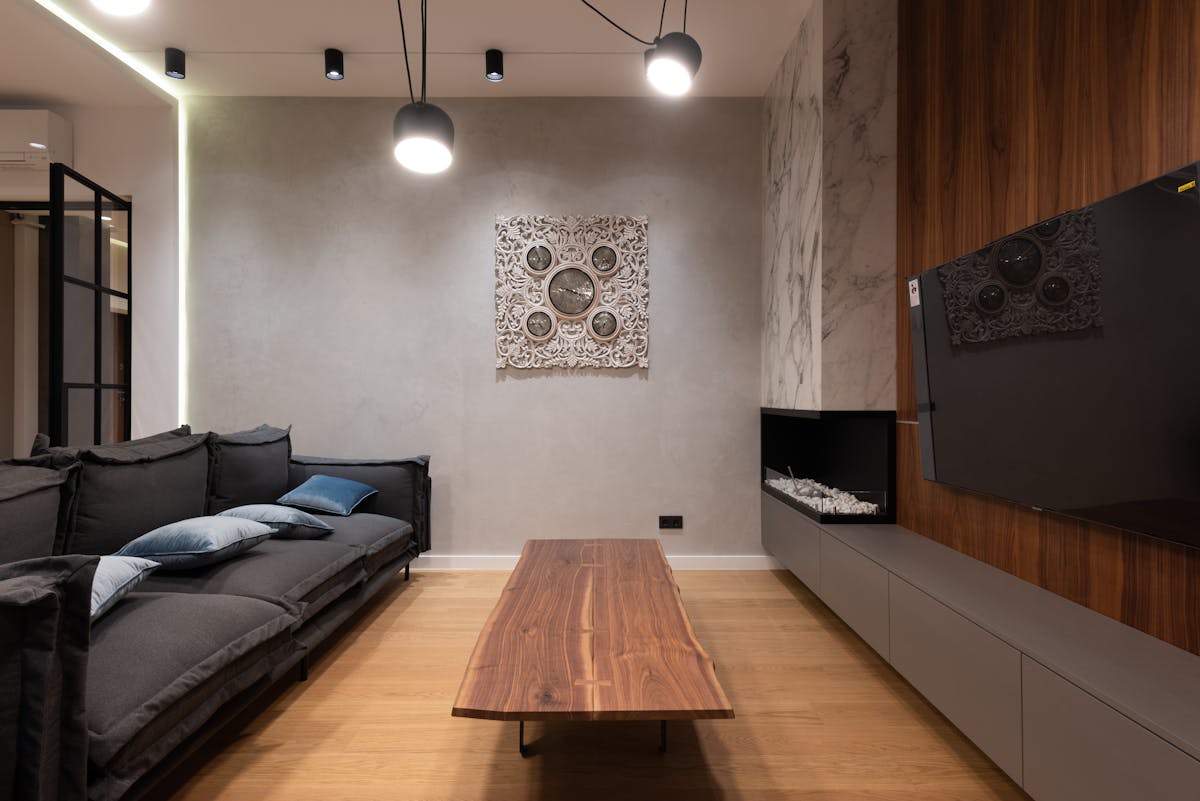
Why everyone’s obsessed with slat walls
- Vertical lines = visual ceiling lift. Great for rooms that feel a little “squished.”
- Texture without loud color. Perfect if you like a neutral palette but want it to feel designed, not default.
- DIY-friendly. Cut, nail, repeat. No art degree required, just a level and a playlist.
Where slat walls work best
- Behind the TV: Makes the TV wall feel finished and hides cables with clever planning.
- Behind the bed: Instant headboard drama, even with the simplest frame.
- Entryway or hallway: A slat panel behind a console is like a red carpet for your keys and mail.
Material & finish ideas
- Inexpensive pine or MDF strips: Budget-friendly and paintable.
- Pre-made fluted or slat panels: Faster install, slightly higher cost, lower stress.
- Finishes trending now: Natural oak, light stain, walnut tones, or painted black for a bold, modern vibe.
Simple slat wall game plan
- Sketch your pattern. Full wall? Half wall? Just a panel behind furniture? Decide your boundaries before the power tools come out.
- Mark your studs. Use a stud finder and a pencil; slats love something solid to grip.
- Cut and sand. Consistent width is key. Lightly sand edges so they feel intentional, not like a lumberyard speed-run.
- Space with a spacer. Use a scrap piece of wood or a tile spacer for even gaps between slats.
- Attach and finish. Nail into studs where possible. Fill nail holes, then stain or paint.
Trending upgrade: Add a slim LED strip behind or around your slat wall for a soft, indirect glow that looks straight off Pinterest.
Room Recipes: Pick Your Wall, Pick Your Mood
Think of textured walls as your background soundtrack. The right choice sets the mood without stealing the scene. A few plug-and-play combos:
1. The Calm Bedroom Retreat
- Wall choice: Limewashed or Roman clay headboard wall in warm white or mushroom.
- Pair with: Low-profile bed, neutral linen bedding, oversized pillows, and minimal art.
- Effect: Looks like a boutique staycation spot where you “accidentally” fall asleep at 8:30 p.m.
2. The Content-Creator Living Room
- Wall choice: Slat wall behind the TV or a limewashed main wall.
- Pair with: Streamlined media console, hidden cables, a couple of sculptural lamps, and cozy throws.
- Effect: Every angle becomes a good angle for Reels, tutorials, or “day in my life” videos.
3. The “This Small Space Has Taste” Entryway
- Wall choice: Narrow slat panel or small plastered area behind a console.
- Pair with: Slim console, round mirror, catchall tray, and one dramatic vase or branch.
- Effect: Guests walk in and immediately assume the rest of the house is equally intentional (whether that’s true is between you and your laundry pile).
Budget & DIY Reality Check (a Friendly One)
You don’t need a full room redo to ride the textured wall trend. A few smart moves can stretch your budget and your sanity:
- Start with one wall. Choose the one you look at the most: behind the sofa, your headboard, or opposite the door.
- Sample first. Grab sample pots or small plaster tubs and test patches. Lighting can turn “perfect beige” into “sad oatmeal” fast.
- Rent (or borrow) tools. For trowels, sanders, or nail guns, borrowing often beats buying if this is a one-time project.
- Plan for mess. Texture means drips, dust, and debris. Drop cloths, painter’s tape, and a shop vac are your best friends.
- Respect drying times. Rushing layers can ruin the finish—and your mood. Use the wait time to plan styling or scroll for inspo.
How to Style Around Textured Walls (So They Can Flex Properly)
Once your walls are dressed up, the rest of the room needs to play along. Think of your textured wall as the star, and everything else as the surprisingly supportive cast.
- Let it breathe. Avoid cluttering your new wall with too many small frames. One large piece or a simple mirror often looks richer.
- Echo the texture. Add a boucle pillow, chunky knit throw, or a stone vase to repeat the tactile theme.
- Balance with smooth. Pair textured walls with sleek metals, glass, or polished wood so the room doesn’t feel like a sandpaper convention.
- Keep color restrained. At least on that wall. Texture does a lot of visual talking; it pairs best with a more edited palette.
- Light it well. Picture lights, sconces, or floor lamps will highlight those subtle shadows and variations that make textured finishes so good.
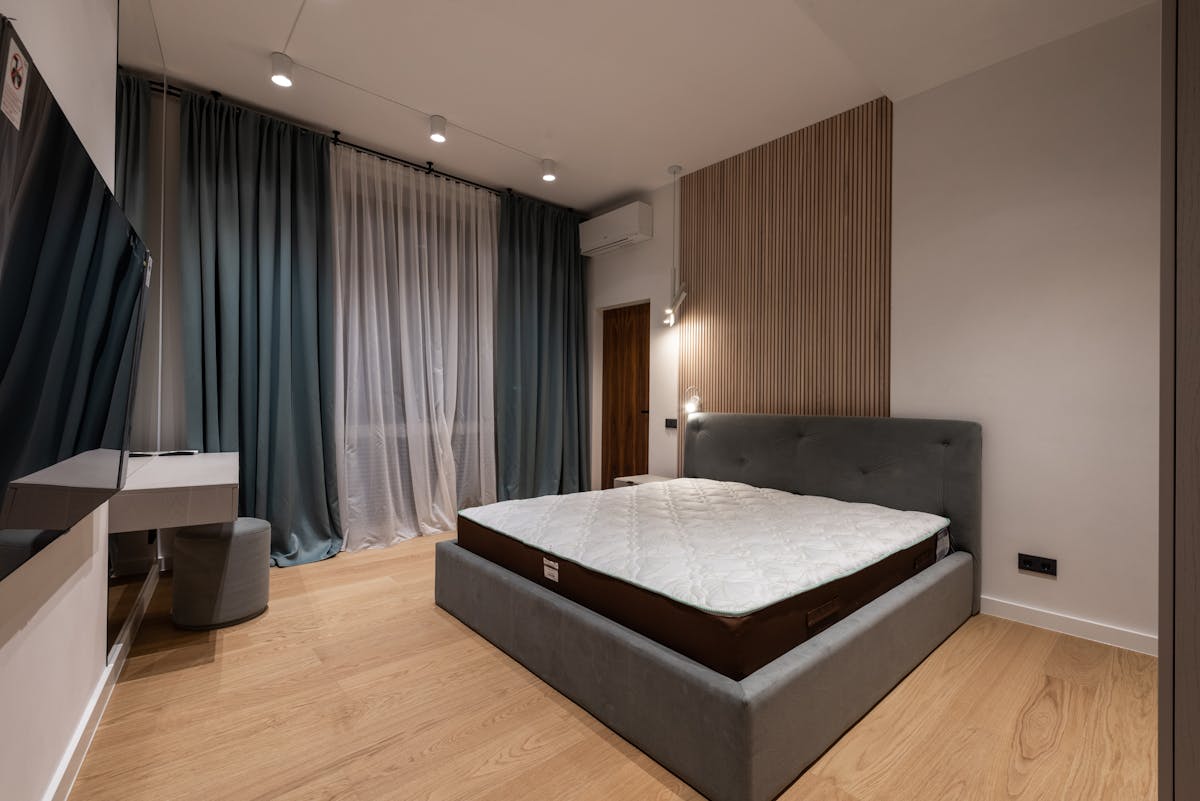
Let Your Walls Do the Talking (You Just Take the Compliments)
Whether you’re brushing on a moody limewash, smoothing plaster like a calm, domestic Michelangelo, or nailing up sleek wood slats, textured walls are one of the easiest ways to make your home look custom, current, and quietly luxurious.
Start with one surface, one weekend, and one clear intention: cozy, but make it elevated. Your walls have been politely waiting for a glow-up; it might be time to give them something better to do than just hold up the ceiling.
And when people inevitably ask, “Who designed this?” you can smile and say, “Oh, just me and my walls. We’re going through our European phase.”
