
Teen Scientists Use CRISPR to Tackle Lyme Disease: A New Hope for Faster Detection and Treatment
If you or someone you love has ever gone months—sometimes years—without answers for strange fatigue, joint pain, or brain fog, you know how frightening Lyme disease can be. Now, a group of teenagers from Georgia has stepped onto the global stage with a bold idea: using CRISPR gene-editing technology to detect Lyme disease more quickly and precisely by targeting a specific protein made by the bacteria that cause the illness. Their project, featured on 60 Minutes and showcased at an international science competition in Europe, doesn’t promise a cure yet—but it does offer a glimpse of a future where teens, science, and compassion come together to change how we diagnose and manage Lyme.
Why Lyme Disease Is So Hard to Catch Early
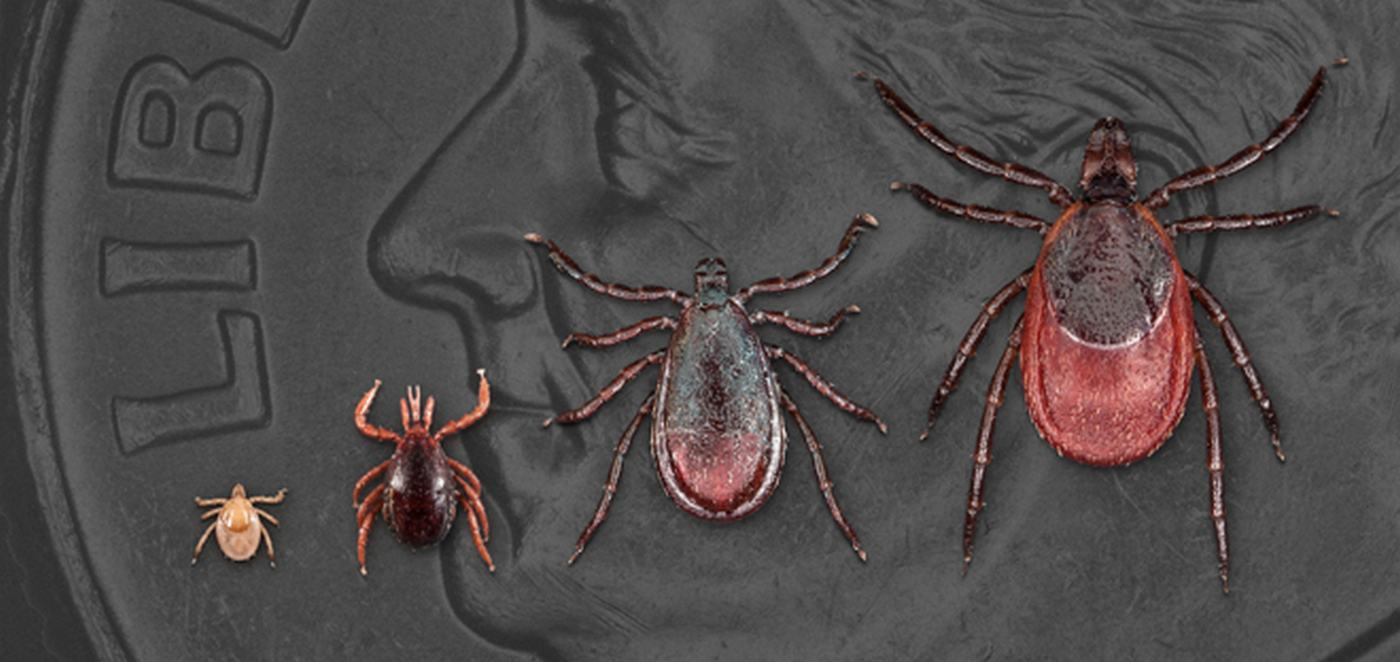
Lyme disease is caused primarily by the bacterium Borrelia burgdorferi, transmitted through the bite of infected ticks. In the United States and parts of Europe, cases have risen over the past decades, in part due to changing ecosystems and expanding tick habitats.
Early Lyme can sometimes be recognized by a distinctive “bull’s-eye” rash, but not everyone gets that rash—or notices it. Many people only experience vague symptoms such as:
- Flu-like illness with fever, chills, or fatigue
- Headaches and muscle aches
- Joint pain that seems to move around
- Brain fog, trouble concentrating, or mood changes
Traditional blood tests look for antibodies—your immune system’s response to infection. Those antibodies can take weeks to appear, which means people bitten by a tick may test negative early on, even if they’re infected. This “diagnostic gray zone” is where faster, more direct detection tools could make a real difference.
How a Teen Science Team Turned CRISPR Toward Lyme Disease
In the story reported by 60 Minutes, a Georgia-based high school team—led by student scientist Karthik and classmates—set out with a clear goal: use CRISPR not to edit human genes, but to identify and isolate a protein produced by the Lyme bacteria.
Instead of looking for the body’s delayed antibody response, their approach focuses on a molecular “fingerprint” of the bacteria itself. In essence, they’re asking: Can we build a CRISPR-based system that lights up when it encounters a Lyme-specific protein?
Their project was strong enough to carry the American flag to an international science competition in Europe—an impressive achievement for any student group, and a powerful sign of how quickly gene-editing tools are moving from elite labs into the hands of passionate young innovators.
“What’s remarkable isn’t just the technology—it’s that high schoolers are thinking creatively about real-world diagnostic challenges and building prototypes that could, with future validation, influence clinical testing.”
— Hypothetical commentary from a university molecular biologist
CRISPR 101: From Gene Editing to Disease Detection
CRISPR is often described as “molecular scissors” that can cut DNA at specific locations. But over the last several years, scientists have also turned CRISPR into a powerful diagnostic tool.
In simplified terms, here’s how CRISPR-based detection can work:
- Guide molecules are designed to recognize a unique sequence or protein associated with a pathogen (such as Lyme bacteria).
- When the CRISPR system finds its target, it activates an enzyme that cuts nearby “reporter” molecules in a test solution.
- Those cut reporters produce a signal—for example, a visible line on a test strip or a change in fluorescence—that indicates a positive result.
Research teams around the world have used similar CRISPR-based platforms (such as SHERLOCK and DETECTR) for viruses like Zika and SARS-CoV-2. The teen team’s contribution is to adapt this concept to a Lyme-specific protein, potentially enabling much earlier and more accurate detection.
What This Could Mean for Detecting and Treating Lyme Disease
It’s important to be realistic: this is early-stage work from a student team, not an approved medical device. Still, if CRISPR-based Lyme detection is refined and validated in professional labs, it could offer several potential advantages:
- Earlier detection: Instead of waiting for antibodies, clinicians might detect bacterial markers soon after infection.
- More confident diagnosis: A specific signal tied to a Lyme protein could help distinguish Lyme from other conditions with similar symptoms.
- Better treatment timing: When Lyme is caught early, standard antibiotic treatment is often more effective and complications may be reduced.
- Accessible formats: In the future, CRISPR tests may be adapted into portable, rapid formats for clinics with limited resources.
These possibilities still depend on rigorous testing, regulatory review, and large clinical studies. For now, they represent a promising direction rather than guaranteed outcomes.

What Still Stands Between This Idea and Your Doctor’s Office
Transforming a clever school project into a clinically approved test involves overcoming several obstacles:
- Validation in large studies: The test must be evaluated in diverse patient groups to confirm sensitivity (catching true cases) and specificity (avoiding false positives).
- Regulatory approval: Agencies like the FDA require extensive evidence of safety, accuracy, and reliability.
- Manufacturing and cost: The test needs to be produced at scale, remain stable in real-world settings, and be affordable.
- Training and workflow: Clinics must be able to integrate new tools into existing laboratory and care pathways.
The teens’ work is an exciting beginning, not a finished solution. But many medical breakthroughs start exactly this way—with a small team noticing a gap and daring to ask, “Could we do this better?”
Why Faster Lyme Detection Matters: A Lived-Experience Lens
In patient support groups, you often hear very similar stories: a mysterious flu that never quite goes away, multiple doctor visits, normal blood tests, and the growing fear that “it’s all in my head.” Some eventually learn they had Lyme disease all along; others may never receive a clear diagnosis.
Imagine a near-future clinic visit where, after a suspected tick bite, a clinician can run a rapid, highly specific test that checks directly for a Lyme-associated protein or genetic marker. A clearer answer earlier on could:
- Spare patients months of anxiety and uncertain diagnoses
- Help doctors decide more confidently when to start treatment
- Reduce unnecessary antibiotics when Lyme is unlikely
“I lost almost a year to unexplained fatigue and pain before anyone thought to test for Lyme. If something like a CRISPR-based rapid test had been available, my journey might have looked very different.”
— Composite narrative based on common patient experiences
From Today’s Reality to Tomorrow’s Possibilities
To understand the potential impact of CRISPR-based Lyme diagnostics, it helps to compare today’s common experience with a realistic, future scenario.
Current Pathway (Typical)
- Tick bite may go unnoticed.
- Symptoms appear days to weeks later.
- Initial tests can be negative if done too early.
- Patients may see multiple specialists.
- Diagnosis can be delayed or missed.
Potential Future Pathway
- Tick bite is recognized and documented.
- Rapid CRISPR-based test looks for bacterial marker.
- Earlier, clearer signal guides clinicians.
- Treatment decisions made with greater confidence.
- Follow-up testing monitors response when appropriate.

What You Can Do Today While Science Moves Forward
While teen innovators and researchers refine new tools, there are evidence-backed steps you can take right now to reduce Lyme disease risk and support early detection.
1. Practice Smart Tick Avoidance
- Use EPA-registered insect repellents when in wooded or grassy areas.
- Wear long sleeves and long pants; tuck pants into socks when hiking.
- Stay on clear trails and avoid tall grass when possible.
2. Do Thorough Tick Checks
- Check your scalp, behind ears, underarms, waistline, and behind knees after outdoor activities.
- Shower within two hours of being outdoors to help remove unattached ticks.
3. Seek Prompt Medical Advice
- If you find an attached tick, remove it carefully with fine-tipped tweezers.
- Monitor for rash, fever, fatigue, or joint pain in the following days and weeks.
- Discuss your exposure and symptoms openly with a healthcare professional.

What These Teens Teach Us About Science, Hope, and Persistence
Beyond the technical details, this Georgia science team’s CRISPR Lyme project offers something deeply human: a reminder that curiosity and compassion can drive meaningful innovation long before a person has degrees or a lab of their own.
They looked at a real problem—people struggling for answers after tick bites—and chose to apply cutting-edge tools to make a difference. Even if their prototype is just an early step, it adds momentum to a global effort to improve how we detect and treat Lyme disease.

Looking Ahead: Staying Safe Today While Supporting Tomorrow’s Breakthroughs
Lyme disease remains a complex, sometimes controversial condition, and no single technology will solve every challenge overnight. Yet the emergence of CRISPR-based diagnostic ideas—especially from thoughtful, determined teens—shows that we are entering a new era of faster, more precise, and more patient-centered detection tools.
As you navigate your own health or support someone living with possible Lyme:
- Take practical steps to reduce tick exposure.
- Document symptoms and seek medical advice early.
- Stay curious about emerging research—but cautious about unproven claims.
- Encourage and celebrate young scientists; their work may shape the options available to all of us in the years ahead.
You don’t have to be a researcher to make a difference. By staying informed, advocating for evidence-based care, and supporting responsible science education, you become part of the same movement that carried a group of Georgia teens—and their CRISPR Lyme project—to the world stage.
Your next step: review your own tick-prevention habits this week, and share one reliable Lyme disease resource—such as the CDC or a major research institute—with a friend or family member. Small actions, multiplied, can change outcomes.
