Sustainable Y2K Glow-Up: How to Thrift, Upcycle, and Slay 2000s Style on a Real-World Budget
Sustainable Y2K: The 2000s Came Back With a Recycling Bin
The Y2K fashion comeback has finished its chaotic teen phase and entered its responsible era. Think: the same butterfly tops and rhinestone everything, but this time they recycle, read tags, and care about garment workers. Welcome to sustainable Y2K—a thrift-powered, upcycled, plus-size inclusive glow-up where we keep the fun of the early 2000s and ditch the disposable mindset.
Across TikTok and YouTube, “Thrift With Me: Y2K Edition” and “Turning My Mom’s 2000s Closet Into My 2025 Wardrobe” are replacing frantic fast-fashion hauls. Creators are chopping baggy jeans into micro skirts, resizing baby tees, and proving you don’t need 27 Shein carts to look like a Bratz doll with a savings account and a conscience.
This guide is your playful roadmap to doing Y2K the 2025 way: thrifty, ethical, body-positive, and still dangerously cute.
Why Sustainable Y2K Is the Main Character Right Now
The 2000s reboot isn’t just about nostalgia; it’s about growing up without giving up the glitter. Here’s why this version of Y2K is trending:
- Backlash against ultra-fast fashion: Viral exposés have made “I got this for $3” feel less like a flex and more like a red flag. Shoppers want sustainable fashion that doesn’t come with a side of environmental guilt.
- Nostalgia with personality: Thrifted vintage fashion—True Religion, Von Dutch, early Abercrombie, velour sets—feels unique, not copy-paste. Aesthetic street style communities are obsessed with originality.
- Budget realities: With the cost of living doing the most, budget fashion is survival, not a hobby. Thrifting and upcycling turn “I’m broke” into “I’m just curating my archive.”
- Plus-size inclusion: Plus-size creators are rewriting the Y2K script so it fits actual human bodies, not just low-rise nightmares from 2004.
The vibe: Y2K, but make it ethical, affordable, and wearable beyond your bedroom mirror photoshoot.
Thrifting the 2000s: How to Hunt Like a Stylish Time Traveler
Walking into a thrift store without a plan is like opening your inbox after a long weekend: chaos. To build a Y2K capsule wardrobe from the thrift store, you need a strategy, not just vibes.
Start by scanning for these early-2000s staples (authentic 1998–2007 pieces are the holy grail):
- Denim everything: Look for bootcut and wide-leg jeans, denim mini skirts, and jackets. Vintage Nike or Adidas track pants also scream hallway lockers and MP3 players.
- Logo mania: Early Abercrombie, Von Dutch, Juicy-style velour sets, rhinestone logos—anything that looks like it once lived on MySpace.
- Fitted tops: Baby tees, ribbed tanks, lace-trim camis. Don’t worry about the size on the tag; we’re going to talk tailoring.
- Track suits & velour: The comfier cousin of the power suit. Perfect for airport-core, errand-core, and “I woke up like this but on purpose.”
Pro tip: scan by fabric and color, not just size sections. Many thrift stores still sort by gender or outdated sizing. A men’s size large tee can become the perfect cropped baby tee for anyone with scissors and a dream.
And if you’re overwhelmed, pick just one category to hunt for that day—like “a tiny shoulder bag” or “one pair of wide-leg jeans”—so you don’t accidentally adopt 14 tops you’ll never wear.
DIY & Upcycling: Turning 2000s Relics into Main-Character Pieces
Upcycling is where sustainable Y2K really flexes. Instead of panic-ordering the latest micro trend, creators are hosting “Upcycle 2000s Jeans With Me” nights and slicing, stitching, and bedazzling like it’s a school art project with better lighting.
A few easy transformations:
- Jeans into micro skirt: Cut off the legs just below the zipper, keep the waistband, then seam-rip the back and stitch it flat. Distress the hem for that “accidentally perfect” look.
- Oversized tee into baby tee: Put it on inside-out, pin where you want it to fit, sew (or fabric-glue if you’re chaos-friendly), then crop to your preferred length.
- Plain tank into butterfly top: Add lace trim, ribbon ties, or a butterfly applique. Suddenly it’s TikTok-ready instead of gym-class-chic.
- Old belts into charm belts: Attach thrifted pendants, broken earrings, and random keychains to a simple chain belt. Sustainable accessories, but make it whimsical.
If sewing machines scare you, start with no-sew hacks: fabric glue, iron-on patches, safety-pin detailing (very 2004), or just strategic cropping. Remember: Y2K style was always a little messy. That’s the charm.
Plus-Size Friendly Y2K: No More Low-Rise Torture Devices
Early-2000s media acted like only one body type existed. 2025 strongly disagrees. Plus-size fashion creators are leading the sustainable Y2K wave by proving you can wear the aesthetic without squeezing into anything that feels like a denim corset.
Here’s how they’re making it work—and how you can, too:
- Rethink the rise: Swap classic low-rise horror for mid-rise or V-front jeans that nod to Y2K without demanding you sacrifice circulation. Pair with a slightly longer baby tee for that balanced proportion.
- Skirts, but make them skorts: Micro skirts are cute; wardrobe malfunctions are not. Skorts give you the 2004 teen-drama look with 2025 practicality.
- Layers over tight fits: Slip dresses over tees, mesh tops over tanks, shrugs over camis. You still get the flirty Y2K feel but with coverage and comfort that adapts to your mood.
- Fabric over size label: Look for stretch denim, ribbed knits, and soft velour. A “large” in early 2000s sizing might fit like a modern small, so trust the garment, not the tag.
Many indie ethical fashion brands are also referencing butterfly tops, cargo minis, and rhinestone graphics in extended sizes using more durable fabrics. If you can’t find it thrifted, supporting those labels is a powerful Plan B.
Build a Sustainable Y2K Capsule Wardrobe (From Mostly Thrift)
A Y2K capsule wardrobe is like your favorite playlist: a few strong tracks that remix into endless outfits. You don’t need a haul; you need a strategy.
Try building around:
- 2–3 bottoms: One pair of wide-leg jeans, one denim mini or skort, one cargo or track pant.
- 3–5 tops: A graphic baby tee, a ribbed tank, a lace-trim cami, and one long-sleeve layer (mesh or shrug-style).
- 1–2 outer layers: Denim jacket, zip-up hoodie, or velour track jacket.
- 2 key accessories: Tiny shoulder bag and a charm belt or beaded accessory.
From that, you can easily create dozens of looks: track pants with a lace cami and denim jacket, mini skirt with baby tee and shrug, jeans with tank and charm belt. The power is in remixing, not hoarding.
Bonus sustainable move: set a “one in, one out” rule. If you bring home a new thrifted piece, something you never wear gets re-donated or resold. You’re not just building a wardrobe—you’re curating your personal early-2000s museum.
Accessories: Tiny Bags, Big Impact, Zero Guilt
Y2K without accessories is just… jeans and a top. The fun is in the details—and sustainable Y2K is making those details count.
Look for or DIY:
- Reworked charm belts: Upcycle old chains, keyrings, and pendants into belts that jingle just enough to announce your main-character entrance.
- Beaded phone straps: Use broken jewelry or thrifted beads. It’s functional, cute, and basically a friendship bracelet for your screen-addicted soul.
- Tiny shoulder bags: Instead of buying new faux-vintage, hunt for actual early-2000s bags in thrift stores or family closets. Bonus points for rhinestones or metallic finishes.
- Hair accessories: Claw clips, butterfly clips, and headbands can often be found secondhand or made from leftover ribbon and beads.
The secret: pick 2–3 accessory “signatures” you repeat—like a specific bag, your charm belt, or those beaded straps—so your style feels cohesive, not costume-y.
Home Base: Making Your Closet Feel Like Y2K, Not a Fast-Fashion Warehouse
Consider this your stylish reminder that your closet is your fashion Home—and it deserves better than chaos and regret piles.
A few ways to keep your sustainable Y2K wardrobe feeling intentional:
- Display your favorite pieces: Hang your best vintage jeans or a velour set where you can see them. If it inspires you, it earns front-row status.
- Group by vibe, not just garment: Make a “going out Y2K,” “cozy track suit,” or “everyday denim” section so you can grab a look quickly.
- Keep a DIY box: Store scraps, trims, and old jewelry pieces together so future upcycle ideas are easy to start.
When your wardrobe feels like a curated collection instead of a shopping accident, getting dressed becomes fun again—not a daily panic scroll through your hangers.
Wearing It With Confidence (a.k.a. the Real Trend)
Sustainable Y2K isn’t about perfectly recreating a look from a 2003 teen magazine; it’s about remixing the era into something that works for you in 2025. That might mean mid-rise instead of low-rise, skorts instead of micro skirts, or one rhinestone item per outfit instead of going full disco ball.
The most stylish people leaning into this trend all have one thing in common: they treat guidelines as a mood board, not a rule book. If something makes you feel like the lead in your own music video—comfortable, powerful, a little playful—it belongs in your rotation, no matter what the original Y2K era said.
Wear the thrifted jeans your way. Upcycle the tee how you like it. Clip in the butterfly barrettes just because they make you smile. The real revival isn’t just Y2K style—it’s the freedom to enjoy it on your own terms.
Context-Aware Image Suggestions
Below are 2 carefully chosen, strictly relevant images that directly support key sections of this blog.
Image 1: Thrifted Y2K Capsule Wardrobe Rack
Placement: Directly after the paragraph ending with “You don’t need a haul; you need a strategy.” in the “Build a Sustainable Y2K Capsule Wardrobe (From Mostly Thrift)” section.
Supported sentence/keyword: “A Y2K capsule wardrobe is like your favorite playlist: a few strong tracks that remix into endless outfits.”
Image description (for generation or selection): A realistic, well-lit photo of a clothing rack against a simple wall. On the rack: wide-leg jeans, a denim mini skirt, a cargo pant, a velour zip-up hoodie, a denim jacket, baby tees, ribbed tanks, and lace-trim camis, all in a cohesive pastel and denim color palette. At the base of the rack, a small tiny shoulder bag and a charm belt are visible, neatly arranged. No people visible. The space looks like a real bedroom or small studio, not a store display.
SEO-optimized alt text: “Thrifted Y2K capsule wardrobe on a clothing rack with wide-leg jeans, mini skirt, velour hoodie, baby tees, and tiny shoulder bag.”
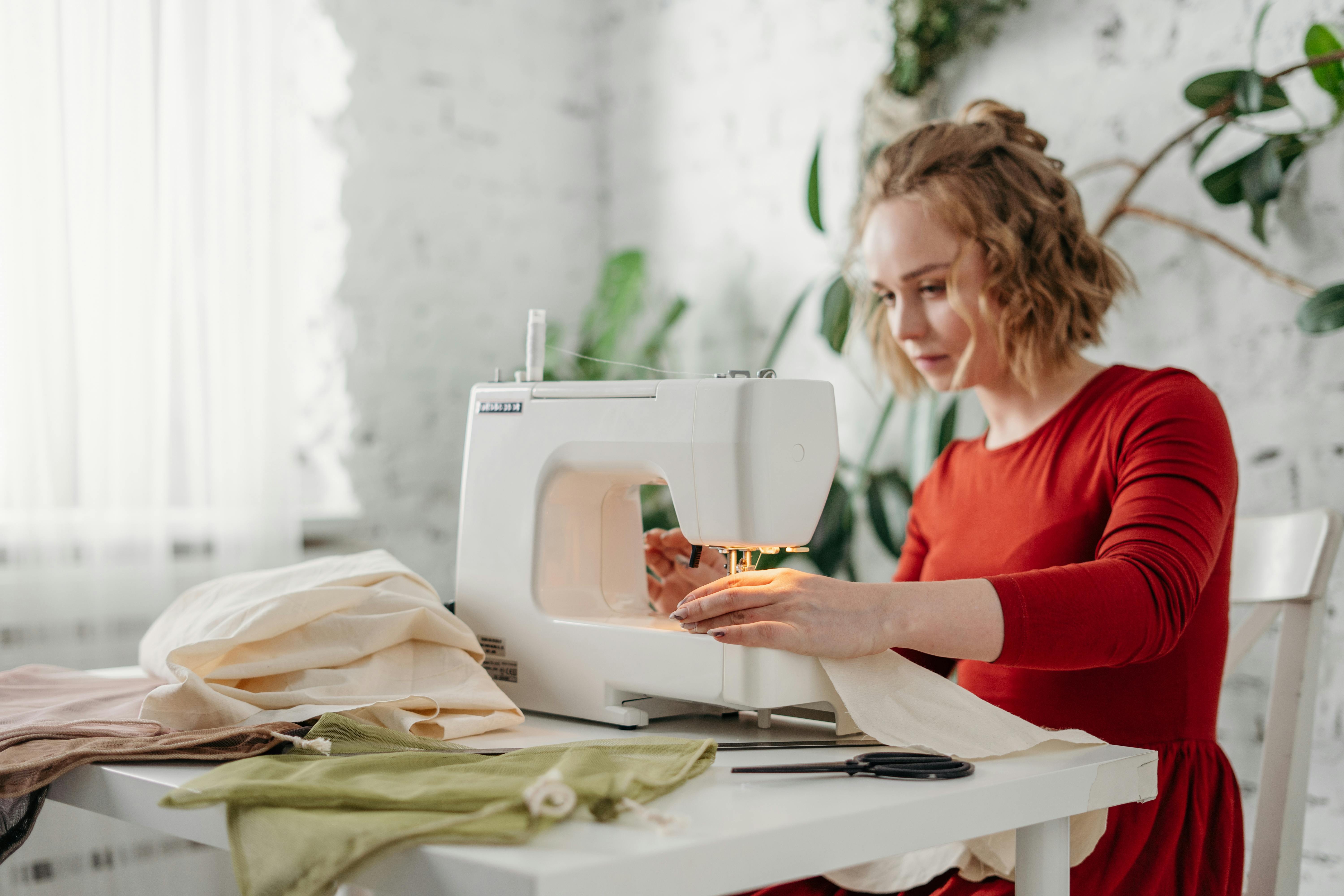
Image 2: DIY Upcycling Denim Workspace
Placement: After the bullet list describing specific upcycling transformations in the “DIY & Upcycling: Turning 2000s Relics into Main-Character Pieces” section.
Supported sentence/keyword: “Upcycling is where sustainable Y2K really flexes.”
Image description (for generation or selection): A realistic overhead view of a DIY workspace: a pair of jeans partially cut into a skirt, fabric scissors, pins, thread, lace trim, rhinestone patches, and a charm belt laid out on a wooden table. No hands or people visible—just the tools and garments mid-project. Colors are natural and true-to-life, not overly stylized.
SEO-optimized alt text: “DIY upcycling setup with jeans being turned into a Y2K skirt using scissors, lace trim, and rhinestone patches.”