
Stay Festive, Not Feverish: How New Yorkers Can Dodge the Flu (and FOMO) This Holiday Season
New York City knows how to do the holidays—packed subways, crowded parties, late-night dinners, and plenty of chances to catch… the flu. This year, with a particularly aggressive variant circulating, many New Yorkers are wondering how to stay healthy without cancelling every plan and spending December on the couch.
You don’t have to choose between protecting your health and enjoying the season. With a few targeted strategies, you can lower your chances of catching the flu, reduce the risk of spreading it to others, and still show up for the moments that matter.

Below is a practical, science-backed guide tailored to life in NYC—crowded trains, office parties, family obligations, and all.
Why This Flu Season Feels Especially Disruptive
New York City’s Health Department has reported rising flu activity and launched new campaigns to warn residents about a “particular variant” that’s sidelining people for a week or more. The timing couldn’t be worse: office parties, family gatherings, flights home, and New Year’s events are all stacked into the same few weeks.
The problem isn’t only getting sick. It’s the ripple effect:
- Last-minute cancellations of trips or events
- Risk of infecting older adults, infants, or people with chronic illness
- Lost income for hourly or gig workers who can’t afford to be out sick
- Emotional FOMO—watching friends celebrate while you’re isolated at home
“Flu season is not just about runny noses and fevers. It can seriously disrupt lives, especially in a dense city like New York. But we have powerful tools to reduce that impact.”
— Infectious disease specialist, cited in NYC Department of Health guidance
Fortunately, you don’t need perfection to see benefit. Even partial prevention—fewer exposures, better ventilation, timely vaccination—can mean fewer missed events and milder illness if you do get sick.
Step 1: Get the Flu Shot—It’s Still Worth It, Even Late in the Season
If you’ve been putting off your flu shot, you’re not alone. Many New Yorkers mean to get it and then life gets busy. The good news: as long as flu is circulating, it’s not “too late” to benefit from vaccination.

Where New Yorkers Can Get a Flu Shot Quickly
- Pharmacies (CVS, Walgreens, Duane Reade, Rite Aid, and many independent pharmacies)
- Urgent care centers across the five boroughs
- NYC Health + Hospitals clinics and community health centers
- Employer or campus vaccination events
You can use the city’s vaccine finder tools or call 311 to locate nearby flu vaccination sites and confirm hours and availability.
How to Time Your Shot With Events
- Get vaccinated as soon as you can. It takes about two weeks for your body to build up significant protection.
- Don’t skip just because an event is close. Even if your party is in a few days, you’re still protecting yourself for the rest of the season.
- Combine trips. Schedule your shot on the same day as errands or commuting to work to remove extra friction.
Step 2: Use Smart Everyday Habits in a Crowded City
In NYC, avoiding crowds entirely is unrealistic. Instead, focus on small, consistent behaviors that collectively reduce your flu risk.
On the Subway, Bus, and Commuter Rail
- Mask strategically. Consider a well-fitting mask during rush hour or in tightly packed trains, especially if you live with someone high-risk or have a big event coming up.
- Avoid face-touching. Poles, doors, and seats can host viruses. Try not to touch your eyes, nose, or mouth until you’ve washed or sanitized your hands.
- Use hand sanitizer after your ride. Keep a small bottle in your bag or coat pocket and apply it when you exit.
At Work and Holiday Parties
- Keep some distance where you can. You don’t need to stand in a corner, but avoiding shoulder-to-shoulder crowding for long periods helps.
- Improve ventilation. Crack a window, step outside for portions of the event, or gather in larger rooms when possible.
- Wash hands before eating or touching your face. Use soap and water for at least 20 seconds when available.
- Don’t share drinks, utensils, or makeup. These are very efficient ways to spread respiratory viruses.

Step 3: Redesign Your Holiday Plans for Lower Risk, Not Zero Fun
You don’t have to cancel everything to be responsible. Instead, adjust the how and where of your celebrations.
Safer Gatherings at Home
- Keep it smaller if possible. Fewer people means fewer potential exposures, especially in smaller NYC apartments.
- Encourage a “don’t come sick” norm. Explicitly tell guests it’s okay—preferred, even—to cancel if they feel unwell.
- Layer protections for high-risk guests. If older adults or people with chronic conditions will attend, consider:
- Better ventilation (windows slightly open, air purifiers if available)
- Shorter visit times instead of long, crowded parties
- A mask-friendly culture for those who want to wear one
- Serve food thoughtfully. Opt for individual portions or a server with clean utensils rather than everyone reaching into shared bowls.
Handling Big NYC Events and Traditions
Whether it’s seeing the Rockefeller Center tree, a Broadway show, or a New Year’s event, you can still participate with some extra precautions:
- Choose outdoor or well-ventilated activities when possible.
- Mask in very dense crowds, especially if you have a trip or important event within the next week.
- Avoid shouting or singing at very close range in packed settings.
- Schedule downtime the next day to monitor for symptoms and rest.
Step 4: Managing FOMO If You Do Get Sick
Sometimes, despite your best efforts, the flu wins. Staying home while everyone else is posting party photos can be emotionally tough—especially in a city that never seems to slow down.
What to Do if You Develop Symptoms
Typical flu symptoms include fever, chills, body aches, sore throat, cough, and fatigue. If they show up:
- Stay home from work and events. Going out sick increases the chance you’ll prolong your own illness and spread it to others.
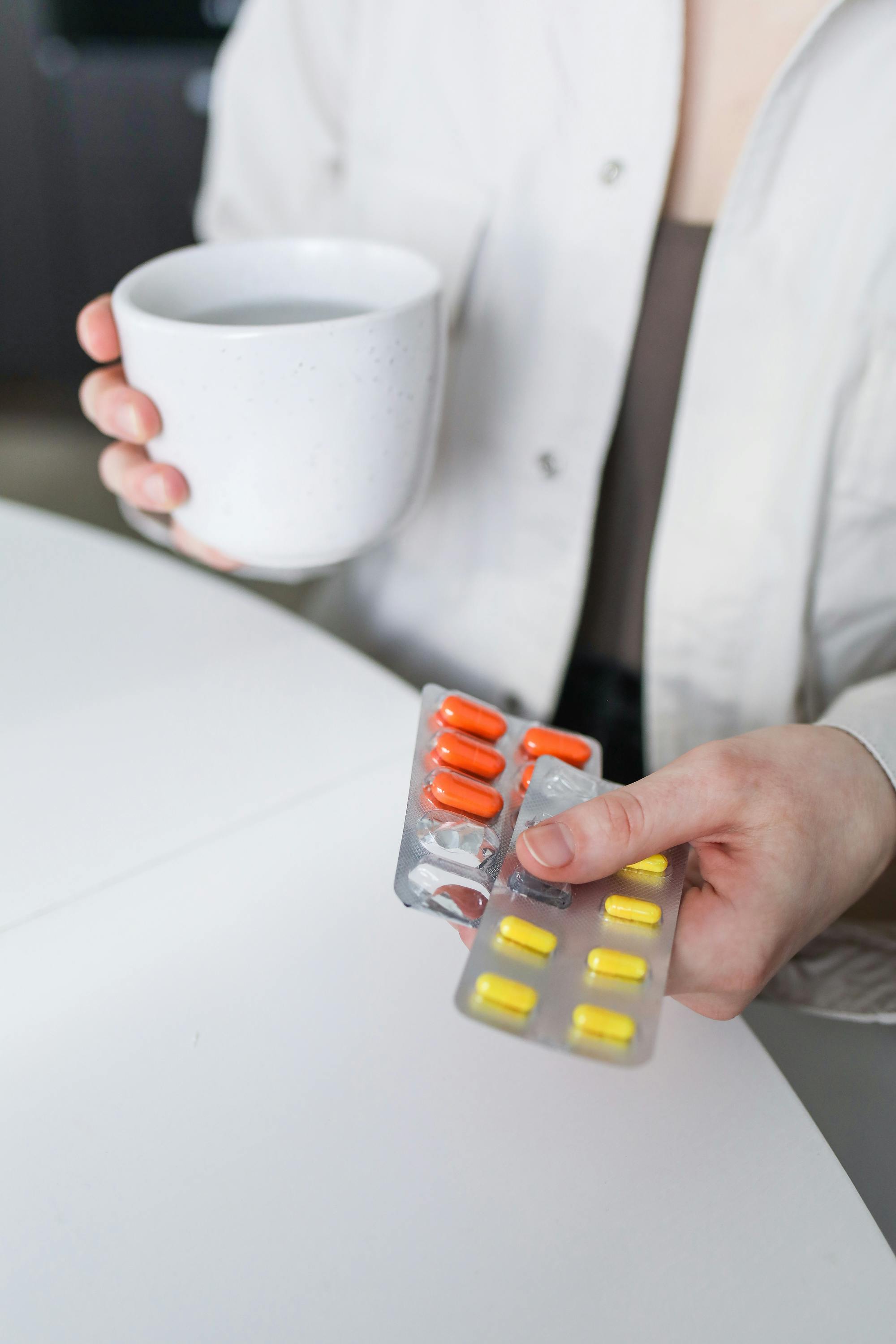
- Rest, hydrate, and treat symptoms. Over-the-counter medications can help with fever and aches. Follow label directions and consult a clinician if unsure.
- Consider calling your health provider promptly. Antiviral medications (like oseltamivir) can help certain higher-risk individuals if started early, usually within 48 hours of symptoms.
Reducing the Emotional Toll
- Reschedule, don’t cancel forever. Turn “I’m missing everything” into “We’re postponing and doing something special in January.”
- Stay socially connected virtually. Join for a toast over video, watch the same holiday movie with friends, or keep group chats active.
- Reframe rest as an investment. Recovering fully now can mean fewer setbacks in the weeks ahead.
Step 5: Extra Protection for High-Risk New Yorkers and Their Households
Some people are more likely to develop serious complications from the flu, including:
- Adults 65 and older
- Young children, especially under 5
- Pregnant people
- People with asthma, diabetes, heart disease, or weakened immune systems
- Nursing home or long-term care residents
If this is you—or you live with someone who falls into these categories—consider additional layers of protection:
- Prioritize vaccination for the whole household. This creates a “ring” of protection around vulnerable members.
- Mask more consistently in crowded indoor spaces. Especially in peak flu weeks and before visits with high-risk loved ones.
- Have a “flu plan” ready. Know which clinic or telehealth service you’ll contact if symptoms start, and what transportation options you’ll use.

Putting It All Together: A Practical Flu-Season Game Plan for New Yorkers
You don’t control which flu variants show up in the city—or when. But you do control how prepared you are and how you navigate crowds, parties, and travel.
Your NYC Holiday Flu-Prevention Checklist
- Get your flu shot if you haven’t yet, especially if you see high-risk friends or relatives.
- Carry hand sanitizer and use it after transit, before eating, and after blowing your nose or coughing.
- Mask in packed indoor spaces when it makes sense for you and your household.
- Improve ventilation at home gatherings and keep group sizes manageable.
- Stay home if you’re sick and encourage others to do the same—no guilt, no pressure.
- Have a plan for what you’ll do if symptoms start (who you’ll call, where you’ll go, how you’ll rest).
Taking these steps doesn’t mean you’ll never catch the flu—but it greatly improves your odds of staying healthy enough to enjoy the holidays and protects the people around you.
This season, aim for “safer, not perfect.” Protect your health, respect others’ well-being, and still let yourself enjoy the lights, music, and moments that make New York in the holidays feel like nowhere else.
If you’re unsure what’s best for your specific health situation, reach out to your primary care clinician, an urgent care provider, or call 311 for local health resources.
