
Simple, Science-Backed Ways to Feel Better in 2026 (Without Extreme Wellness Fads)
Each January, it feels like the world turns into one big wellness commercial: 30‑day “detoxes,” extreme workout plans, miracle supplements promising to “reset” your body overnight. If you’re trying to improve your health in 2026, it can be confusing, exhausting, and honestly a little discouraging.
The reassuring news, echoed by many public health experts and recent reporting from AP News, is this: you don’t need a radical reboot to get healthier. There are no magic fixes, but there are simple, low‑cost habits that reliably improve health and wellbeing over time.
In this guide, we’ll keep things grounded in science and practicality—no perfectionism, no guilt. Just clear, doable steps you can actually stick with in real life.
Why Most New Year’s Health Resolutions Fizzle Out
If you’ve ever started January fired up and then “fallen off” by February, you’re not alone. Research on behavior change suggests that:
- Overly ambitious goals (“I’ll work out every day for an hour”) are hard to sustain.
- All‑or‑nothing thinking (“I missed one day, so I failed”) kills motivation.
- Highly restrictive diets increase cravings and are rarely maintained long term.
On top of that, the wellness industry often pushes trendy products and programs that sound impressive but aren’t necessarily backed by strong evidence.
“The most powerful health interventions we have are not exotic or expensive. They’re the basics—eating mostly whole foods, moving regularly, not smoking, getting enough sleep, and managing stress.”
— Paraphrased from long‑standing public health guidance (e.g., CDC & WHO)
The Core of Better Health in 2026: Back to Basics
While there’s always new research, the fundamental pillars of health haven’t changed much. For most adults, evidence‑based priorities include:
- Eating more whole, minimally processed foods.
- Moving your body regularly (even in short bouts).
- Getting enough, good‑quality sleep.
- Managing stress and supporting mental health.
- Staying up to date on preventive care (checkups, vaccines, screenings).
You don’t need to perfect all of these. Instead, choose one or two to focus on first and build from there.

1. Eat More Whole Foods Without Going on a “Diet”
You’ve probably seen dozens of diet trends come and go. Yet large, long‑term studies consistently find that people tend to do better when they eat:
- Mostly whole or minimally processed foods (think: vegetables, fruits, beans, lentils, nuts, seeds, whole grains, eggs, fish, plain yogurt).
- Less ultra‑processed foods high in added sugars, refined starches, and trans fats.
Patterns like the Mediterranean and DASH diets—which emphasize these foods—are linked with lower risk of heart disease, type 2 diabetes, and some cancers in multiple studies.
Simple ways to upgrade your eating in 2026
- Start with one meal. For example, make breakfast more filling with:
- Oats + fruit + nuts
- Whole‑grain toast + eggs + spinach
- Plain yogurt + berries + seeds
- Use the “half‑plate” rule. Aim for half your plate to be vegetables or fruit at lunch or dinner.
- Swap, don’t ban. Replace:
- Sugary drinks → water, sparkling water, or unsweetened tea.
- Chips every day → nuts, fruit, or popcorn some days.
- Plan just 2–3 simple dinners per week. Rotate easy, budget‑friendly meals (chili, stir‑fry, sheet‑pan chicken and veggies) rather than aiming for perfect meal prep.
2. Move More: Small Bouts Count
The latest physical activity guidelines (from groups like the U.S. HHS and WHO) still recommend around:
- 150–300 minutes per week of moderate activity (like brisk walking), or
- 75–150 minutes per week of vigorous activity (like running), plus
- Muscle‑strengthening exercises at least 2 days per week.
But here’s the part many people miss: you don’t have to do this in long workouts. Even 10‑minute chunks of movement spread through the day offer benefits.
Ways to move more, without “working out”
- Take a 10‑minute walk after one or two meals.
- Use the stairs when possible.
- Do light stretches or body‑weight exercises during TV breaks.
- Try “movement snacks”: 5 squats, 5 wall push‑ups, 20–30 seconds of marching in place, a few times per day.

“Some activity is better than none, and more is better than some.”
— Adapted from the Physical Activity Guidelines for Americans
3. Protect Your Sleep Like a Health Habit—Because It Is
Many people try to fix their health with supplements or gadgets while ignoring one of the strongest levers we have: sleep. Most adults do best with about 7–9 hours per night, according to major sleep organizations.
Insufficient or poor‑quality sleep has been linked in research to higher risks of weight gain, diabetes, heart disease, and mood problems. You don’t need perfect nights, but consistent “good‑enough” sleep helps your body and brain reset.
Practical sleep upgrades
- Anchor your wake‑up time. Pick a realistic wake time and stick fairly close to it, even on weekends.
- Create a 20–30 minute wind‑down. Replace late‑night scrolling with:
- Light stretching or gentle yoga
- Reading something relaxing
- Listening to calming music or an audiobook
- Dim the lights in the hour before bed. Lower light helps signal to your body that it’s time to sleep.
- Limit caffeine late in the day. Many people sleep better if they avoid caffeine within 6 hours of bedtime.
4. Manage Stress and Support Your Mental Health
The last few years have been unusually stressful for many people. Chronic stress doesn’t just feel bad; it’s linked to higher blood pressure, inflammation, and difficulty managing blood sugar and weight.
You can’t eliminate stress, but you can build a “toolbox” for coping with it more effectively.
Evidence‑informed stress tools
- Brief breathing exercises. Even 1–2 minutes of slow, deep breathing can calm your nervous system.
- Regular movement. As mentioned above, physical activity is strongly linked with better mood.
- Social connection. Talking with a trusted friend, family member, or support group can reduce stress and loneliness.
- Mindfulness or relaxation practices. Short, guided practices (often free via apps or videos) can help some people handle stress better.
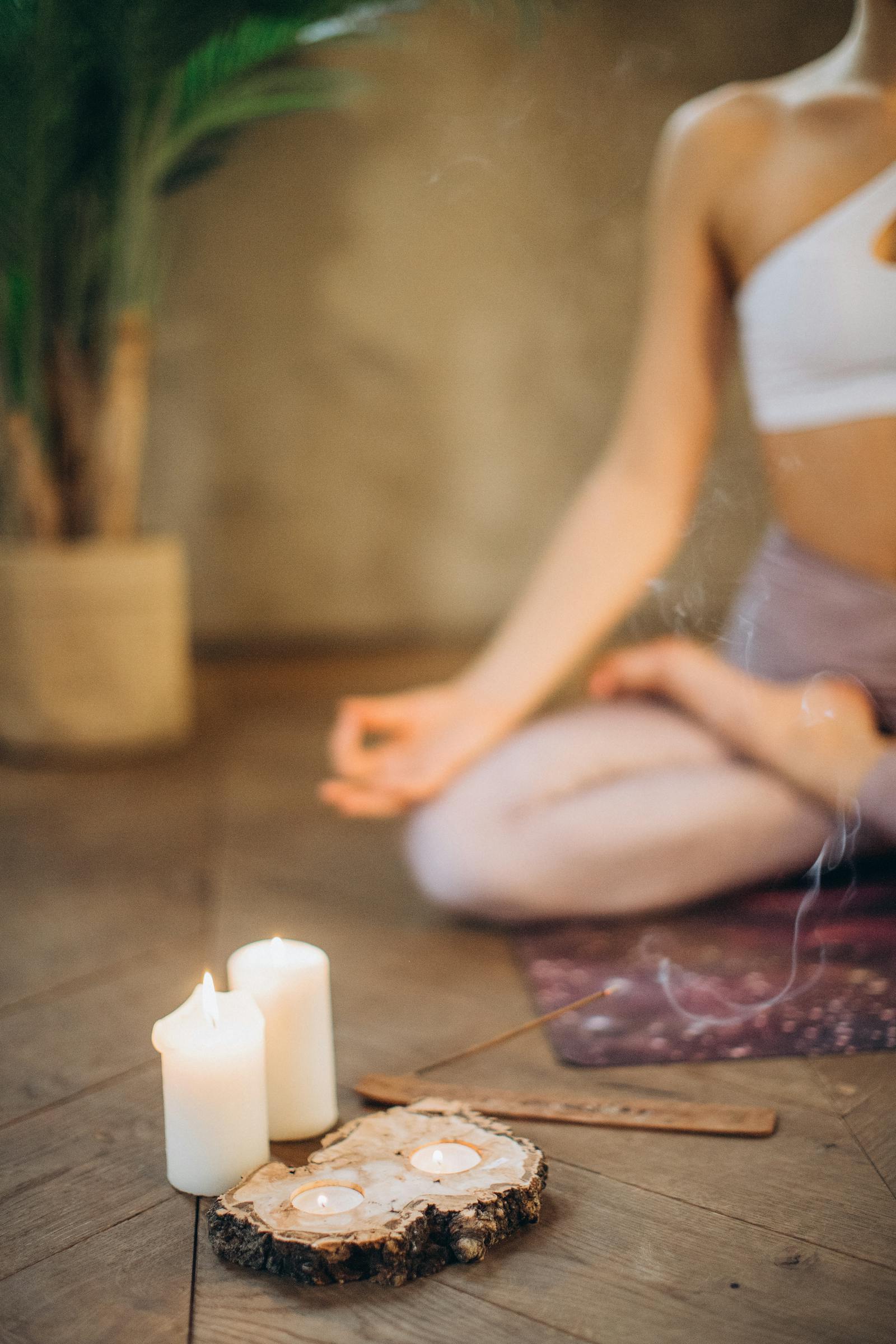
“Mental health is a fundamental component of overall health. There is no health without mental health.”
— World Health Organization (WHO)
5. How to Spot (and Skip) Wellness Fads in 2026
New year, new wave of trends. Some may be harmless or even helpful; others may waste your money—or worse, harm your health. Being a little skeptical can protect you.
Red flags to watch for
- Promises of fast, dramatic results (“Lose 15 pounds in a week,” “Reverse aging in 10 days”).
- One‑size‑fits‑all claims for complex conditions.
- Very restrictive rules that cut out entire food groups without medical necessity.
- Heavy reliance on testimonials with little or no reference to research.
- High‑pressure sales tactics or expensive “must‑have” supplements or gadgets.
When in doubt, check what reputable organizations (like national health services, major medical centers, or registered dietitians) say about a trend before you invest time or money.
Overcoming Common Barriers: Time, Energy, and Budget
Life is busy. Many people aren’t lacking willpower—they’re juggling work, caregiving, fatigue, and tight finances. Health advice has to fit the reality of your life.
If you’re short on time
- Bundle habits: walk during phone calls, stretch while watching shows, prep tomorrow’s breakfast while dinner cooks.
- Use “minimums”: 5 minutes of movement, 1 extra glass of water, 5 minutes of wind‑down before bed.
If you’re low on energy
- Start extremely small—like one extra minute of walking or one vegetable serving per day.
- Consider whether sleep, stress, or a medical condition may be draining your energy and talk with your clinician.
If money is tight
- Focus on low‑cost staples: beans, lentils, oats, frozen vegetables, eggs, rice, and seasonal produce.
- Use free movement options: walking, simple home exercises, stairs, community parks.

Turn Ideas into Action: A 4‑Week Gentle Start Plan
To keep things manageable, here’s a simple, flexible structure for the first month of 2026. Adjust it to your needs and health status.
- Week 1 – Pick just one habit.
- Example: a 10‑minute walk three days per week, or adding one serving of vegetables each day.
- Week 2 – Add a tiny upgrade.
- Keep habit #1, and add a 10‑minute earlier wind‑down before bed, or swap one sugary drink for water.
- Week 3 – Check in and adjust.
- What felt doable? What was too much? Shrink habits if needed; consistency matters more than intensity.
- Week 4 – Add support.
- Invite a friend, use reminders, or set a simple tracking system (like checking a box on a calendar).
Bringing It All Together for a Calmer, Healthier 2026
Improving your health in 2026 doesn’t require a complete life overhaul. In fact, the most reliable path is often the least flashy: simple, repeatable habits that fit your actual life.
If you remember nothing else, remember this:
- Favor whole foods over ultra‑processed ones.
- Move your body in ways you can enjoy, even for short periods.
- Protect your sleep and manage stress where you can.
- Be skeptical of quick fixes and extreme promises.
- Start small, be kind to yourself, and adjust as you go.
You deserve a version of “healthy” that supports your life—not one that takes it over. As you step into 2026, consider choosing one tiny action you can take today—pour a glass of water, step outside for a 5‑minute walk, or plan a simple, nourishing meal—and let that be your starting point.

Your next step: pick one small habit from this article and try it for the next seven days. Revisit and adjust, rather than giving up, when life gets messy.
