
Shrink the Space, Grow the Style: Genius Small-Space Storage & Multifunctional Furniture Hacks
Small homes don’t need more square footage, they need smarter furniture. Think of your apartment as a studio-sized superhero movie: tiny cast, massive character development. In this guide, we’ll turn cramped corners into clever storage, transform everyday pieces into multitasking heroes, and show you how to style a small space so it feels intentional, calm, and surprisingly roomy—all without sacrificing personality or comfort.
Rising housing costs, shoebox apartments, and the “I swear it looked bigger on the listing” phenomenon have put smart storage and multifunctional furniture at the center of modern home decor. The trend isn’t about owning more stuff; it’s about making what you own work harder than a barista on Monday morning.
Today’s buzzwords on social feeds? #smallspaceliving, #apartmentdecor, and #minimalisthomedecor—all starring clever storage ottomans, IKEA hacks, built-in illusions, and rooms that moonlight as something else (hello, closet-turned-office).
Living Room Sorcery: When Furniture Has a Secret Life
Your living room is no longer just a couch-and-TV situation; it’s a part-time office, occasional guest room, and permanent snack-testing lab. The new rule: if a piece of furniture can’t pull at least double duty, it’s on thin ice.
Trending right now:
- Storage ottomans that swallow blankets, games, and rogue remotes while pretending to be a chic coffee table.
- Lift-top coffee tables that rise to laptop height, reveal hidden storage, and save you from working hunched like a decorative gargoyle.
- Modular sectionals with under-seat storage—essentially sofas with built-in secret basements.
- Wall-mounted and floating media units that free up floor space and visually “lift” the room.
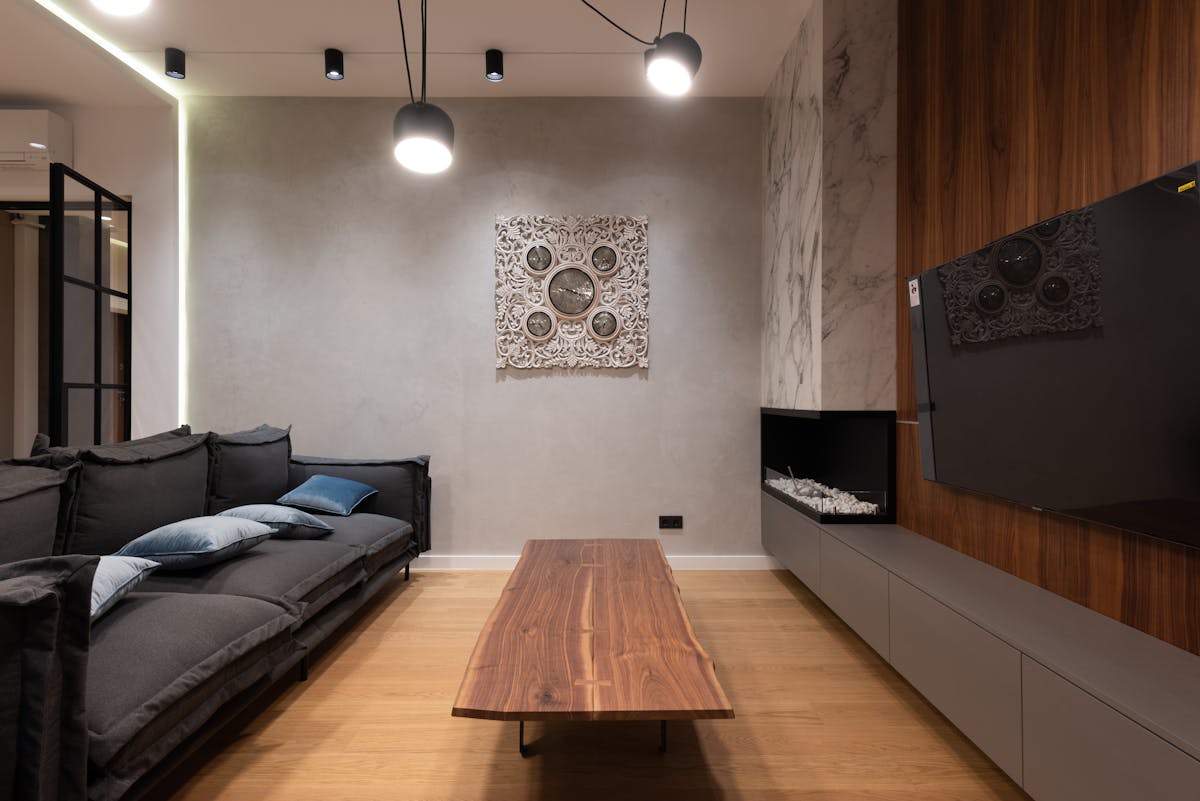
If you’re overwhelmed, start with one swap:
- Replace a basic coffee table with a lift-top version or an oversized storage ottoman.
- Mount the TV and use a slim, wall-mounted console instead of a bulky unit.
- Add a pair of nesting tables that can expand for guests, then tuck away.
Styling tip: Treat your living room like a carry-on suitcase—everything that comes in must justify the space it takes.
Go Vertical or Go Home: Using Walls Like They Pay Rent
Floor space is prime real estate; wall space is the underappreciated suburb. Current small-space trends are all about climbing the walls—in a good way.
- Ceiling-height bookcases draw the eye up, making rooms feel taller and more impressive than your actual height on your driver’s license.
- Floating shelves in living rooms and bedrooms act as mini galleries, freeing surfaces from clutter.
- DIY “built-ins” using modular cabinets (especially IKEA hacks) create that custom, expensive look on a mortal budget.
On social platforms, creators are going viral with:
- Step-by-step videos showing how to stack basic cabinets, add trim, and paint them to look fully built-in.
- Window-seat bookcase combos that turn awkward nooks into reading havens with storage under the bench.
- Wall-to-wall storage in studios that doubles as room dividers.
To try the look without a full reno:
- Group matching bookcases side by side and secure them to the wall.
- Paint them the same color as your wall to fake a built-in vibe.
- Use closed storage at the bottom, open shelves at the top for a lighter feel.
Bonus styling move: keep the top shelves minimal—think plants, larger art, or a few sculptural objects—so your “tower of storage” doesn’t feel like a tower of stress.
Bedroom Tetris: Hiding Chaos, Keeping Calm
Your bedroom should whisper “spa retreat,” not scream “laundry avalanche.” The current trend is all about visually clear surfaces with sneaky storage underneath and behind.
What’s especially hot right now:
- Platform beds with drawers or lift-up storage—mattresses on top, secret storage kingdom below.
- Under-bed storage bins with lids in matching colors for a calm, coordinated look when they inevitably peek out.
- Headboards with built-in shelves for books, glasses, and tiny plants that definitely won’t die this time.
- Wardrobes to the ceiling with upper cabinets for seasonal or “I’ll-fit-into-this-again” items.
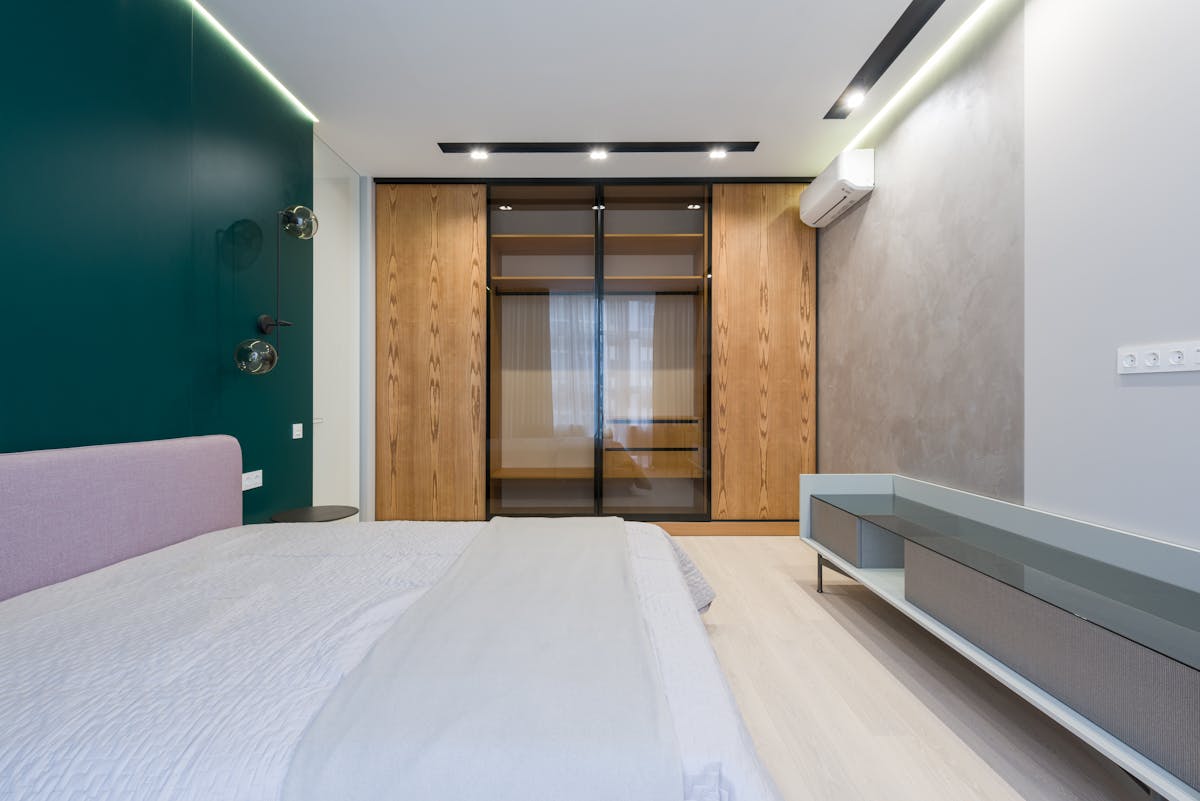
To stay aligned with minimalist home decor:
- Pick one spot for display (a dresser or a single shelf) and keep everything else almost empty.
- Use matching baskets or boxes inside closets to reduce visual noise.
- Choose a tight color palette—think 2–3 main tones—to make the room feel more spacious.
Visual clutter is loud. Smart storage is the noise-cancelling headphones of home decor.
Awkward Corners & Boss-Level Entryways
Every home has That Spot™—the weird corner, the too-narrow hallway, the “what-do-I-even-put-here” wall. Trending now: turning those misfit areas into organized MVPs.
Entryway Glow-Ups
In small apartments, the entryway is often three tiles and a dream. People are transforming that tiny zone with:
- Storage benches with flip-up seats for shoes, bags, and “panic items” (umbrellas, reusable totes, dignity).
- Wall-mounted hooks and narrow shelves to keep keys, masks, and mail off surfaces.
- Mirror + shelf combos that bounce light and give you a final “do I look like I slept?” check.
Awkward Nook Magic
Creators are winning the algorithm with:
- Desk nooks in closets—open by day as a work zone, close by night so your job doesn’t stare at you from the couch.
- Window seats with hidden storage—equal parts reading corner and blanket cave.
- Corner shelves that turn dead corners into plant perches or book stacks.
If you’re stuck, ask each awkward area: “What do I wish happened here?” Keys drop zone? Reading corner? Pet station? Let the function pick the furniture.
Renter-Friendly Wizardry: No Drills, No Drama
Landlords may not love holes in the wall, but they do not, in fact, control your storage destiny. Renter-friendly hacks are exploding online because they’re reversible, affordable, and oddly satisfying to watch in time-lapse.
- Tension-rod shelving in closets, showers, and even between walls for vertical storage.
- Adhesive hooks and strips for hanging art, organizers, and lightweight shelves.
- Collapsible and stackable bins for flexible storage that can adapt when life (or your lease) changes.
- Over-the-door racks for shoes, snacks, cleaning supplies, or beauty products.
To keep these from looking like you live in a storage catalog:
- Stick to one or two materials—like white plastic and light wood, or black metal and canvas.
- Label containers clearly but minimally; think neat fonts, simple wording.
- Hide the “ugly but essential” stuff behind doors and inside closets.
The goal: renter-friendly, not renter-frantic. Your space should still feel like a home, not a puzzle you’re constantly re-solving.
One Room, Many Careers: Zoning Without Walls
With more people working, working out, and winding down in the same four walls, multi-use rooms are the new normal. The secret? Zoning—creating clear “areas” using furniture, color, and lighting instead of construction.
Trending multi-tasking ideas:
- Sofa beds and daybeds that turn living rooms into guest rooms in a single dramatic transformation.
- Fold-out or wall-mounted desks that tuck away when it’s time to pretend your job doesn’t exist.
- Room dividers—from open bookcases to folding screens—that create privacy without blocking light.
To keep everything from blending into chaos, try:
- Using different rugs to visually mark the “living,” “working,” and “sleeping” zones.
- Giving each zone its own lighting: desk lamp, floor lamp, bedside sconce.
- Repeating 1–2 colors across zones so the room still feels unified.
Your living room can absolutely be a part-time office—as long as it’s not an all-the-time office. Being able to close a laptop, tuck it into a storage drawer, and mentally clock out is as much decor as it is self-care.
Your 5-Step “Less Clutter, More Clever” Game Plan
Feeling fired up but slightly overwhelmed? Here’s a simple process to bring all these trends home without turning your weekend into a reality-show renovation episode.
- Audit the chaos.
Walk through each room and note:- What’s always on the floor?
- What never has a consistent “home”?
- Which surfaces collect clutter the fastest?
- Assign zones.
Decide what each area of the room is for—lounging, working, sleeping, eating, or storing. - Upgrade one workhorse.
Pick a single big-impact item to replace with a multifunctional version: bed, coffee table, media unit, or wardrobe. - Go vertical.
Add at least one tall or wall-mounted solution: shelves, hooks, a bookcase, or an over-the-door organizer. - Style the “after.”
Once everything has a home, add personality on top: art, textiles, plants, candles. This is the frosting, not the cake.
And yes, take before-and-after photos. Not just for social media—though your #homeorganization content will absolutely slap—but for proof that your apartment really did have a floor once.
Small Space, Big Energy
Smart storage and multifunctional furniture aren’t about owning the “right” trendy pieces; they’re about designing a home that actually works for your real life, in all its snack-filled, Zoom-heavy, nap-prone glory.
When every item has a job and every corner has a purpose, your home stops feeling cramped and starts feeling curated. Elevated, even. Like it has a LinkedIn profile and a surprisingly impressive resume.
If your space is small, remember: that’s not a limitation, it’s a design prompt. And with hidden storage, clever furniture, and a bit of playful experimentation, you can turn your “just enough” square footage into a “wow, this is nice” kind of home.
