
Seven Live Music Adventures Worth Flying For in 2026
Seven Live Music Experiences Worth Travelling For in 2026
In 2026, some of the most exciting reasons to get on a plane won’t be beaches or museums, but basslines and brass sections. Around the globe, cities are curating live music experiences that turn whole neighbourhoods into venues – from Chicago’s International Jazz Day blowout to sleek Tokyo clubs and Helsinki’s cutting-edge concert halls. Think less “destination concert” and more “musical city break”.

What follows is a curated guide to seven live music experiences in 2026 that are worth planning a trip around – blending local culture, distinctive venues and the kind of performances that don’t translate through headphones.
International Jazz Day, Chicago, USA (30 April 2026)
Jazz is as central to Chicago’s identity as deep-dish pizza and lakefront architecture. In 2026, the city plays host to International Jazz Day, turning its storied clubs and public spaces into a day-long festival that feels like a walking tour through 20th-century music history.
Expect a mix of free outdoor concerts, intimate late-night sessions in venues like the Green Mill, and educational events that honour the genre’s roots in Black American culture. The city’s history with icons like Louis Armstrong and Nat King Cole hangs over every trumpet solo.
“Jazz has always been about dialogue – between musicians, between cultures, between generations. International Jazz Day is a way of staging that conversation on a global scale.”
For travellers, the appeal is two-fold: world-class performances and the chance to experience Chicago as a living jazz museum, from South Side community spaces to downtown theatres.

Helsinki, Finland: Symphonies, Sound Design and Northern Nights
Helsinki has quietly become one of Europe’s most interesting music cities, especially if you like your live shows with a side of avant-garde experimentation. The Helsinki Music Centre and its resident orchestras anchor a classical and contemporary scene that’s as sleek as Finnish design.
2026 is set to be a strong year for visiting conductors, film-music programmes and cross-genre collaborations that pair orchestras with electronic producers – in keeping with Finland’s reputation for bold sound design and a thriving metal scene.
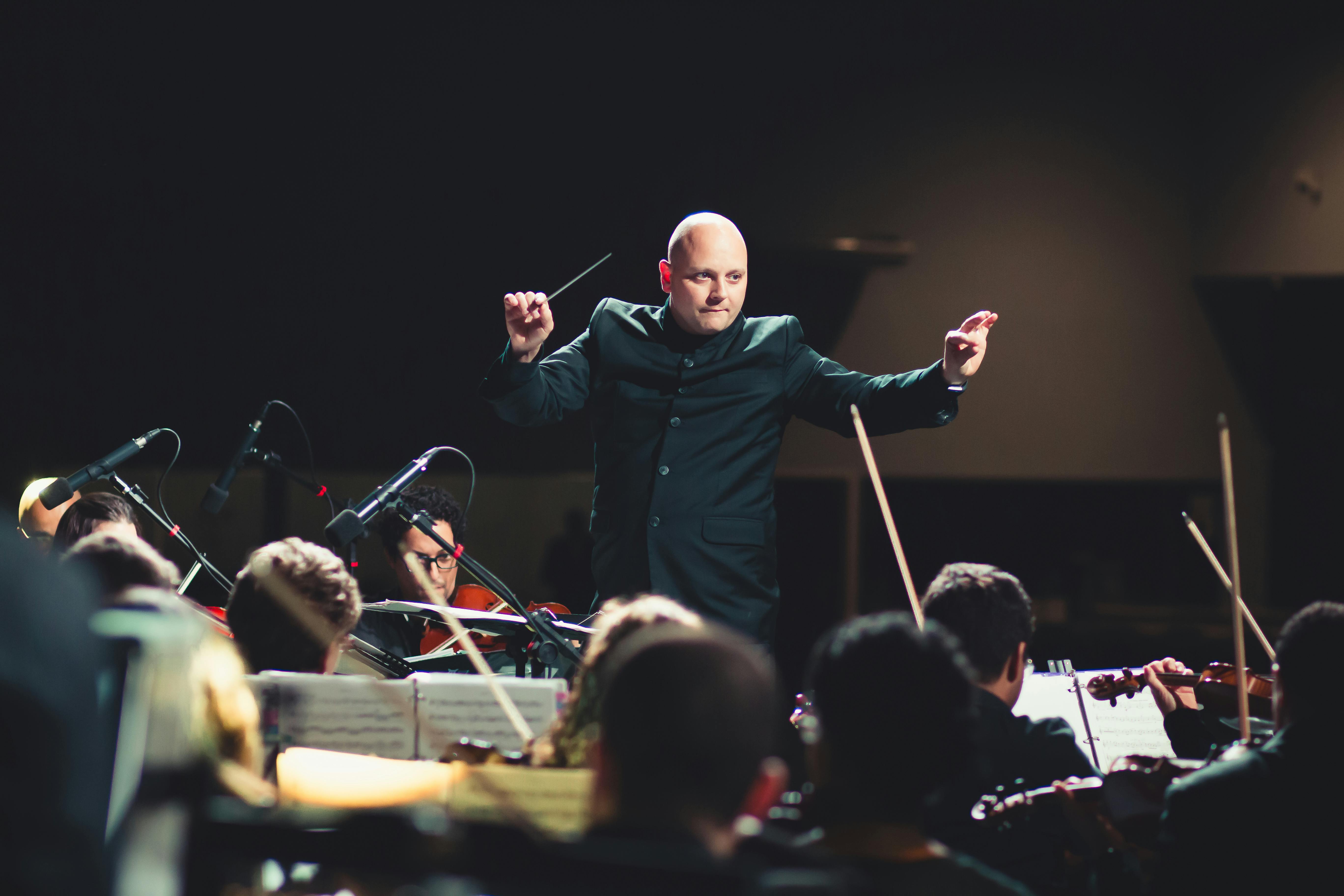
What separates Helsinki from more obvious music capitals is its atmosphere: long northern evenings, waterfront venues and an audience that’s genuinely open to risk-taking. It’s less about chasing big-name headliners and more about discovering composers you’ll be telling friends about back home.
Tokyo, Japan: Neon Clubs, Jazz Kissaten and Future Pop
Tokyo’s live music scene is a maze in the best possible way. In 2026, the city continues to juggle arena-sized J‑pop spectaculars with tiny basement clubs in Shibuya and Shimokitazawa, where you might stumble into a math-rock band, a city pop revival night or a DJ spinning obscure vinyl finds.
For jazz fans, the city’s kissaten (coffee-and-vinyl bars) and historic clubs like Blue Note Tokyo offer a completely different vibe to Chicago: precise, intimate, almost cinematic in their staging. Meanwhile, idol concerts and anime-related events show how deeply pop culture and live performance are intertwined here.
“Tokyo is one of the few cities where you can see a noise show, a jazz trio and a stadium pop concert in a single weekend – and none of them feel out of place.”

The key is to embrace serendipity: scan listings, follow local promoters on social media and be willing to walk down an unassuming stairs-only entrance that leads to your new favourite band.
European Summer Festivals: Beyond the Big-Name Headliners
By 2026, the European summer festival circuit has become a competitive ecosystem, with each event trying to stand out through more than just line-ups. Sustainability pledges, local food, and partnerships with visual artists are now as much a part of the experience as the Saturday-night headliner.
While the UK’s Glastonbury and Spain’s Primavera Sound remain bucket-list fixtures, smaller festivals across Scandinavia and Eastern Europe are drawing travellers who want a more intimate relationship with the setting – think forest clearings, lakeside stages and historic city centres.

- Cultural context: Festivals are increasingly curating local acts alongside global stars, reflecting regional identities.
- Industry insight: Post‑pandemic, many events cap attendance to improve experience and reduce strain on infrastructure.
- Trade-off: Better sound and comfort, but tickets can sell out earlier and cost more.
The Americas: From Jazz and Blues Roots to Desert Raves
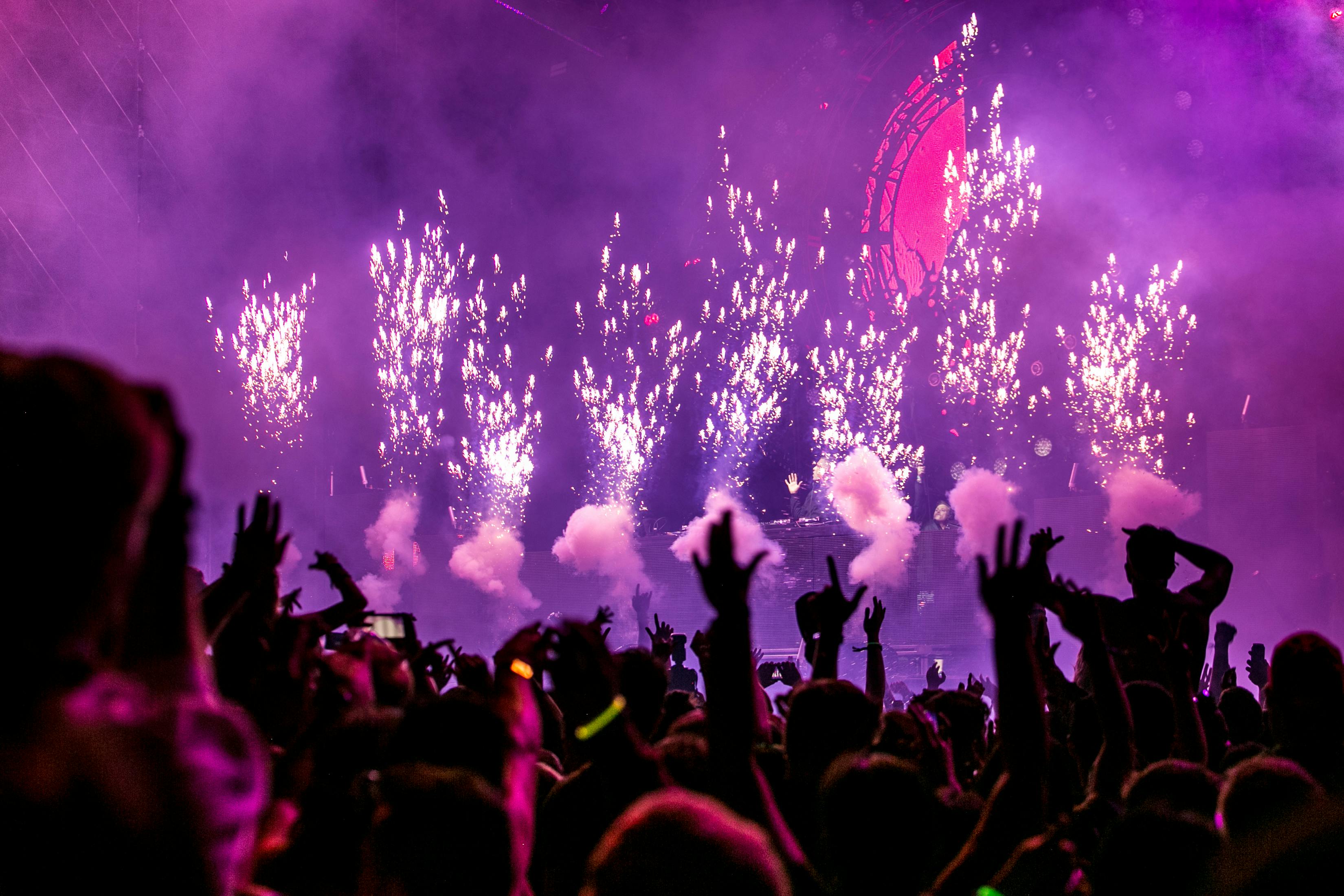
Beyond Chicago, the Americas in 2026 offer a spectrum of live music that mirrors the continent’s cultural diversity. New Orleans continues to be a pilgrimage for jazz and brass bands, while Austin’s venues keep the “live music capital” tagline honest with everything from indie rock to Tejano.
Further west, desert festivals blend electronic music with large-scale art installations, tapping into a more nomadic, digital-native crowd. The through-line is a focus on community: music as a reason to gather, not just consume.
- Strengths: Deep musical heritage, varied genres, and strong local scenes.
- Weaknesses: Rising ticket prices, travel distances and occasional overtourism pressure on smaller cities.
How to Choose a Music Trip in 2026: A Quick Checklist
With so many options, it helps to think like both a fan and a traveller. Use these questions to narrow down your 2026 music adventure.
- What’s the musical centre of gravity? Jazz in Chicago, orchestral experiments in Helsinki, genre‑hopping in Tokyo – pick a city that matches your taste.
- Do you want a festival or a “music city”? Festivals are intense and communal; city-based trips offer more flexibility and cultural depth.
- How important is comfort? Smaller venues and seated concerts can be more accessible than muddy fields and standing pits.
- What’s the cultural story? Look for events that connect music with local history, food and neighbourhoods.

Soundtracking Your 2026 Travels
Live music has always been a reason to travel, but 2026 looks set to sharpen that impulse. Whether you’re tracing the roots of jazz in Chicago, chasing experimental sounds in Helsinki or getting lost in Tokyo’s late-night venues, the best trips will treat music as a way into the city, not just a night out.
If there’s a trend tying these destinations together, it’s the shift from single “destination concerts” to broader musical destinations – places where the gig is just the starting point. Book your tickets, pack earplugs, and let your itinerary be written in setlists.
