
Seattle’s Bold Steps Toward an HIV Cure: Inside the Groundbreaking Research Changing What’s Possible
For more than four decades, HIV has been a diagnosis that changed the course of a life overnight. Thanks to modern antiretroviral therapy (ART), many people with HIV now live long, full lives—but the virus still hides in the body, waiting to reappear if treatment stops. The idea of an actual HIV cure has felt, for many, like a distant hope.
That hope is a little closer today. Two new studies, highlighted by The Seattle Times and led in part by scientists at the University of Washington (UW) and Fred Hutchinson Cancer Center (Fred Hutch), offer fresh clues about how we might one day safely clear or permanently silence HIV in the body. These are not cures yet—but they’re important steps along the path.
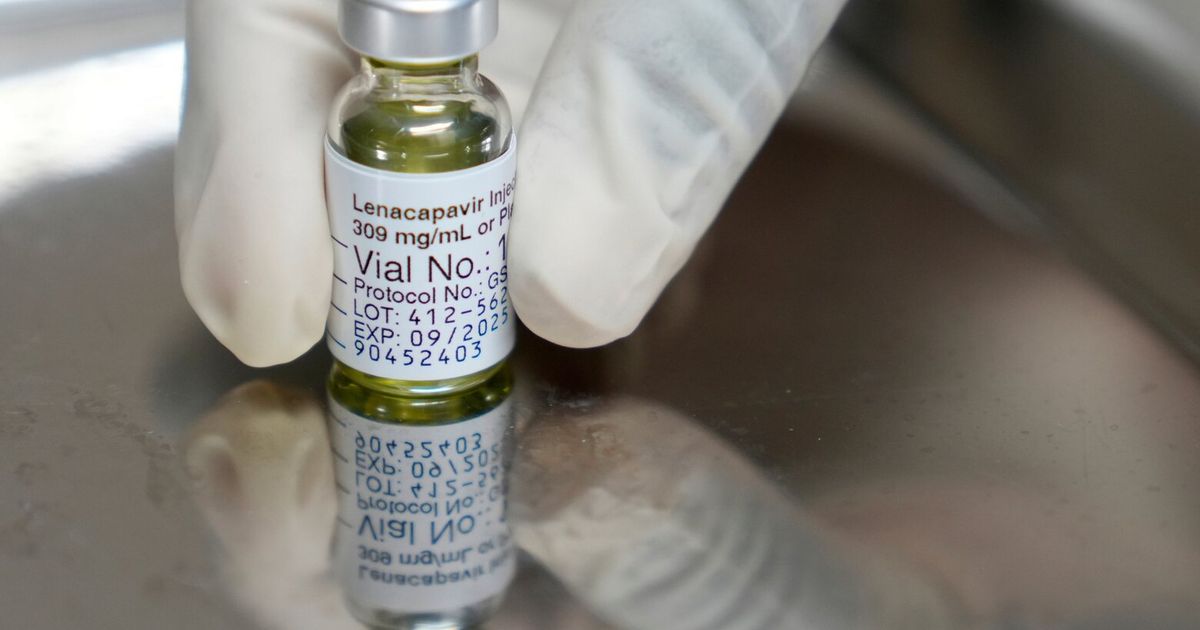
In this explainer, we’ll break down what these studies found, why Seattle’s role matters, and what this might mean for people living with HIV today—without the hype, but with real, grounded optimism.
Why HIV Is So Hard to Cure
Even with powerful HIV treatment, a complete cure has remained elusive. Understanding why helps explain why the new Seattle-linked findings are so important.
- HIV hides in “reservoirs.” After infection, HIV weaves its genetic material into the DNA of certain immune cells. These cells can go quiet (latent), forming a hidden reservoir that standard drugs can’t fully reach.
- Stopping treatment lets HIV rebound. If a person stops taking ART, these reservoir cells can “wake up,” release virus, and cause HIV levels to surge again—often within weeks.
- The immune system is exhausted. Years of chronic infection can weaken and “tire out” the immune cells that might otherwise help control or eliminate HIV-infected cells.
Most current research—including the work involving Seattle scientists—is focused on achieving this kind of long-term remission, which may be more realistic and still life-changing.
The New Studies: How Seattle Scientists Are Moving the Needle
The two studies highlighted by The Seattle Times build on years of global HIV research, and feature key contributions from teams at UW and Fred Hutch. While each study has its own design and focus, together they offer new insight into how we might one day keep HIV permanently in check.
Study 1: Understanding and Targeting the HIV Reservoir
One of the Seattle-linked studies homed in on the HIV reservoir—the collection of HIV-infected cells that persist even during effective treatment.
- Researchers used advanced genetic and immune-profiling tools to map where HIV hides and which types of cells are most likely to restart infection.
- By examining participants on long-term ART, they identified patterns that could help predict who might be a good candidate for future cure trials.
- Seattle scientists helped develop the lab methods to detect extremely low levels of virus and infected cells, which is vital for measuring whether a cure strategy is actually working.
Study 2: Training the Immune System to Control HIV
The second study explored how to help the immune system better recognize and control HIV, even without constant medication.
- Participants, under close medical supervision, tried experimental strategies that combined immune-based therapies with traditional ART.
- Some approaches aimed to “wake up” latently infected cells so they could be targeted and cleared—often described as a “kick and kill” strategy.
- Others focused on boosting HIV-specific immune responses, almost like a therapeutic vaccine designed for people who already live with HIV.
“What we’re seeing now is the payoff from decades of foundational research. Seattle’s role in building the scientific tools and trial networks is a big part of why we’re finally able to test serious cure strategies in people.”
— Infectious disease specialist involved in HIV cure trials
Importantly, these trials are still early-stage. The goal is not to give people a cure today, but to learn, step by step, what might make remission possible and safe in the future.
Why Seattle Is a Global Hub for HIV Cure Research
Seattle has quietly become one of the world’s powerhouses for HIV science. The UW and Fred Hutch teams featured in these studies are part of a larger ecosystem that includes global health organizations, community clinics, and international research networks.
- Deep scientific expertise. Fred Hutch has a long history in bone marrow transplants, immunotherapy, and virology—fields that overlap directly with HIV cure strategies.
- Strong community partnerships. Local clinics and advocacy groups work with researchers to design trials that are ethical, inclusive, and responsive to real-world needs.
- Global collaboration. Many Seattle scientists lead or participate in international HIV cure consortia, connecting local efforts to studies around the world.
What These Findings Mean for People Living With HIV Right Now
It’s natural to feel a surge of hope when you hear the phrase “HIV cure” in the news—especially if you or someone you love is living with the virus. At the same time, it can be frustrating to realize that many of these advances are still years away from everyday clinics.
Here’s what the new Seattle-linked research means today:
- Daily treatment remains essential. Antiretroviral therapy is still the standard of care. It keeps HIV under control, protects the immune system, and prevents sexual transmission when viral load is undetectable.
- Real cure strategies are being tested—carefully. These aren’t just theories on paper anymore. Human trials are underway, with rigorous safety monitoring and ethics oversight.
- Your health now supports future options. Staying engaged in care, taking medication as prescribed, and managing other health conditions keeps you a strong candidate for future therapies if and when they become available.
“Patients ask me, ‘Will there be a cure in my lifetime?’ I can’t promise that. But I can say we’re closer than we’ve ever been, and every year the science gets more precise and more hopeful.”
— Seattle-based HIV clinician-researcher
If you’re feeling a mix of hope and impatience, you’re not alone. Many long-term survivors describe the emotional whiplash of hearing about “breakthroughs” that don’t change daily life—at least not yet. It’s okay to hold both: cautious optimism and a clear-eyed view of where we are.
The Roadblocks: What Still Stands Between Us and an HIV Cure
The new studies are promising, but they also highlight why an HIV cure remains one of the toughest challenges in medicine. Researchers face several major obstacles:
- Safety first. Any cure strategy has to be safe enough to justify trying it in people who can already live long, healthy lives with current medications.
- Measuring success is hard. Even with cutting-edge tests, it’s incredibly difficult to prove that every last reservoir of HIV has been destroyed or permanently silenced.
- Equity and access. A cure that only reaches a small, wealthy subset of people would leave behind the communities most affected by HIV worldwide.
- Long timelines. Trials must run for years to see if remission truly lasts, and to monitor for late side effects.

Practical Steps: How to Protect Your Health While Cure Research Advances
While scientists in Seattle and around the world continue to unravel HIV’s secrets, there are concrete things you can do now—whether you live with HIV or want to lower your risk.
If You’re Living With HIV
- Stay on your medications. Take ART exactly as prescribed and talk openly with your provider about side effects or challenges.
- Keep your appointments. Regular labs help ensure your viral load stays undetectable and your immune system remains strong.
- Ask about clinical trials—if you’re interested. You’re never obligated to join research, but your care team can help you understand options and risks.
- Care for your whole self. Mental health support, social connection, nutrition, sleep, and exercise all matter for long-term wellbeing.
If You’re HIV-Negative and Want to Stay That Way
- Know about PrEP and PEP. Pre-exposure prophylaxis (PrEP) and post-exposure prophylaxis (PEP) are powerful, evidence-based tools to prevent HIV.
- Get tested regularly. Routine HIV and STI testing is a simple way to protect yourself and your partners.
- Fight stigma. Stigma keeps people from getting tested, starting treatment, or engaging in care. Language and attitudes matter.

Evidence and Expert Perspectives Behind the Headlines
The Seattle Times story draws on peer-reviewed work published in major scientific journals. While the exact details of these two new studies are technical, they build on a well-established body of research:
- Case reports of individuals who achieved long-term remission after complex procedures like stem cell transplants.
- Longitudinal studies of people who started treatment very early after infection and appear to control HIV better.
- Basic science showing how HIV integrates into DNA and how the immune system recognizes infected cells.
If you’d like to explore more, here are accessible, evidence-based resources:
Looking Ahead: Hope, Without False Promises
The work coming out of Seattle doesn’t mean an HIV cure is around the corner—but it does mean the field has momentum and direction. Step by step, study by study, scientists are learning how to:
- See the virus more clearly than ever before.
- Design smarter, safer strategies to flush out or silence HIV.
- Partner more closely with communities affected by HIV.
If you live with HIV, your life and health are not on pause while the science catches up. You deserve care, dignity, and thriving now—not just in some imagined future. Cure research is about expanding what’s possible, but it doesn’t define your worth or your prognosis today.
Your next step:
- If you’re in care: At your next appointment, ask your provider what they’re most excited about in HIV research right now. Use that as a doorway into an honest conversation about your long-term health.
- If you’re not yet in care or haven’t tested: Reach out to a local clinic or community organization. Getting connected is the single most powerful action you can take today.
The path to an HIV cure is long and complex—but it’s no longer theoretical. Thanks to teams in Seattle and around the world, it’s being built, piece by piece, in real time. And you have every right to follow that progress with informed, grounded hope.
