
San Francisco Takes On Big Food: What the Ultraprocessed Foods Lawsuit Means for Your Health
San Francisco’s lawsuit, filed in late 2025, targets some of the country’s most powerful food companies over their role in promoting ultraprocessed products linked to obesity, type 2 diabetes, heart disease, and other chronic conditions. City officials argue that aggressive marketing, confusing labels, and the normalization of hyper‑engineered food products have created a preventable health emergency that strains hospitals, shortens lives, and widens health inequities.
At the center of the complaint are beverages, snacks, cereals, frozen meals, and ready‑to‑eat foods packed with added sugars, refined starches, industrial oils, and a long list of additives—products that have become staples in American pantries and vending machines. Public‑health advocates are watching closely, seeing echoes of the landmark tobacco lawsuits that forced cigarette makers to change how they advertise and warn the public.
What Are Ultraprocessed Foods, Exactly?
The lawsuit leans heavily on a growing body of global research that classifies foods by their level of processing. The most widely used system, known as the NOVA classification, puts “ultraprocessed foods” in the highest category of industrial transformation.
These are not simply canned tomatoes or frozen peas. Ultraprocessed foods are formulations of ingredients—often extracted or synthesized—designed to be hyper‑palatable, shelf‑stable, and easy to overconsume.
Common traits of ultraprocessed foods
- Contain multiple additives such as emulsifiers, colorants, artificial sweeteners, or flavor enhancers.
- Use refined grains, added sugars (including high‑fructose corn syrup), and cheap industrial seed oils.
- Undergo extensive industrial processing such as extrusion, molding, or pre‑frying.
- Are marketed with intense branding, cartoon characters, and lifestyle imagery.
- Are engineered for “craveability,” making it easy to eat or drink more than intended.
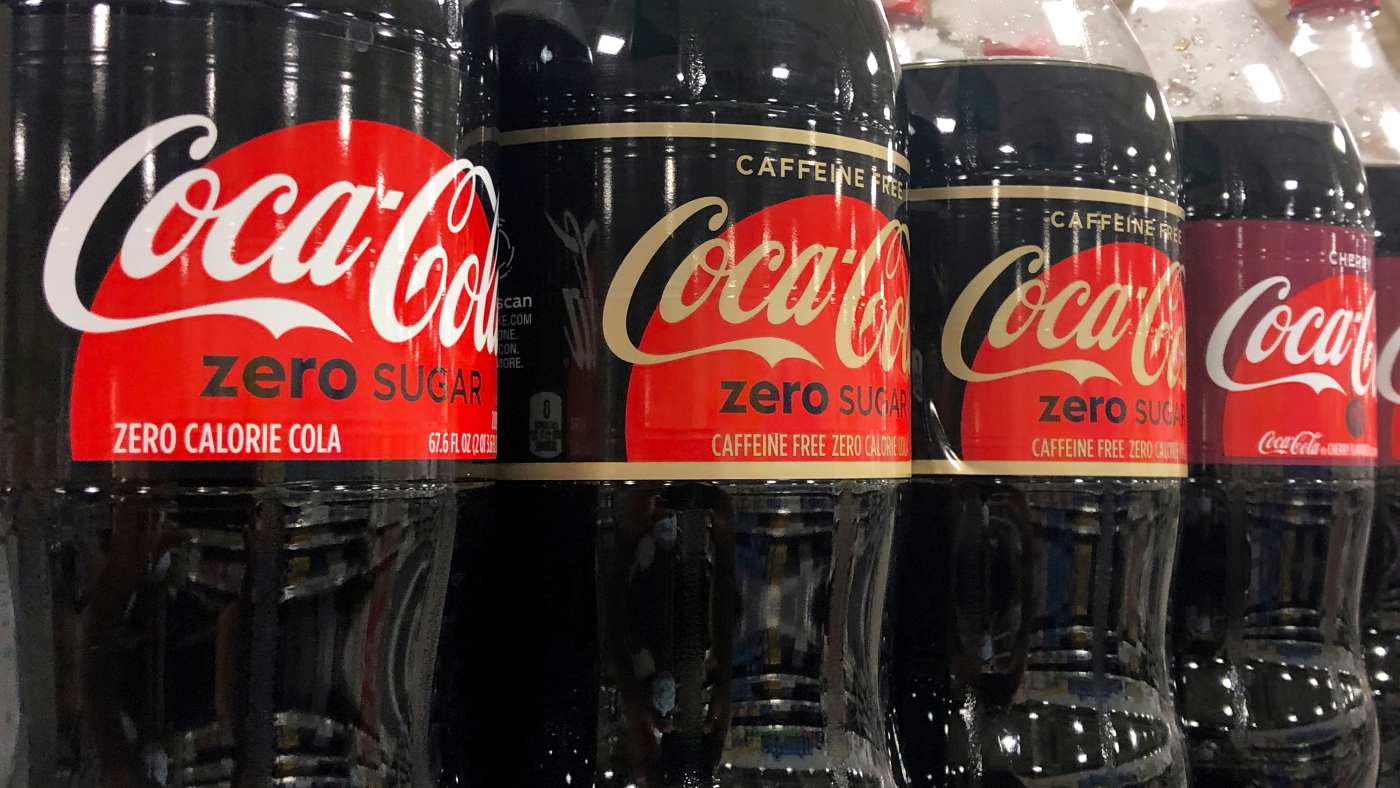
Examples include many sugary soft drinks, packaged cookies, sweetened breakfast cereals, instant noodles, flavored chips, some frozen pizzas, and many “diet” or “zero‑sugar” snacks that rely on artificial sweeteners and additives.
“In many ways, the modern diet is now dominated by edible industrial products rather than real food.”
— Dr. Carlos Monteiro, nutrition researcher and creator of the NOVA classification
Inside the San Francisco Lawsuit: What the City Is Claiming
While the full legal complaint runs dozens of pages, several core themes drive San Francisco’s case against major food manufacturers such as those behind Coca‑Cola and Nestlé‑branded products.
Key allegations
- Deceptive marketing and health claims: The suit argues that companies market ultraprocessed products as compatible with a healthy lifestyle—using terms like “smart snacking,” “energy,” or “balanced choices”—despite strong evidence linking these products to chronic disease.
- Targeting vulnerable populations: City attorneys highlight marketing directed at children, communities of color, and low‑income neighborhoods, where access to fresh foods is limited but billboards for sugary drinks and snacks are common.
- Failure to warn about health risks: Similar to historic tobacco cases, the lawsuit claims that manufacturers downplay or omit clear warnings about the risks of heavy consumption, including obesity, diabetes, and cardiovascular disease.
- Contribution to public health costs: San Francisco is seeking compensation for the billions spent on treating diseases strongly associated with long‑term intake of ultraprocessed foods and beverages.
The companies named in the lawsuit are expected to argue that their products are safe, lawful, and clearly labeled, and that individuals are responsible for their own dietary choices. Legal experts say the case may hinge on whether the court finds that marketing practices and product design meaningfully undermine informed consumer choice.
What Science Says: Health Risks of Ultraprocessed Foods
Over the past decade, evidence has rapidly accumulated showing that diets high in ultraprocessed foods are associated with worse health outcomes—even after adjusting for calories, income, and other factors.
Findings from major studies
- Weight gain and overeating: A controlled trial at the U.S. National Institutes of Health found that participants eating an ultraprocessed diet consumed about 500 more calories per day and gained weight, compared to when the same people were given minimally processed foods with similar nutrients.
- Higher risk of chronic disease: Large cohort studies in France, Spain, the U.S., and Brazil have linked high ultraprocessed intake to increased rates of obesity, type 2 diabetes, hypertension, heart disease, and some cancers.
- Mental health concerns: Emerging research suggests a relationship between heavy consumption of ultraprocessed foods and higher rates of anxiety and depression, though causality remains under investigation.
- All‑cause mortality: Several studies report that people who eat the most ultraprocessed foods have a significantly higher risk of premature death compared with those who eat the least.
“The evidence is now strong enough that policymakers should treat ultraprocessed foods as a distinct and harmful category, not just ‘junk food’ in disguise.”
— Dr. Walter Willett, Harvard T.H. Chan School of Public Health, in interviews on diet and chronic disease
These findings do not mean a single soda or packaged snack will cause disease. Instead, the concern is that when ultraprocessed foods dominate daily meals—breakfast cereals, lunch drinks, snack bars, frozen dinners—they crowd out whole foods and quietly reshape metabolism over time.
The Economic and Social Justice Angle
San Francisco’s lawsuit emphasizes that the burdens of diet‑related disease do not fall evenly. Neighborhoods with fewer supermarkets and higher living costs often rely on corner stores where ultraprocessed products dominate the shelves.
Why this is more than a personal choice debate
- Environmental pressure: Children are exposed to an enormous volume of food marketing each year, much of it for sugary drinks, fast food, and snacks.
- Price incentives: Ultraprocessed foods are often cheaper per calorie than fresh produce, making them appealing to families under financial strain.
- Time pressure: Long commutes and multiple jobs push households toward convenience foods that are quick to prepare but nutritionally poor.
- Health care costs: Public programs ultimately shoulder much of the expense for treating diet‑related illnesses, which the city argues should be factored into corporate responsibility.
By framing the issue as a matter of consumer protection and public health, San Francisco is signaling that the fight over ultraprocessed foods is not only about individual willpower, but also about how the food system is built and marketed.
Could This Case Change How America Eats?
Even if San Francisco does not win every claim, legal scholars say the lawsuit could accelerate shifts already underway in the food industry, similar to how litigation spurred reforms in tobacco and opioid markets.
Possible outcomes if the lawsuit gains traction
- Stronger front‑of‑pack labeling: Policymakers may push for warning labels on products high in added sugars, sodium, or refined carbohydrates, following models used in Chile and Mexico.
- Marketing restrictions: Regulations could tighten around advertising ultraprocessed foods to children, especially on digital platforms and in schools.
- Product reformulation: Companies might reduce added sugars, additives, and sodium, or develop more minimally processed lines to stay ahead of regulation and public pressure.
- New legal precedents: A successful case could inspire similar lawsuits from other cities and states, leading to a patchwork of settlements and policy changes.
Meanwhile, consumer awareness is likely to grow. As media coverage highlights the term “ultraprocessed,” shoppers may begin scanning ingredient lists more critically—potentially reshaping demand from the bottom up.
How to Spot Ultraprocessed Foods in Your Kitchen
Regardless of how the courts rule, individuals and families can make meaningful changes now by learning to recognize ultraprocessed products and gradually shifting toward simpler, whole‑food options.
Simple label‑reading rules
- If the ingredient list is very long (10+ items) and includes many words you wouldn’t cook with at home, it’s likely ultraprocessed.
- Look for multiple added sugars: terms like sucrose, glucose, fructose, corn syrup, maltodextrin, dextrose, cane juice, or fruit‑juice concentrates.
- Watch for emulsifiers and stabilizers like carrageenan, polysorbate 80, and mono‑ and diglycerides.
- Artificial sweeteners (e.g., aspartame, sucralose, acesulfame K) and intense flavorings often indicate ultraprocessing, even in “zero sugar” items.
A practical rule from many nutrition experts: “If it’s heavily advertised but doesn’t look like anything grown or raised in nature, it’s probably ultraprocessed.”
For a deeper dive into how food processing affects health, you can explore resources from the Harvard T.H. Chan School of Public Health and the NOVA classification summaries at FAO/WHO reports on food processing.
Practical Steps: Cutting Back Without Going Extreme
Overhauling your entire diet overnight is unrealistic for most people, especially in expensive, fast‑paced cities like San Francisco. Instead, experts recommend gradual, sustainable shifts that fit your budget and schedule.
Start with the “big hitters”
- Reduce sugary drinks first. Replace regular soda and energy drinks with water, sparkling water, or unsweetened tea. Even cutting one 20‑ounce soda a day can significantly reduce annual sugar intake.
- Swap breakfast cereal. Move from highly sweetened cereals to options with fewer ingredients and less sugar, or choose oatmeal topped with fruit and nuts.
- Upgrade snacks. Replace chips and candy bars with nuts, fresh fruit, yogurt, or whole‑grain crackers with cheese or hummus.
- Batch‑cook simple meals. Cooking a pot of beans, lentil soup, or roasted vegetables once or twice a week can reduce reliance on frozen dinners and instant noodles.
If you’re looking for tools to make scratch cooking easier, simple equipment can help. For example, a widely used programmable cooker like the Instant Pot Duo 7‑in‑1 Electric Pressure Cooker can cut cooking times dramatically for beans, grains, and stews, making whole‑food meals more realistic on weeknights.
Kids, Schools, and Family Habits
Children are among the heaviest consumers of ultraprocessed foods, often eating them at home, at school, and during extracurricular activities. The San Francisco lawsuit pays particular attention to child‑focused marketing—from cartoon mascots on cereal boxes to influencer‑driven campaigns on social media.
Strategies for families
- Reframe treats. Instead of keeping sugary snacks as daily staples, reserve them for specific occasions and talk openly with kids about “everyday foods” versus “sometimes foods.”
- Offer simple choices. Let children pick between two healthier options (e.g., apple slices or carrot sticks with dip) to give them a sense of control.
- Model behavior. Kids watch what adults drink and snack on. Replacing your own soft drinks with water may be more powerful than lengthy lectures.
- Engage schools. Many districts now have wellness councils. Parents can ask about vending options, class party guidelines, and nutrition education.
For educators and parents interested in evidence‑based guidance on school nutrition, organizations such as Marion Nestle’s Food Politics and public‑health departments regularly publish policy briefs and toolkits.
Voices from Public Health and Industry
As news of San Francisco’s lawsuit has spread, public‑health leaders, nutrition scientists, and industry representatives have all weighed in, often revealing sharply different views of responsibility and risk.
Many nutrition experts argue that ultraprocessed foods should be treated as a distinct category, with policy tools designed specifically to reduce their dominance. Some point to countries like Brazil, whose national dietary guidelines explicitly urge citizens to avoid ultraprocessed products and base meals on minimally processed foods.
“We’re not telling people they can never enjoy a cookie. We’re saying a food system built on ultraprocessed products is a recipe for chronic disease and runaway health costs.”
— Public‑health advocates commenting on litigation and food policy
Industry trade groups, in contrast, tend to emphasize personal responsibility, product choice, and voluntary reformulation. They often highlight “better‑for‑you” product lines with reduced sugar or added fiber, while opposing strong warning labels or advertising limits. How courts interpret these competing narratives could set the tone for U.S. food policy for years.
Related Resources and Further Reading
For readers who want to follow the legal and scientific developments around ultraprocessed foods, several reputable outlets and researchers regularly share updates and analysis.
- NPR Health News – Continuing coverage of public‑health lawsuits, nutrition debates, and policy changes.
- JAMA and JAMA Network Open – Peer‑reviewed research on diet‑related disease and policy interventions.
- National Library of Medicine – Reviews on ultraprocessed food intake and health outcomes
- YouTube: NIH trial on ultraprocessed diets and weight gain – Video discussions with researchers involved in controlled feeding studies.
- Public‑facing commentary from nutrition experts such as Marion Nestle on LinkedIn and Walter Willett, who frequently share insights into emerging data.
Additional Tips for Navigating a Processed Food World
Completely eliminating ultraprocessed foods is not realistic—or even necessary—for many people. Instead, aim to shift the balance so that whole or minimally processed foods make up most of what you eat, and more engineered products move to the margins.
A practical 5‑step checklist
- Audit one meal at a time. Start with breakfast and ask: “How many parts of this meal could my grandparents recognize?” Upgrade one item each week.
- Keep “rescue foods” on hand. Frozen vegetables, canned beans, whole‑grain bread, and eggs can become quick, less‑processed meals when you’re tired.
- Plan for snacks. Pre‑portion nuts, wash fruit ahead of time, and keep a water bottle nearby to reduce impulse purchases of packaged snacks and drinks.
- Use social media wisely. Follow dietitians and public‑health professionals who share evidence‑based tips, and mute content that normalizes constant junk‑food consumption.
- Watch your environment. What’s on your counter or desk is what you’ll reach for. Making water and whole foods visible—and stashing ultraprocessed snacks out of sight—can subtly shift habits.
As San Francisco’s lawsuit moves through the courts, more documents, expert testimony, and internal industry communications are likely to surface. For readers, that means a rare window into how everyday foods are formulated, marketed, and defended. Staying informed—and making small, consistent changes at home—can help you benefit from that information long before any legal verdict is reached.
