
San Francisco Giants Step Into the Spotlight with Bold Curran Theatre Purchase
San Francisco Giants Buy the Historic Curran Theatre: What This Power Move Really Means
The San Francisco Giants have purchased the historic Curran Theatre in downtown San Francisco, a deal that quietly turns a baseball franchise into an even more serious player in the live entertainment business and rewrites the script for how teams think about venues, culture, and real estate in a rapidly changing city.
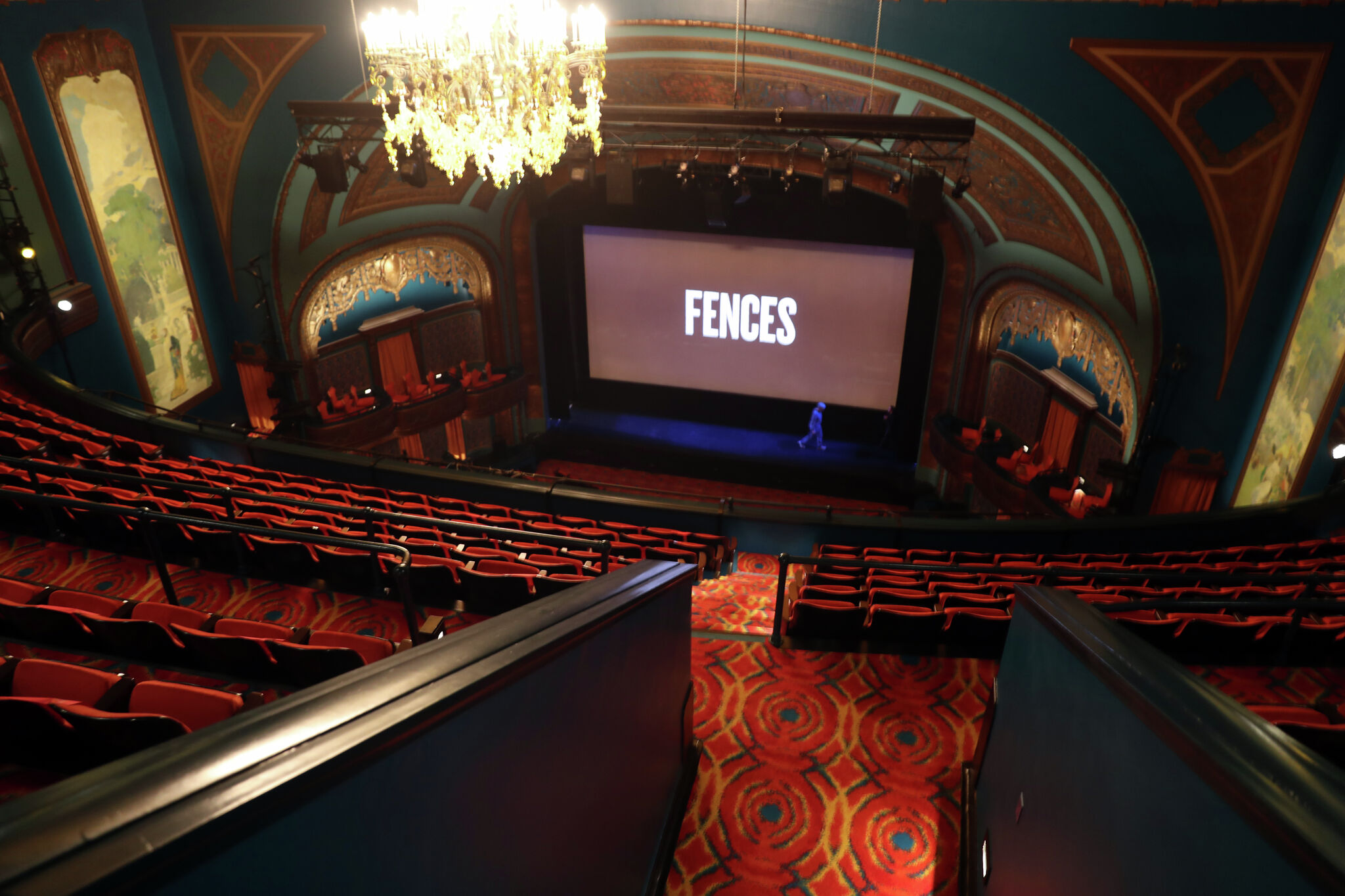
Speaking to the San Francisco Chronicle, Giants president and CEO Larry Baer framed the move with a pointed mission statement:
“We’re in the live entertainment business.”
That line is more than a catchy pull quote; it’s a thesis statement for how modern sports brands see themselves in 2025: not just as teams, but as full-fledged entertainment ecosystems.
Why the Curran Theatre Matters So Much to San Francisco Culture
The Curran isn’t just any theater; it’s one of San Francisco’s crown jewels. Opened in 1922, the venue has long served as the city’s key Broadway touring house, a stage where everything from blockbuster musicals to daring new work has passed through before or after New York runs. In a city where cultural institutions have been buffeted by tech money, high rents, and pandemic aftershocks, the Curran has often felt like a stubbornly glamorous holdout.
Under producer Carole Shorenstein Hays, the theater developed a reputation for prestige bookings and high production values. The Curran’s 2017 renovation refreshed the space, preserving its historic charm while modernizing its technical infrastructure—essentially future-proofing a century-old building for the next era of live performance.
In that context, the theater’s sale was always going to be symbolic. The surprise is not that a major player stepped in—it’s that the player is a Major League Baseball franchise.
From Ballpark to Broadway: The Giants’ Entertainment Strategy
If you’ve followed the Giants over the past decade, this move doesn’t come out of nowhere. The organization has treated Oracle Park as a year-round destination: concerts, film nights, corporate events, even non-baseball sports. The Curran acquisition extends that philosophy from the waterfront to the theater district.
Baer’s “live entertainment business” line puts the Giants in the same strategic bucket as teams like the Los Angeles Dodgers and New York Yankees, who have significant real-estate and media holdings. But the Curran is different from building another mixed-use complex; it’s an existing cultural landmark with its own audience, history, and expectations.
Strategically, the move checks several boxes:
- Brand expansion: The Giants name now travels beyond sports sections into arts and culture coverage.
- Revenue diversification: Theater and special events buffer the volatility of gate receipts and on-field performance.
- Urban presence: The team now has a second major footprint in the city’s core, tying their brand even closer to San Francisco’s identity.
What This Means for San Francisco Theater and Local Audiences
The purchase raises the question every theatergoer is already asking: will the Curran stay a serious stage, or morph into another corporate event box? The Giants, at least publicly, are leaning hard on the former scenario—positioning themselves as stewards rather than disruptors.
In practice, several outcomes feel likely:
- Continued Broadway-caliber programming to preserve the Curran’s brand and attract both tourists and locals.
- Cross-promotion with the Giants fan base—think ticket bundles, subscriber perks, or themed nights that merge baseball and theater audiences.
- New event formats such as live podcasts, comedy specials, sports storytelling nights, or film premieres that play into the team’s media relationships.
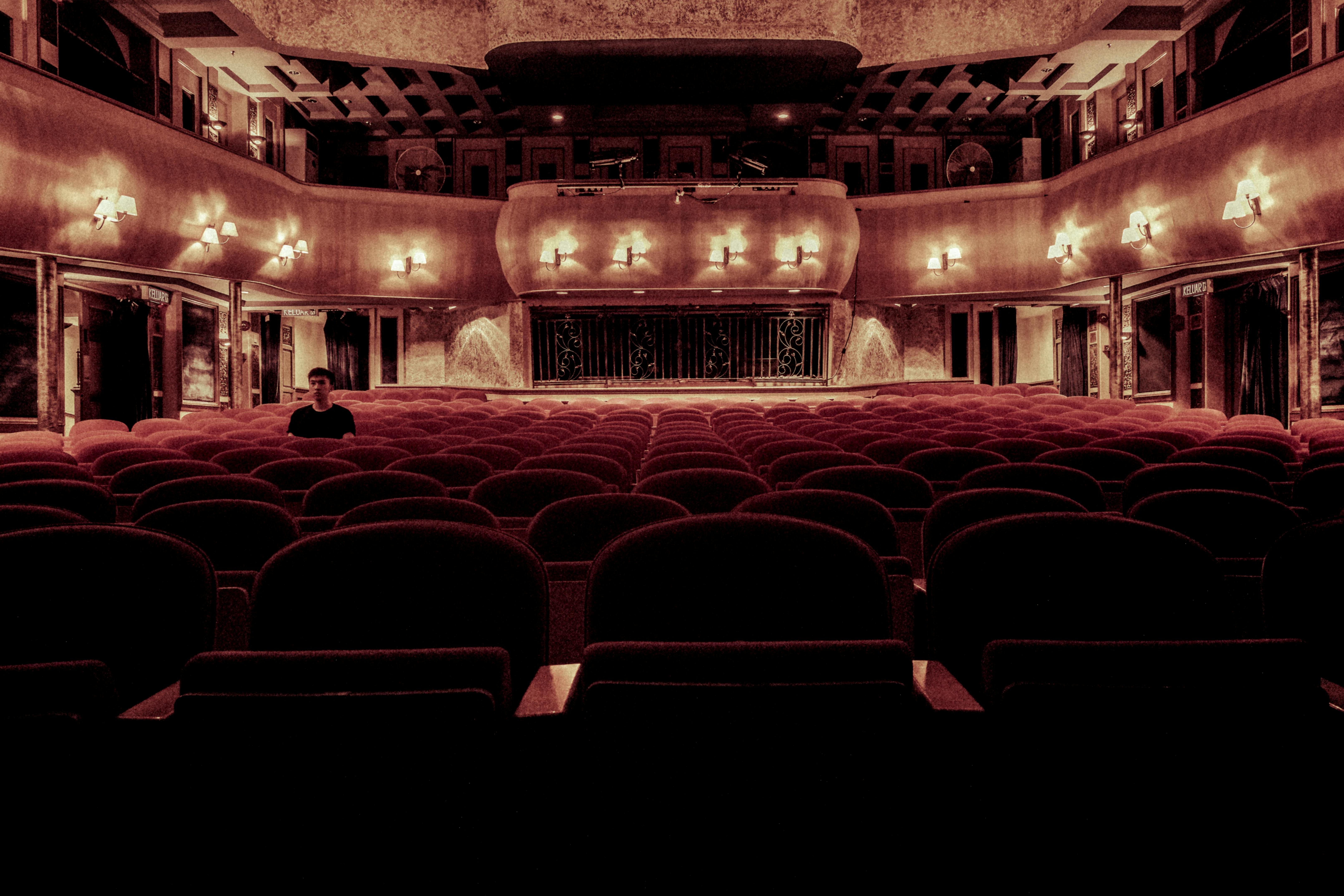
For San Francisco’s theater ecosystem, the best-case scenario is that the Giants’ marketing muscle and financial resources stabilize a premier venue at a time when many arts organizations are still rebuilding post-pandemic. The worst case is that the schedule gradually tilts away from riskier or artistically ambitious shows toward safer, more brand-aligned programming.
The Real Estate Play: Downtown San Francisco’s Shifting Stage
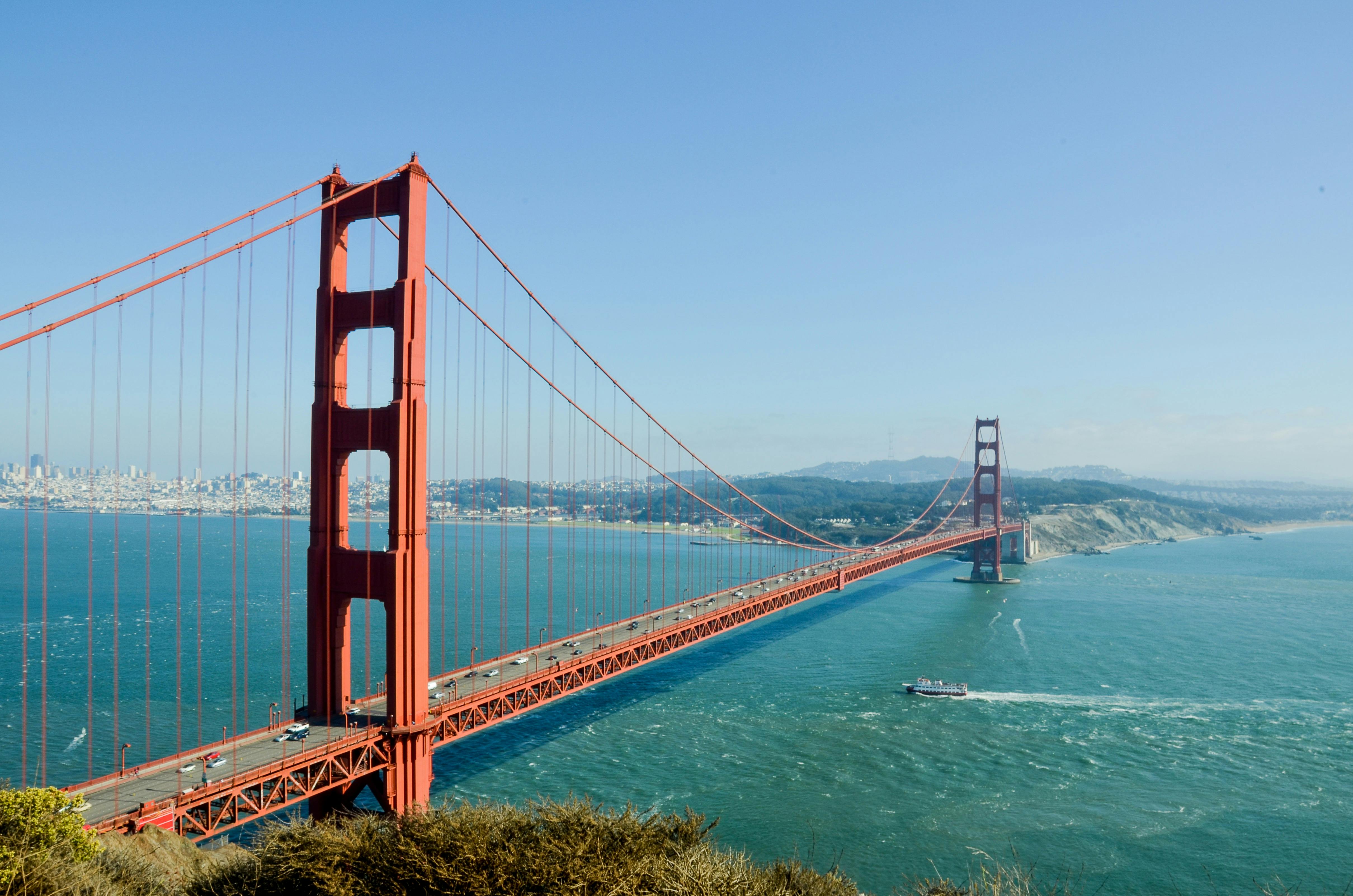
Beyond the theater and team logos, this is also a classic San Francisco real-estate story. Downtown has been wrestling with office vacancies, shifting foot traffic, and a stubbornly slow post-pandemic recovery. A high-profile institution like the Giants planting a flag near Union Square is a vote of confidence at a time when the headlines haven’t been kind.
Owning a marquee venue in that corridor:
- Gives the Giants leverage in cross-district tourism and event planning.
- Positions them as stakeholders in conversations about downtown revitalization.
- Opens doors for partnerships with hotels, restaurants, and nearby retailers.
It’s also the kind of long-horizon bet that sports organizations, with generational fan bases and comparatively stable ownership structures, are uniquely positioned to make. While tech companies pivot or downsize, a baseball team that’s been around since 1883 can think in decades, not quarters.
Culture Clash or Culture Crossover? Giants Fans Meet Theater Kids
On paper, die-hard baseball fans and devoted theatergoers can look like different species. But in practice, both worlds revolve around ritual, storytelling, and a certain love of spectacle. The Giants’ move could accelerate a cultural crossover that’s already been quietly happening: sports documentaries premiering at festivals, athletes co-producing Broadway shows, and arenas hosting touring musicals.
The fun question is what kind of programming could emerge from this fusion:
- A Giants-branded documentary or docu-theater piece about San Francisco sports history.
- Speaker series with players, managers, and local artists discussing resilience, performance, and pressure.
- Music and comedy festivals that turn Oracle Park and the Curran into a coordinated entertainment weekend.

The risk is that the venue becomes over-branded, more corporate than cultural. The opportunity is that it becomes a genuine bridge—bringing new audiences to theater who might otherwise never set foot inside a historic house like the Curran.
Strengths, Concerns, and What to Watch Next
Any time a major cultural space changes hands, skepticism is healthy. The Giants’ Curran acquisition comes with real upside—and equally real questions.
Potential Strengths
- Financial stability for a historic venue.
- Access to a huge existing fan and marketing base.
- Opportunities for innovative programming and crossovers.
- Symbolic commitment to downtown’s cultural life.
Key Concerns
- Possible drift toward safer, more commercial programming.
- Risk of sidelining local or experimental work.
- Over-corporatization of a beloved historic space.
- How much creative control theater professionals will retain.
The real verdict will play out not in press releases but on the calendar. Look at what gets booked over the next 2–3 seasons: Are there still artistically ambitious shows? Are local artists and companies visible? Are there community-facing programs, or only high-dollar touring events and branded specials?
Curtain Call: A New Era for the Giants, the Curran, and the City
The San Francisco Giants buying the Curran Theatre is more than an eye-catching headline; it’s a sign of where sports, entertainment, and cities are headed. Teams are no longer just tenants in stadiums—they’re landlords, programmers, and cultural brokers. Historic venues are no longer just stages—they’re strategic assets in the fight for attention and foot traffic.
If the Giants can honor the Curran’s legacy while embracing the “live entertainment business” future Baer describes, San Francisco could end up with something rare: a crossover between sports and theater that doesn’t dilute either, but makes the city’s cultural life feel a little more connected. For now, the house lights are dimming, the overture is starting, and everyone—from season-ticket holders to season subscribers—will be watching to see how the first act plays out.
