
Remembering Sophie Kinsella: How the ‘Shopaholic’ Author Rewrote Modern Chick Lit
Sophie Kinsella (1969–2025): How the ‘Shopaholic’ Author Changed Modern Romantic Comedy
Sophie Kinsella, the bestselling British author whose razor‑sharp, fizzy Shopaholic novels helped define 21st‑century romantic comedy fiction, has died aged 55 after being diagnosed with glioblastoma, an aggressive form of brain cancer. Her death is not only a loss for millions of readers who grew up with Becky Bloomwood, but for a whole corner of pop culture that learned to take “chick lit” seriously while still allowing it to be unapologetically fun.
Kinsella’s passing, reported by the BBC and confirmed by her family, closes the chapter on a career that stretched from 1990s finance journalism to international book tours, Hollywood adaptations and a generation of writers who owe her a creative debt.
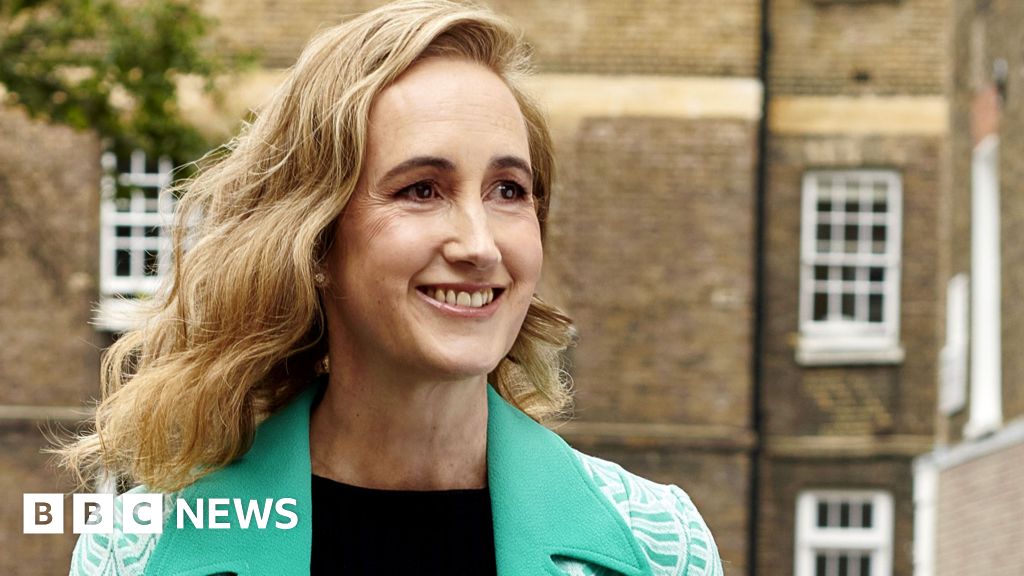
From Financial Journalist to Global Bestseller
Long before Becky Bloomwood was dodging debt collectors in designer shoes, Sophie Kinsella was Madeleine Wickham, a financially literate Oxford graduate working as a financial journalist. That detail always amused fans: the woman who anatomised overspending for a living also became the woman who turned compulsive shopping into a comic art form.
She published her first novels under her real name in the mid‑1990s, but global fame arrived with the 2000 release of Confessions of a Shopaholic, the first book published under the pen name Sophie Kinsella. The novel’s blend of slapstick situations, inner monologue and genuine vulnerability landed at exactly the right cultural moment—post‑Sex and the City, pre‑social‑media, when consumerism was both joke and aspiration.

“She had that rare ability to write books that felt like talking to your funniest friend, while quietly saying something sharper about money, class and self‑worth.”
Across more than a dozen Kinsella‑branded titles, including stand‑alone hits like Can You Keep a Secret? and Remember Me?, her signature style remained remarkably consistent: breezy prose, escalating misunderstandings, and an undercurrent of emotional reckoning that kept the books from collapsing into pure fluff.
Becky Bloomwood and the Cultural Power of the Shopaholic Series
The Shopaholic books, centred on financial journalist‑turned‑spendaholic Becky Bloomwood, were Kinsella’s creative lodestar. Beginning with Confessions of a Shopaholic, the series followed Becky through careers, credit catastrophes, marriage, motherhood and transatlantic moves, all while she tried—and often failed—to curb her spending.
On the surface, Becky is a comic exaggeration of consumer culture: she rationalises every purchase, dodges bills, and daydreams about designer labels. But Kinsella smartly rooted those gags in something more universal: the gap between who we think we should be and who we actually are, especially under the pressures of money, class and appearance.

In an era when “chick lit” was often dismissed as disposable, Becky Bloomwood became a pop‑culture touchstone. She stood alongside Bridget Jones as one of the great modern rom‑com heroines—messy, self‑sabotaging, but relentlessly hopeful. And as personal finance and debt became more openly discussed topics in the 2000s and 2010s, the books’ depiction of money anxiety and aspirational living felt increasingly on‑point.
- Relatable chaos: Readers recognised their own small financial follies in Becky’s grand disasters.
- Global reach: Translated into multiple languages, the books sold millions worldwide.
- Cross‑media life: The series spawned film adaptations, audiobooks, and endless fan discussions online.
Page to Screen: Confessions of a Shopaholic and the Hollywood Treatment
In 2009, Kinsella’s work made the inevitable leap to Hollywood with Confessions of a Shopaholic, directed by P.J. Hogan and starring Isla Fisher as Becky Bloomwood. The film relocated Becky from London to New York and amped up the visual glamour—think candy‑coloured wardrobes, glossy magazine offices, and swooping shots of credit‑card‑funded excess.
Critics were divided: some felt the film flattened Becky into a fashion‑obsessed caricature, while others praised Fisher’s effervescent performance. But for many readers, the adaptation was less about fidelity and more about seeing a beloved character step off the page.
“Isla Fisher nails that particular mix of chaos and charm that made Becky a phenomenon, even when the script streamlines Kinsella’s more nuanced take on money and identity.”
The movie’s enduring life on streaming platforms has quietly introduced younger audiences to Kinsella’s universe, often sending them back to the source material. In the long view, the film sits nicely alongside adaptations of Bridget Jones’s Diary and The Devil Wears Prada as key texts in the 2000s “career girl rom‑com” canon.
Glioblastoma, Illness, and the Grace of a Public Goodbye
The BBC reports that Sophie Kinsella had been diagnosed with glioblastoma, a particularly aggressive form of brain cancer. In recent years, she had shared aspects of her diagnosis and treatment, joining a growing group of public figures who choose to talk openly about serious illness rather than vanish from view.
That transparency matters. Glioblastoma has a poor prognosis and limited treatment options, and awareness often spikes only when a well‑known figure is affected. Kinsella’s decision to continue writing, engaging with readers, and allowing her illness to be reported reframed her public persona: not just as the queen of light‑hearted romantic comedy, but as someone facing something unimaginably heavy with remarkable composure.

While details of her final months remain private, the outpouring of tributes from fans and fellow authors paints a consistent picture: a writer whose work made people feel seen at their most chaotic and comforted at their lowest.
A Legacy Beyond “Guilty Pleasure” Reads
It’s tempting to call Kinsella’s novels “guilty pleasures,” but that label feels outdated now. In the last decade, there’s been a critical re‑evaluation of commercial women’s fiction, with more attention paid to how these books quietly map work, money, friendship, and mental health. Kinsella was ahead of that curve, smuggling serious themes into fizzy plots long before it was fashionable.

- Genre influence: She helped cement contemporary rom‑com fiction as a major publishing force.
- Reader loyalty: Fans often cite her books as “gateway reads” back into a lapsed reading habit.
- Cross‑generational appeal: From adult rom‑coms to YA titles, she reached readers at different life stages.
If Helen Fielding’s Bridget Jones helped shape the 1990s single‑girl narrative, Sophie Kinsella’s Becky Bloomwood translated that energy for the era of fast fashion, lifestyle branding and credit cards. Together, they redrew the map of what romantic comedy on the page could look like.
Where to Start: A Reader’s Guide to Honouring Sophie Kinsella
For those discovering Kinsella for the first time—or returning in tribute—her catalogue can feel surprisingly extensive. A few entry points stand out, depending on what you’re in the mood for.
- Classic Kinsella chaos: Confessions of a Shopaholic remains the definitive starting point if you want pure Becky Bloomwood energy.
- Stand‑alone rom‑com: Can You Keep a Secret? is often cited by fans as her tightest, most consistently funny novel.
- A more reflective tone: Remember Me? leans more into questions of identity and reinvention while keeping the jokes coming.
- For younger readers: Her YA novels, such as Finding Audrey, tackle anxiety and adolescence with the same warmth and wit.
However you approach her work, it’s worth doing what Kinsella always did best: let yourself laugh first, and then notice the sharper truths lurking in the background. Her novels invite you to do both without apology.
After the Last Page: How Sophie Kinsella’s Stories Will Live On
Sophie Kinsella’s death at 55 is undeniably too soon. But her impact is unusually easy to trace: in dog‑eared paperbacks passed between friends, in the writers who cite her as an influence, and in readers who say her books got them through exams, break‑ups, pregnancies, or simply long, lonely commutes.
In the broader history of popular fiction, she’ll be remembered as one of the key architects of modern romantic comedy on the page—a writer who refused to choose between comedy and sincerity, who trusted that readers could handle both designer handbags and difficult feelings in the same chapter.
The best way to honour that legacy is simple: pick up one of her books, meet Becky or Emma or Lexi all over again, and let them make you laugh at your own foibles. Somewhere between the receipts, the credit‑card bills and the happy endings, you can still hear Sophie Kinsella’s voice—wry, warm, and wonderfully hard to forget.
