
Raul Malo’s Golden Voice Silenced: Remembering the Mavericks’ Genre-Defying Maestro
Raul Malo, Golden-Voiced ‘Maestro’ of the Mavericks, Dead at 60
Raul Malo, the golden-voiced frontman and co-founder of the Mavericks, has died at age 60, leaving behind a singular legacy that bridged country, rock, and Latin music with operatic power and effortless charm. His death, confirmed by a representative for the Mavericks, closes the chapter on one of Americana’s most versatile vocalists and a band that stubbornly refused to color inside genre lines.

News of Malo’s passing has rippled across Nashville, the Americana scene, and Latin music circles, where he was revered not only for his baritone “big enough for Broadway” but for how he made genre borders feel almost quaint. If you’ve ever slow-danced to “Dance the Night Away” at a wedding or discovered country via a Mavericks record in a used CD bin, this one hits hard.
From Miami Son to Mavericks Frontman: A Brief Background
Born in Miami to Cuban parents, Raul Malo grew up absorbing a soundtrack that made perfect sense in South Florida but looked radical on a Nashville stage: classic country, Cuban boleros, 1950s rock & roll, crooners, and mariachi-flavored pop. That mélange became the Mavericks’ secret sauce when the band formed in the late 1980s and broke nationally in the early 1990s.
Signed to MCA Nashville, the Mavericks arrived just as country radio was polishing itself into the Shania–Garth era. Malo and company were something else entirely—retro yet futuristic, reverent yet cheeky, mixing Orbison drama with Tex-Mex brass and dance-hall swing.
Malo’s Cuban heritage wasn’t a branding exercise; it was the core of how he heard music. That multicultural lens made the Mavericks an early blueprint for what we now casually call “genre-fluid” or Americana—long before playlists caught up.
The Golden Voice: Why Raul Malo Was Different

Even in a city full of ringers, Raul Malo’s voice was unmistakable. Critics reflexively reached for Roy Orbison comparisons, and they weren’t wrong: Malo’s tenor could soar into a heady vibrato one second and plunge into a smoky baritone the next, all with operatic precision.
“I never wanted to sing just country or just rock,” Malo once said. “I wanted it to feel like the records I grew up with in Miami—where you’d hear Ray Price and Celia Cruz on the same station.”
What made him stand out wasn’t just range, but intent. Malo treated Mavericks songs like mini telenovelas—big feelings, no apologies. In an era where country vocal production leaned toward clean lines and restraint, he brought a messy, gorgeous maximalism that felt closer to opera and bolero than Music Row orthodoxy.
- Operatic reach: Sustained high notes that felt theatrical but never cartoonish.
- Emotional elasticity: Able to pivot from playful to devastating within a verse.
- Multilingual ease: Comfortable slipping between English and Spanish phrasing, giving even English-only songs a Latin rhythmic undertow.
The Mavericks’ Genre-Defying Legacy

Calling the Mavericks a “country-rock band” always felt like a half-truth. Yes, they charted country hits and won a Grammy in the genre, but their records smuggled in Tejano horns, rockabilly slap, lounge-pop strings, and even touches of ska and surf guitar.
A quick look at their standout tracks underlines how far they colored outside Nashville’s lines:
- “What a Crying Shame” – Classic heartbreak with Orbison-grade drama and Malo’s towering vocal.
- “All You Ever Do Is Bring Me Down” – A Tex-Mex barnburner that turned norteño accents into mainstream country earworms.
- “Dance the Night Away” – A global hit in the U.K. and beyond; part country, part Latin pop, part beach bar anthem.
- “Here Comes the Rain” – Country balladry with a cinematic, almost noir sense of scale.
In retrospect, the Mavericks previewed the streaming-era mindset: ignore radio formatting, follow the song. Today’s cross-pollinated acts—from Kacey Musgraves to Orville Peck and a wave of Americana artists with Latin roots—operate in a world Malo helped make hospitable.
Beyond the Band: Raul Malo’s Solo Work and Collaborations
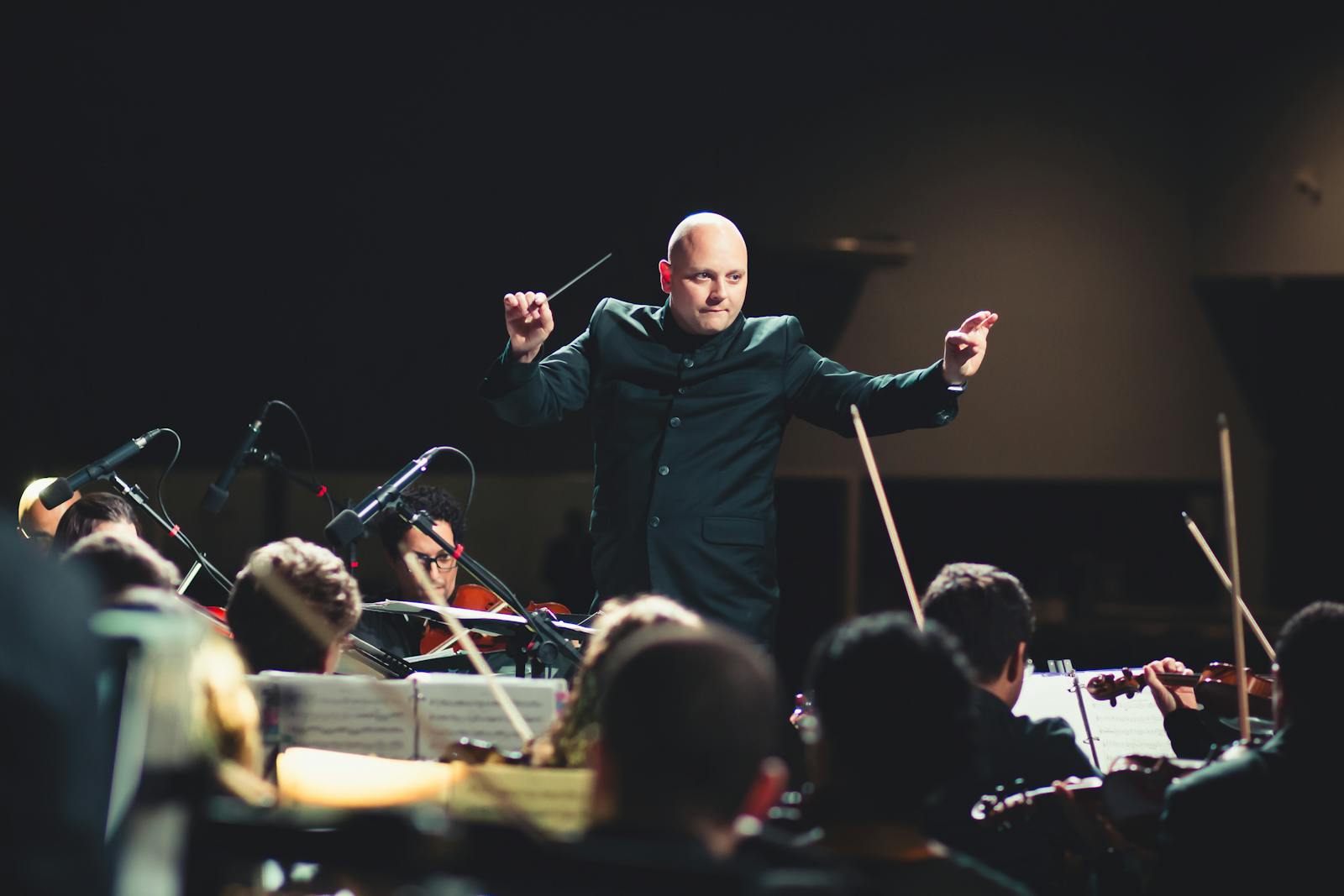
Whenever the Mavericks went on hiatus or took a stylistic curve, Malo treated his solo career as a laboratory. He leaned harder into vintage pop, Latin balladry, and crooner-style arrangements, often sounding like a 21st-century bridge between Roy Orbison and a Havana nightclub band.
His collaborations were equally telling: guest spots with roots musicians, appearances at Americana festivals, and cross-genre studio projects that made it clear other artists regarded him as a “singer’s singer.” Even when the spotlight narrowed, his reputation inside the industry stayed enormous.
“If you’re a vocalist and you stand next to Raul onstage, you either step up your game or you go home,” one fellow Americana artist joked in an interview, half in awe, half in fear.
Commercially, not every side project landed with mainstream audiences, but that was never really the point. Malo seemed most content when he could chase whatever sound matched the song, unconcerned with whether it fit neatly on a playlist labeled “country” or “Latin.”
Cultural Impact: Latin Roots in the Heart of Americana

Before the streaming economy turned “Latin crossover” into its own marketing category, the Mavericks were quietly doing it on the ground, gig by gig. Malo’s presence as a Cuban-American bandleader in the country space undermined lazy stereotypes about who “belongs” in Nashville and what country could sound like.
His legacy sits comfortably alongside other border-walkers like Los Lobos, Linda Ronstadt, and later, acts that would blend Tex-Mex, country, and rock into their own Americana variations. The difference is that Malo did it while leaning all the way into big-band theatrics; subtlety was not the point.
In a cultural moment where representation is scrutinized and celebrated in equal measure, his story reads almost like a prototype: an immigrant family, a kid raised on mixed-heritage radio, and an artist who insisted that the music he loved could share the same stage—and the same song.
Strengths, Blind Spots, and the Limits of Genre Anarchy
It’s tempting in the aftermath of a loss to airbrush any rough edges, but part of what made Raul Malo and the Mavericks compelling was their refusal to always play it safe. That same instinct occasionally worked against them.
- Strength: A live show that felt like a cross between a Texas dance hall and a Vegas revue—horns, lights, and a frontman who could belt for days.
- Strength: A catalog that aged unusually well because it was never tied too tightly to ’90s radio trends.
- Weakness: Records that, at times, flirted with over-arrangement, where studio sheen threatened to crowd Malo’s voice.
- Weakness: A tendency to slip between so many styles that casual listeners struggled to know where, exactly, to file the band.
That last point is almost ironic: the same boundary-breaking that now looks visionary probably cost them some commercial momentum along the way. In an era when radio programmers wanted predictable lanes, Malo insisted on building a musical roundabout.
“We were always too country for pop and too weird for country,” Malo once quipped. “But that’s okay. The people who found us really found us.”
Where to Start: Essential Raul Malo and Mavericks Listening
For those wanting to dive deeper—or revisit with fresh ears—here’s a concise roadmap that captures Malo’s range as a singer and bandleader:
- Album: What a Crying Shame – The breakthrough; essential for understanding how the band slipped into 1990s country while sounding like they beamed in from another era.
- Album: Music for All Occasions – A title that now feels like a mission statement: swing, torch songs, and twang sharing the same space.
- Track: “Dance the Night Away” – Their global calling card; if you only know one Mavericks song, it’s probably this, and Malo wrings every ounce of joy out of it.
- Solo work: Seek out his solo covers of classic standards – The settings are more restrained, letting his phrasing and control sit in the foreground.

For more detailed discography information and credits, see the Mavericks’ and Raul Malo’s pages on IMDb, the AllMusic Guide, and official streaming-service bios, which trace his evolution across decades.
A Voice That Lingers: Raul Malo’s Enduring Legacy
The death of Raul Malo at 60 feels especially abrupt because his voice always sounded ageless—rooted in mid-century romance yet oddly future-proof. In an industry that often rewards either strict tradition or trend-chasing, he carved out a third path: maximal, borderless, stubbornly romantic.
Going forward, you can expect his name to surface in the origin stories of younger artists who grew up hearing him smuggle Latin rhythms, old-school pop drama, and full-throated singing into a country framework. As Americana and Latin music continue to overlap in new ways, Malo’s work with the Mavericks will look less like an outlier and more like an early blueprint.
For fans, the assignment is simple: put on a Mavericks record, turn it up indecently loud, and let that still-astonishing voice fill the room. Few singers could make heartbreak sound so thrilling, or joy sound so earned. Raul Malo may be gone, but the echo he leaves behind—brassy, borderless, and unapologetically big—isn’t fading anytime soon.
