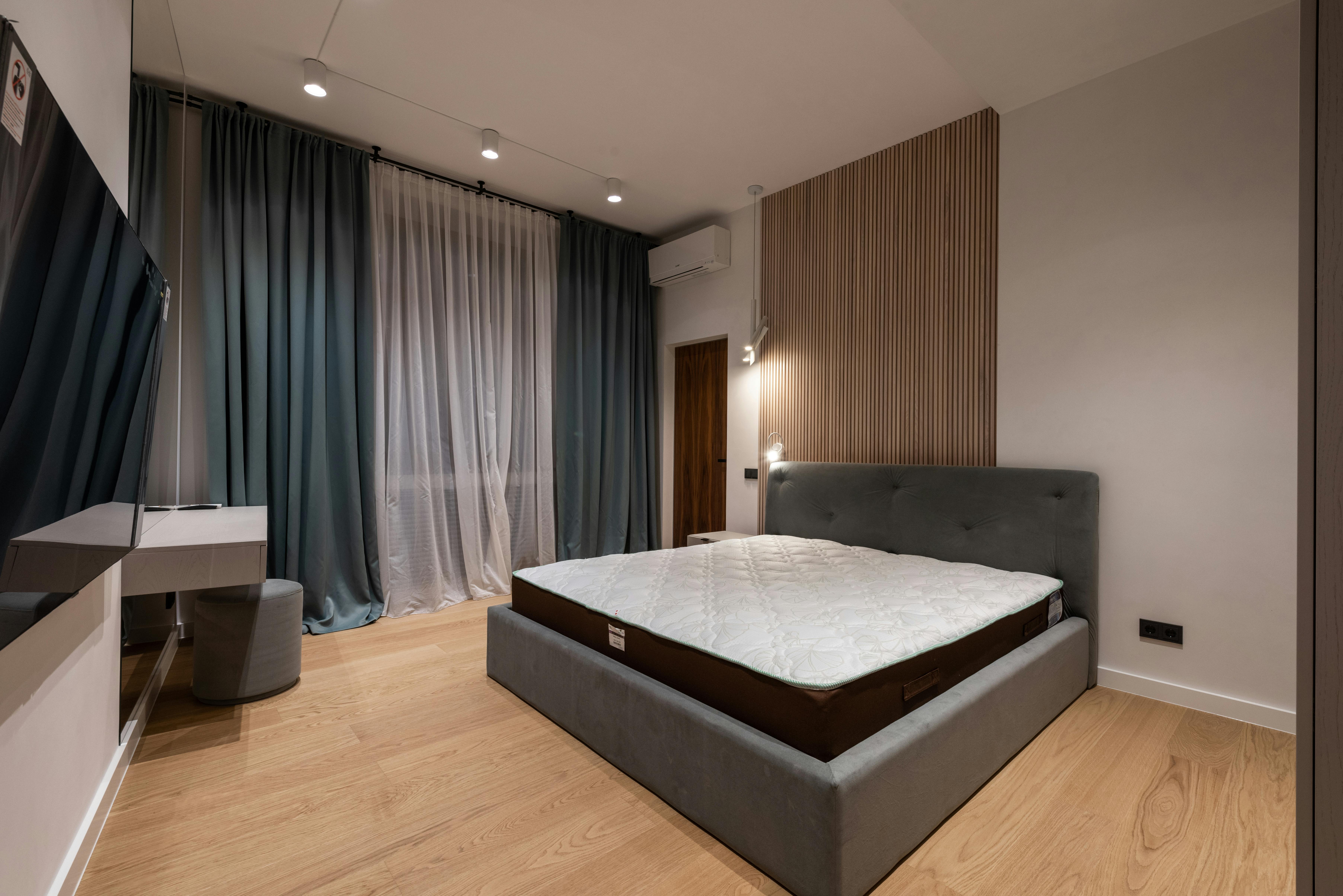
Quiet Luxury at Home: How to Dress Your Space Like It Owns a Trust Fund
Home
If your closet has recently gone from “shopping haul chaos” to “quiet luxury capsule,” your home is probably side‑eyeing you like: “So when is it my turn to be classy?” Today’s biggest fashion shift—quiet luxury meets sustainable wardrobe building—is sneaking into home decor faster than you can say “cost per wear… but for coffee tables.”
Think of it as the capsule wardrobe for your living room: fewer, better, softer-on-the-planet pieces that work with everything, never scream for attention, and look expensive without needing a trust fund. We’re swapping logo mania for linen mania, impulse decor for intentional design, and “new season, new stuff” for “can this age gracefully with me?”
Let’s dress your home like it just got back from a very tasteful European vacation—on a sustainable budget.
From Old Money Aesthetic to “Old Homey” Aesthetic
Quiet luxury in fashion is all about elevated basics, neutral palettes, and quality materials. Translate that to interiors and you get:
- Soft, neutral foundations (think oatmeal, greige, soft white, ink blue)
- Natural textures: wood, linen, wool, stone, rattan
- Pieces that feel well made, not just well marketed
Imagine your home dressing itself the way a low-key yet very rich character in a drama series would: no logos, no shouting, just “I’m expensive if you know, you know” energy.
The twist for 2025? Just like #sustainablefashion and #ethicalfashion are glued to #quietluxury online, the chicest homes are going low-clutter, high-ethics: recycled materials, secondhand finds, and pieces that were made to last longer than your current coffee habit.
Build a Capsule Wardrobe… for Your Rooms
Fashion creators swear by a 20–40 piece capsule wardrobe. Let’s give every room its own “outfit formula” so decorating stops feeling like speed dating on homeware websites.
1. Start with your “hero basics”
In your closet, that’s the perfect jeans and white shirt. At home, it’s your:
- Sofa – the tailored blazer of your living room
- Rug – the foundation piece, like good denim
- Lighting – the jewelry and good skincare of your space
- Storage – the undergarments; you notice when they’re bad
Choose these in timeless shapes and neutral tones so they play nicely with everything else. That way, like a great blazer over any outfit, your sofa can handle every pillow personality you throw at it.
2. Define your “room uniform”
Think of each room like a recurring outfit you love. For example, a living room uniform might be:
“Textured neutral rug + low-profile sofa + one statement wood piece + soft warm lamp + one art moment.”
Once you have the uniform, you can swap accessories—pillows, throws, candles, decor objects—without needing a full makeover every season.
3. Apply “cost per use” to furniture
Fashion people adore cost-per-wear. Home edition: take the price of an item and divide it by how many times you’ll use it over five years. That sofa you’ll flop on 2,000 times? Suddenly, spending more on a sturdy, sustainably made one makes sense—especially if it saves you from buying three bad ones.
Fabric Crush: Turning Your Home into a Tactile Capsule
In fashion, people are hunting down organic cotton, linen, TENCEL™ lyocell, recycled wool, and deadstock silk. Your home wants in on this material glow-up.
- Linen curtains & bedding – Breathable, luxuriously rumpled, and age like fine wine. They’re the white button-up of your bedroom.
- Wool or jute rugs – Naturally durable and textural. Think of them as high-quality denim for your floors.
- Solid wood furniture – The trench coat of your space: classic, structured, works with everything, and can be repaired.
- Recycled glass & metal decor – Little sustainable “jewelry” moments for shelves and tables.
When in doubt, ask: “Would this fabric look at home on a quietly expensive person?” If yes, your sofa upholstery probably passes the vibe check.
Declutter Like a Stylist: Edit, Then Elevate
Stylists don’t start by adding more—first, they edit. Same for your home. Before you buy another vase “just because it was on sale,” try this:
- Clear one surface completely (coffee table, console, nightstand).
- Shop your home and only put back 3–5 things you truly love.
- Ask for each piece: Does this add function, beauty, or personality? If it’s a no x3, it’s audition over.
The goal is intentional repetition, not constant novelty. Just like repeating a favorite outfit, re-using your decor in different rooms or rearranging it seasonally is stylish, not “lazy.”
Bonus: less clutter means every piece you keep looks more important—like moving your favorite necklace from a tangled pile to a velvet display.
Thrifted & Vintage: The Most Sustainable Kind of Quiet Luxury
In fashion, creators rave about snagging designer pieces secondhand on Vestiaire Collective, The RealReal, or Depop. In home decor, the equivalent is that solid oak sideboard you find on Facebook Marketplace for the price of brunch.
To thrift like a pro interior stylist:
- Look for quality tells: dovetail joints on drawers, solid wood rather than veneer, sturdy frames, intact hardware.
- Ignore the color, judge the bones: paint and new handles can turn “grandma’s dresser” into “Pinterest board star.”
- Prioritize timeless shapes over hyper-trendy silhouettes. Curved, simple lines age better than “statement” everything.
Quiet luxury at home often looks like this: a vintage wood dining table, linen runner, simple ceramic bowl, and the smug glow of knowing you kept a beautiful piece out of landfill.
Trend-Proof, Not Trend-Phobic
Capsule wardrobes don’t ban trends; they just keep them in the “accessories” lane. Same at home: let your foundation be classic and your accents do the seasonal flirting.
Keep these quiet-luxury home rules:
- Classic base: sofas, beds, big rugs, and major storage in neutral, long-lasting styles.
- Trend sprinkles: pillows, smaller rugs, candles, book covers, vases, and throws.
- One “loud” piece per room max: an artwork, a patterned chair, or a bold side table.
That way, you can flirt with checkerboard, boucle, or whatever TikTok is screaming about this week, without committing your entire mortgage to it.
Accessorizing Your Space Like You Accessorize an Outfit
Accessories can rescue an outfit and a room. If your place feels a bit “I just moved in” even though you didn’t, you’re probably missing the decor equivalents of belts and jewelry.
- Lighting layers – Overhead + floor + table lamp. Rooms, like selfies, look better with soft lighting and strategic angles.
- Textile trio – Rug + throw + pillows in varied textures (linen, knit, velvet, wool) for depth without visual noise.
- One “conversation object” – a sculptural bowl, unusual lamp, or heirloom piece that tells a story.
- Books, but make it styled – Stacks to add height on coffee tables and consoles, with a candle or small object on top.
The trick is balance: if your furniture is very simple, let accessories be a touch more dramatic. If your sofa already has a lot going on, your coffee table doesn’t need to look like a decor store exploded on it.
Sustainable, but Make It Stylish
Quiet luxury isn’t just about how things look; it’s about how they’re made and how long they last. You don’t need a fully eco-certified house, but small, consistent choices add up.
- Repair, don’t replace: Reupholster a good chair, refinish a scratched table, mend a torn cushion.
- Choose low-VOC paints and finishes for better indoor air quality and less environmental impact.
- Swap impulse decor buys for a “wishlist waiting period” of one week. If you still love it, it’s a keeper.
- Buy fewer, better: One great lamp you adore beats three “it was cheap” lamps gathering dust.
Sustainable home decor isn’t aesthetic punishment. Done right, it feels like your space is exhaling—calmer, cleaner, and quietly confident.
Let Your Home Rewear Its Outfits with Pride
Fashion creators are normalizing outfit repeating on social media, and your home deserves the same grace. You don’t need a new gallery wall for every season or a new tablescape for every dinner party.
Instead:
- Rearrange decor between rooms like you’d style the same blazer with different looks.
- Change pillow covers or throw blankets for a mini “seasonal refresh” instead of a full overhaul.
- Let your favorite pieces be seen often—that’s how they become your home’s signature.
When your home has a strong, quiet-luxury base, you can confidently invite people in without feeling you need to redecorate for every visit. That’s real style: not perfection, but ease.
Quiet Luxury, Loud Comfort
Bringing quiet luxury and sustainable “capsule” thinking into your home isn’t about turning your place into a museum. It’s about curating a space that:
- Feels calm instead of cluttered
- Looks stylish without screaming for attention
- Respects your wallet and the planet
- Still lets you spill popcorn on movie night without a meltdown
Dress your home the way you now dress yourself: with intention, good materials, and pieces you can’t wait to live in—over and over again.
Image Suggestions (For Editor Use)
Below are 2 carefully selected, context-specific image suggestions that directly reinforce the blog content.
Image 1
- Placement: After the paragraph in the “Build a Capsule Wardrobe… for Your Rooms” section that starts with “In your closet, that’s the perfect jeans and white shirt. At home, it’s your:”
- Image description: A realistic photo of a living room with a neutral, low-profile sofa in light beige, a textured wool or jute rug, a simple wooden coffee table, and layered lighting (a floor lamp and a table lamp). The room should feel calm and uncluttered, with a few carefully chosen accessories such as a ceramic bowl and a small stack of books. Materials like linen cushions and wood should be clearly visible to reflect quality and quiet luxury.
- Supported sentence/keyword: “Choose these in timeless shapes and neutral tones so they play nicely with everything else.”
- SEO alt text: “Neutral living room with low-profile sofa, wool rug, and wooden coffee table illustrating quiet luxury home basics”
- Example URL: https://images.pexels.com/photos/6587845/pexels-photo-6587845.jpeg
Image 2
- Placement: After the bullet list in “Fabric Crush: Turning Your Home into a Tactile Capsule.”
- Image description: A realistic bedroom scene featuring linen bedding in a neutral tone, a wooden bed frame, a wool or jute rug partially under the bed, and simple bedside tables with a small lamp and perhaps a recycled glass vase. The textures of linen, wood, and natural fibers should be clearly visible, with minimal, uncluttered decor to emphasize quiet luxury and sustainable materials.
- Supported sentence/keyword: “Your home wants in on this material glow-up.”
- SEO alt text: “Minimalist bedroom with linen bedding, wooden furniture, and jute rug showcasing sustainable quiet luxury decor”
- Example URL: https://images.pexels.com/photos/6585762/pexels-photo-6585762.jpeg