
Quiet Luxury at Home: How to Dress Your Space Like It’s Rich, Rested, and Eco-Obsessed
Welcome to the Quiet Luxury Home Wardrobe (Yes, Your Sofa Has Outfits Now)
Your home and your closet have been talking behind your back, and frankly, they’re both asking for the same thing: quiet luxury meets sustainable minimalism. Think of it as dressing your space the way you’d dress your most confident, low‑key expensive self—no shouting logos, just “I woke up like this” refinement, ethically sourced and built to last.
Across 2024–2025, the fashion world has been obsessed with quiet luxury and eco-conscious design: fewer pieces, better quality, calmer colors, and fabrics that don’t self-destruct in three washes. The twist? Those same principles are now gliding gracefully into home decor. We’re styling coffee tables like capsule wardrobes, choosing sofas with the commitment level of a life partner, and letting our decor whisper “I care about the planet” instead of scream “I saw this in a 24‑hour TikTok trend.”
If you’ve ever wanted a home that looks like it reads hardback novels, recycles religiously, and still enjoys a good Netflix binge—this guide is your new mood board.
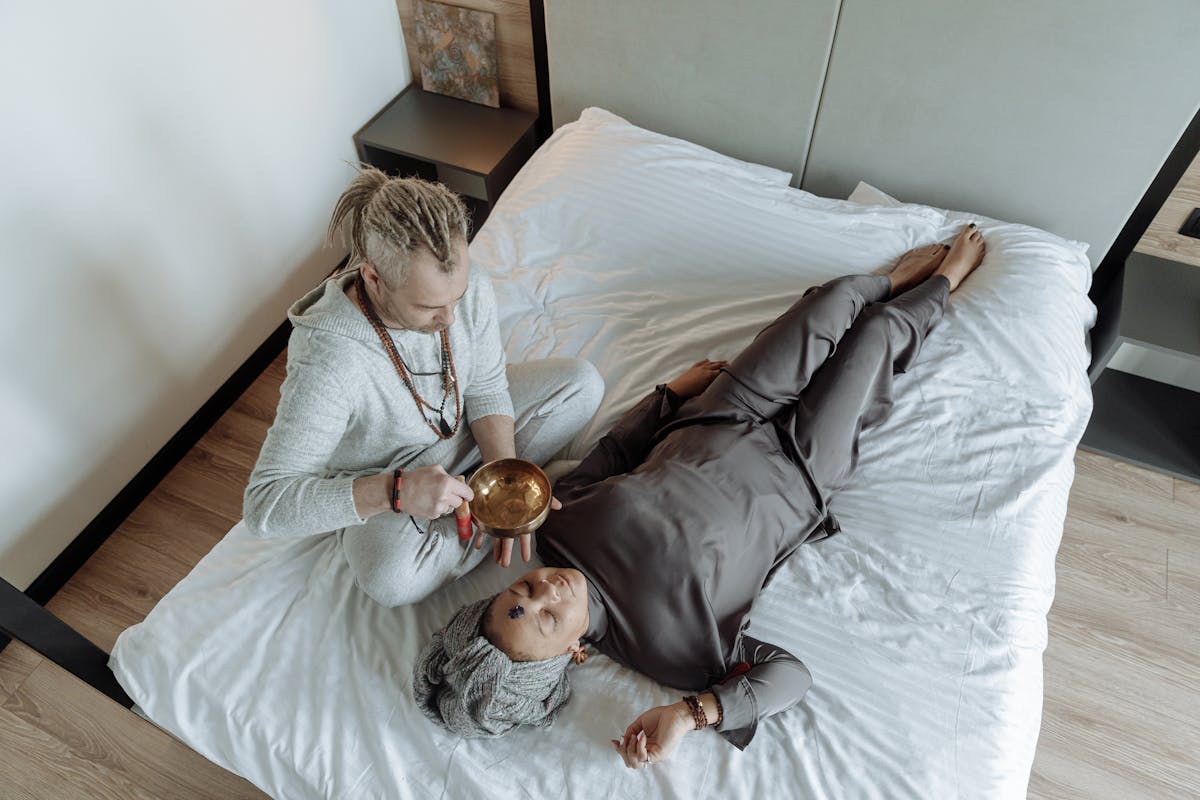
Dress Your Home Like a Capsule Wardrobe
In fashion, a capsule wardrobe is a tight edit of pieces that mix and match effortlessly. At home, the same idea applies: a few hero items, supporting basics, and accessories that do the flirting.
- The foundation pieces: Sofa, bed, dining table, and a storage unit or sideboard. These are your equivalent of tailored trousers and a perfect blazer: long‑term, reliable, and slightly more expensive but worth every cent per use.
- The basics: Rugs, curtains, dining chairs, side tables. Think of them as your tees and knitwear—still visible, but supporting the main act.
- The accessories: Lighting, cushions, throws, art, candles, trays, and the all‑important “I read books” stack of coffee table reads. These are your jewelry, shoes, and bags: easy to swap, seasonal, and personality-packed.
Aim for fewer, better pieces in every category. Instead of five wobbly side tables that seem allergic to level floors, invest in one or two solid, well‑made ones you love. Your future self (and your spilled coffee) will thank you.
Tip: If it wouldn’t make sense in a chic, minimalist outfit, it probably won’t make sense in an already calm, curated room.
Fabric Literacy, But Make It Furniture
Quiet luxury fashion is obsessed with fabric: merino, organic cotton, cashmere blends. At home, you’re building the textile version of a high-end closet—minus the dry‑clean-only drama.
Here’s your home-textile cheat sheet, fashion‑style:
- Linen: The relaxed, slightly rumpled, impossibly chic friend who always looks good. Great for curtains, bedding, and cushion covers. Look for European flax linen or certified organic blends.
- Organic cotton: Your white tee, but for sheets, towels, and throws. Breathable, soft, and widely available with GOTS certification.
- Wool & blends: The tailored coat of your rug and blanket world. Choose RWS-certified wool or recycled wool rugs for warmth, texture, and eco‑points.
- TENCEL / Lyocell: That one friend who is both silky and eco‑conscious. Great for bedding and cushion covers, drapey and soft with a subtle sheen.
- Steer clear of: Very cheap synthetics that feel plasticky, attract dust like it’s their side gig, and age in dog years. A little recycled polyester in a blend for durability? Fine. 100% mystery fiber with a shine visible from space? Pass.
When shopping, treat tags like care labels on clothes. Scan for words like organic, recycled, OEKO‑TEX, GOTS, or FSC for wood. Luxury, but make it planet‑friendly.
The Color Palette: Your Home’s Everyday Outfit
In quiet luxury dressing, neutrals reign: camel, navy, charcoal, off‑white. At home, this translates into a palette that feels calm, long‑lasting, and ridiculously easy to style.
Build a palette like you’d build outfits:
- Choose your base neutrals: Pick 2–3 that dominate big surfaces (walls, large furniture, rugs). For example: warm white, greige, oat or soft grey, stone, ink blue.
- Add 1–2 accent hues: Think deep forest green, muted terracotta, inky navy, soft cocoa. Use them on cushions, throws, lamps, or a statement chair—like adding a great pair of shoes or a bag.
- Layer with texture, not chaos: To keep things from feeling flat, mix bouclé, smooth linen, chunky knits, matte ceramics, warm woods. Texture is the pattern of quiet luxury.
If your room currently looks like all the colors from the crayon box reunited for a reunion tour, don’t panic. Start by neutralizing the biggest pieces you can realistically swap over time—think new neutral duvet cover, a calm rug, or slipcovers—and slowly phase out what clashes hardest.
Tailoring, But for Your Floor Plan
In fashion, a good tailor can turn a basic pair of trousers into “oh, that’s money.” At home, layout is your tailoring. The best sofa in the world still looks awkward if it’s positioned like it’s socially distancing from the rest of your furniture.
- Measure twice, purchase once: Before buying any big piece, tape out its footprint on the floor. It’s the decor version of trying things on in the fitting room instead of panic‑buying online.
- Create conversation zones: Arrange seating so people can talk without shouting across the room. Two chairs and a sofa pulled slightly in around a rug beat a lineup of furniture pushed against the walls every time.
- Mind the hemline (a.k.a. height): Vary the heights of furniture and decor—floor lamps, side tables, art placement—so your room has visual rhythm rather than all pieces sitting at the same level like an awkward school photo.
- Edit relentlessly: If your space feels cramped, remove one piece of furniture and reassess. Just like an over‑accessorized outfit, sometimes the chicest move is subtraction.
Quiet luxury rooms never feel like storage units. They breathe. Let yours exhale a bit.
Status, But Make It Ethical: The New “Flex”
In style, the new status symbol isn’t a giant logo—it’s being able to say, “Oh, this coat is made from responsible wool and the brand will repair it for life.” At home, the equivalent is owning decor that tells a good story.
When upgrading your space, look for:
- Certified materials: FSC-certified wood, GOTS organic textiles, GRS-certified recycled materials, or low‑VOC paints. These are your decor’s version of Fair Trade or RWS labels in fashion.
- Traceable brands: Companies that share where their furniture is made, what it’s made of, and how long it’s meant to last. Extra points for brands offering repair, reupholstery, or buy‑back programs.
- Secondhand treasures: Thrift stores, vintage shops, online resale platforms, and local marketplaces are the home-decor parallel of searching “quiet luxury blazer” secondhand. A solid wood sideboard with history beats a flimsy flat‑pack any day.
The real luxury flex? Being able to say, “I love this piece, I know who made it, and I plan to keep it for years.”
Accessorizing Your Home: Jewelry for Your Rooms
Fashion teaches us that accessories can spin the whole story of an outfit. Same with decor. The difference between “rental beige fatigue” and “editorial quiet luxury” is often just the styling.
Play with these:
- Lighting layers: Overhead lights are the harsh changing‑room fluorescent of interior design. Add floor lamps, table lamps, and wall sconces at different heights for warmth and dimension.
- Soft accessories: Cushions in rich but subtle textures, throws draped (not tossed like a salad) over the sofa, and a classic wool or jute rug to anchor the space.
- Trays and clusters: Use a tray on your coffee table or sideboard to corral candles, a small vase, and a book. Suddenly, it goes from clutter to curated.
- Art that feels personal: Instead of generic hotel art, mix framed prints, photography, thrifted pieces, or even fabric remnants in simple frames. Think of your walls as your Instagram grid: cohesive, but not copy‑paste.
- Greenery: Plants are the white sneakers of decor: they go with everything. Choose low‑maintenance options if your thumb is more “Netflix remote” than “green.”
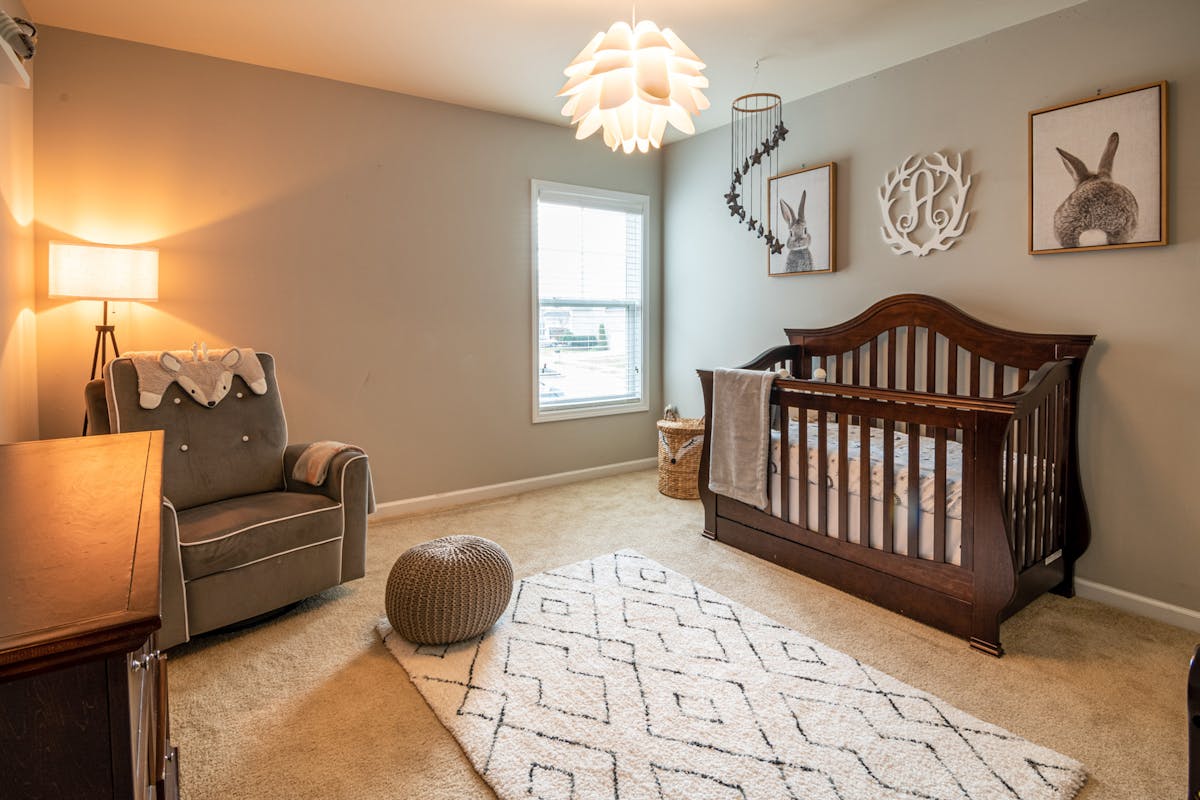
Following Trends Without Letting Them Move In
Fashion learned this the hard way: chasing every micro‑trend results in a closet full of regret and tags. Your home deserves better than becoming a museum of last year’s aesthetics.
Bring trends in like seasonal accessories, not permanent tattoos:
- Keep the big stuff timeless: Sofas, beds, dining tables and major storage should be classic and neutral. You’re building the trench coat and trouser combo of your space.
- Use small items for experimentation: Trending colors or textures can show up on cushions, candles, vases, and smaller textiles that are easy to swap out when the trend expires.
- Borrow from fashion: If a trend works in your wardrobe (say, mocha tones or soft tailoring), echo it subtly in your decor through fabrics, shapes, and tones.
- Check the cost-per-use: Before buying anything, ask: “Will I still like this in a year?” If the answer is a nervous laugh and a “maybe,” leave it in the cart.
Quiet luxury is, at its heart, an anti‑chaos movement. Stay curious, but choose calmly.
Styling Rituals: Your Home’s Daily Outfit Check
Just like you don’t roll into an important meeting in yesterday’s pajama T‑shirt (hopefully), your home benefits from tiny daily styling rituals.
Try a five‑minute “outfit check” for your space:
- Fluff cushions and straighten throws (instant “I tried” energy).
- Clear surfaces of random items that wandered there overnight—chargers, mail, rogue socks.
- Light a candle or switch on a warm lamp instead of relying on overhead lighting.
- Realign books, trays, and decor so they feel intentional, not like a garage sale in progress.
Quiet luxury isn’t about perfection; it’s about intention. Your home doesn’t need to look staged—just thoughtfully dressed.
The Takeaway: Fewer Things, More Style, Maximum Calm
Bringing quiet luxury and sustainable minimalism into your home is not about making everything beige, banning joy, or living in a showroom. It’s about treating your space the way you’re learning to treat your wardrobe: buy less, choose well, style often.
Focus on:
- Quality foundational pieces that age gracefully.
- Natural, durable materials that feel as good as they look.
- A calm color palette with texture doing the talking.
- Ethically made or secondhand finds with stories, not just price tags.
- Accessories and styling that express your personality—quietly, but confidently.
In the end, a quietly luxurious home isn’t about impressing anyone else. It’s about walking through your front door, looking around, and thinking: “Yes. This feels like me—just a little bit better dressed.”
