
Protein-Packed High-Volume Eating: How Cottage Cheese, Greek Yogurt & 30g-Per-Meal Plates Took Over Social Media
Protein-Packed ‘High-Volume Eating’: Cottage Cheese, Greek Yogurt & the 30g-Per-Meal Trend
High-protein, high-volume, low-calorie meals have exploded across TikTok, Instagram, and YouTube in 2024–2025. Big, colorful bowls piled high with vegetables, lean protein, cottage cheese, and Greek yogurt promise the best of both worlds: meals that feel generous and comforting, yet still support satiety, muscle gain, and weight management.
At the heart of this movement is the idea of aiming for around 30 grams of protein per meal, using hero ingredients like cottage cheese, Greek yogurt, eggs, tofu, and chicken, then bulking everything out with high-fiber, high-volume foods. The result is plates that look almost “too big to be diet food” but are grounded in solid nutrition science.
What High-Volume, High-Protein Meals Look Like
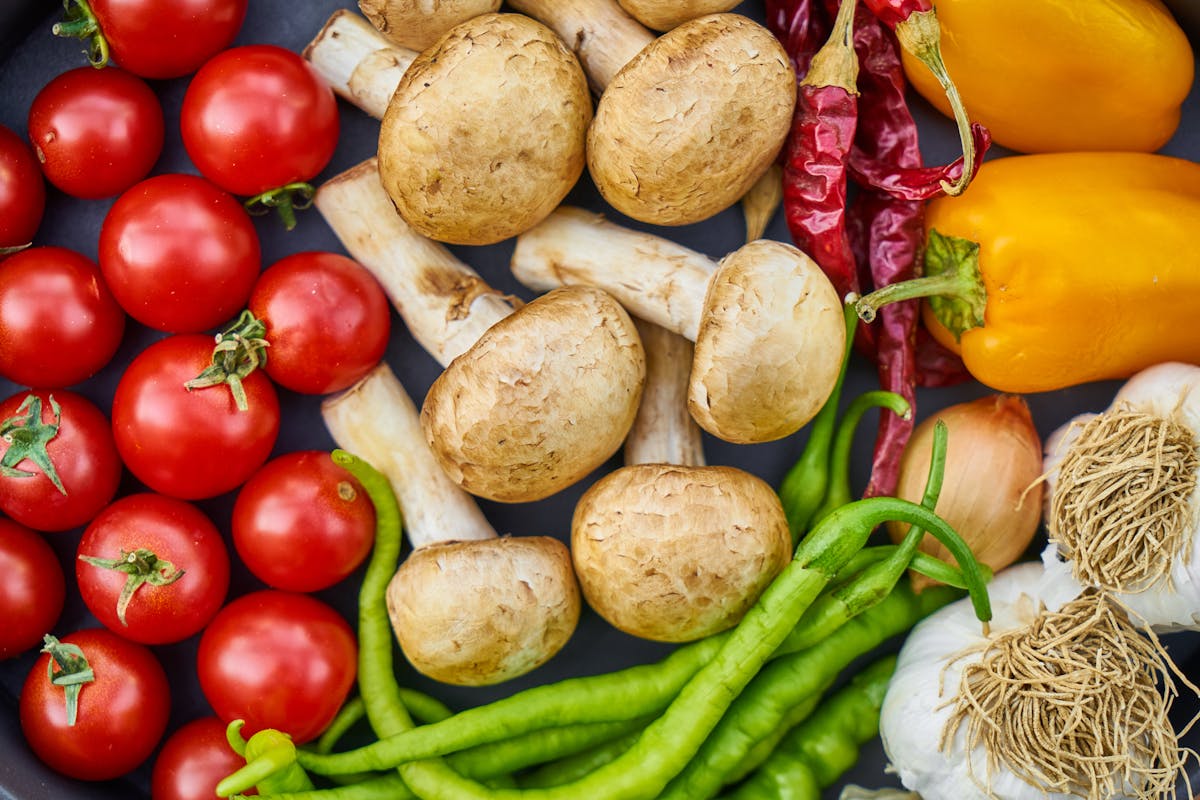
These bowls are deliberately dramatic: overflowing with crunchy greens, juicy tomatoes, hearty legumes, or grilled chicken, all anchored by a creamy, protein-rich base like Greek yogurt, cottage cheese, or both. They photograph beautifully, but more importantly, they keep you full for hours.
Why Protein-Packed, High-Volume Eating Is Trending Now
The current wave of protein-focused, high-volume eating is more than just another diet fad. It blends emerging research, social media aesthetics, and a gentler mindset around tracking food.
- Muscle & metabolism awareness: People are increasingly aware of sarcopenia (age-related muscle loss) and how metabolism adapts to chronic dieting. Creators and health pros highlight protein plus resistance training as key to staying strong and metabolically healthy with age.
- Fits nearly every dietary pattern: Whether someone follows Mediterranean, higher-carb, keto, vegetarian, or flexible dieting, the core template—lean protein plus fiber-rich volume—can be adapted.
- Viral “protein hacks” that actually work: Blended cottage cheese “ice cream,” ultra-thick Greek yogurt bowls, and savory high-protein dips earn massive engagement because they’re simple to copy and immediately satisfying.
- Gentler macro tracking: Instead of rigidly weighing every gram of food, many people now focus on broad targets like “~30 g protein per meal and plenty of fiber,” allowing more flexibility with carbs and fats.
The 30g Protein-Per-Meal Rule: What’s Behind It?
A recurring headline in 2024–2025 content is “30 g protein per meal.” The idea comes from research suggesting that to optimally stimulate muscle protein synthesis—your body’s process of repairing and building muscle—you generally want around 25–35 grams of high-quality protein in a sitting.
Instead of eating a tiny 10 gram protein breakfast and a huge 70 gram protein dinner, this trend spreads protein out more evenly across the day:
Aim for roughly 25–35 g of protein at breakfast, lunch, and dinner, with optional smaller protein-rich snacks.
For a lot of people, the biggest shift is simply adding real protein to breakfast—swapping toast-and-jam or a lone piece of fruit for Greek yogurt, eggs, cottage cheese bowls, tofu scrambles, or high-protein oats.
Hero Ingredients: Cottage Cheese, Greek Yogurt & Friends
Two humble dairy products have become unexpected social media superstars: cottage cheese and Greek yogurt.
- Cottage cheese: Once maligned as “diet food,” cottage cheese has staged a full comeback. It’s naturally high in protein and calcium, with a pleasantly salty-creamy flavor that works in both sweet and savory dishes. Blended, it turns silky and almost cheesecake-like.
- Greek yogurt: Strained for thickness, Greek yogurt boasts nearly double the protein of regular yogurt. It becomes a canvas for parfaits, dips, sauces, frozen desserts, and marinades.
- Other protein staples: Eggs, egg whites, chicken breast, tuna, salmon, tofu, tempeh, edamame, lentils, beans, and seitan feature heavily in high-protein, high-volume meals.
High-Volume, Low-Calorie Foods That Keep You Full
The “volume” part of high-volume eating comes from foods that add bulk, texture, and chew without a huge calorie load. Think of them as your plate’s supporting cast.
- Leafy greens: romaine, kale, spinach, arugula, cabbage.
- High-fiber vegetables: broccoli, cauliflower, bell peppers, carrots, zucchini, cucumbers, green beans.
- Fruits (especially berries): strawberries, blueberries, raspberries, blackberries add sweetness and fiber.
- Konjac (shirataki) noodles & cauliflower rice: ultra-low-calorie bases popular in low-carb and weight-management communities.
- High-fiber breads & wraps: used to turn protein-rich fillings into giant but macro-friendly sandwiches or burritos.

Combined with a solid 25–35 g of protein and some healthy fats, these ingredients make meals that are visually satisfying, physically filling, and surprisingly light on calories.
Recipe: High-Protein Cottage Cheese & Greek Yogurt Power Bowl (30g+ Protein)
Prep time: 15 minutes
Cook time: 0 minutes
Total time: 15 minutes
Servings: 1 large bowl
Difficulty: Easy
This bowl is a love letter to the high-protein, high-volume trend: thick, tangy Greek yogurt and silky blended cottage cheese form a luscious base, topped with juicy berries, crunchy nuts and seeds, and optional vegetables or greens on the side. It’s versatile enough for breakfast, lunch, or a post-workout meal—and it reliably hits that ~30 g protein target.
Ingredients
Serves 1 very generously (can be split into 2 smaller servings).
Base
- 150 g (about 2/3 cup) low-fat cottage cheese
- 120 g (about 1/2 cup) plain Greek yogurt (2% or nonfat)
- 1–2 teaspoons liquid sweetener of choice (honey, maple syrup, or zero-calorie sweetener), to taste
- 1/2 teaspoon vanilla extract (optional, for sweet version)
- 2–3 tablespoons water or milk (dairy or plant-based), as needed for blending
High-Volume Toppings
- 100 g (about 3/4 cup) mixed berries (fresh or frozen, thawed)
- 1 small banana or 1/2 large banana, sliced (optional; can swap for more berries)
- 1–2 tablespoons chia seeds or ground flaxseed
- 10–15 g (about 1 tablespoon) nuts (almonds, walnuts, or pistachios), roughly chopped
- 15 g (about 1/4 cup) high-fiber cereal or granola (look for lower sugar)
Optional Savory / Extra Volume Add-Ons
- 1 cup raw vegetables on the side (carrot sticks, cucumber slices, cherry tomatoes) for extra crunch
- Handful of baby spinach or mixed greens, tossed with lemon juice and salt, served alongside
Equipment
- Small blender or immersion blender (for cottage cheese)
- Medium mixing bowl
- Spatula or spoon
- Serving bowl, wide and relatively shallow (to show off the toppings)
- Knife and cutting board for fruit and vegetables
Step-by-Step Instructions
- Blend the cottage cheese.
Add the cottage cheese to a blender with 1–2 tablespoons of water or milk. Blend until completely smooth and creamy, scraping down the sides as needed. The texture should resemble thick yogurt or pudding.

Blending cottage cheese turns it from curdy to silky, making an ultra-creamy, high-protein base. - Combine with Greek yogurt.
In a mixing bowl, stir together the blended cottage cheese and Greek yogurt until fully combined. Adjust consistency with another tablespoon of water or milk if needed—you’re aiming for a thick but spoonable base.
- Flavor the base.
Stir in your sweetener of choice and vanilla extract (if using). Taste and adjust sweetness—remember that fruit and toppings will also add sweetness and texture.
- Prepare the toppings.
Rinse and pat dry the berries. Slice the banana if using. Roughly chop the nuts. If you’re adding raw vegetables or greens on the side, wash and prep them now.

Prep a colorful mix of berries, nuts, and seeds to layer crunch and juiciness onto your protein base. - Assemble the bowl.
Spoon the cottage cheese–Greek yogurt mixture into your serving bowl and spread it into an even layer. Neatly arrange the berries, banana slices, chia or flax, chopped nuts, and high-fiber cereal or granola on top in sections for a “café-style” look.
Layer your toppings in sections for a visually striking, social media–ready high-protein bowl. - Add extra volume on the side (optional).
Arrange raw vegetables and greens on a small side plate or directly beside the bowl. A simple squeeze of lemon and pinch of salt over the greens can brighten the whole meal.
- Serve & enjoy.
Dig in immediately, making sure each bite scoops up a mix of creamy base and crunchy toppings. The combination of protein, fiber, and volume should keep you satisfied for hours.
Approximate Nutrition (Per Serving)
Exact values will vary based on brands, but for the quantities above, you can roughly expect:
- Calories: ~400–450 kcal
- Protein: ~32–38 g
- Carbohydrates: ~40–55 g (mostly from fruit and high-fiber cereal)
- Fiber: ~8–12 g (depending on cereal and fruit choices)
- Fat: ~10–15 g (from nuts, seeds, and dairy)
Tips, Variations & Dietary Adaptations
Storage & Meal Prep
This bowl is quick enough for same-day assembly, but it also works beautifully for meal prep with a few tweaks.
- Base storage: Prepare a large batch of the cottage cheese–Greek yogurt base and store it in an airtight container in the fridge for up to 3 days. Stir before serving.
- Toppings: Wash and portion berries and nuts into small containers. Keep crunchy toppings (cereal/granola) separate until just before eating to preserve texture.
- Assembly: For grab-and-go breakfasts, layer base and fruit in a jar, then pack nuts, seeds, and cereal in a separate small container to sprinkle on right before eating.
- Freezing: The bowl does not freeze well as-is, but you can use the base to make a quick frozen “ice cream” by blending it with frozen fruit just before serving.
Serving Ideas & Complementary Dishes
This cottage cheese & Greek yogurt protein bowl plays nicely with many other high-protein, high-volume options, especially if you’re following a 30g-per-meal challenge.
- With a savory egg scramble: Pair half a portion of the bowl with a veggie-loaded egg or tofu scramble for a brunch-sized protein feast.
- As dessert after a lighter meal: Enjoy a smaller bowl after a soup-and-salad lunch to round out your protein.
- Post-workout recovery: Make the base slightly thinner with extra milk and enjoy it as a thick shake or smoothie bowl, adding a banana for quick-digesting carbs.
- Alongside a grain bowl: For dinner, pair this bowl (or its savory cousin) with a warm grain-and-vegetable bowl to hit both comfort and macro goals.

Bringing the High-Protein, High-Volume Trend Into Your Kitchen
Protein-packed, high-volume eating is popular right now because it feels generous, flexible, and results-driven without the rigidity of older diet culture. Instead of obsessing over every gram, you can focus on a few simple habits:
- Build each meal around 25–35 g of protein.
- Fill at least half your plate or bowl with high-fiber, high-volume plants.
- Use ingredients like cottage cheese and Greek yogurt as creamy, satisfying protein anchors.
- Choose mostly whole-food protein sources, using bars and powders to fill gaps when needed.
With a blender, a bowl, and a handful of simple ingredients, you can recreate the best parts of the 2025 high-protein trend in your own kitchen—no strict dieting required, just nourishing, colorful meals that keep you full and energized.
