
Prince Andrew Surrenders His Gun Licence: What the Met Police Request Really Means
Prince Andrew, now formally styled Andrew Mountbatten-Windsor in most official reporting, has voluntarily surrendered his gun licence after a visit from the Metropolitan Police, ahead of an anticipated move from Royal Lodge to the Sandringham estate next year. The gesture might sound bureaucratic, but in the world of royal protocol, firearms law, and public scandal, it’s another subtle sign of just how far his status has shifted within the House of Windsor.
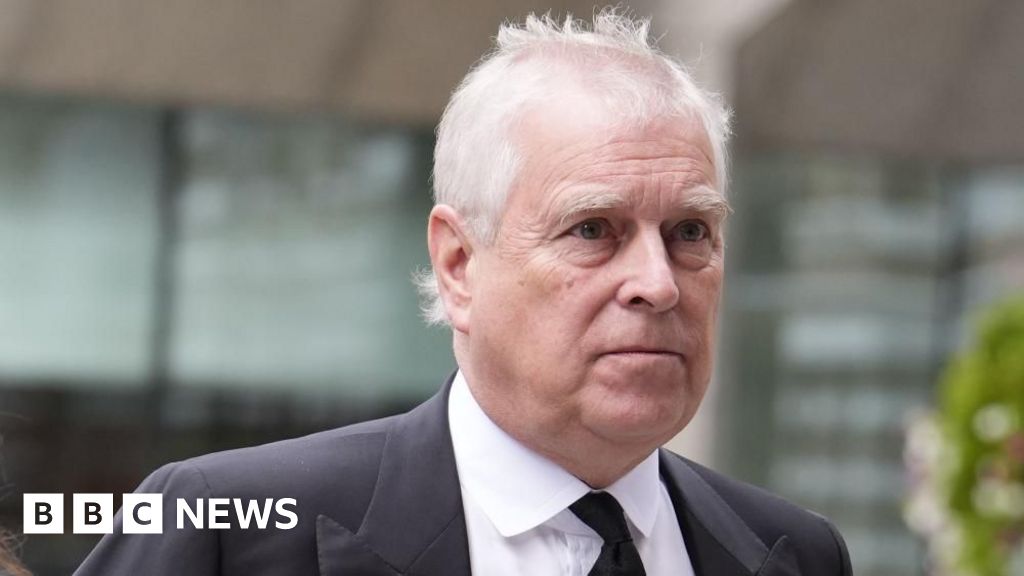
The BBC’s report that officers from the Met attended his long-time residence at Royal Lodge, Windsor, and that the former prince then surrendered his licence, lands at the intersection of British gun control, royal privilege, and a family still trying to manage its most radioactive member.
Andrew Mountbatten-Windsor in 2025: A Prince in All but Name
In public discourse, Andrew is increasingly referred to as Andrew Mountbatten-Windsor rather than “Prince Andrew, Duke of York” — a linguistic shift that mirrors his near-total removal from frontline royal duties following the fallout from his association with Jeffrey Epstein and the disastrous 2019 Newsnight interview.
While he technically retains his titles, his role within “The Firm” has been dramatically curtailed: no public engagements on behalf of the Crown, no military honours in active use, and a dramatically reduced public profile. Against this backdrop, even the technical matter of a gun licence becomes symbolically loaded.
That ordinary-citizen framing is crucial here: surrendering a gun licence is less about royal tradition and more about being subject to the same regulations as any other holder of a firearms or shotgun certificate in England and Wales.
Why the Met Police Asked About Andrew’s Gun Licence
The BBC report notes that Metropolitan Police officers attended Royal Lodge, after which Andrew voluntarily handed over his gun licence. While the specifics of the Met’s request have not been made public in detail, there are several likely factors at play, all rooted in standard firearms practice rather than bespoke royal drama.
- Routine checks and tightened standards: UK police forces have been under pressure to scrutinise gun licences more rigorously, particularly after high-profile shooting incidents and official reviews into licensing processes.
- Change of residence: Andrew is expected to relocate to Sandringham, King Charles III’s privately owned Norfolk estate, in the coming year. A major change of address can trigger a reassessment of any firearms or shotgun certificate.
- Security and optics: While he still benefits from some security considerations, the idea of a disgraced royal possessing firearms is unlikely to sit comfortably with either the Met or Buckingham Palace’s comms team.
“The primary aim of firearms licensing is to protect public safety by ensuring that only suitable people have access to firearms.”
— UK Home Office guidance on firearms licensing
In other words, this decision may be less about punishing Andrew and more about aligning his circumstances with the cautious, optics-aware approach now favoured by both the Met and the monarchy.
Royals, Guns, and the Country-Sport Tradition
To understand why a gun licence matters in royal circles, you have to understand the cultural weight of shooting within the British aristocracy. Driven shoots, deer stalking, and game days at Balmoral or Sandringham are not just hobbies; they are social calendars, power networks, and PR minefields rolled into one.

For generations, British royals have been photographed at shoots in tweed, flat caps, and wellies, their presence used to project a certain continuity of class and countryside tradition. At the same time, public attitudes to blood sports and gun ownership have become more critical, especially among younger and urban audiences.
Against that backdrop, Andrew relinquishing his licence doesn’t just alter his personal leisure time; it further distances him from one of the rituals that once signalled full membership in the inner royal circle.
The Sandringham Move: A Quiet Exile or a Strategic Reshuffle?
The BBC notes that Andrew is expected to move to Sandringham next year, part of an ongoing, slightly messy saga around Royal Lodge, his long-time home on the Windsor estate. There has been persistent reporting about tensions over the property, the cost of its upkeep, and King Charles’s desire to rationalise the royal housing portfolio.
Sandringham is King Charles III’s private property, not a Crown Estate holding. That matters: a move there subtly reframes Andrew as a privately supported relative rather than a working royal drawing on public-facing grace-and-favour arrangements.
- Optics: Removing Andrew from a prominent Windsor residence eases some public irritation over perceived royal entitlement.
- Control: Sandringham gives Charles greater personal control over who lives there and on what terms.
- Containment: A rural Norfolk base offers privacy and distance from London media and political circles.
In that context, the surrender of a gun licence begins to look like one more piece in a broader de-escalation strategy: fewer perks, less visibility, and a life increasingly lived in the royal shadows.
UK Gun Law Meets Royal Privilege: How Exceptional Is This?
One of the persistent myths about the British monarchy is that its members exist somehow “above the law.” In reality, while the sovereign occupies a unique constitutional position, other royals are subject to ordinary criminal and civil law, including on firearms.

A firearms or shotgun certificate in the UK can be revoked or voluntarily surrendered for a range of reasons, including concerns about mental health, domestic circumstances, or criminal investigations. The BBC’s reporting emphasises that Andrew surrendered his licence voluntarily after contact with the Met, which suggests a negotiated, low-drama approach rather than a forced revocation.
From a legal and policing perspective, that is:
- Procedurally unsurprising: Police will routinely reassess licences when personal circumstances change.
- Politically sensitive: Any hint of special treatment for a royal is closely scrutinised, particularly after recent scandals.
- Symbolically powerful: “Former prince gives up gun licence at police request” carries more narrative charge than the dry legalities might suggest.
“No one should be above the law, and that includes the royal family. Firearms rules must be enforced fairly, whoever you are.”
— Typical sentiment from UK political commentators reacting to royal controversies around legal scrutiny
Media Framing: From “War Hero” to “Former Prince”
How this story is told may be more consequential than the bare facts. BBC wording that describes him primarily as “the former prince” or “Andrew Mountbatten-Windsor” positions him at arm’s length from the institution that once revolved around him.
Compare that with coverage from the 1980s and 1990s, when Andrew was often framed as a dashing Falklands veteran and eligible royal bachelor. The arc from “air-sea rescue hero” to “disgraced former prince” is stark, and every new detail — including this gun-licence decision — gets slotted into that longer narrative of decline.
In this media climate, “Andrew surrenders gun licence after Met visit” scans less as an isolated administrative step and more as another beat in a long-running reputational comedown.
Public and Cultural Reaction: Shrug, Schadenfreude, or Subtle Relief?
By late 2025, Andrew occupies an unusual place in British pop culture: less an active villain than a cautionary tale, occasionally referenced in satire, dramas, and commentary about the monarchy’s future. Online reactions to this latest development have tended to fall into a few broad camps:
- The shrug: For many, the story is just one more minor note in a saga they mentally filed away years ago.
- The accountability crowd: Some welcome any sign that he is being treated like an ordinary citizen within systems like firearms regulation.
- The monarchy sceptics: Others see it as too little, too late compared with the broader questions raised by his past conduct.

From a cultural-literate standpoint, what’s most interesting is the normalisation of his marginal status. A story like this in the 1990s would have been unthinkable; in 2025, it’s almost background noise — which, for Buckingham Palace, is probably the point.
Reading Between the Lines: Strengths and Weaknesses of the Palace Strategy
As with many recent royal moves, the handling of Andrew’s gun licence and housing appears carefully stage-managed, yet not entirely risk-free.
What seems to be working
- Low-key, rule-based framing: The emphasis on police procedure and voluntary surrender helps cast this as administrative housekeeping, not crisis management.
- Physical and symbolic distance: Moving him to Sandringham and highlighting sensitive compliance over special treatment telegraphs a quieter, more constrained lifestyle.
- Minimal palace commentary: The lack of fiery statements or defensive rhetoric keeps the temperature down.
What still doesn’t land
- Lingering perception gap: Many critics remain unconvinced that administrative steps like this address the deeper moral and legal questions associated with his past.
- Transparency limits: The public is told enough to know something happened, but not enough to fully trust the process.
- Long-term legacy: Each incremental story cements Andrew’s image as a problem to be managed rather than a figure capable of meaningful rehabilitation.
Further Reading and Official Sources
For readers who want to dig deeper into the legal and cultural frameworks behind this story, these sources provide reliable context:
- BBC News – UK and Royal Family coverage
- UK Government – Firearms licensing guidance
- Metropolitan Police – Firearms licensing information
- The Royal Family – Official website
- Emily Maitlis on IMDb – for those tracing the media arc of the 2019 Newsnight interview.
Conclusion: A Small Administrative Step with Big Symbolism
On paper, Andrew Mountbatten-Windsor handing in a gun licence after a Met Police visit is a dry, technical footnote in British firearms administration. In practice, it functions as a quiet status update on a man who once strutted at the centre of royal life and now edges further into managed obscurity.
As the monarchy navigates a post-Elizabethan era under King Charles III and looks ahead to the longer-term reign of Prince William, stories like this matter not because of the paperwork involved, but because of what they signal: a royal family trying to stay within the law, stay ahead of public anger, and slowly erase the most jagged edges of its recent past.
Whether that strategy will satisfy a sceptical public is another question entirely. But for now, the message is clear: Andrew’s world is shrinking, one licence, one property, and one carefully worded news report at a time.
