
Possible Measles Exposure in Massachusetts: What You Need to Know Right Now
Massachusetts health officials have warned of possible measles exposure at multiple locations, leaving many residents unsure whether they’re at risk or what steps to take to protect themselves and their families. If you’ve seen the headlines and felt a wave of worry, you’re not alone—but there are clear, practical steps you can follow to stay safe.
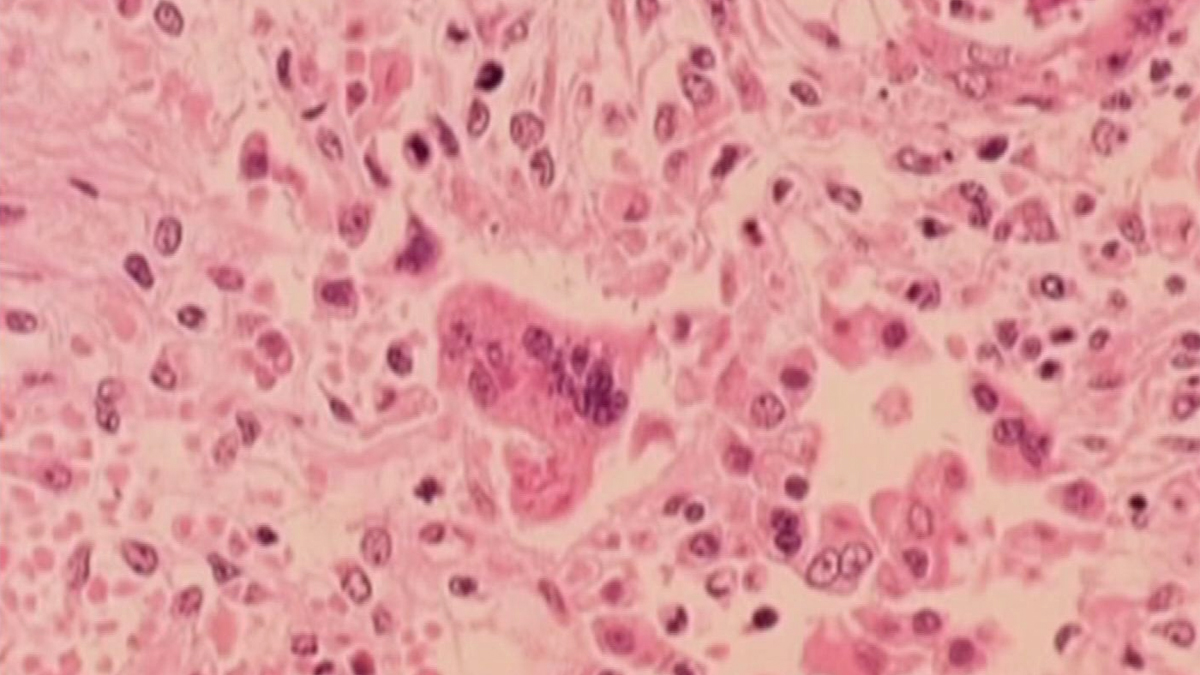
This guide walks you through what the current warning means, who is most at risk, and the specific actions you can take today—whether you were in the listed locations or not. The focus is on calm, evidence-based information you can actually use.
What the Massachusetts Measles Exposure Warning Really Means
According to the Massachusetts Department of Public Health (MDPH), an out-of-state visitor who was later diagnosed with measles spent time at several public locations in the state. Because measles is highly contagious, simply sharing air space with an infectious person can be enough for the virus to spread—especially among people who are not fully vaccinated.
Public health officials issue these exposure notices to:
- Alert people who may have been in the same locations during specific dates and times.
- Encourage those at risk to check their vaccination status.
- Prompt people with symptoms to call their healthcare provider before visiting a clinic or ER, to avoid spreading infection.
How Measles Spreads and Why One Case Matters
Measles is among the most contagious viruses known. If one person has measles, up to 9 out of 10 close contacts who are not immune are likely to get infected.
Measles spreads when:
- An infected person coughs or sneezes, sending tiny droplets into the air.
- Others breathe in those droplets or touch contaminated surfaces and then touch their face.
- People share the same air space up to two hours after the infected person leaves an area.
“With measles, one case is never ‘just one case’ unless vaccination coverage is strong. That’s why every exposure triggers a rapid public health response.”
— Infectious disease physician, summarizing CDC guidance
The good news: in communities with high vaccination rates, measles has a harder time spreading. That’s one reason Massachusetts health officials act quickly—early action helps keep the situation contained.
Who Is Most at Risk from the Massachusetts Measles Exposure?
Not everyone who was in the listed locations has the same level of risk. Your risk depends largely on your immune status.
Higher-risk groups
- People who have never received the measles, mumps, and rubella (MMR) vaccine.
- People who received only one dose of MMR and never completed the two-dose series.
- Infants who are too young to be vaccinated (typically under 12 months).
- Pregnant people who are not immune to measles.
- People with weakened immune systems (for example, due to chemotherapy, certain medications, or immune disorders).
- International travelers who may have received non-standard vaccination schedules.
Lower-risk groups
- Adults and children with documentation of two doses of MMR vaccine.
- People born before 1957 (most were exposed naturally in childhood, though some may still benefit from vaccination depending on medical advice).
- People with a lab test confirming measles immunity.
Measles Symptoms: What to Watch for After a Possible Exposure
Measles doesn’t appear immediately after you’re exposed. The time between exposure and symptoms (the incubation period) is typically 7–14 days, but can be up to 21 days.
- Early symptoms (days 1–4):
- High fever, often over 101°F (38.3°C), sometimes higher.
- Cough.
- Runny nose.
- Red, watery eyes (conjunctivitis).
- Feeling very tired, achy, or unwell.
- Classic signs (days 3–5):
- Tiny white spots inside the mouth (Koplik spots).
- Red, blotchy rash that usually starts on the face and spreads downward to the trunk, arms, and legs.
- Rash typically appears 3–5 days after symptoms begin and may last about a week.
Think You May Have Been Exposed? Step-by-Step Actions
If you were in any of the locations and time windows listed by Massachusetts health officials, here’s a calm, practical approach to follow.
1. Confirm the exposure details
- Visit the official Massachusetts Department of Public Health website for the latest locations, dates, and times.
- Check whether you—or your children—were in those places during the specified windows.
2. Check your vaccination records
- Look for documented MMR doses in your medical records, school forms, or patient portal.
- If you’re unsure, contact your primary care provider or pediatrician. In many cases, it’s safe to receive another MMR dose if needed.
- For adults, especially if you were born after 1957, ask your clinician whether you need a catch-up dose.
3. If you are unvaccinated or unsure
- Call your healthcare provider or local health department as soon as possible and mention the exposure notice.
- Ask whether you are eligible for:
- MMR vaccination within 72 hours of exposure, which can sometimes prevent or lessen illness.
- Immune globulin (a type of antibody treatment) in special situations, such as pregnancy, infancy, or immune suppression.
- Avoid large gatherings and consider limiting close contact with high-risk individuals (infants, pregnant people, and immunocompromised individuals) during the 21 days after exposure.
4. If symptoms develop
- Do not walk into a clinic, urgent care, or ER without warning them first.
- Call ahead, describe your symptoms, and mention: “I may have been exposed to measles and now have fever and rash.”
- Follow their instructions for entering the facility; you may be asked to use a separate entrance or wear a mask.
How the MMR Vaccine Protects You and Your Community
The measles, mumps, and rubella (MMR) vaccine is the most effective tool we have against measles. Decades of research and real-world data show it is both highly effective and generally very safe for most people.
- Two doses of MMR are about 97% effective at preventing measles.
- One dose is about 93% effective, but the second dose is important for long-term, population-wide protection.
- Severe side effects are rare; most people experience no or only mild, temporary symptoms (such as soreness at the injection site or low-grade fever).
“In communities with strong MMR coverage, measles exposure events are far less likely to turn into sustained outbreaks.”
— Summary of CDC measles prevention guidance
Common Concerns and Obstacles—And How to Handle Them
It’s very normal to feel overwhelmed or conflicted when you hear about measles exposure, especially if you’re unsure about vaccines, access to care, or costs. Here are some frequent concerns I see and realistic ways to address them.
“I’m not sure I trust vaccines.”
MMR has been used for over 50 years, with hundreds of millions of doses given worldwide. Large, high-quality studies have repeatedly found:
- No link between MMR and autism.
- No evidence of long-term harm in healthy individuals.
- Strong protection against serious complications like pneumonia and encephalitis (brain swelling).
If you’re hesitant, consider booking an appointment specifically to discuss your questions with a trusted clinician. Ask them to walk you through actual risk numbers and reputable sources (CDC, WHO, American Academy of Pediatrics).
“I don’t have a primary care doctor.”
- Community health centers and urgent care clinics can often provide MMR or check your records.
- Pharmacies in many states offer MMR vaccines for adults; check eligibility and age limits.
- Call 2-1-1 in Massachusetts or visit the state health department website for local resources.
“I’m worried about the cost.”
- Most private insurance plans and public programs (like Medicaid) cover recommended vaccines, usually at no extra cost to you.
- For children, the federal Vaccines for Children (VFC) program can provide free vaccines if your family qualifies.
- Some community clinics and health departments offer low-cost or sliding-scale options.
A Realistic Scenario: From Panic to a Clear Plan
A Boston-area parent—let’s call her Maria—saw a measles exposure alert on the news and realized she had taken her toddler to one of the listed locations during the relevant time. Her initial reaction was fear and guilt: “Did I put my child at risk?”
Here’s how she worked through it:
- She checked her child’s vaccination record and saw that her toddler had received one MMR dose at 12 months, but not yet the second dose.
- She called their pediatrician, who reviewed the timing and recommended an early second dose, which is allowed in certain exposure situations.
- For 21 days, she monitored her child for fever, rash, or respiratory symptoms. No symptoms developed.
- She updated her own vaccine status during the same visit, since she couldn’t recall whether she’d had two documented doses.
The outcome: no illness, clearer records, and less anxiety about future alerts. While not every situation will be this straightforward, having a step-by-step plan can shift you from panic to purposeful action.
Protecting Your Household and Community
Even if you weren’t at any of the listed Massachusetts exposure sites, this is a good moment to “tune up” your measles protection.
Household checklist
- Make sure every eligible family member is up to date with MMR.
- Keep a list (paper or digital) of key vaccination dates and locations.
- Know where your nearest urgent care, pediatric clinic, or community health center is located.
Community-level actions
- Share official health department updates—not rumors or screenshots without sources.
- Be respectful and factual when discussing vaccines with friends or on social media.
- Encourage others to talk with qualified health professionals instead of relying solely on online forums.

Quick Myth vs. Fact: Measles and the MMR Vaccine
- Myth: “Measles is just a harmless childhood illness.”
Fact: Measles can cause pneumonia, brain inflammation, hospitalization, and, rarely, death—especially in young children and those with weak immune systems. - Myth: “Natural immunity is always better.”
Fact: Infection-acquired immunity comes with the risk of severe complications. Vaccination provides strong protection without exposing you to the dangers of the disease itself. - Myth: “If I don’t remember my shots, I probably had them.”
Fact: Many adults are unsure of their status. When in doubt, check your records or talk with a clinician; they may recommend testing or a repeat dose.
Staying Calm, Informed, and Protected
Hearing about possible measles exposure in Massachusetts can be unsettling, especially if you or your family were in the affected locations. But with clear information and a practical plan, you can significantly reduce your risk and help protect others.
You don’t need to solve everything today. Start with one concrete step:
- Verify whether you were at any exposure sites.
- Check your MMR vaccination records.
- Reach out to your healthcare provider if you’re unsure or have questions.
Public health alerts are not meant to scare you—they’re designed to give you time to act. Use this moment to strengthen your own protection, support those around you, and stay connected to reliable, science-based guidance.
Next step: Take five minutes today to look up your measles vaccination status—or schedule a call with your clinician to review it. That single action can dramatically change how you feel the next time you see a health alert in the news.
