
Portugal’s Portimão Power Play: Portuguese Grand Prix Seals Stunning F1 Return for 2027–2028
Portugal will return to the Formula 1 calendar in 2027 and 2028, with the Portuguese Grand Prix confirmed for the Algarve International Circuit near Portimão. After hosting two pandemic-era races in 2020 and 2021, the roller-coaster circuit on the Atlantic coast is set to reclaim a permanent slot, bringing back one of the most visually spectacular venues in modern F1 and adding a fresh strategic twist to future title fights.
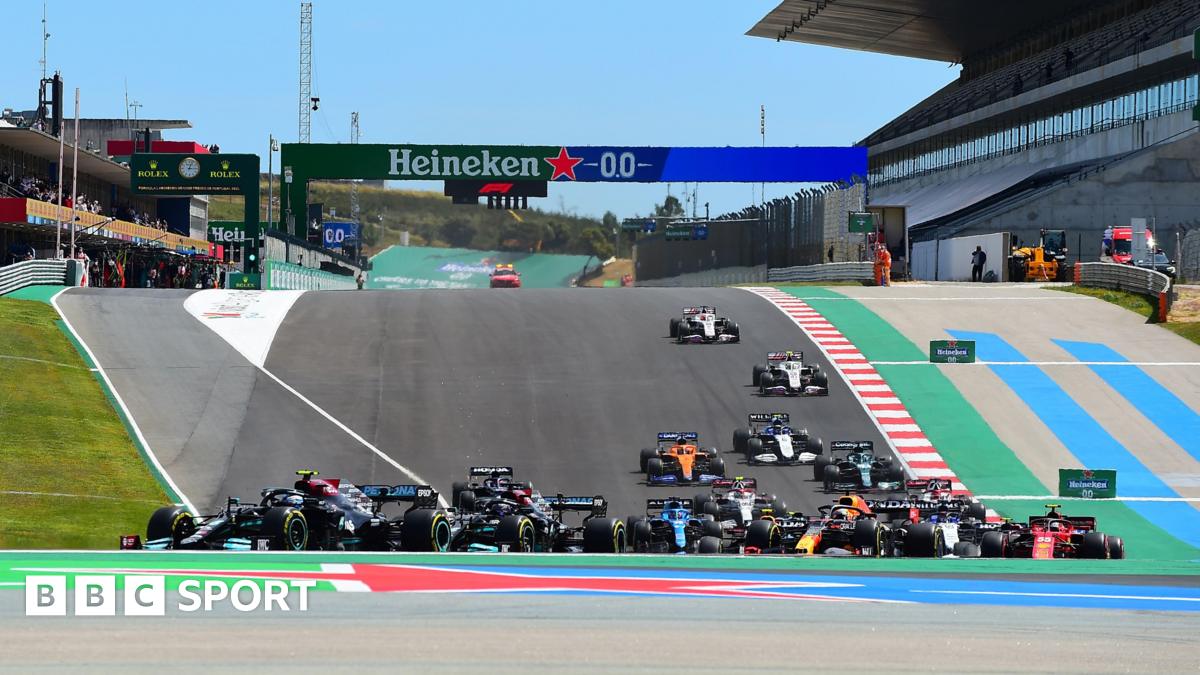
With F1 pushing into new markets while trying to preserve its European core, Portugal’s return is both a nod to recent history and a strategic move that could reshape the late-season calendar rhythm.
From Pandemic Stopgap to Permanent Showpiece
The Algarve International Circuit, often simply called Portimão, joined the Formula 1 World Championship under extraordinary circumstances. With the Covid-19 pandemic forcing wholesale reshuffles of the 2020 and 2021 calendars, F1 turned to flexible, modern venues able to host races at short notice. Portimão answered that call and quickly built a cult following.
The 4.653 km layout, opened in 2008, is defined by its dramatic elevation changes and blind crests. Drivers compared the circuit to a “roller coaster” and praised its mix of high-speed corners and technical sections that punish lapses in concentration.
“It’s like a roller coaster. There’s so much elevation and you’re constantly guessing what’s over the crest. It’s mega to drive.” — Lewis Hamilton on Portimão in 2020
In 2020, Hamilton claimed his record-breaking 92nd Grand Prix victory at Portimão, surpassing Michael Schumacher’s win tally and cementing the circuit’s place in F1 lore. That alone gave the venue a historical hook that went far beyond its short stint on the calendar.
Algarve International Circuit: Technical Profile and Racing DNA
Portimão’s challenge lies not just in its corners, but in how those corners link together across its undulating landscape. The result is a circuit that tests car balance, tyre management, and driver commitment.
| Attribute | Detail |
|---|---|
| Location | Portimão, Algarve region, Portugal |
| Lap length | 4.653 km (2.891 miles) |
| Number of corners | 15 (9 right, 6 left) |
| Race distance | 66 laps (approx. 306 km) |
| Notable sections | Turn 1 downhill braking, fast T5–T7 complex, blind Turn 8, long final right-hander |
| Typical grip level | Low to medium; track evolution significant over weekend |
The long pit straight leading into a downhill braking zone at Turn 1 creates a prime overtaking point, especially with DRS assistance. However, exits from the final corner are tricky due to lateral load and traction demands, making rear-tyre wear and deployment strategy critical factors.
For power units, Portimão sits in the middle of the pack: long enough flat-out sections to reward efficiency, but technical enough that hybrid deployment patterns can be the difference between attack and defence into Turn 1 and Turn 5.
Pandemic-Era Portuguese GPs: What We Learned in 2020 and 2021
With only two modern-era Portuguese Grands Prix in the record books, the sample size is small but revealing. Both races highlighted how sensitive performance is to track evolution, wind, and temperature at the Algarve International Circuit.
| Year | Pole Position | Winner | Winning Team |
|---|---|---|---|
| 2020 | Lewis Hamilton (Mercedes) | Lewis Hamilton | Mercedes-AMG Petronas |
| 2021 | Valtteri Bottas (Mercedes) | Lewis Hamilton | Mercedes-AMG Petronas |
- Mercedes dominance: The Silver Arrows adapted quickly to the low-grip surface and windy conditions.
- Tyre warm-up complexity: In 2020, early drizzle and low temperatures saw unexpected leaders in the opening laps before order was restored.
- Track evolution: Lap times improved significantly across sessions, rewarding teams that reacted fastest to changing grip.
While the competitive order in 2027–2028 will be shaped by new regulations and power unit frameworks, those two races offer a template: cars with strong mechanical grip, flexible aero windows, and gentle tyre characteristics tend to thrive at Portimão.
Why F1 Wants Portugal Back: Calendar Strategy and Market Impact
The decision to reinstate the Portuguese Grand Prix in 2027 and 2028 reflects several strategic priorities for Formula 1 and its commercial rights holder.
- Strengthening the European backbone: Amid expansion into the Middle East, North America, and Asia, F1 has faced criticism for sidelining traditional European venues. Portugal brings back a fan-friendly, modern circuit in a region with strong motorsport heritage.
- Tourism synergy: The Algarve is a global tourist hotspot. A spring or early autumn date could offer a compelling combination of race weekend and beach-side holidays, boosting local and national economics.
- Logistics and sustainability: Portimão can be slotted into a European triple-header rotation (for example, with Spain and another continental race), trimming freight costs and aligning with F1’s carbon-reduction targets.
- Broadcast appeal: Portimão’s dramatic elevation changes create spectacular onboard shots and aerials, an easy win for global TV and streaming audiences.
“Portugal proved during the pandemic that it can deliver a world-class Grand Prix. Bringing Portimão back on a multi-year deal gives us a flexible, fan-favourite venue in a key European region.” — F1 senior official, speaking on background
For the Portuguese government and local promoters, a two-year commitment offers time to build fan bases, upgrade fan zones and transport links, and integrate the race into broader tourism campaigns.
Who Will Portimão Suit in 2027–2028? Early Competitive Outlook
By 2027, Formula 1 will have transitioned into a new regulatory and power-unit era, headlined by revised chassis rules and next-generation hybrid engines. That makes outright predictions hazardous, but Portimão’s fundamental demands will remain largely the same.
- Aero efficiency: Cars that generate consistent downforce through high-speed, off-camber sections will gain time in the middle sector.
- Tyre management: Long, loaded corners and an abrasive surface can generate rear degradation, especially in hotter conditions.
- Power deployment: Efficient energy recovery and deployment down the main straight will be crucial for overtakes.
Assuming current frontrunners remain at or near the top:
| Team Profile | Strength at Portimão |
|---|---|
| High-downforce, tyre-friendly car | Likely favourite; can push in high-speed corners while preserving rear tyres. |
| Straight-line speed specialist | Strong in quali and overtakes but may struggle with tyre wear in twisty sectors. |
| Mechanically strong but aero-limited | Competitive in changeable conditions and race trim; vulnerable in pure qualifying pace. |
With 2027 also expected to feature further sustainability initiatives and potentially different tyre constructions, Portimão could become a bellwether for how quickly teams adapt to evolving technical and environmental demands.
Fan Experience: Why Portimão Is Built for Spectators
Beyond the on-track product, the Algarve International Circuit is tailor-made for live spectators. Its natural amphitheatre-style hillsides offer multiple vantage points, allowing fans to see large chunks of the lap from a single grandstand or general admission area.

- Visibility: Fans can watch battles unfold through multiple corners, not just a single braking zone.
- Climate: The Algarve’s typically mild, sunny weather increases the chances of a comfortable, dry race weekend.
- Accessibility: Proximity to Faro and Lisbon, plus established tourist infrastructure, simplifies travel and accommodation.
“Portimão is one of those tracks where you can actually feel the crowd energy on the out-lap. The way the circuit drops away and rises back up, you see the grandstands in places you don’t expect.” — F1 driver on the 2021 Portuguese GP weekend
Balancing Tradition, New Markets, and Environmental Concerns
As with any calendar addition, the Portuguese Grand Prix’s return raises questions about which venues may lose out and how F1 balances heritage, commercial interests, and sustainability targets.
From a traditionalist standpoint, some argue that if Portugal returns, long-standing European races like Belgium, Italy, or historic German circuits should be guaranteed safety. At the same time, F1’s expansion into the United States, the Middle East, and Asia has proven commercially lucrative and boosted global viewership.
Environmental advocates also keep a close eye on calendar structure. The inclusion of Portimão can be framed positively if grouped with nearby European races to limit long-haul freight. However, critics remain wary of an ever-longer schedule.
- Pro-Portimão view: Modern facilities, strong fan support, and logistical compatibility with other European races.
- Sceptical view: Concern that rotating venues may erode the identity of traditional GPs and overextend teams and personnel.
The two-year deal for 2027–2028 can be seen as a testbed: if Portimão delivers strong attendance, robust TV numbers, and manageable logistics, it strengthens its claim as a long-term fixture.
Portuguese Motorsport: A Platform for the Next Generation
For Portuguese motorsport, a home Grand Prix is more than a date on the calendar; it is a catalyst for grassroots growth. Local karting circuits, junior single-seater series, and regional teams all benefit from the visibility and inspiration a national F1 race provides.

Portuguese fans have long followed F1 passionately, even without a consistent race of their own. A sustained run of grands prix in the Algarve gives young drivers a clear target and local sponsors a global showcase.
“Growing up, I watched F1 on TV and dreamed of seeing those cars here, on our tracks. Knowing Portimão will be on the calendar again makes that dream feel a little closer for every kid in Portuguese karting.” — Portuguese junior driver, national series
If a Portuguese driver earns a full-time F1 seat by 2027 or 2028, the home-race storyline at Portimão would add another emotional layer to an already compelling weekend.
Portimão by the Numbers: Pace, Passing and Potential
While detailed 2027–2028 projections will come closer to the first race, past data helps frame expectations. Conceptually, Portimão sits mid-pack in terms of overtaking difficulty: easier than some tight street circuits, harder than venues with repeated heavy braking zones.
| Circuit | Overtaking Potential | Tyre Wear | Track Evolution |
|---|---|---|---|
| Portimão (Algarve) | Medium | Medium–High (rear-limited) | High |
| Barcelona-Catalunya | Medium–Low | High | Medium |
| Spa-Francorchamps | High | Medium | Medium |
Strategically, Portimão encourages teams to consider:
- Undercuts vs. overcuts: With high track evolution, staying out on improving tarmac can sometimes outweigh fresh tyres.
- Two-stop viability: In hot conditions, a two-stop may open up late-race charges, especially for aggressive drivers.
- Wind sensitivity: Sudden gusts over the crests can destabilize cars, making setup compromises a constant talking point.
What to Watch as Portugal Prepares for F1’s Return
With the Portuguese Grand Prix locked in for 2027 and 2028, attention now turns to how the event is integrated into the broader Formula 1 story. From infrastructure upgrades to community engagement, the next two years will shape whether Portimão becomes an intermittent guest or a long-term calendar pillar.
- How F1 arranges the European leg to minimize travel and emissions.
- Whether a Portuguese or Iberian driver emerges as a home-race favourite.
- How the new technical regulations interact with Portimão’s layout — especially for overtaking.
- The strength of ticket sales, TV ratings, and tourism impact in 2027.
As the sport evolves into a new competitive cycle, Portimão offers something rare: a modern facility with character, challenge, and a proven ability to deliver meaningful moments. When the lights go out in the Algarve in 2027, Formula 1 will not just be revisiting a pandemic stopgap — it will be testing a track that could help define the next era.
For official updates on the Portuguese Grand Prix and the full race schedule, visit the official Formula 1 website and keep an eye on the future season calendar pages as they are released.
