
Plant-Forward Power Bowl with Seaweed, Hemp & Lentil Pulses (Climatarian Superfood Recipe)
Plant-Forward Climatarian Power Bowl with Seaweed, Hemp & Lentils
This plant-forward, climatarian power bowl celebrates the new “superfood” heroes—seaweed, hemp, lentils, and chickpeas—by layering them into a warm, colorful meal that’s deeply satisfying yet wonderfully light on the planet. Inspired by the way coastal cuisines use seaweed, Mediterranean cooks cherish chickpeas, and homey stews elevate lentils, this bowl brings those traditions together in a fresh, modern recipe you can easily cook on a weeknight.
You’ll get tender garlicky lentils, crisp‑roasted chickpeas, a bright lemony hemp seed dressing, and ribbons of savory seaweed over a bed of fluffy ancient grains. Every bite has contrast—creamy, crunchy, tangy, and umami-rich—showing just how exciting eco-conscious, plant-forward eating can be.
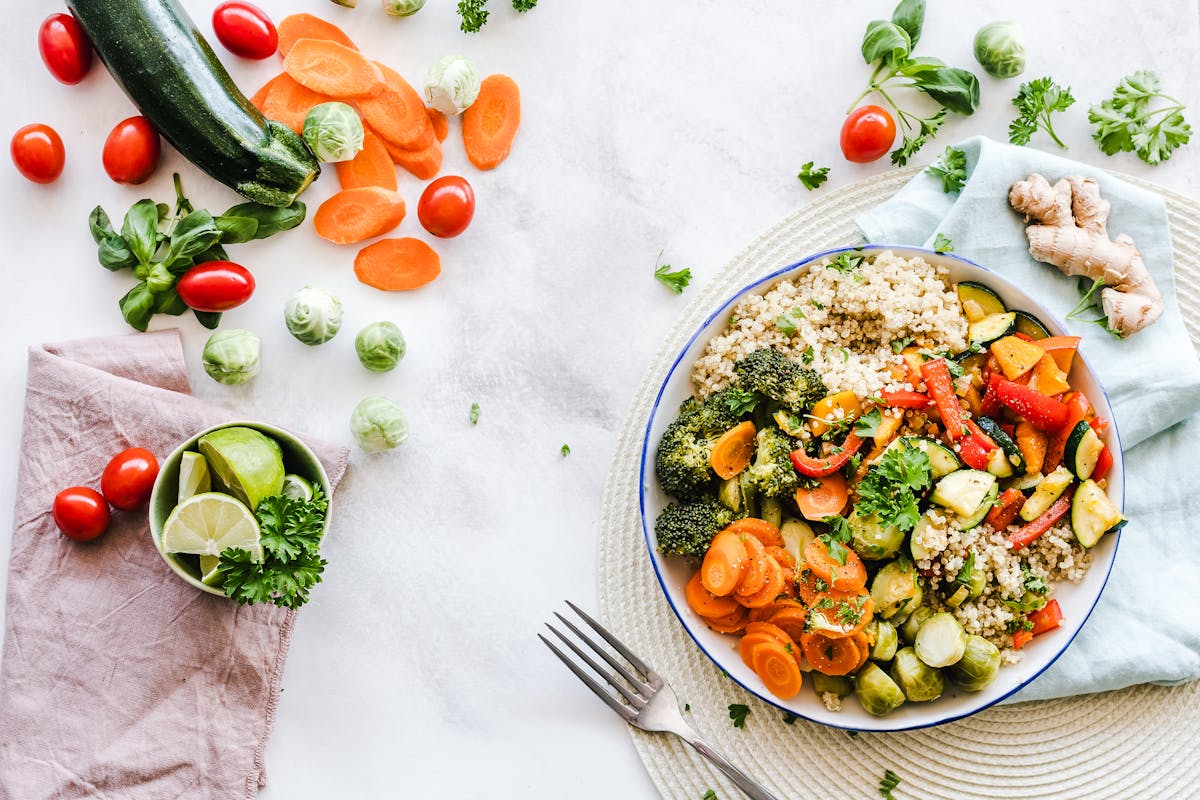
Recipe Snapshot: Seaweed, Hemp & Lentil Climatarian Bowl
Prep time: 25 minutes
Cook time: 30 minutes
Total time: ~55 minutes
Servings: 4 bowls
Difficulty: Easy–Intermediate
Diet: Plant-based, high-fiber, climatarian
This recipe is designed with sustainability in mind: pulses for soil-friendly protein, ancient grains for resilience, and seaweed and hemp as low-impact, nutrient-dense additions. It’s meal-prep friendly, endlessly adaptable, and ideal for flexitarians exploring eco-conscious eating.

Recipe Schema (Structured Data)
The following embedded JSON-LD helps search engines understand this climatarian, plant-forward recipe featuring seaweed, hemp, pulses, and ancient grains.
Ingredients for a Climatarian Superfood Bowl
This ingredient list leans on climate-smart staples: pulses (lentils & chickpeas), ancient grains, seaweed, and hemp. Feel free to mix and match based on what you have on hand—this is a very forgiving recipe.
Pulses & Grains
- 1 cup (190 g) dry lentils, green or brown, rinsed
- 1 bay leaf (optional) for lentils
- 3 cups (710 ml) low-sodium vegetable broth or water, plus more as needed
- 1 cup (185 g) uncooked ancient grains (quinoa, millet, or farro), rinsed
- 2 cups (475 ml) water or broth for grains
Crispy Chickpeas
- 1 cup (180 g) cooked chickpeas (or 1 can, drained and rinsed)
- 1½ tablespoons extra-virgin olive oil
- ½ teaspoon fine sea salt, plus more to taste
- 1 teaspoon smoked or sweet paprika
- ½ teaspoon ground cumin
Seaweed & Hemp Dressing
- 1 sheet toasted nori, crumbled, or 2 tablespoons dried seaweed flakes (wakame or dulse), rehydrated if needed
- ¼ cup (35 g) hemp hearts (hulled hemp seeds)
- 3 tablespoons extra-virgin olive oil
- 3 tablespoons fresh lemon juice (about 1 large lemon)
- 1 tablespoon apple cider vinegar or rice vinegar
- 1 teaspoon Dijon mustard
- 1 small garlic clove, finely grated or minced
- 1–2 teaspoons maple syrup or honey, to taste
- ¼ teaspoon fine sea salt, plus more to taste
- Freshly ground black pepper, to taste
Veggies & Toppings
- 2 cups (about 120 g) chopped seasonal vegetables (e.g., cucumber, bell pepper, carrots, or shredded cabbage)
- 2 cups (60 g) loosely packed leafy greens or herbs (baby spinach, arugula, parsley, cilantro)
- 1 small avocado, sliced (optional)
- Lemon wedges, for serving (optional)
Equipment and Tools You’ll Need
- 2 medium saucepans with lids (for lentils and grains)
- 1 rimmed baking sheet (for chickpeas)
- Parchment paper for easy cleanup (optional but helpful)
- 1 small mixing bowl or jar with lid (for the dressing)
- Cutting board and sharp knife
- Measuring cups and spoons
- Fork for fluffing grains and tossing dressings
Step-by-Step Instructions (With Sensory Cues)
Follow these steps in order to keep things flowing smoothly. While the lentils and grains simmer, you’ll crisp chickpeas and whisk the seaweed-hemp dressing so everything comes together at once.
1. Cook the Lentils
- Rinse lentils under cool running water until it runs mostly clear.
- In a medium pot, combine lentils, bay leaf (if using), and 3 cups broth or water.
- Bring to a boil over medium-high heat, then reduce to a gentle simmer.
- Cook uncovered for 20–25 minutes until the lentils are tender with a slight bite—soft but not falling apart.
- Drain any excess liquid, discard bay leaf, and season lightly with salt. Set aside, covered, to stay warm.

2. Cook the Ancient Grains
- While the lentils cook, rinse your chosen grain (quinoa, millet, or farro).
- In another saucepan, combine 1 cup grains with 2 cups water or broth and a pinch of salt.
- Bring to a boil, then reduce heat to low, cover, and simmer:
- Quinoa: 12–15 minutes
- Millet: 18–20 minutes
- Farro: 25–30 minutes (check package directions)
- When the liquid is absorbed and grains are tender, turn off heat and let sit, covered, for 5 minutes.
- Fluff with a fork—the grains should look steamy and separate, not soggy.
3. Roast the Crispy Chickpeas
- Preheat your oven to 400°F (200°C). Line a baking sheet with parchment for easier cleanup.
- Pat chickpeas very dry with a clean dish towel or paper towel. The drier they are, the crispier they’ll become.
- Toss chickpeas with 1½ tablespoons olive oil, ½ teaspoon salt, smoked paprika, and cumin until evenly coated.
- Spread in a single layer on the baking sheet.
- Roast for 20–25 minutes, shaking the pan halfway, until chickpeas are deep golden, lightly blistered, and smell toasty and aromatic.
- Let them cool slightly—they’ll crisp up more as they sit.
4. Make the Seaweed & Hemp Dressing
- If using seaweed that needs rehydrating, soak according to package instructions, then squeeze out excess water and chop finely.
- In a bowl or jar, whisk together olive oil, lemon juice, vinegar, Dijon mustard, garlic, and maple syrup or honey.
- Season with ¼ teaspoon salt and several grinds of black pepper.
- Stir in hemp hearts and crumbled nori or chopped seaweed. The mixture should look creamy and speckled with tiny seeds and dark green flecks.
- Taste and adjust: add more lemon for brightness, maple/honey for sweetness, or salt for depth.

5. Prep the Veggies and Greens
- Wash and dry your vegetables and greens thoroughly.
- Chop vegetables into bite-sized pieces or quick-cooking shapes (thin slices, matchsticks, or small cubes).
- Roughly chop herbs if using, and slice the avocado just before serving to keep it fresh and green.
6. Assemble Your Climatarian Power Bowls
- Divide the warm ancient grains between four bowls.
- Add a generous scoop of lentils to each bowl.
- Top with a handful of crispy chickpeas for crunch.
- Arrange fresh vegetables and leafy greens around the bowl in colorful clusters.
- Drizzle each bowl with the seaweed-hemp dressing, letting it soak into the grains and lentils.
- Finish with avocado slices (if using), extra hemp hearts, and a sprinkle of seaweed flakes if you like a stronger ocean-kissed flavor.
- Serve with lemon wedges for squeezing over just before eating.
Variations, Swaps & Dietary Adaptations
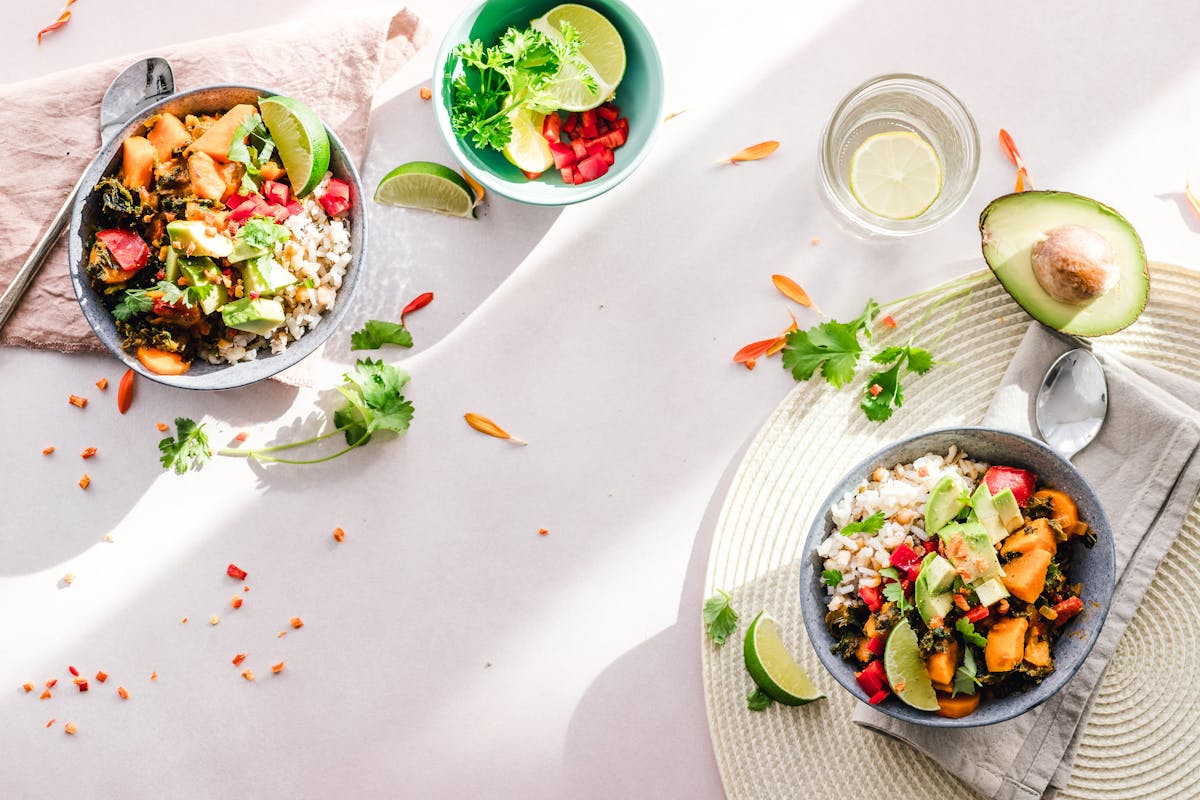
Climatarian, plant-forward eating is all about flexibility. Use these ideas to adapt the bowl to your tastes, budget, and pantry.
- Gluten-Free: Choose quinoa or millet and avoid farro. Double-check that your seaweed and seasonings are gluten-free.
- Oil-Free: Roast chickpeas on parchment with a splash of aquafaba (chickpea liquid) instead of oil, and make the dressing with tahini plus water instead of olive oil.
- Higher Protein: Increase lentils to 1¼ cups dry or add extra hemp hearts and a spoonful of hemp protein to the dressing.
- Milder Seaweed Flavor: Start with half the amount of seaweed and skip extra seaweed garnish; the bowl will still be deliciously savory.
- Extra Veg-Heavy: Add roasted seasonal vegetables such as squash, sweet potatoes, or broccoli for more color and fiber.
- Flexitarian Option: If you eat some animal products, a spoonful of plain yogurt or a sprinkle of sharp cheese can be added while still keeping the dish very plant-forward.
“The magic of climatarian cooking is that the framework stays the same—plants at the center, climate-smart ingredients as the stars—while the details shift with your season, culture, and cravings.”
Storage, Meal Prep & Reheating Tips
This seaweed, hemp, and lentil bowl is ideal for meal prep. A little smart storage keeps everything tasting freshly made.
Refrigeration
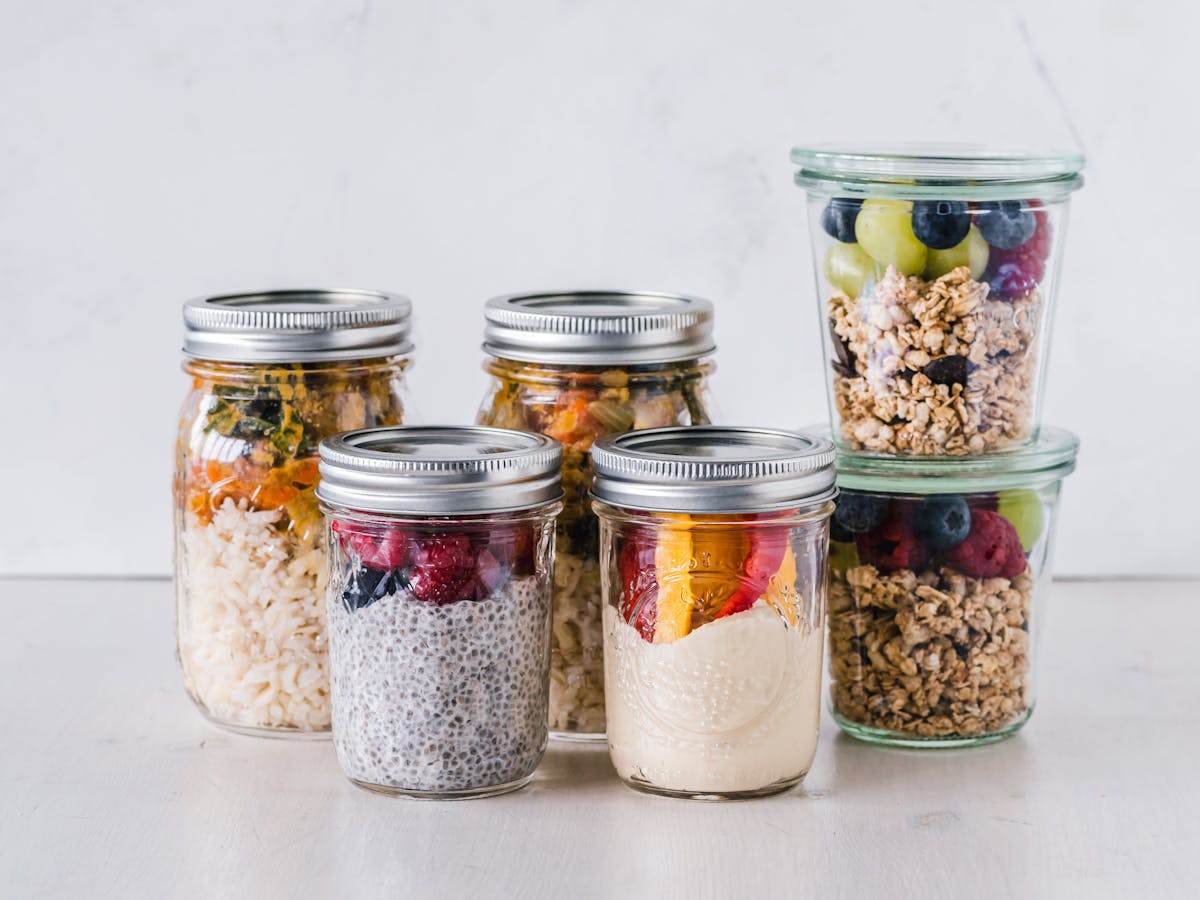
- Lentils & grains: Store in airtight containers for up to 4 days.
- Roasted chickpeas: Best within 1–2 days. Keep at room temperature in a loosely covered container for max crispness; in very humid climates, refrigerate and re-crisp in the oven.
- Dressing: Store in a jar in the fridge for up to 5 days. Shake well before using.
- Veggies & greens: Store washed and dried in containers lined with a towel for 3–4 days.
Reheating
- Lentils & grains: Reheat gently in a skillet with a splash of water or broth, or in the microwave, until just warm.
- Chickpeas: Re-crisp on a baking sheet at 350°F (175°C) for 5–8 minutes.
Serving Suggestions & Climatarian Menu Ideas
This bowl can be a complete meal, but it also plays nicely with other plant-forward dishes if you’re building a full spread around seaweed, hemp, and pulses.
- Light lunch: Serve a smaller portion alongside a simple green salad with citrus and toasted seeds.
- Hearty dinner: Add a side of roasted seasonal vegetables (like carrots, cauliflower, or Brussels sprouts) tossed with olive oil and herbs.
- Plant-forward brunch: Top the bowl with a jammy egg (if you eat eggs) or extra avocado and herbs for a savory start to the day.
- Complementary soup: Pair with a simple miso or seaweed broth to deepen the umami profile and showcase sea vegetables.
- Texture boosters: Sprinkle extra hemp hearts, toasted pumpkin seeds, or crushed roasted chickpeas over the top at the table.
Why This Bowl Fits a Climatarian, Plant-Forward Lifestyle
Plant-forward, climatarian eating focuses on meals that are nutrient-dense and relatively low in environmental impact. This bowl highlights exactly that: pulses like lentils and chickpeas that fix nitrogen in the soil, ancient grains that can be more resilient to climate stress, and seaweed and hemp, which are often praised for requiring fewer resources to grow.
In “what I eat in a day” videos, you’ll often see variations of this idea: a grain-and-bean base, plenty of seasonal vegetables, and a flavorful sauce that ties everything together. This recipe gives you a template to recreate that at home, in a way that nourishes both you and the planet.
