
Ozempic, Wegovy & the ‘Skinny Jab’ Era: How GLP‑1 Weight-Loss Shots Are Changing the Way We Eat
Ozempic, Wegovy & the New Era of Celebrity Weight Loss
In just a couple of years, GLP‑1 injections like Ozempic, Wegovy, and Mounjaro/Zepbound have gone from quiet diabetes treatments to headline-making “skinny jabs.” They’re splashed across red‑carpet coverage, whispered about in Hollywood, and dissected on TikTok and wellness podcasts—while dietitians and doctors race to explain what healthy eating looks like on these powerful appetite‑taming drugs.
Beneath the buzz, these medications are fundamentally changing how people think about food: hunger signals feel different, portions shrink, and the old diet rules suddenly don’t fit. Let’s walk through what’s really happening—nutritionally, culturally, and ethically—so you can navigate this trend with clarity and care.
What Are GLP‑1 Weight‑Loss Injections?
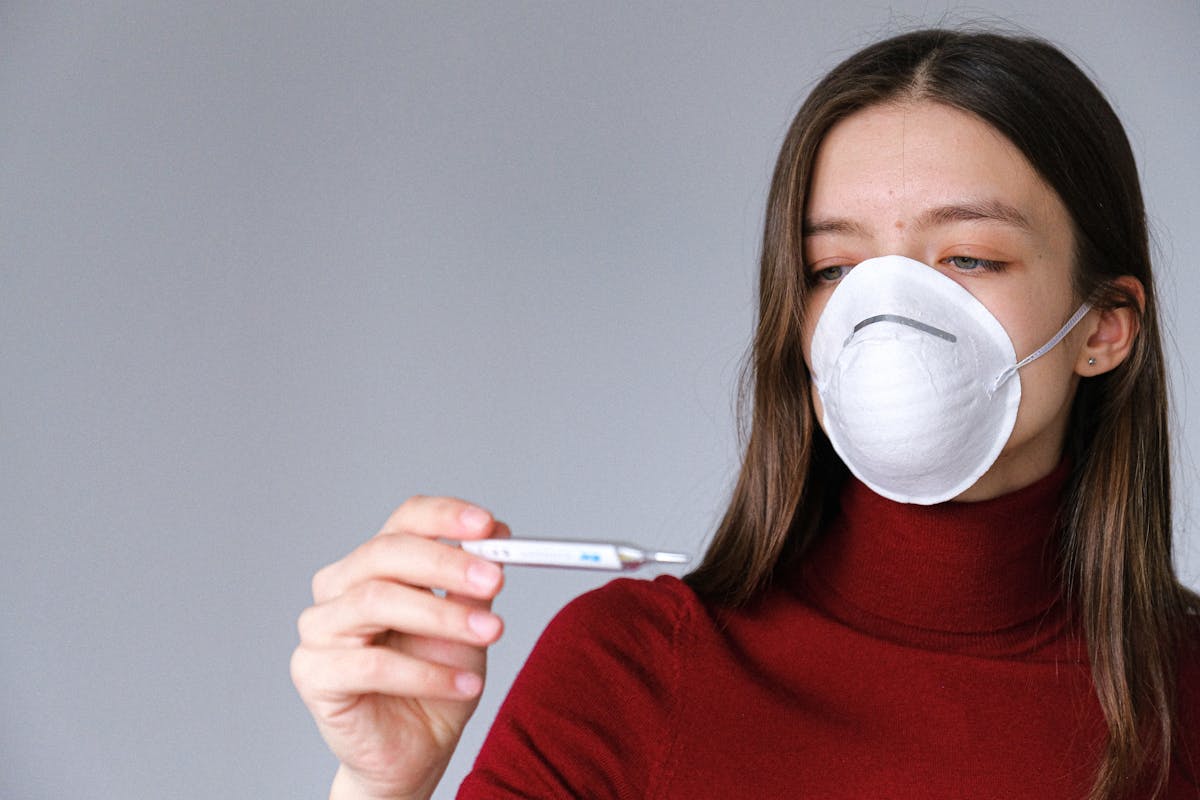
GLP‑1 agonists are prescription medications that mimic a natural gut hormone called glucagon‑like peptide‑1. They were designed to help people with type 2 diabetes control blood sugar—but doctors noticed many patients were also losing significant weight.
- Ozempic: semaglutide, primarily approved for type 2 diabetes.
- Wegovy: higher‑dose semaglutide, approved specifically for chronic weight management.
- Mounjaro / Zepbound: tirzepatide, which targets GLP‑1 and another hormone (GIP), used for diabetes and, more recently, obesity.
These aren’t cosmetic quick fixes or over‑the‑counter supplements; they’re potent prescription drugs intended for people meeting specific medical criteria (such as obesity or weight‑related health conditions), and they require ongoing medical supervision.
Why GLP‑1 Injections Are Trending in Celebrity & Social Media Culture
Over the past 18–24 months, GLP‑1 medications have become pop‑culture shorthand for dramatic, rapid weight loss. The discussion is no longer confined to medical journals; it’s on late‑night TV, Instagram Reels, and endless TikTok stitches.
1. The Celebrity Effect
Red‑carpet “before and after” shots and rumor‑filled headlines have fueled public curiosity. When well‑known figures in entertainment or tech appear significantly slimmer in a short time, speculation about Ozempic or Wegovy is almost automatic—whether or not it’s true or fair. This normalization in high‑status circles makes injectable weight‑loss feel more routine than it actually is.
2. Viral GLP‑1 Content on TikTok & YouTube
Under hashtags like #ozempic, #wegovy, #mounjaro, and #ozempicjourney, creators share:
- Weekly updates and weight‑loss graphs
- “What I eat in a day on Ozempic” vlogs
- Discussions of the “Ozempic body” and loose skin
- Tips for handling nausea or appetite loss
These videos have collectively gained hundreds of millions of views, shaping public expectations about how fast and how much weight loss is “normal” on these medications.
3. From Named Diets to Pharmacological Appetite Control
We’re watching a shift from diet labels—keto, paleo, Whole30—toward something more pharmaceutical: “I’m on Ozempic.” Instead of asking, “Which diet should I follow?” people are asking, “What should I eat while I’m on this drug so I don’t lose muscle or get sick?” That’s a huge cultural pivot in how we frame weight management.
How GLP‑1 Shots Change Hunger, Appetite & Digestion
People often describe their first weeks on GLP‑1 medications like “someone turned down the volume on my appetite.” Behind that feeling are several physiological shifts:
- Reduced hunger signals
GLP‑1 drugs act on the brain’s appetite centers, making you feel satisfied with much smaller portions and less interested in snacking. - Slower gastric emptying
Food leaves the stomach more slowly, so meals feel heavier and more filling for longer. For some, this is pleasant; for others, it can feel like uncomfortable fullness. - Better blood‑sugar control
These drugs help regulate insulin and glucagon, smoothing out some of the peaks and crashes that can drive intense cravings.
“It wasn’t that I suddenly had more willpower—it’s that food just stopped shouting at me all day,” is how one patient described her experience.
This change can feel liberating, especially for people who have struggled with constant hunger. But it also brings new nutritional risks if calories get too low or food choices become overly limited.
Nutrition on Ozempic & Wegovy: What Dietitians Are Seeing
As GLP‑1 prescriptions have climbed, dietitians are sounding a clear message: the goal isn’t just rapid weight loss—it’s healthy, sustainable body‑composition change and long‑term metabolic health. That means paying close attention to protein, nutrients, and how your body feels.
Appetite Drop & Accidental Undereating
Many people on Ozempic or Wegovy drift down to very low calorie intakes simply because they’re not hungry. While this can accelerate weight loss, it may also:
- Increase fatigue and weakness
- Worsen hair shedding or brittle nails
- Slow metabolic rate over time
- Raise the risk of regaining weight when medication stops
Protein & Muscle Preservation
Rapid weight loss almost always includes some muscle loss. Emerging evidence and expert consensus suggest aiming for higher protein intake while on GLP‑1 medications—often in the range of about 1.6–2.2 g of protein per kilogram of body weight per day, adjusted for medical conditions and with professional guidance.
On a practical plate, this looks like:
- Protein at every eating occasion (eggs, Greek yogurt, fish, poultry, tofu, lentils, cottage cheese)
- Pairing smaller portions with protein‑rich snacks if full meals feel overwhelming
- Combining with resistance training 2–3 times per week when possible to signal your body to keep muscle

Nausea, Constipation & Gut Side Effects: Eating for Comfort
Common side effects of GLP‑1 agonists include nausea, constipation, bloating, reflux, and sometimes vomiting—especially during early dose escalations. Gentle, nutrient‑dense foods can make a huge difference in how tolerable the journey feels.
Foods Many People Tolerate Better
- Clear broths & light soups – soothing, hydrating, and easy on the stomach.
- Smoothies – blended fruit, yogurt, or plant milk with protein powder for easy sipping.
- Well‑cooked vegetables – carrots, zucchini, green beans; softer textures are gentler than raw salads for many.
- Low‑fat proteins – baked fish, poached chicken, tofu, or eggs rather than fried or very fatty meats.
- Small, frequent meals – less pressure on the stomach than large restaurant‑style portions.
Supporting Digestion & Regularity
Constipation is particularly common as gastric emptying slows and food volume shrinks. Helpful strategies may include:
- Gradually increasing fiber from whole foods like oats, beans, pears, and chia seeds
- Staying hydrated with water, herbal tea, or infused water throughout the day
- Gentle movement, such as walking, to stimulate gut motility
Any severe or persistent side effects—especially vomiting, severe abdominal pain, or signs of dehydration—deserve prompt medical attention.
Life After Ozempic: Long‑Term Weight Maintenance
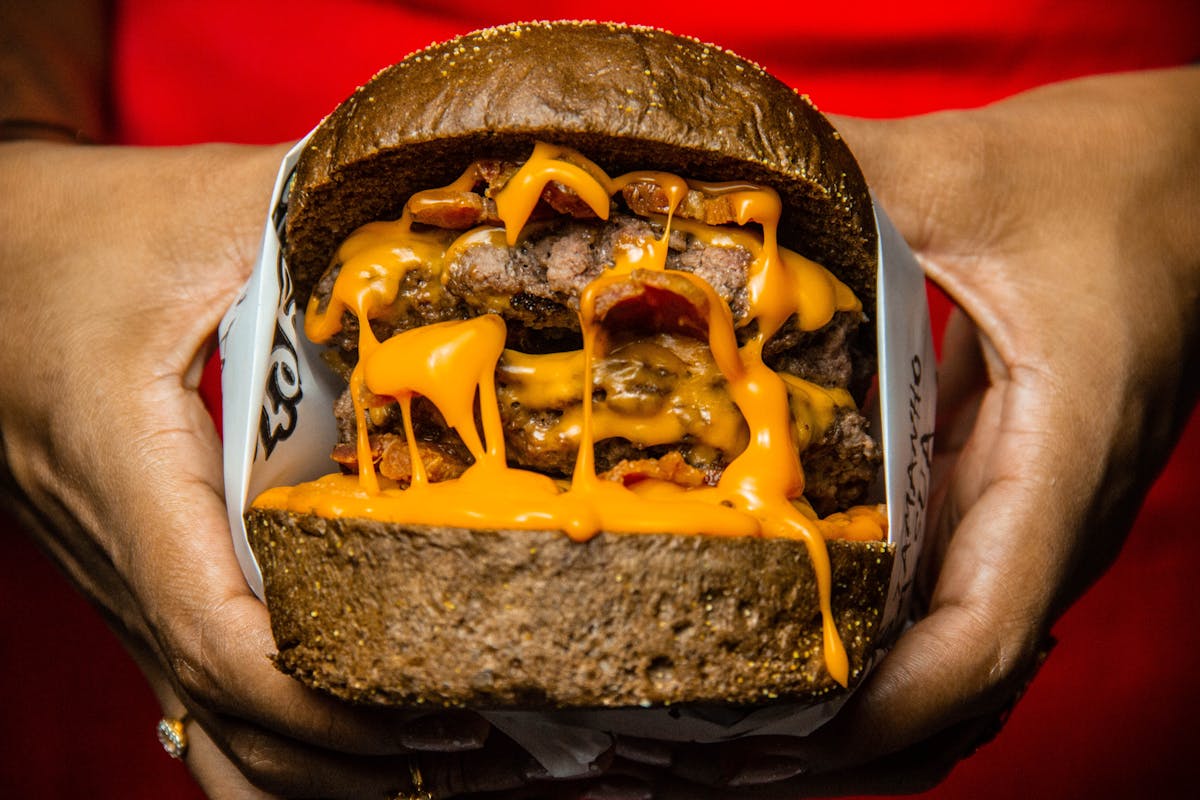
One of the biggest questions around GLP‑1 weight‑loss therapy is: “What happens when I stop?” Early research and real‑world experience suggest that without supportive habits, many people regain at least some of the lost weight as appetite returns.
That’s why nutrition and lifestyle planning isn’t optional; it’s central. More and more clinicians recommend using the window of lower appetite to build:
- A baseline of strength through resistance training
- A comfortable, largely Mediterranean‑style eating pattern (vegetables, fruits, whole grains, beans, nuts, olive oil, fish)
- Skills like planning simple meals, reading hunger and fullness cues, and coping with stress without relying on food alone
Ethical & Cultural Debates Around the “Skinny Jab” Era
As GLP‑1 drugs move deeper into mainstream culture, they raise complex questions about fairness, body image, and how we talk about health.
1. Cosmetic Use vs. Medical Need
In some regions, there have been reported shortages that affect people with diabetes who rely on these medications for blood‑sugar control. At the same time, off‑label use among people without medical obesity has grown. This tension highlights broader issues of access, privilege, and how healthcare resources are distributed.
2. Body Image & Social Pressure
When dramatic GLP‑1 transformations dominate celebrity coverage, it can deepen pressure to be thin—especially in entertainment, fashion, and social media spaces. For people with histories of disordered eating or body‑image struggles, this environment can be triggering.
Many clinicians now urge content creators and influencers to speak about these medications with nuance: emphasizing health outcomes, informed consent, and mental wellbeing rather than glamorizing extreme thinness.
3. Rethinking “Willpower” and Weight
One quietly positive shift: GLP‑1 drugs make it clear that body weight is heavily biological, not just about motivation or discipline. When one weekly injection dramatically changes appetite, it becomes much harder to blame people for not simply “eating less and moving more.” This can open the door to more compassionate, less judgmental conversations about weight and health.

Practical, Food‑First Tips If You’re on a GLP‑1 Medication
With your healthcare team’s guidance, you can use nutrition to support energy, muscle, and gut health during GLP‑1 therapy. Here are food‑focused ideas that many people find helpful:
- Anchor each meal with protein.
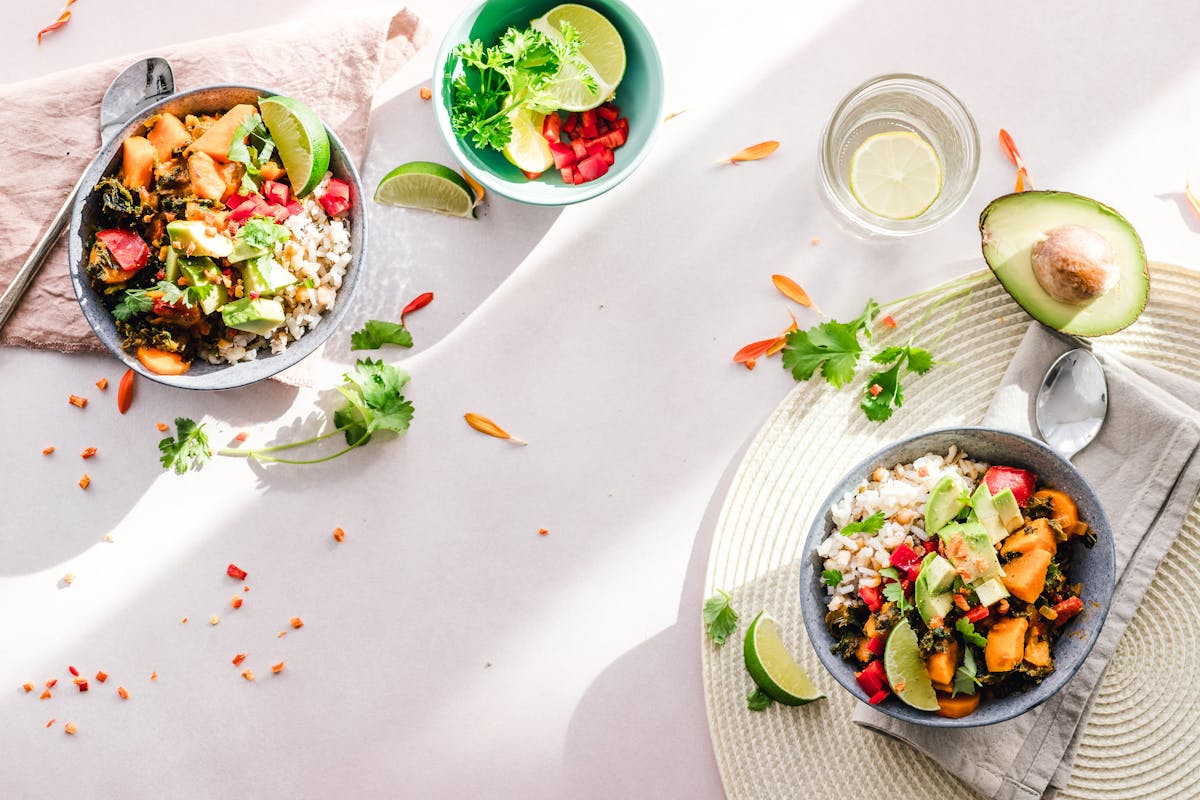
Aim for a palm‑sized portion of protein (or two smaller portions spread out), whether that’s grilled fish, tofu stir‑fry, lentil curry, or eggs on whole‑grain toast. - Fill half your plate with produce—cooked if needed.
Roasted carrots, sautéed spinach, or stewed tomatoes provide fiber and micronutrients in softer, easier‑to‑digest textures. - Choose whole‑grain carbohydrates in small but steady amounts.
Oats, brown rice, quinoa, or whole‑grain bread can maintain energy without massive portions. - Drink throughout the day, not just with meals.
Sipping water or herbal tea between meals can ease nausea and help prevent constipation. - Keep “easy wins” on hand.
Things like pre‑cooked chicken, canned beans, frozen vegetables, or ready‑washed salad greens make it easier to nourish yourself even when your appetite is low.
Bringing It All Together: A More Nuanced GLP‑1 Conversation
GLP‑1 medications like Ozempic, Wegovy, and Mounjaro have undeniably reshaped modern weight‑loss culture—especially in celebrity and social‑media spaces. But beyond the buzzwords and dramatic before‑and‑after photos lies a quieter, more important story: how people actually live, eat, and feel on these drugs.
Thoughtful nutrition—covering protein, fiber, and micronutrients—can protect muscle and energy. Gentle, digestible foods can soften side effects. And compassionate, ethics‑aware conversations can help us move away from shaming and toward informed, individualized care.
Whether you’re considering a GLP‑1 medication, already on one, or simply watching these trends unfold, you deserve information that respects both the science and the human experience. If this topic touches your own health journey, partnering with a doctor and, ideally, a registered dietitian is one of the kindest choices you can make for yourself.
